A Cape Coral pool permit can expire before the pool is finished, especially when construction pauses, inspections are missed, or plans change. Once the permit is no longer active, you may not have permission to continue work or schedule the remaining inspections under that permit.
The expiration date also depends on the permit type and how the project was filed. A pool permit connected to new home construction may follow a different timeline than a stand-alone residential pool. Knowing the date, permit status, and required next step can prevent delays and added costs.
What Determines a Cape Coral Pool Permit Expiration Date?
The first mistake many homeowners make is assuming every pool permit stays active for the same length of time. Cape Coral's posted pool guidelines list different expiration periods based on the project and permit method.
| Permit situation | Listed expiration period |
|---|---|
| Standard in-ground pool permit | 6 months |
| Pool permit filed with New Construction | 5 years |
| Pool permit using a private provider | 2 years |
| Residential pool demolition permit | 6 months |
The City's In-Ground Pool Guidelines and Pool/Inground Commercial Permit Guidelines both show these timeframes. The "New Construction" period refers to a permit filed with a new construction project. It doesn't mean every pool installed at a recently built home automatically receives five years.
Your official permit record controls. Check the issue date, expiration date, inspection history, and current status before making plans around a general timeline. Cape Coral's permitting system has also been adjusting to 2026 state changes that affect some single-family building permits, so older advice may not match a newer permit.
What Happens When a Cape Coral Pool Permit Expires?
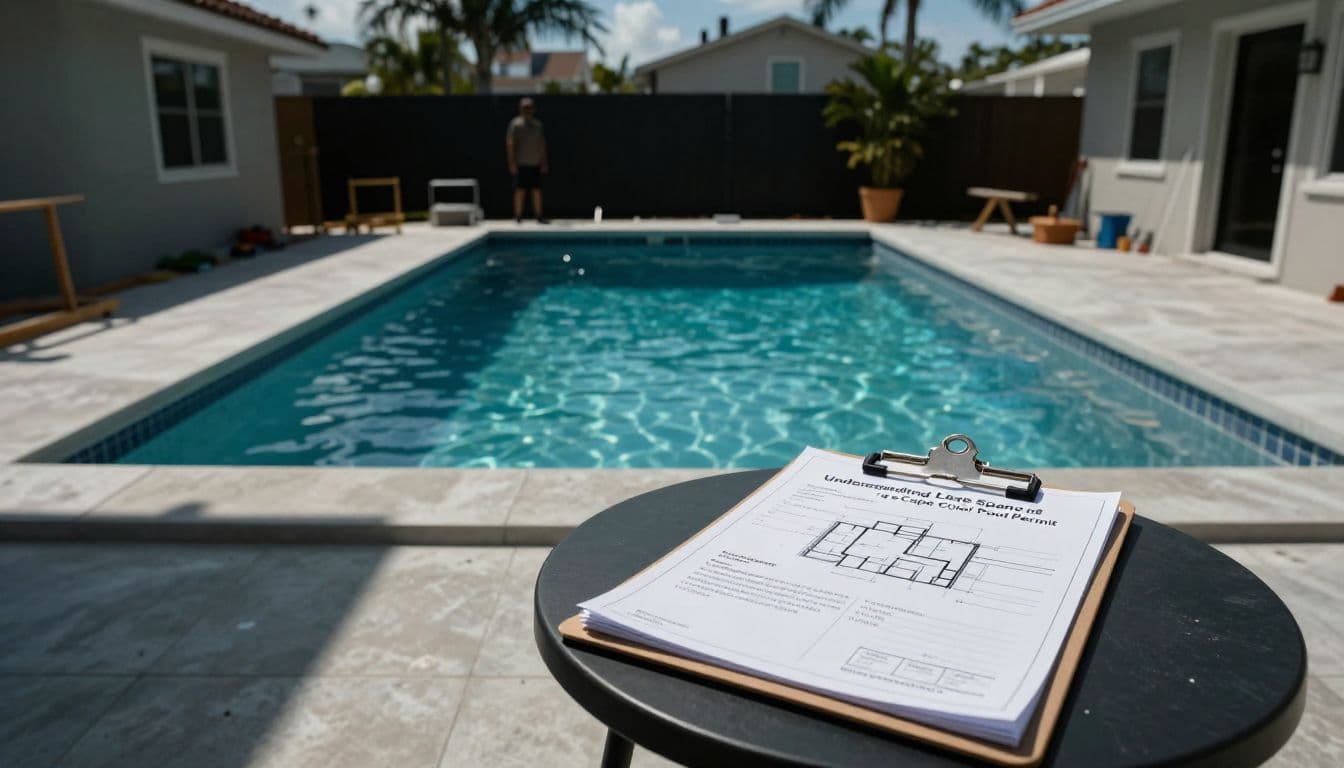
An expired permit means the permit is no longer active for ongoing construction. You shouldn't continue excavation, structural work, plumbing, electrical work, decking, or enclosure construction until the City confirms the proper path forward.
The contractor may also be unable to schedule or pass final inspections under the expired record. Even if most of the pool is complete, the project still needs the required inspections and approvals before the permit can close.
Continuing work after expiration can create several problems:
- The City may require a new review before work continues.
- Plans may need updates to match the current Florida Building Code or local requirements.
- Previously completed work may need inspection before it can be covered or concealed.
- A stop-work order, code enforcement issue, or penalty may become possible if construction continues without an active permit.
- The homeowner may face questions during a sale, insurance review, or future renovation if the pool lacks clear permit records.
An expired permit doesn't automatically mean the completed pool must be removed. It means the project no longer has a current authorization to proceed under that permit. The next step depends on the work completed, the inspection record, the reason for the delay, and the City's decision.
Partially completed pools need extra care
Don't cover important construction details after a permit expires. For example, a homeowner shouldn't allow concrete, deck material, backfill, plumbing, or electrical work to hide items that still require inspection.
Take photos of the current site and gather every inspection result. Your contractor should compare the physical work with the approved plans before contacting the Building Division. This helps identify missing inspections, plan changes, or work that doesn't match the original application.
A pool shell can look finished while the permit remains open because plumbing, electrical, barrier, deck, or final inspections are still incomplete.
Can You Extend or Renew an Expired Pool Permit?
Sometimes, but an extension isn't automatic. Contact the City or your licensed contractor before the expiration date whenever a project may sit idle.
Cape Coral ordinance materials describe a general rule in which some approvals expire after six months unless the work remains under construction and a required inspection occurred within the 90 days before expiration. The same material allows an additional 90-day extension in certain cases. That provision doesn't guarantee an extension for every pool permit, so the permit type and project status matter.
If the permit has already expired, the City may require a renewal, reactivation, extension request, or new application. The exact option can depend on whether construction started and whether the approved plans remain current. A permit that expired before work began may receive different treatment than one with a documented inspection history.
Before calling, gather:
- The permit number and property address.
- The original issue date and listed expiration date.
- The approved plan set and any revision approvals.
- A list of completed work and outstanding inspections.
- Inspection records, correction notices, and contractor information.
- The status of any separate barrier, fence, or screen enclosure permit.
Cape Coral's Permitting Services Division lists 239-574-0546 for permitting help. Inspection questions are handled at 239-573-3173 , while automated inspection scheduling is available at 855-636-2824 . The City uses QLess for building permit service appointments and says walk-ins aren't accepted for those appointments.
Ask for clear instructions before restarting work. Find out whether the City wants an extension request, corrected documents, updated plans, or a new permit application. Keep the response with your project records.
Pool, Barrier, and Screen Enclosure Permits May Not Share a Deadline
A pool permit is not always the only approval connected to a backyard project. Cape Coral issued a notice that changed pool safety barrier requirements effective March 1, 2026 . Pool permits and barrier permits are now handled as separate applications.
That distinction matters when a pool includes a screen cage, fence, or other approved safety barrier. The pool permit may be active while the barrier application needs attention, or one permit may expire before the other. Separate applications can also create separate permit numbers, inspection requirements, and expiration dates.
Residential pool plans and associated screen enclosures or fences have been processed through the City's online permitting system since January 1, 2020. A new enclosure should be planned with the pool layout, setbacks, access points, and barrier requirements in mind. Homeowners considering building a pool and screen enclosure together can often reduce conflicts between the two scopes.
A new screen enclosure is different from replacing damaged mesh. A rescreening project may follow different permit requirements than a new aluminum structure or a frame alteration. Likewise, pool resurfacing, equipment relocation, plumbing changes, and structural renovations shouldn't be assumed to fall under an old pool permit.
If the original permit expires and you later add a new cage, upgrade equipment, or change the pool design, tell the contractor about every planned scope. Combining changes without approval can create another review problem.
How to Keep a Cape Coral Pool Project Active
Permit problems are easier to prevent than repair. Homeowners don't need to manage every filing themselves, but they should stay informed about the permit record and construction schedule.
Use these steps throughout the project:
- Save the permit documents. Keep the permit card, approved plans, revision notices, inspection results, and contractor communications in one place.
- Confirm the expiration date early. Put a reminder on your calendar well before the deadline. Don't wait until the final week to ask about an extension.
- Schedule inspections as work reaches each stage. An inspection history may help show that construction remains active, but only the City can confirm how that rule applies to your permit.
- Report design changes before construction. Moving equipment, changing the enclosure, altering the deck, or modifying the pool layout can require revised plans or separate approval.
- Track every related permit. Check the pool, barrier, fence, screen enclosure, electrical, and other records separately when they apply.
A contractor should explain who schedules inspections and who monitors permit deadlines. That responsibility should be clear before excavation begins.
If your project has stalled or you're planning a new pool, renovation, resurfacing job, or enclosure, Get a Free Estimate and ask what permit documents should be confirmed before work starts. A site review can also identify whether the existing plans still match the backyard you want.
Conclusion
When a Cape Coral pool permit expires, construction should pause until the City confirms an extension, renewal, reactivation, or new application. The expiration doesn't automatically require removal of completed work, but it can prevent inspections and make unfinished construction harder to approve.
Check the permit record, protect work that still needs inspection, and review separate barrier or enclosure approvals. A current permit file gives your pool project a much clearer path to final approval and long-term peace of mind.