Yes, you can use collected rainwater to top off a Cape Coral pool, but the water's quality matters. Rain falling directly into the pool is different from runoff collected from a roof, gutter, or storage tank.
A small top-off may have little effect, while a larger addition can change your pool's water balance . Before using a rain barrel, consider what enters it and how you'll test the pool afterward.
Key Takeaways
- Collected rainwater can add water to a pool, but roof runoff may carry unwanted material.
- Test chlorine, pH, and alkalinity after adding water. Adjust chemicals based on the results.
- Keep rainwater equipment separate from your drinking-water plumbing.
- City irrigation water isn't an approved substitute for pool fill water.
What Cape Coral Pool Owners Should Know
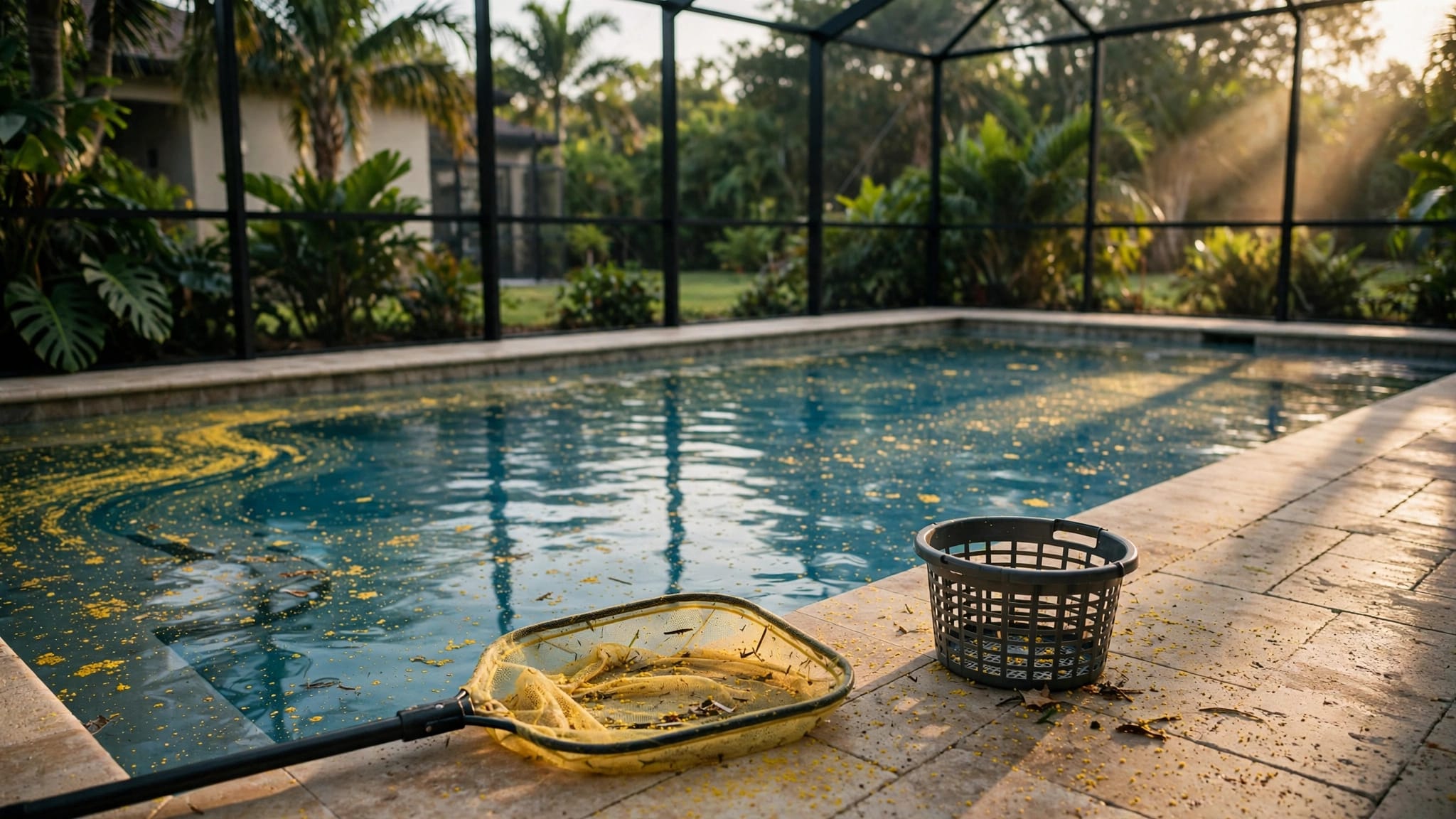
Rainwater that falls through a screen enclosure enters the pool directly. Collected rainwater takes a longer route: it may wash across a roof, pass through gutters, and sit in a barrel before you use it.
That extra contact can introduce debris or other material the pool's sanitizer and filter must handle. If you're unsure about the collected water's condition, using tap water is a more predictable choice.
Cape Coral's rainwater conservation guidance discusses collecting rain for landscape uses. That guidance shouldn't be treated as a specific rule for topping off a pool.
The city also says its irrigation water isn't appropriate for filling swimming pools. City irrigation water and rain you've collected at home are different sources.
How to Collect and Add Rainwater
Keep the collection system clean
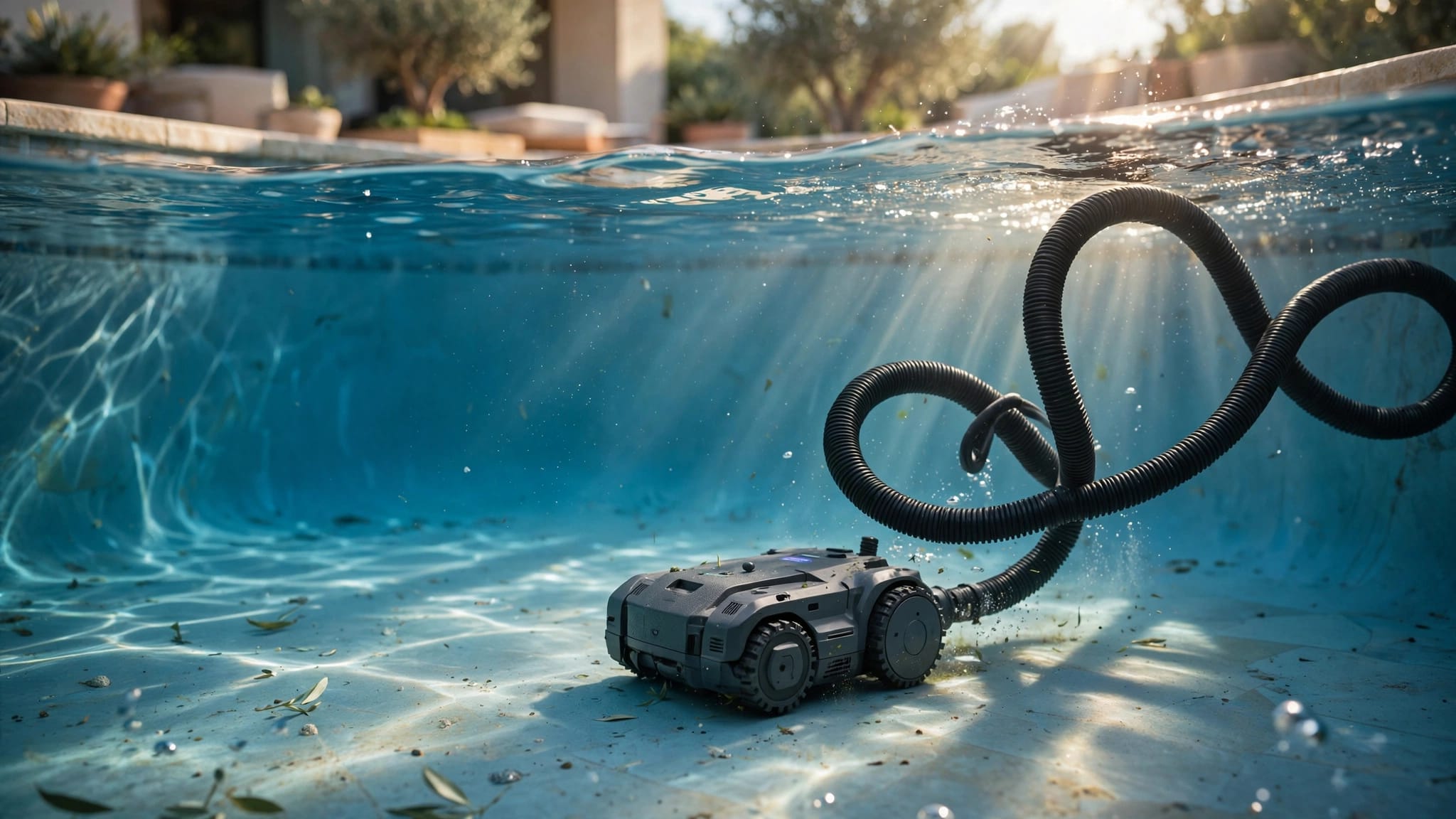
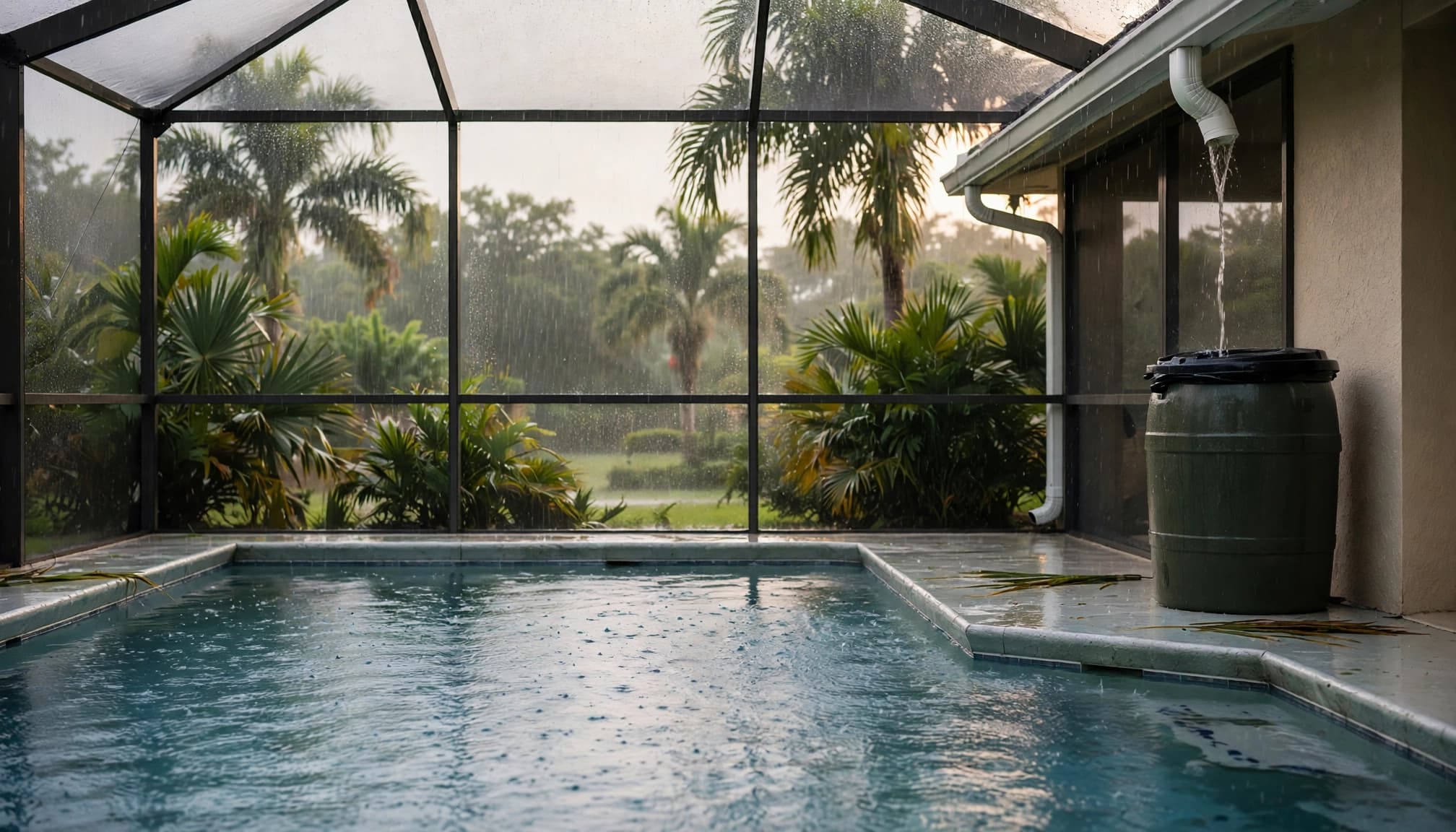
Use a covered rain barrel with screened openings to help keep out leaves and mosquitoes. Clean the roof gutters and remove accumulated debris from the collection system. A first-flush diverter can also direct the initial roof runoff away from the barrel.
These steps reduce debris, but they don't tell you everything about the water's quality. Don't add water that has an oily sheen, an unusual odor, or visible contamination. If roof treatments or nearby chemicals could have reached the collection system, choose another water source.
Add a modest amount and watch the level
For a small manual top-off, use a clean bucket to transfer collected water into the pool. Add it gradually and stop at the water level recommended for your pool's skimmer. Avoid filling above the skimmer opening, since it needs to draw water across the surface.
Keep the rainwater system separate from your home's drinking-water plumbing. Cape Coral's water hookup instructions prohibit cross-connections between potable and non-potable supplies. For a permanent fill arrangement, have a qualified professional handle the design and installation.
A rain barrel also holds less than you might expect. Adding one inch of water to a pool with a 400-square-foot surface takes roughly 250 gallons. A 55-gallon barrel would raise that pool's level by only about a fifth of an inch.
How Rainwater Affects Pool Chemistry
Chlorine can drop after dilution
Rainwater adds volume without adding sanitizer. As a result, a substantial addition can lower the pool's free chlorine concentration. Debris or organic material in collected runoff can also increase the amount of sanitizer the water needs.
Saltwater pools need attention, too. Their chlorine generators produce sanitizer, but added rainwater can dilute both chlorine and salt. A small top-off doesn't automatically mean you need to add salt.
pH and alkalinity can change
Rainwater can be acidic and generally has little buffering capacity. Depending on the amount added and the pool's existing balance, pH and total alkalinity may shift. Low alkalinity can make pH harder to keep steady.
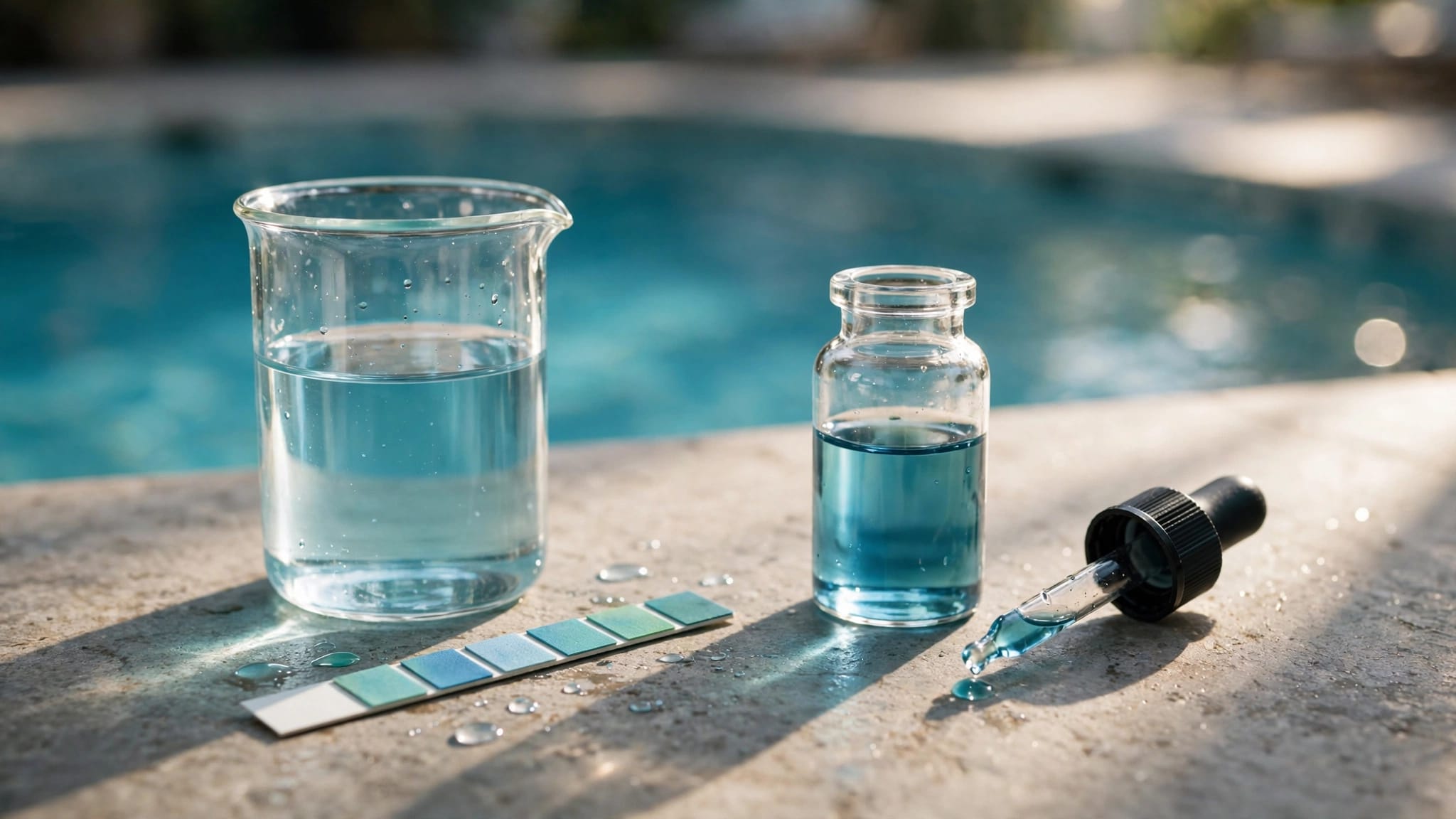
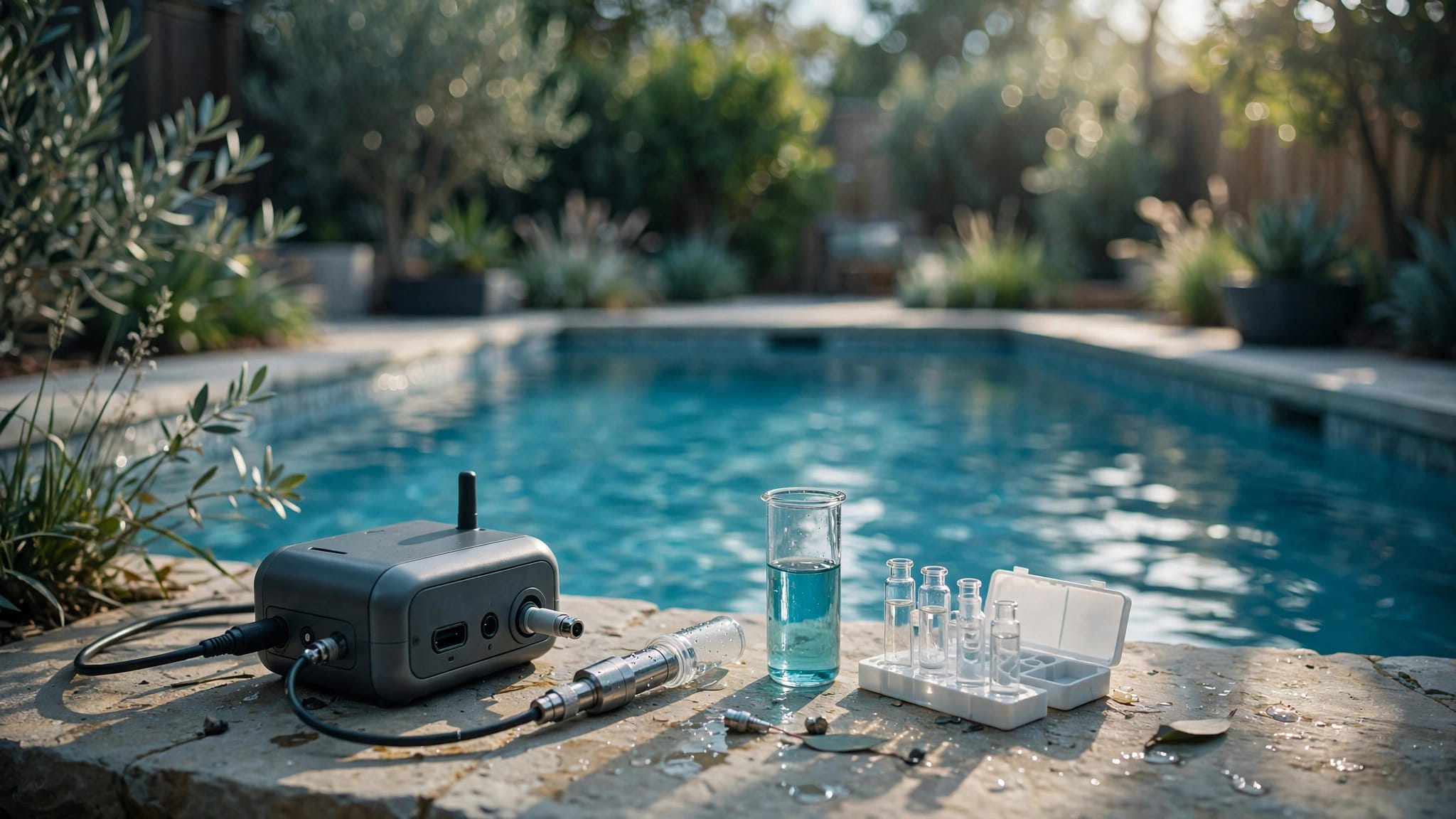
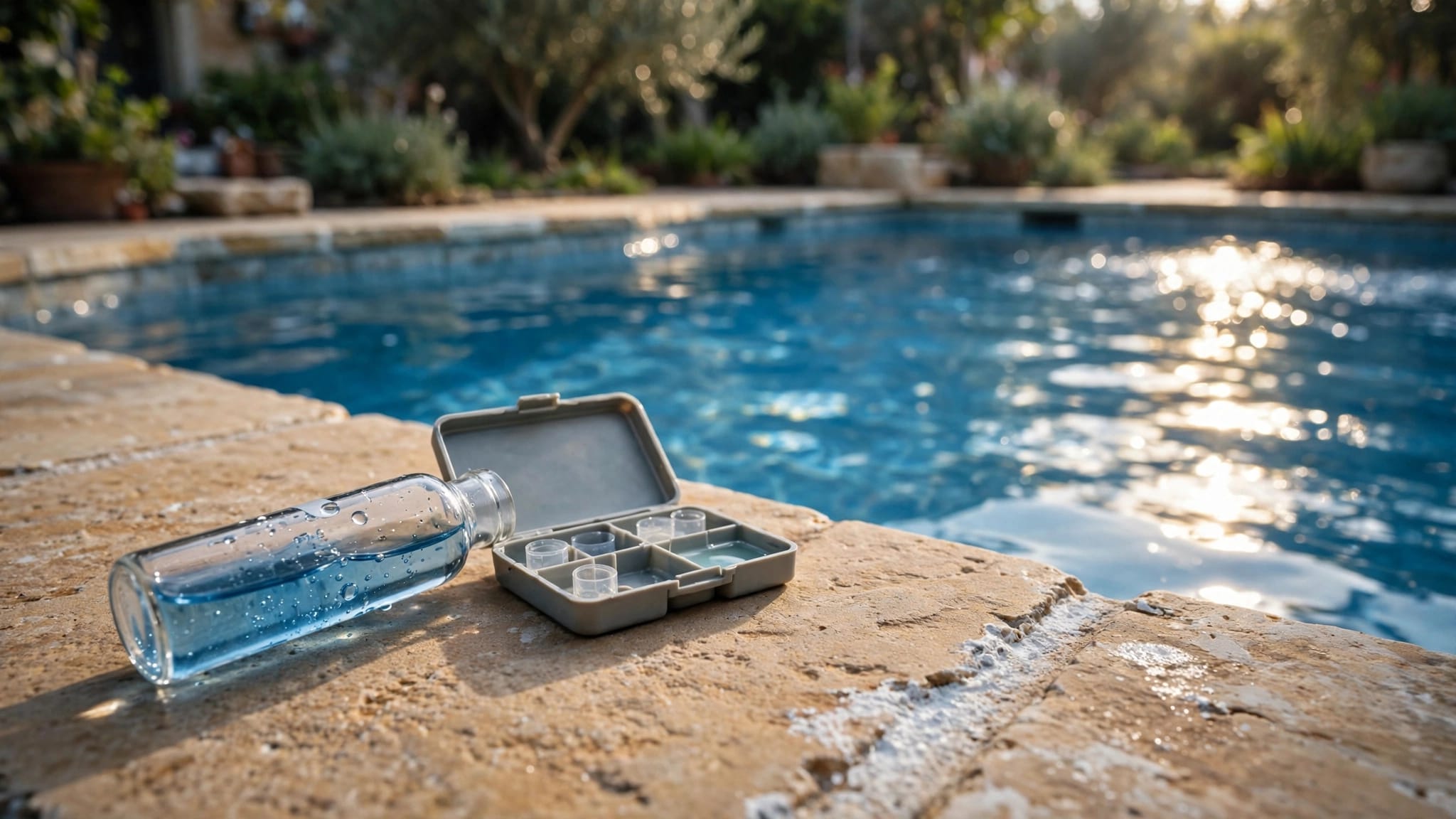
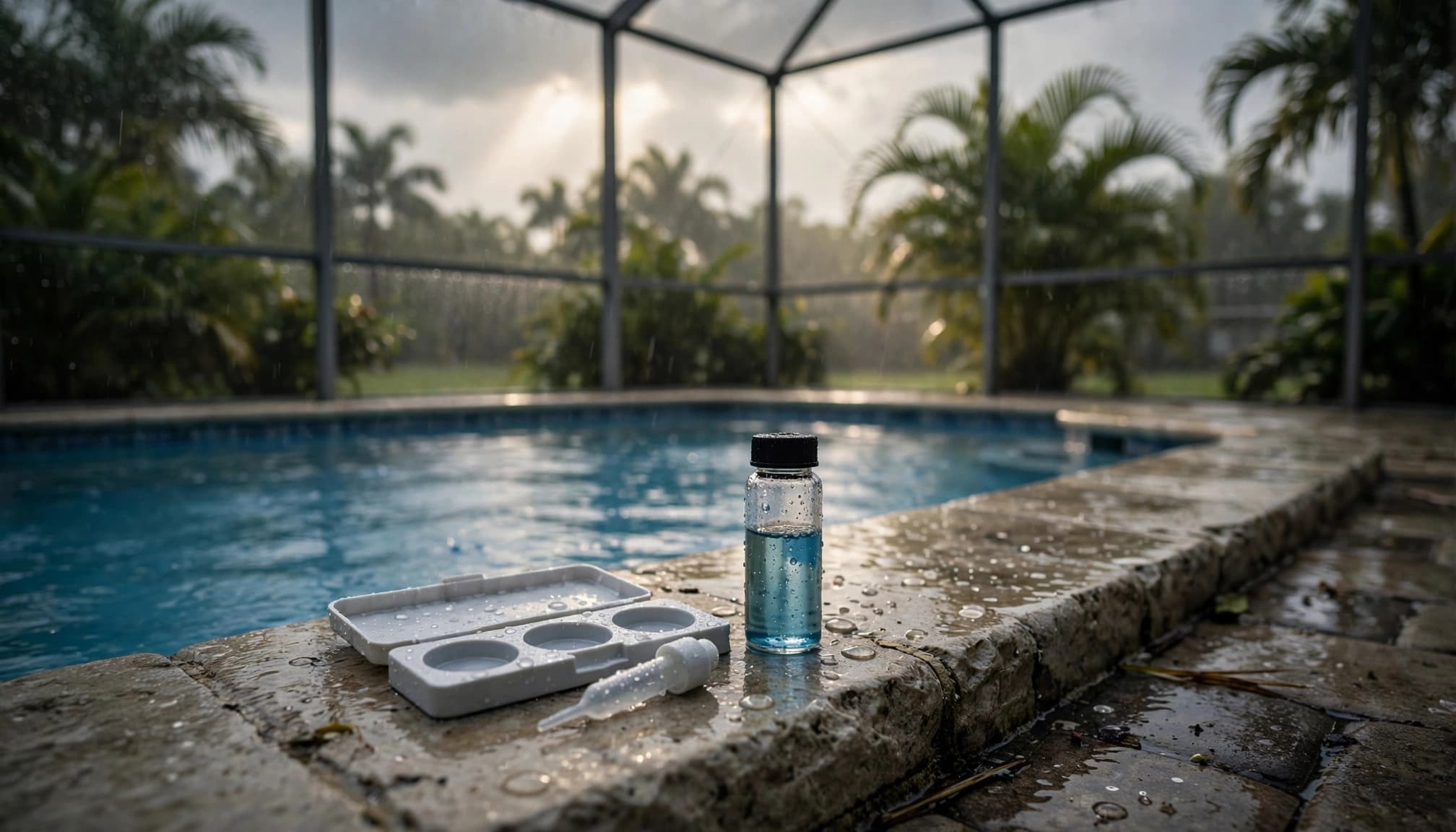
After adding water, run the circulation system to mix it, then test free chlorine, pH, and total alkalinity . Follow your test kit and chemical product instructions, circulate between adjustments, and retest. Don't add a fixed dose simply because it rained. Our guide to testing pool water after a storm covers the cleanup process in more detail.
Alternatives to a Rainwater Top-Off
For most homeowners, tap water is the straightforward choice for replacing water lost to evaporation and splash-out. Add it gradually using a properly protected fill arrangement, then test the pool water after it circulates.
An autofill system can be useful if you're away often or don't want to manage a hose. It adds water when the level drops, but it doesn't replace regular chemistry testing. Also pay attention to unusual water loss: an autofill can make a leak harder to notice because it keeps replacing the missing water.
If you're planning a new pool or renovation and want to discuss water-level features, Get a Free Estimate for an on-site consultation with our team.
Plan for Cape Coral's Storms and Heat
Cape Coral's sun and wind can lower a pool's water level, while a heavy storm can raise it quickly. Even a screened enclosure lets rain through, so stored water may be less useful during wet periods than during a dry spell.
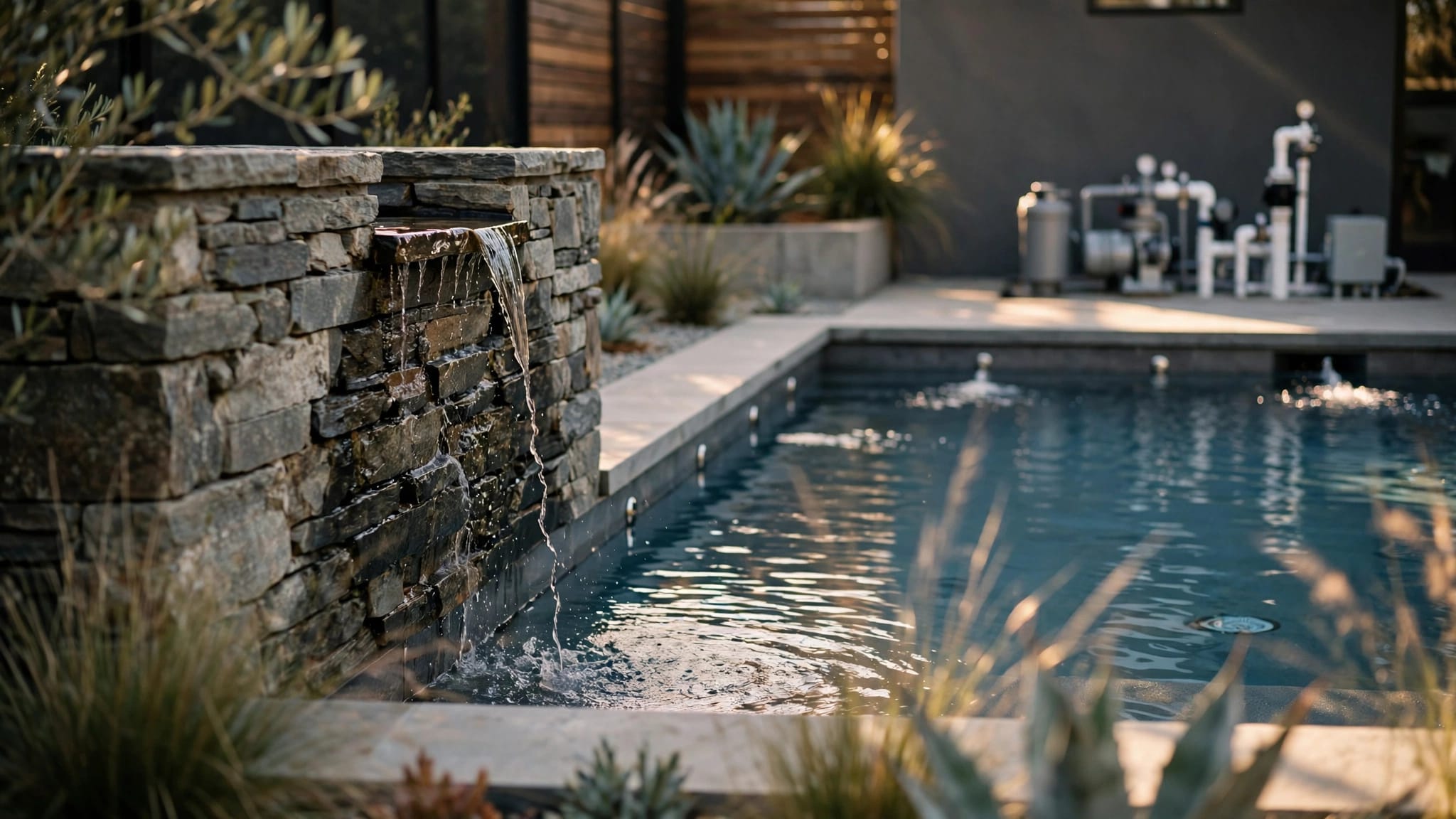
Avoid topping off right before a major storm if the water is already near its normal level. If overflowing or deck runoff is a recurring problem, consider pool overflow drain options when planning a new pool or remodel. An overflow drain addresses excess water; it doesn't replace good drainage around the pool deck.
Frequently Asked Questions
Can I use rainwater in a saltwater pool?
Yes, but test the water afterward. Rainwater can dilute chlorine and salt, and a salt chlorine generator still depends on balanced water. Use the generator manufacturer's recommended salt range rather than adding salt by guesswork.
Does a small rainwater top-off require chemicals?
Not necessarily. The effect depends on how much water you add and the pool's existing chemistry. Test first, then adjust only the readings that need correction.
Should I drain the pool before a storm?
Don't drain an in-ground pool as a routine storm preparation step. An empty or substantially drained pool can be vulnerable to damage from groundwater pressure. A pool professional can advise you if the water level needs attention.
Choose a Reliable Water Source
Rainwater can help replace a little lost water, but collected roof runoff deserves more care than rain that falls straight into the pool. Keep the collection setup clean and separate from drinking-water plumbing.
Most importantly, let your test results guide any chemical adjustments. For a routine top-off, tap water remains a practical option.