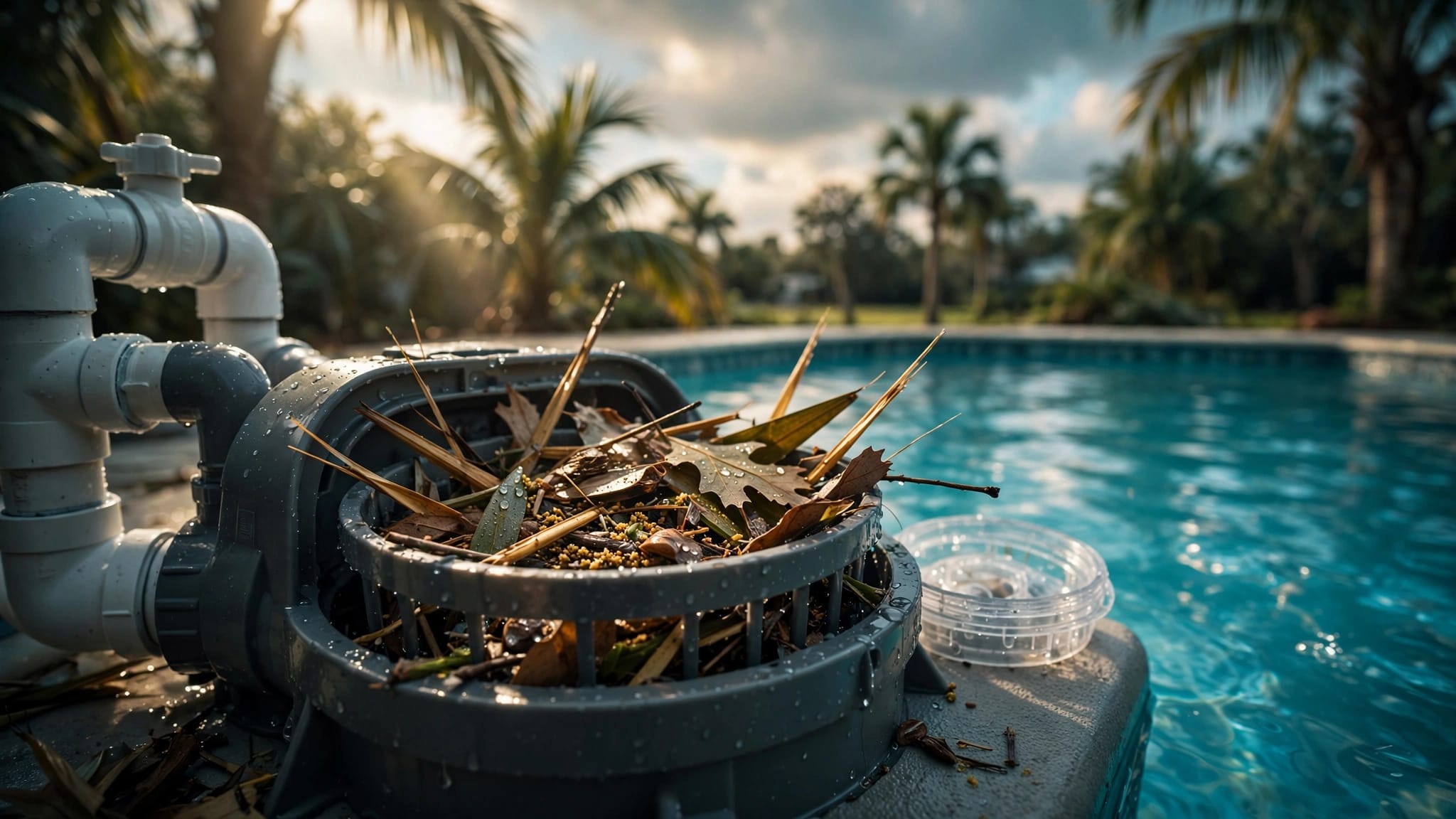
If you're planning a backyard pool, pool excavation soil can become one of the project's biggest practical details. A single pool hole may produce dozens of cubic yards of loose material, and that dirt needs a planned destination before digging begins.
Some soil stays on the property for grading or landscaping. The rest may go to a clean fill site, another construction project, or a disposal facility. The right choice depends on the soil type, available space, local drainage, truck access, and the terms in your pool contract.
The First Surprise: Pool Excavation Soil Takes Up More Room
A pool excavation doesn't create a neat pile that matches the size of the finished pool. The hole usually includes sloped walls, steps, benches, plumbing trenches, equipment areas, and extra working space around the shell. The excavation may also extend beyond the waterline to allow room for structure and installation.
For example, a simple 14-by-28-foot pool with an average excavation depth of 5 feet contains about 73 cubic yards of material before accounting for slopes, construction space, and steps. The final amount can be higher or lower, depending on the design and property.
Loose soil also takes up more space than compacted soil. Once an excavator breaks the ground apart, air fills the gaps between soil particles. This increase is called soil swell. The amount varies with sand, clay, shell, rock, and organic material, so contractors usually estimate removal by volume and truck capacity rather than relying only on the pool's water dimensions.
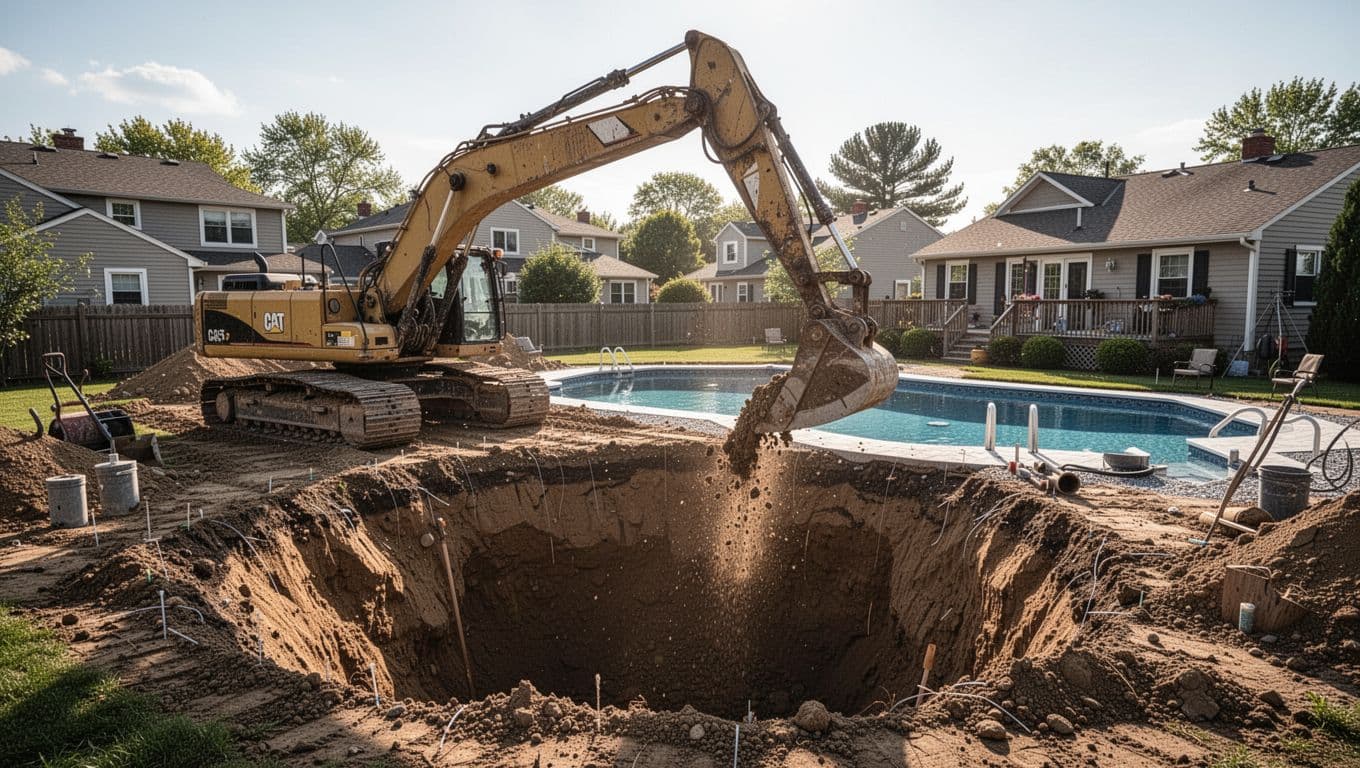
The excavation crew may place the material in temporary piles near the work area. However, those piles can affect driveways, landscaping, irrigation lines, fences, and neighboring properties. A removal plan helps keep the site safe and prevents the dirt from becoming an obstacle for the next construction phase.
A pool excavation pile is temporary, but its weight can damage grass, compact planting areas, and restrict access to the backyard.
Soil conditions can also change during digging. Crews may find clean sand in one area, shell or limestone in another, and organic or wet material lower down. Those materials may need different handling, especially when the excavated material isn't suitable for structural fill.
Where Does Pool Excavation Soil Go?
The destination usually falls into one of three categories: reuse on the property, hauling to another site, or disposal through a permitted facility. Your contractor or hauling provider should identify the likely option before excavation starts.
Reusing Clean Soil on the Same Property
Homeowners sometimes reuse part of the material to fill low areas, shape a gentle grade, create planting beds, or build a small landscape berm. This option can reduce hauling costs and limit the number of trucks entering the property.
Reuse only works when the lot has enough room and the material fits the planned grade. Soil can't be piled against a home, screen enclosure, retaining wall, fence, or pool structure without proper planning. It also shouldn't cover drainage features, utility access points, septic components, or irrigation equipment.
Cape Coral properties often depend on carefully planned surface drainage. Adding a large mound in the wrong location can redirect stormwater toward the house or a neighboring lot. Before keeping any excavated fill, confirm the proposed grade with the pool contractor and follow local requirements for drainage and setbacks.
Deep excavation material may also contain little organic matter. It can work for rough grading, but it may not be suitable for planting beds without screened topsoil or compost. Grass and ornamental plants need a different growing medium than the compacted fill used beneath a patio or deck.
Hauling Soil to a Clean Fill Site
When a property can't use all the material, the contractor may load it into dump trucks and transport it to a clean fill site. These sites accept soil that meets their requirements for composition and cleanliness. The material may later support grading, construction access, land shaping, or other approved fill work.
A clean fill destination doesn't mean every load is accepted automatically. Soil mixed with trash, concrete, asphalt, treated wood, roots, fuel, paint, or other debris may be rejected. The hauler may need to separate materials before transport, which can add labor and cost.
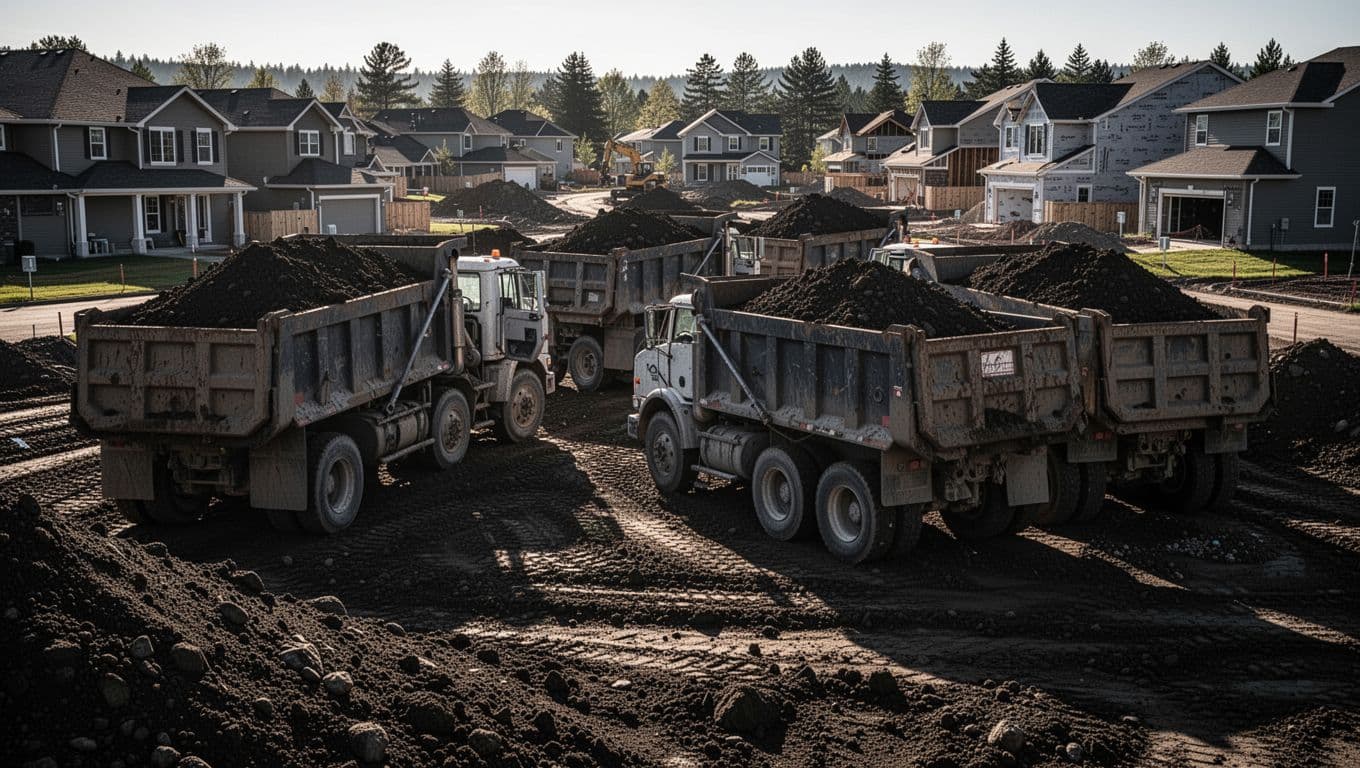
In some cases, suitable sand or screened soil may go to a landscaping or construction supplier. That depends on the material's quality and the receiving company's needs. Excavated subsoil usually isn't the same as bagged garden soil, so it shouldn't be described as reusable topsoil without testing or screening.
Separating Rock, Shell, Organic Material, and Debris
Different materials can appear in the same excavation. Clean sand may be useful for grading, while large rock or limestone may require separate loading. Roots and vegetation can interfere with compaction. Wet organic soil may settle over time and cause problems beneath a deck or patio.
If crews uncover construction debris or material with an unusual odor or appearance, they should stop and discuss it with the property owner and disposal provider. That material may require separate handling. Pool excavation soil that contains suspected contamination shouldn't be spread around the yard or placed under a new pool deck.
The contractor may not know the exact makeup of every load until the excavator reaches the lower layers. A clear contract should explain how unexpected material will be handled and who approves added disposal charges.
Why Soil Planning Matters on Cape Coral Properties
Pool excavation in Cape Coral requires attention to more than the hole itself. Many lots have limited side access, established landscaping, seawalls, fences, neighboring homes, or screen enclosures. A truck may not reach the excavation area, so the crew might need to move soil several times before loading it.
That extra handling takes time and can affect the project schedule. Narrow gates may need temporary removal. Pavers and concrete driveways may need protection. Wet ground can limit heavy equipment access and leave ruts that require repair.
Water management matters as well. Excavation can encounter groundwater, especially on properties near canals or areas with a high water table. Pumping and discharge must follow the contractor's site plan and applicable local rules. Water should never be sent toward a neighbor's home, public roadway, or storm system without proper approval.
The final grade also affects the pool deck and surrounding yard. If a crew removes too much material without planning replacement fill, the finished area may sit lower than intended. If the lot keeps too much dirt, the new deck may sit too high or interfere with drainage.
Back Bay Pools' pool installation questions and answers cover common project concerns, including pool decks, equipment, and installation options. Those details connect directly to soil planning because the pool, deck, drainage, and screen enclosure must work together as one site plan.
Who Pays for Soil Removal?
The answer depends on your written agreement. Some pool contractors include standard excavation and haul-away service in the project price. Others include a limited number of loads and charge extra if the design produces more material or if the soil requires special handling.
Before signing, ask how the estimate treats:
- Standard excavation and loading
- The expected number of truckloads
- Hauling distance and disposal fees
- Rock, shell, wet soil, or organic material
- Construction debris found below grade
- Temporary stockpiling on the property
- Repairs to lawns, driveways, gates, or irrigation
Truck access can influence the price as much as soil volume. A nearby clean fill site may keep transportation costs lower. A tight backyard that requires repeated movement, smaller equipment, or manual cleanup may require more labor.
Disposal pricing can change when a receiving facility rejects a load or charges different rates for mixed material. Ask whether the contractor handles that communication and how you'll approve unexpected costs. A written allowance is easier to understand than a vague statement that "excess dirt may cost more."
What Homeowners Should Decide Before Digging
Start by deciding whether you want any soil reused on the property. Walk the yard with the contractor and identify low areas, future planting beds, and locations where fill might make sense. Don't choose a spot based only on available space. The finished grade must protect drainage and allow maintenance access.
Next, discuss the truck route. Point out gates, overhead wires, mature trees, septic features, irrigation boxes, pavers, and areas that can't support heavy equipment. Photos and measurements can help the contractor plan access before excavation day.
Also ask where pool excavation soil will go if the site can't use it. The answer should include who loads it, who hauls it, where it goes, and whether the quoted price covers normal disposal. If the plan changes after digging begins, request the revised cost before approving additional work.
Finally, plan for what replaces the removed material. Pool construction may require suitable fill around parts of the deck, equipment pad, or yard. Clean fill, compacted in appropriate layers, provides a better base than loose soil pushed into a low area.
A Soil Plan Keeps Pool Construction on Track
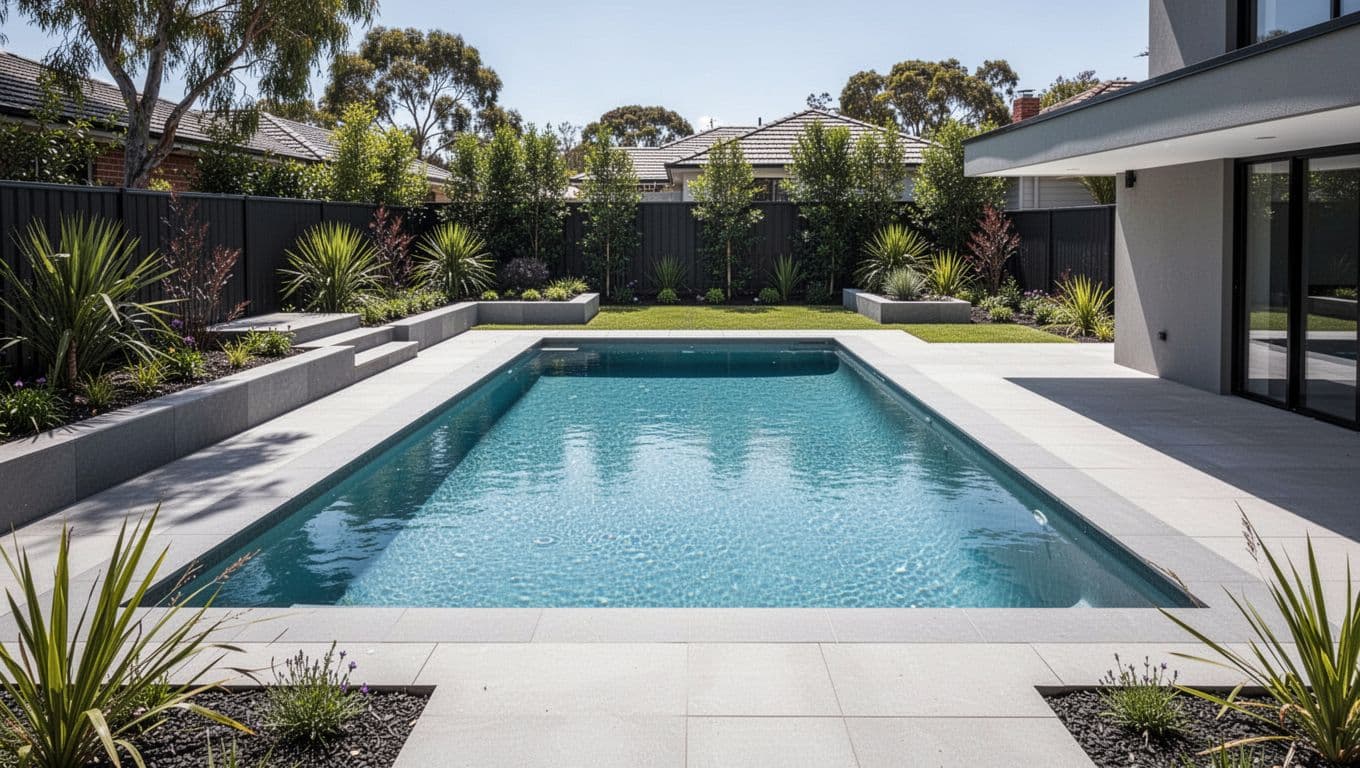
Excavated dirt doesn't disappear when the pool is dug. It may become useful grading material, travel to another construction site, or require separate disposal based on its condition. The outcome depends on the soil, the property layout, and the removal terms agreed upon before work begins.
A good plan also protects drainage, access, landscaping, and the future pool deck. If you're ready to discuss your lot, design, and excavation needs, Get a Free Estimate for an onsite consultation. Knowing where the pool excavation soil will go helps turn the first major construction step into a controlled part of the project.