Southwest Florida gives pool owners a good problem to have, plenty of sun, warm air, and a long swim season. The tougher question is how to stretch that comfort without wasting money.
In the solar pool heating vs heat pump choice, the best fit depends on your roof space, swim habits, and how steady you want the water temperature to be. What works for a Cape Coral home with strong roof exposure may feel less practical on a lot with trees, shade, or a complicated roofline.
How Southwest Florida changes the choice
Climate matters more here than it does in cooler states. Southwest Florida has long warm stretches, mild winters, and enough sun to make solar heating a real option for many homes. At the same time, the air stays warm enough for heat pumps to perform well for much of the year.
That is why this decision is different from a northern market. A solar system gets strong support from bright sun, while a heat pump benefits from warm, humid air. Both are helped by the region, just in different ways.
Your daily routine matters too. If you swim in the afternoon, on weekends, or during shoulder seasons, solar can fit your life well. If you want the pool ready for early-morning laps, after-sunset swims, or a steady temperature for kids and guests, a heat pump usually feels easier to live with.
Roof layout can tilt the decision as much as weather does. A screen enclosure does not stop a roof-mounted solar system from working, but heavy shade from trees or a roof broken into many small sections can reduce the available surface. A heat pump avoids that issue because it sits near the pool equipment and pulls warmth from the air instead.
In other words, Southwest Florida gives you two workable paths, but they solve different problems. Solar is about low operating cost. Heat pumps are about control.
Solar pool heating in Southwest Florida
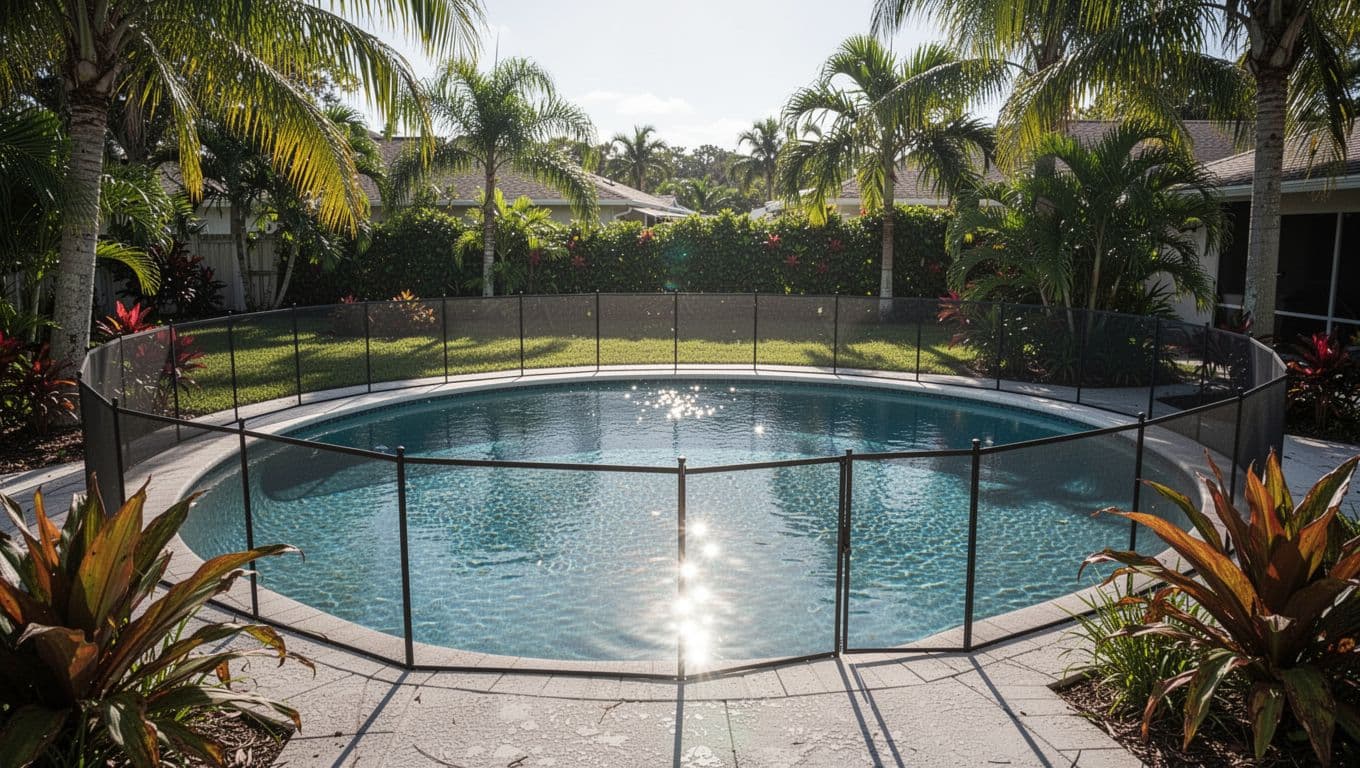
Solar pool heating uses roof-mounted collectors to warm water as it circulates through the system. The sun does the work, so once the system is in place, day-to-day operating costs stay low.
That makes solar appealing in Southwest Florida, where bright weather is common and pool season already runs long. If your goal is to extend the swim season without adding much to the monthly bill, solar deserves a close look. On a home with good roof exposure, it can add weeks or even months of useful swimming time.
There are tradeoffs. Solar output depends on sun, so cloudy stretches, rainy periods, and short winter days can reduce performance. Evening comfort can also be limited, since the panels heat water during the day and the pool cools after sunset.
Installation depends on more than the collector panels themselves. Roof type, plumbing route, and available surface area all matter. A simple roof with good sun exposure is easier to work with than a roof with multiple angles, heavy shade, or limited access.
Maintenance is usually light, which is part of the appeal. The system still needs inspection for leaks, valve issues, and wear at roof connections, but there are no compressors or refrigerant circuits to manage. That can make solar feel straightforward over the long run.
If you are comparing local pricing, the realistic 2026 heater costs article is a useful place to start before you settle on a quote.
Heat pumps in Southwest Florida
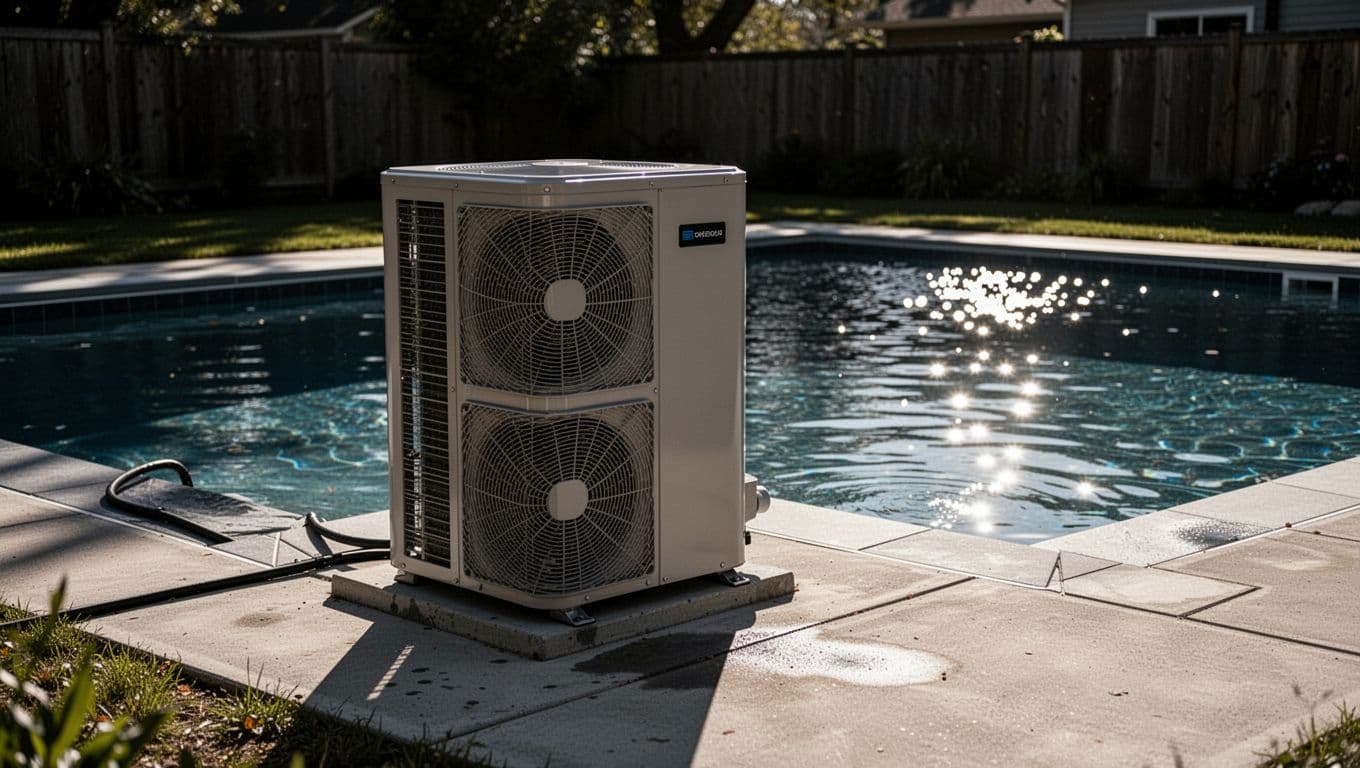
Heat pumps work differently. They pull heat from the surrounding air and transfer it into the pool water. In Southwest Florida, that matters because the air is warm for a large part of the year, which helps the unit run efficiently.
For homeowners who want a more consistent water temperature, that steady output is a major advantage. A heat pump can keep a pool comfortable through cooler evenings, mild winter spells, and long shoulder seasons without depending on a full day of bright sun. It is also a strong fit when you use the pool often and want it ready on your schedule.
There is a tradeoff, though. Heat pumps usually cost more to run than solar once the installation is done, even if they are still far more manageable than many people expect. They also heat more slowly than gas, so a last-minute warm-up for a spa or a weekend gathering is not their strongest use case.
Space requirements are simpler than solar. You do not need a large roof area, but you do need a proper equipment pad, enough airflow around the unit, and the electrical capacity to support it. That makes heat pumps easier to place on many homes with limited roof room.
If you are still comparing heater types beyond solar, the Cape Coral heat pump comparison gives a clear look at how heat pumps fit Florida conditions.
Solar pool heating vs heat pump: side-by-side
A quick side-by-side makes the tradeoffs easier to see.
| Factor | Solar pool heating | Heat pump |
|---|---|---|
| Upfront cost | Often moderate to high, depending on roof work and plumbing | Often moderate, tied to electrical needs and equipment size |
| Operating cost | Very low after installation | Low to moderate, uses electricity |
| Heating consistency | Depends on sun and roof exposure | Steadier, works day and night |
| Installation footprint | Needs roof area and a workable plumbing path | Needs pad space and clear airflow |
| Maintenance | Panels, valves, and roof connections | Fan, coil, and refrigerant service |
| Best fit | Homes with strong sun and daytime swim habits | Homes wanting reliable temperature control |
| Season extension | Strong during sunny stretches | Strong for longer, steadier use |
Solar usually wins on monthly operating cost. Heat pumps usually win on consistency. That simple split helps most homeowners narrow the decision fast.
Roof space, shade, and electrical capacity often decide the project before the price tag does.
If you are planning a new pool, resurfacing, or a larger renovation, heater choice should happen early. Plumbing routes, roof access, and electrical planning are much easier to handle before the rest of the work is finished. If you want an on-site look at your layout and options, Get a Free Estimate and compare what your home can support.
Which option fits your pool use best
The better choice comes down to how you use the pool.
Choose solar if your priority is lowest ongoing cost and your home has a roof with strong sun exposure. It works well for daytime swimmers, seasonal use, and homeowners who want to keep monthly expenses down after installation.
Choose a heat pump if you care most about steady water temperature and easier installation on the equipment side. It fits homes where the roof is shaded, the roof layout is complicated, or the pool gets used often enough that temperature control matters every week.
For many Southwest Florida homes, heat pumps end up being the more practical all-around option because they are less dependent on perfect roof conditions. Still, solar can be the smarter long-term value when the roof is a good match and the pool gets regular sun.
Conclusion
In Southwest Florida, both systems make sense, but they serve different owners. Solar pool heating gives you low operating costs and works best when your roof sees plenty of sun. Heat pumps give you better control, steadier water temperatures, and more flexibility when the weather shifts.
If you swim mostly in the daytime and want the cheapest energy use, solar may be the better fit. If you want a pool that feels ready more often, a heat pump usually makes life easier. The best choice is the one that matches your roof, your schedule, and how you actually use the pool.