Why does one pool heater quote in Cape Coral come in near $4,000 while another jumps past $8,000? The difference usually comes down to more than the heater itself.
For most homeowners, the real cost includes the unit, labor, electrical or gas work, plumbing changes, and how you plan to use the pool. If you're comparing pool heater cost Cape Coral estimates in 2026, these local ranges will help you read quotes with clearer eyes.
What pool heaters cost in Cape Coral right now
In Cape Coral, most pool heater projects fall into a wide but useful range. Florida's warm climate keeps some costs lower than cooler states, because heat pumps work well here. Still, the installed price changes fast when a yard needs upgrades.
Here are the most common 2026 local estimates:
| Heater type | Estimated installed cost | Best fit for | Typical monthly operating cost |
|---|---|---|---|
| Heat pump | $4,000 to $7,500 | Regular pool use, long swim season | $100 to $200 |
| Gas or propane heater | $1,500 to $6,000 | Fast heat, attached spas, occasional use | $300 to $600 |
| Solar pool heating | $3,500 to $7,500 | Homes with good roof space and lots of sun | Low after install |
| Electric resistance heater | $1,000 to $6,000 | Small or limited-use setups | Often high, around $500 |
These are estimated local ranges , not fixed prices. A larger unit, premium brand, or site upgrade can push the final number higher.
The lowest quote often leaves out the pad, wiring, gas-line work, or plumbing changes.
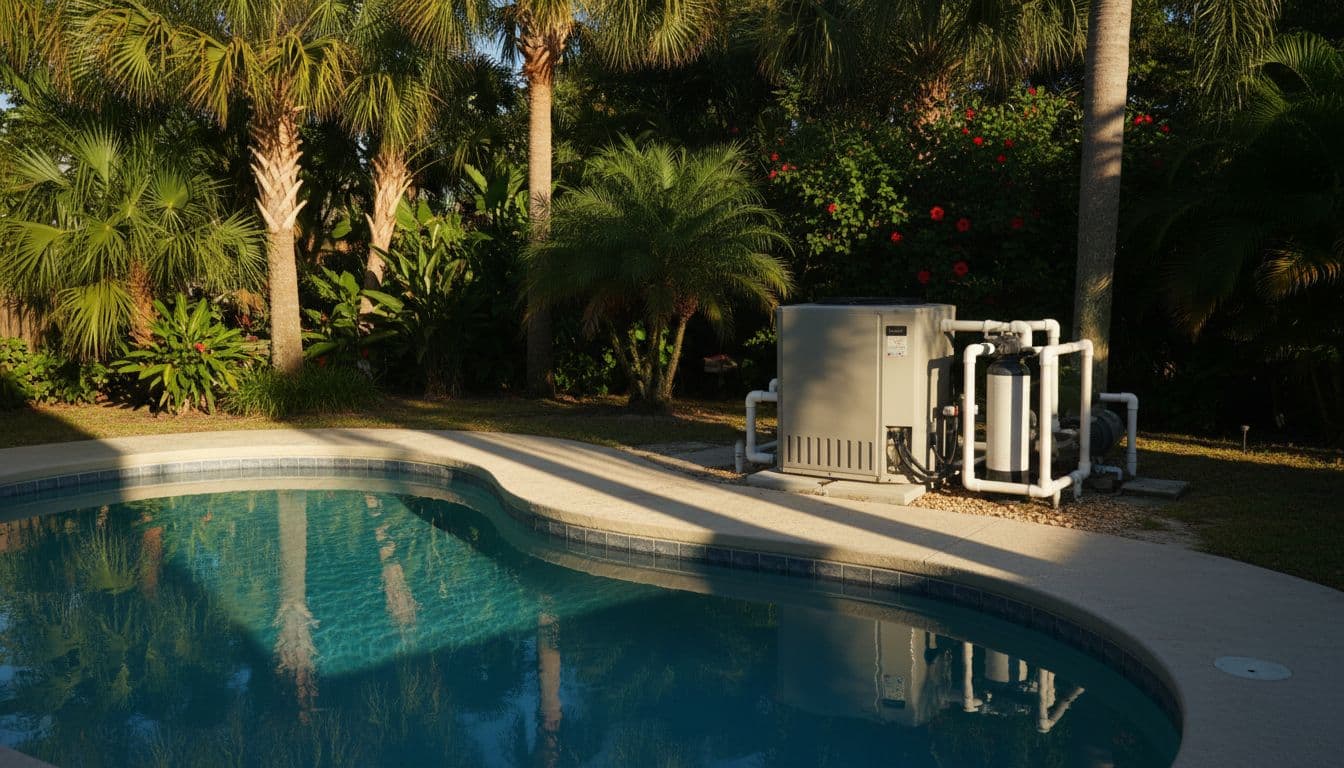
Cape Coral homeowners usually pick heat pumps most often, and for good reason. They cost more upfront than some gas setups, but they tend to cost less to run month after month. If you want to keep the pool comfortable through cooler mornings, winter afternoons, and shoulder season evenings, a heat pump often gives the best balance.
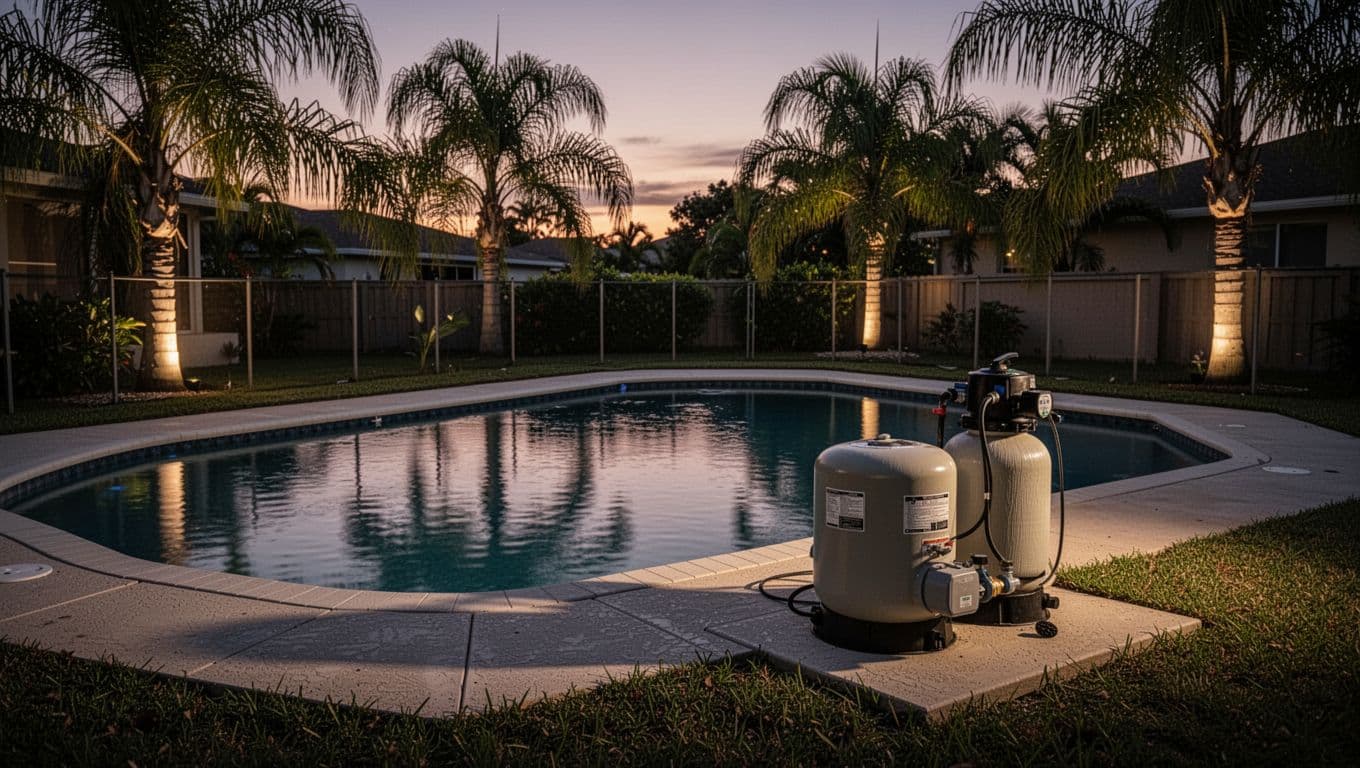
Gas heaters still have a place. They warm water much faster, which matters if you use the pool only now and then or want a spa hot in a hurry. The catch is the utility bill. A lower install price can turn into a higher total cost after a season or two.
Why heat pumps are so common in Cape Coral
Cape Coral isn't dealing with long freezes. That changes the math. A heat pump pulls warmth from the air, and Southwest Florida gives it plenty to work with for much of the year.
That makes heat pumps a practical choice for homeowners who swim often. They don't heat as fast as gas, usually taking a day or two to raise the water noticeably. Still, they hold temperature well and usually cost less to operate over time.
Usage patterns matter as much as the heater type. If you keep the pool at 86 degrees all winter, costs rise. If you heat only for weekends, or keep the set point lower, bills stay more manageable. Wind exposure, night temperatures, and whether you use a cover also affect monthly cost.
This is why "cheapest heater" can be the wrong goal. A gas heater may cost less to install, but more to own. A heat pump may cost more on day one, yet fit a Cape Coral pool better if you swim often.
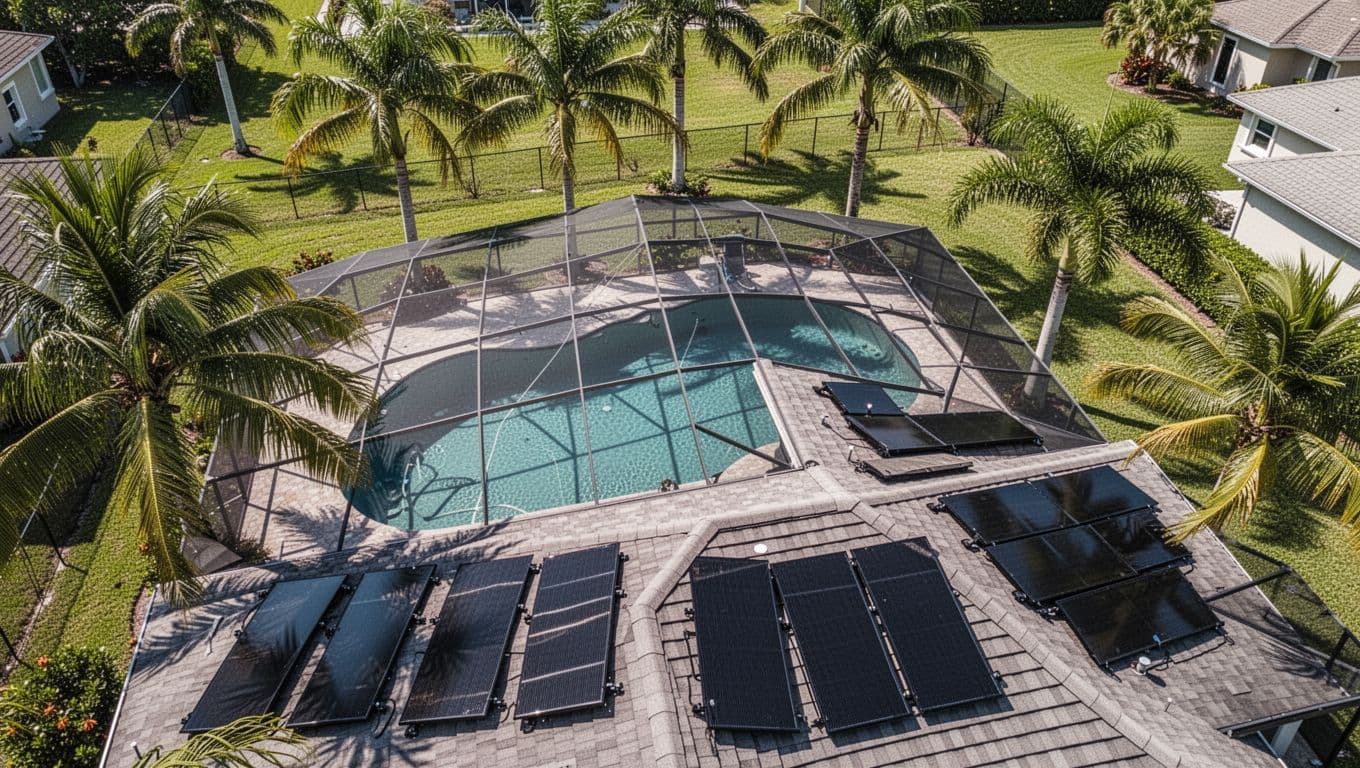
Solar can also make sense here, especially on homes with strong roof exposure. But roof layout, panel space, and plumbing path matter. Solar usually looks best on paper when the home is already a good fit.
What changes the final pool heater price
The heater itself is only one piece of the bill. Several details can move the number up or down.
First, pool size matters. A small plunge pool costs less to heat than a large family pool. If you have an attached spa, the heater may need more output so it can heat faster. In simple terms, more water means a larger unit, and larger units cost more.
Next comes your target swim season. Some homeowners only want to take the edge off in winter. Others want warm water nearly all year. A longer season usually means a bigger heater or higher monthly operating cost.
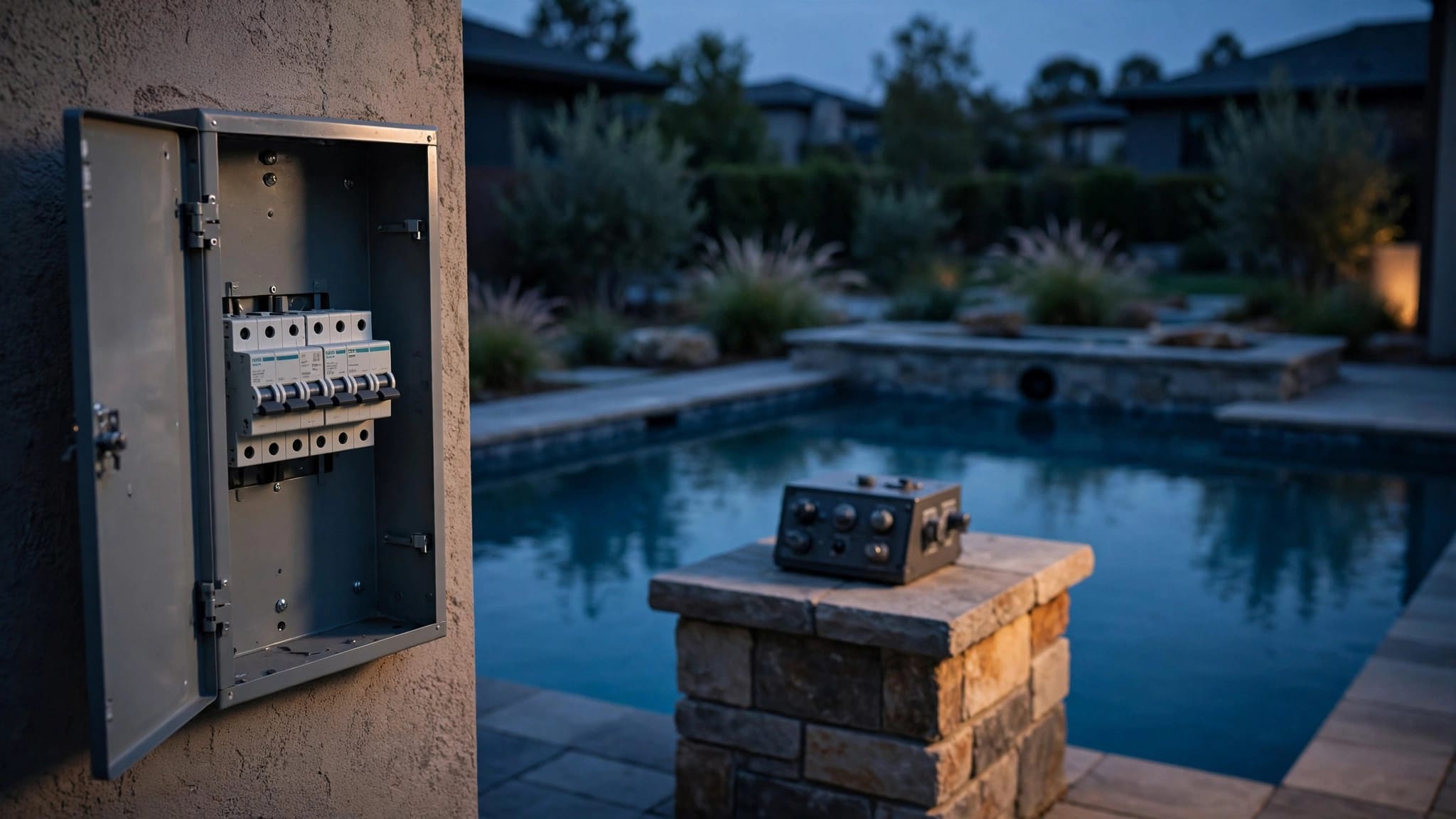
Energy source availability is another big factor. If your home already has natural gas in the right area, a gas heater may be easier to add. If not, gas-line work or propane storage can change the price fast. Heat pumps need solid electrical capacity, so panel upgrades or new circuits can also add real cost.
Installation conditions matter, too. The unit may need a concrete pad. Plumbing may need rerouting. Older equipment pads can be cramped, uneven, or poorly placed. Those site issues don't sound dramatic, but they show up on the quote.
Efficiency rating also affects price. A better-rated heat pump usually costs more upfront, but it may save money later if you use the pool often.
If you're already planning pool renovations and resurfacing in Cape Coral, adding a heater during the same project can make sense. Access is easier, and the equipment area is already part of the plan.
When you need a real quote, not a rough estimate
Online ranges are helpful, but they can't see your yard. That's the gap. A realistic quote depends on your pool's gallons, equipment layout, service panel, gas access, and how warm you want the water.
A homeowner with a modest screened pool and existing electrical capacity may land near the low end. A larger pool with a spa, older pad, and needed upgrades may sit much higher. Both quotes can be fair.
If you want a number you can trust, the best next step is an onsite review. Get a Free Estimate and compare the full installed cost, not only the heater price.
Cape Coral homeowners usually get the best long-term value from a heat pump, especially for steady use in Florida's climate. Still, the right answer depends on your pool, your habits, and the setup already in place.
The smartest way to judge pool heater cost is simple: look at install cost, monthly cost, and how often you'll swim. That gives you a much clearer picture than the sticker price alone.