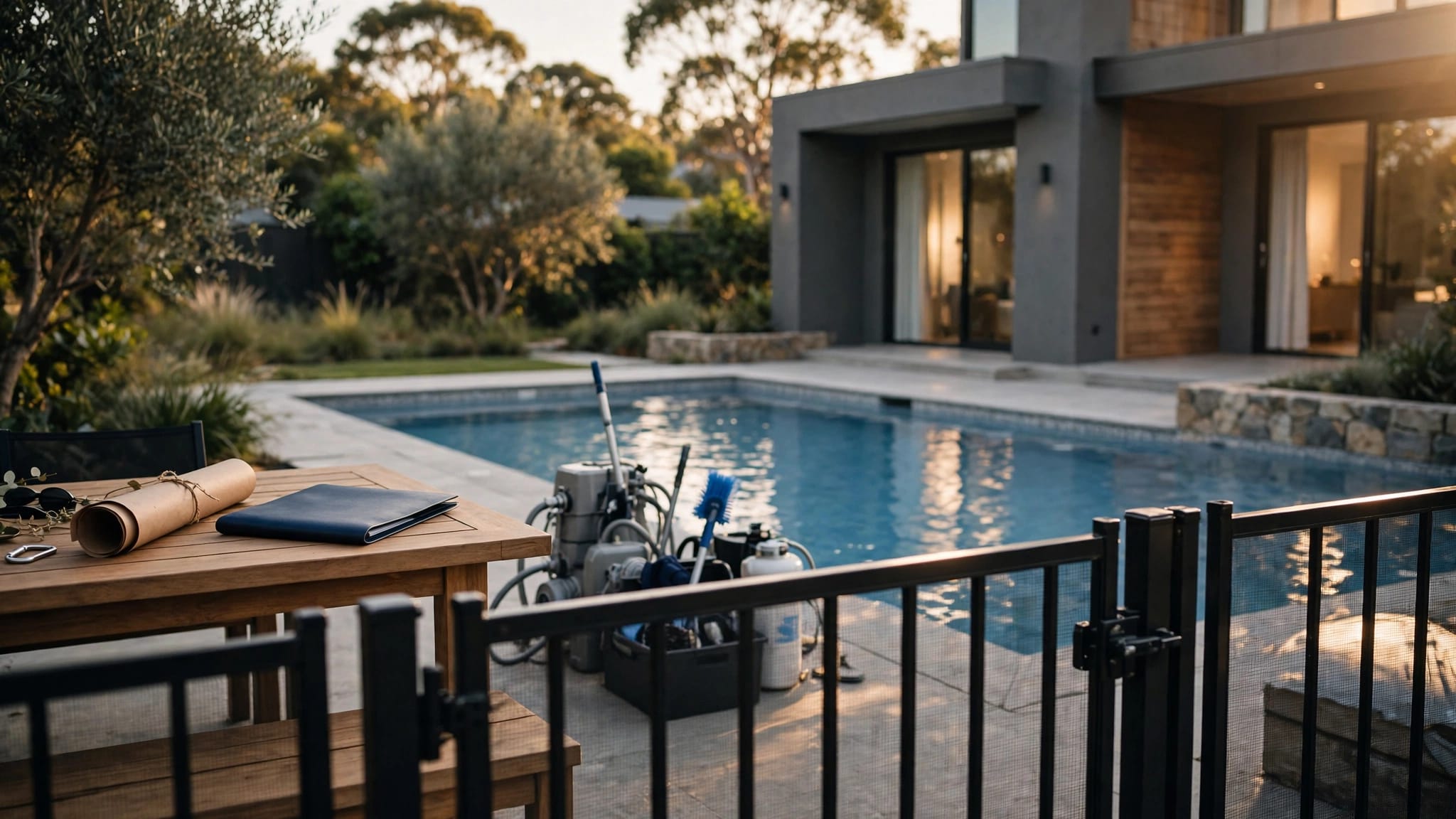
A pool proposal can look polished and still leave out the details that matter most.
When you're comparing a pool proposal in Cape Coral
, the total price only helps if the scope is clear. The better bid shows what is included, what is excluded, and what could change later.
Cape Coral homeowners also deal with lot size, access, permits, and finish choices that can shift the price fast. Read the paperwork carefully now, and you'll avoid a lot of guesswork later.
Start with the scope, because that's where the real comparison begins.
Start with the scope, not the bottom line
A fair proposal tells you what the builder is actually building. That means pool size, depth, shape, finish, deck square footage, equipment, and any enclosure work. If you are looking at a brand-new build, a clear new pool construction process should break the job into phases, not hide everything under one price.
For a renovation, the scope should name what stays and what changes. Resurfacing, tile replacement, coping, deck repair, plumbing updates, and screen rescreening are not the same job. If two proposals describe different work, the cheaper one may simply be smaller.
If you can't picture the project from the proposal alone, ask for a clearer scope before you sign.
Common line items in a Cape Coral pool proposal
The line items below show up in many Cape Coral bids, although the wording may change from one builder to another.
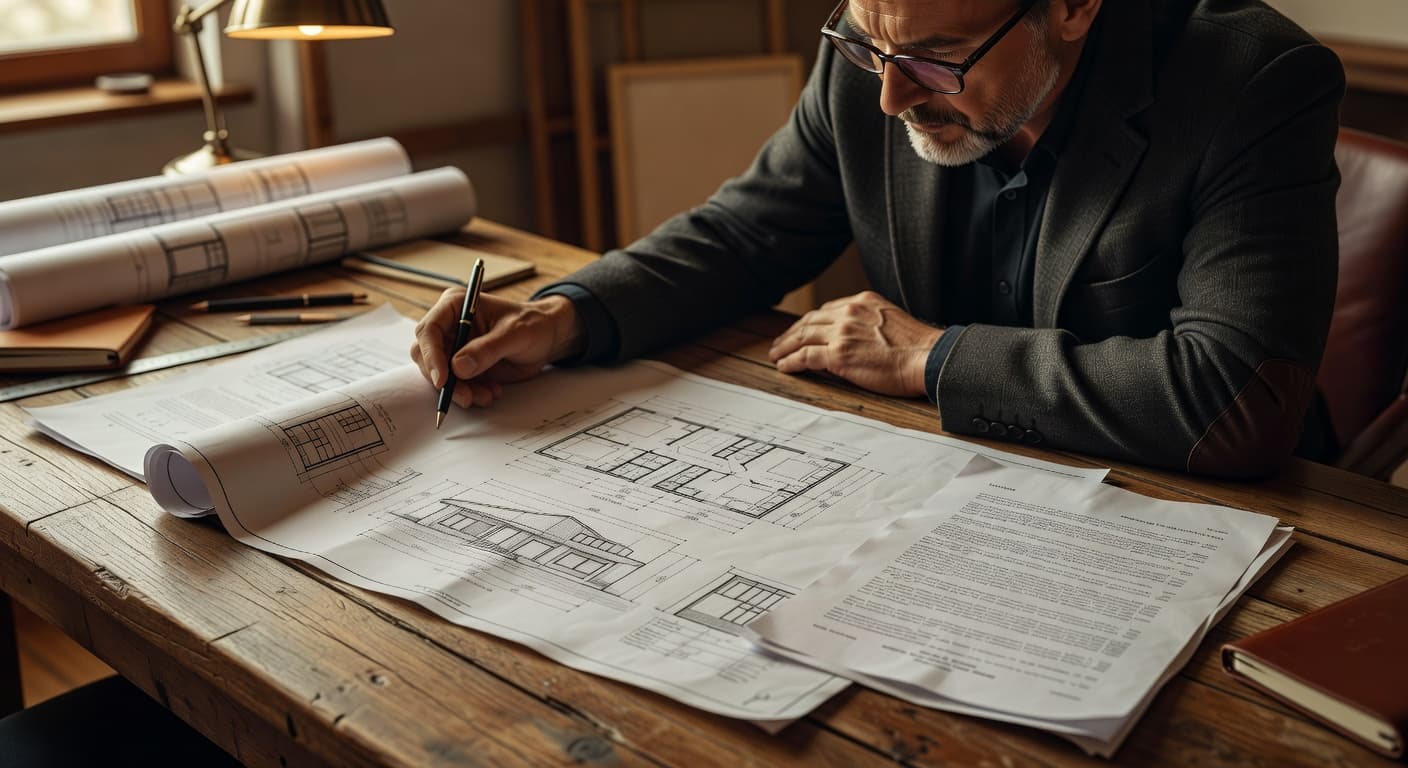
| Line item | What it usually covers | What to confirm |
|---|---|---|
| Excavation and haul-off | Digging the pool and removing soil | Check access, disposal, and any extra hauling fees |
| Shell construction | Steel, concrete, or shell work that forms the pool | Confirm materials, thickness, and structural coverage |
| Plumbing and electrical | Pipes, drains, lights, and power to equipment | Ask for exact brands, counts, and circuit details |
| Tile, coping, and finish | Waterline tile, edge trim, and interior surface | Verify colors, upgrade options, and finish type |
| Decking | Concrete or pavers around the pool | Check square footage and surface finish |
| Equipment | Pump, filter, heater, cleaner, automation | Ask for model numbers, not generic labels |
| Permits and inspections | Paperwork and required checks | Find out who pulls permits and pays the fees |
| Screen enclosure or rescreen | Frame, mesh, doors, or repair work | Confirm mesh type, height, and damage coverage |
| Start-up and cleanup | Filling, balancing water, and site cleanup | Make sure training and debris removal are included |
A good proposal uses plain language, not vague labels. If a line says "standard equipment" or "builder choice," ask what that means in real terms. Small differences in equipment, finish, or deck size can change the final number a lot.
Missing details that often turn into extra charges
The biggest surprises usually come from what a proposal leaves out. Some builders price the main work but skip the smaller items that still cost real money. Others use allowances, which are placeholder amounts for items you have not selected yet.
An allowance is a placeholder amount, not a locked price.
Watch for missing items like these:
- Yard restoration after excavation
- Electrical panel upgrades or new circuits
- Gas line runs for heaters or fire features
- Fence changes needed for code or access
- Water fill, utility deposits, or city fees
- Higher-end tile, coping, or lighting upgrades
If the bid includes a $1,500 allowance for tile and you choose a $2,200 tile, you pay the difference. The same idea applies to decking, fixtures, and enclosure mesh. Also watch for "owner supplied" language. That means you may be buying the item and still paying for installation.
Cape Coral lots can also add cost through tight access, side-yard limits, or equipment placement. A proposal that ignores those conditions is not giving you the full picture. If the yard is tricky, ask the builder to spell out the impact in writing.
How to compare two bids without guessing
A side-by-side read of the paperwork belongs with evaluating pool builders in Cape Coral, because experience and communication matter as much as price. When two bids look different, compare the same facts first.
- Match the scope. Make sure both proposals cover the same pool size, depth, finish, decking, and enclosure work.
- Match the materials. Check equipment brands, tile choices, coping, and interior surface type.
- Match the exclusions. One builder may include cleanup, while another leaves it out.
- Match the warranty. Read the coverage length and what parts it protects.
- Match the schedule. Compare payment timing, start dates, and completion assumptions.
A lower price is not a better price if it skips decking, cleanup, or permit work. Ask both builders to rewrite the proposal in the same format if the wording is hard to compare. That makes the differences clear fast.
If one quote includes a heater and the other does not, you do not have a real comparison yet. The same problem shows up with renovation bids, especially when one builder includes resurfacing prep and another leaves it out. Compare the whole job, not just the headline number.
Questions to ask before you sign
Before you sign, ask for the missing details in writing. If you're still gathering measurements and photos, preparing for a pool estimate helps you ask better questions and spot gaps early.
Here are the questions that matter most:
- What exactly is included in this price?
- Which brands and model numbers are included for equipment?
- Which permits, inspections, and engineering are covered?
- What can trigger a change order?
- What work is excluded from the proposal?
- What is the payment schedule, and what milestone triggers each payment?
A builder should answer each question in plain English. If the answers stay vague, the proposal is not ready. Clear paperwork protects both sides and makes the project easier to follow once work begins.
If your bid still feels thin after those questions, Get a Free Estimate and review the scope on site before you decide.
Conclusion
A good pool proposal in Cape Coral should read like a map, not a mystery. The scope, line items, exclusions, and allowances should all make sense before you agree to anything.
When two bids match on paper, you can compare them fairly and choose with confidence. The clearest proposal is often the safest one, because it tells you what you're buying before the first shovel hits the ground.