Florida pools face intense sun, heavy rain, falling leaves, insects, and long periods of warm weather. An automatic pool cover can reduce some of that daily work while helping protect the water when nobody is swimming.
However, the cover needs to match the pool's shape, deck, equipment, and safety requirements. It also won't replace supervision, routine maintenance, a screen enclosure, or a properly designed pool barrier. Before choosing a system, homeowners should understand where automatic covers help and where their limits matter.
Key Takeaways
- Automatic covers can reduce evaporation, debris, chemical demand, and heat loss.
- They work best when planned with the pool design, deck, drainage, and electrical system.
- A safety-rated cover is not a substitute for supervision or other required barriers.
- Florida weather, salt air, pool shape, and hurricane conditions can affect performance.
- Local code and product requirements vary, so confirm specifications with a qualified installer.
How Automatic Pool Covers Work on Florida Pools
An automatic pool cover uses a motor, tracks, and a flexible cover that rolls across the pool at the push of a switch or turn of a key. When open, the cover rolls into a housing at one end of the pool. That housing may sit above the deck, below the deck, or inside a concealed vault built into the pool structure.
The system needs a clear path across the water. Rectangular pools usually offer the simplest installation because the cover can travel in straight tracks. Freeform pools, curved ends, tanning ledges, raised spas, attached water features, and beach entries may require a custom layout. Some designs may not accept a full automatic cover without changes to the pool or surrounding deck.
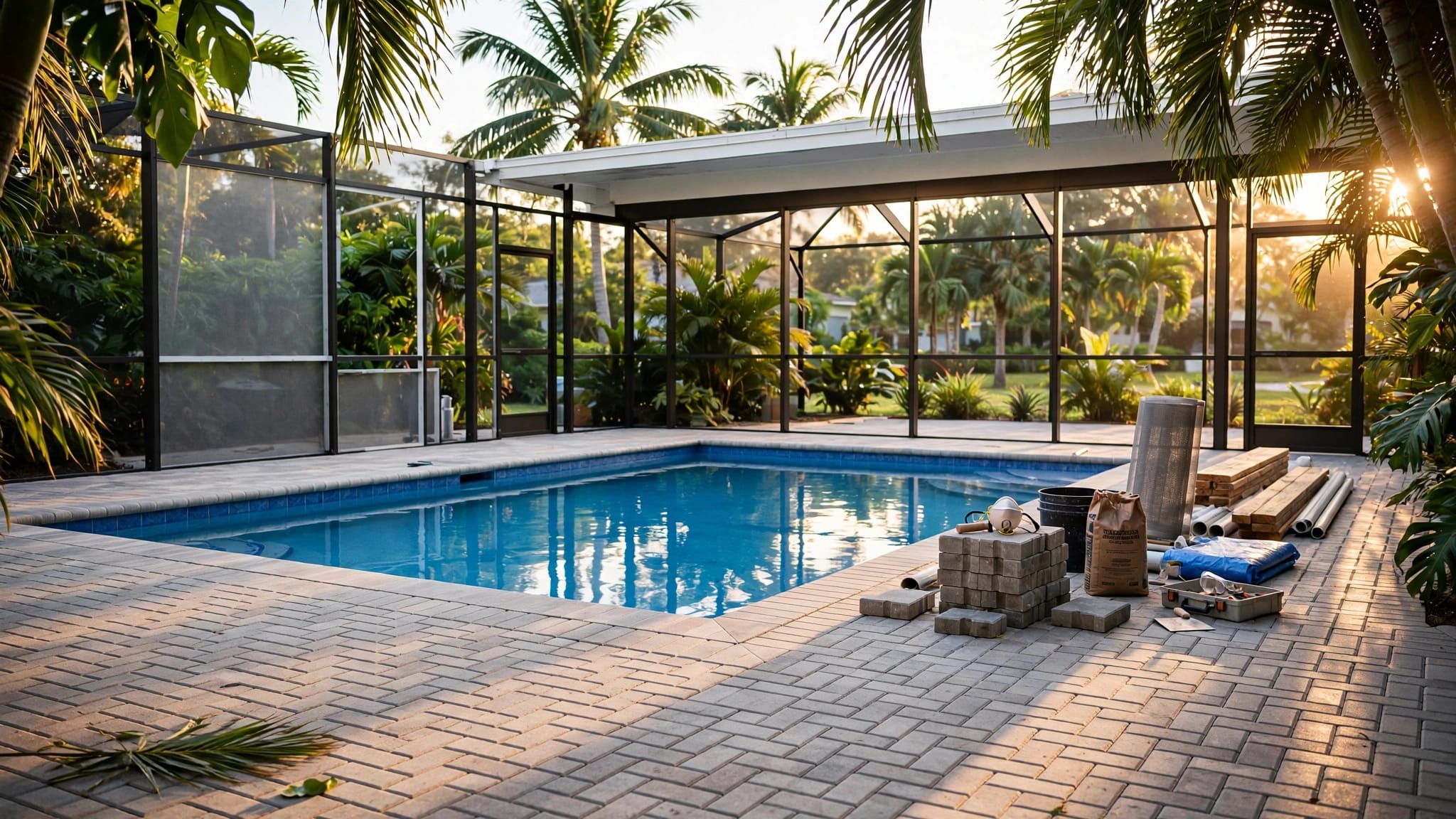
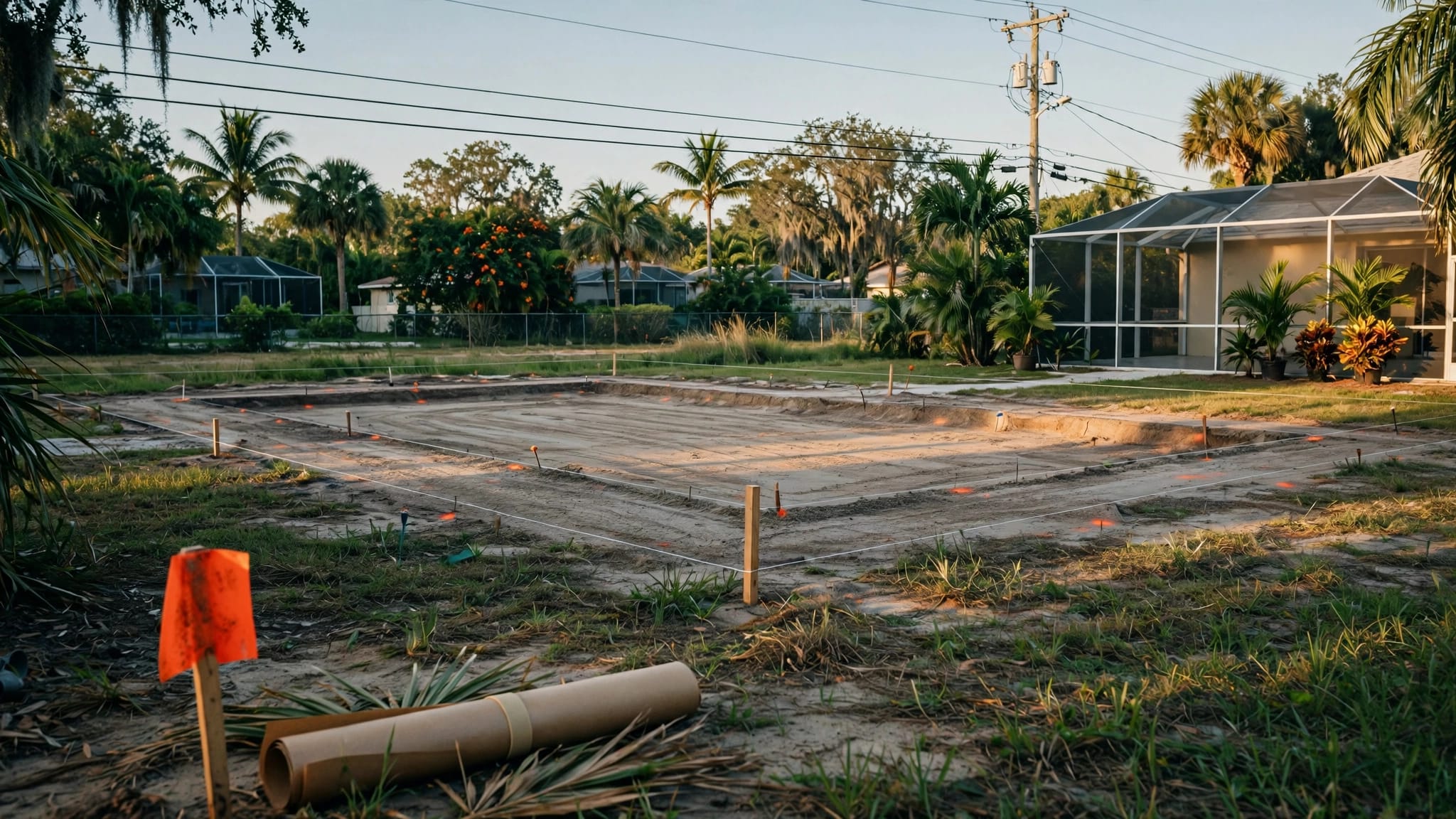
New pool construction gives the installer more options. The cover vault, track channels, drainage, electrical connection, and deck finish can be coordinated before the concrete and surrounding surfaces are complete. This approach often produces a cleaner appearance than adding those components later.
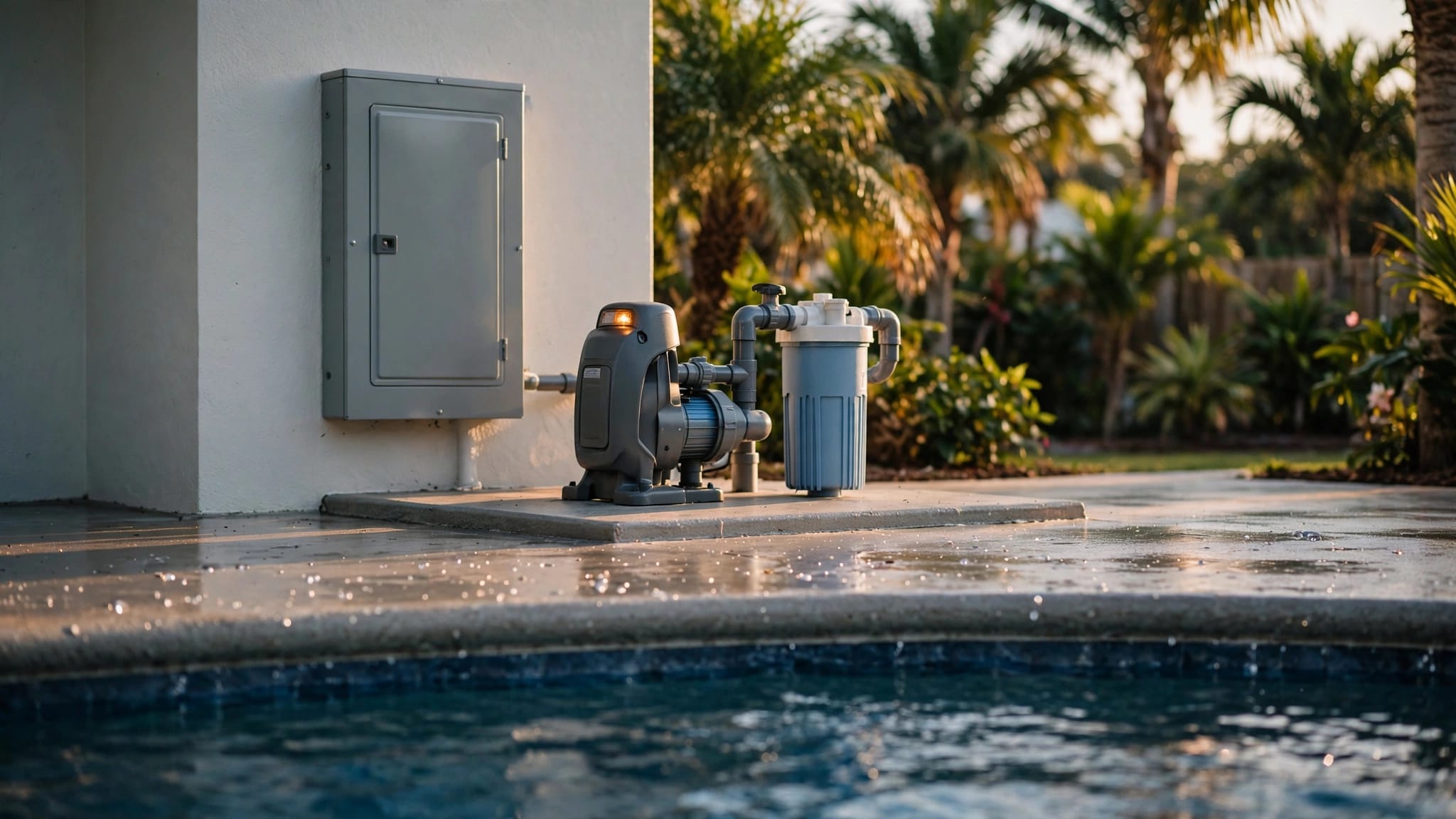
A retrofit can still work, but the project may involve cutting or removing sections of deck, adding tracks, creating a vault, adjusting coping, and routing power to the motor. The existing pool must also have enough room around the waterline for the system to operate correctly. A site inspection is necessary before anyone promises a particular cover style.
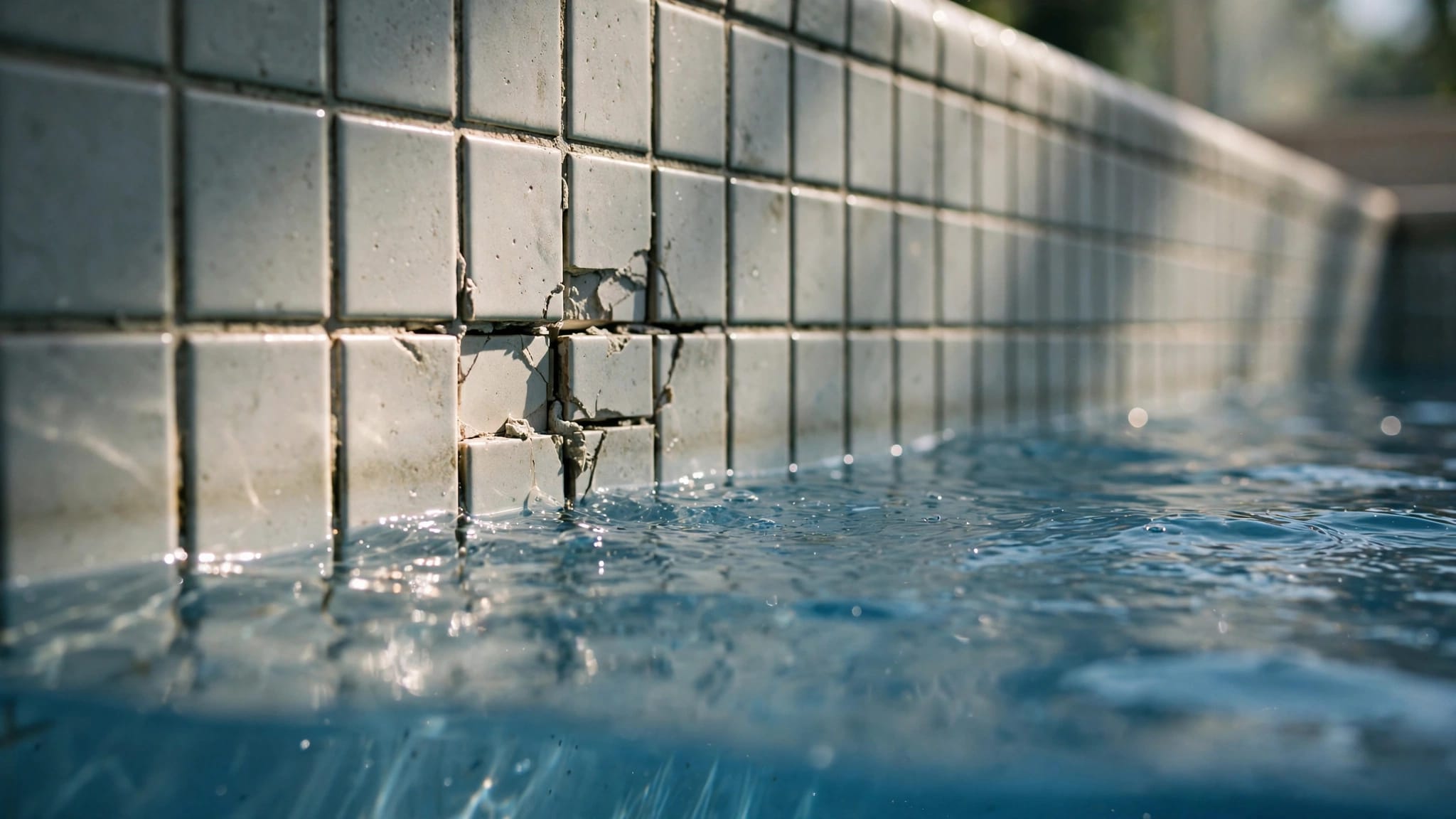
Florida homeowners should also consider the pool's environment. Saltwater systems, coastal air, standing water, and strong sunlight can affect hardware and cover materials. Ask about corrosion-resistant components, cleaning requirements, warranty terms, and replacement parts before signing a contract.
Benefits of an Automatic Pool Cover
The most noticeable benefit is less evaporation. Florida's heat and sun can remove a large amount of water from an uncovered pool, especially during dry, windy periods. A closed cover reduces the water surface exposed to the air, so homeowners may add water less often.
Less evaporation can also reduce the amount of chemicals that leave with the water. The cover won't eliminate chlorine use or balance problems, but it can help limit the daily exchange between treated pool water and the surrounding air. Lower water loss may also reduce the frequency of small refill-related changes in water chemistry.
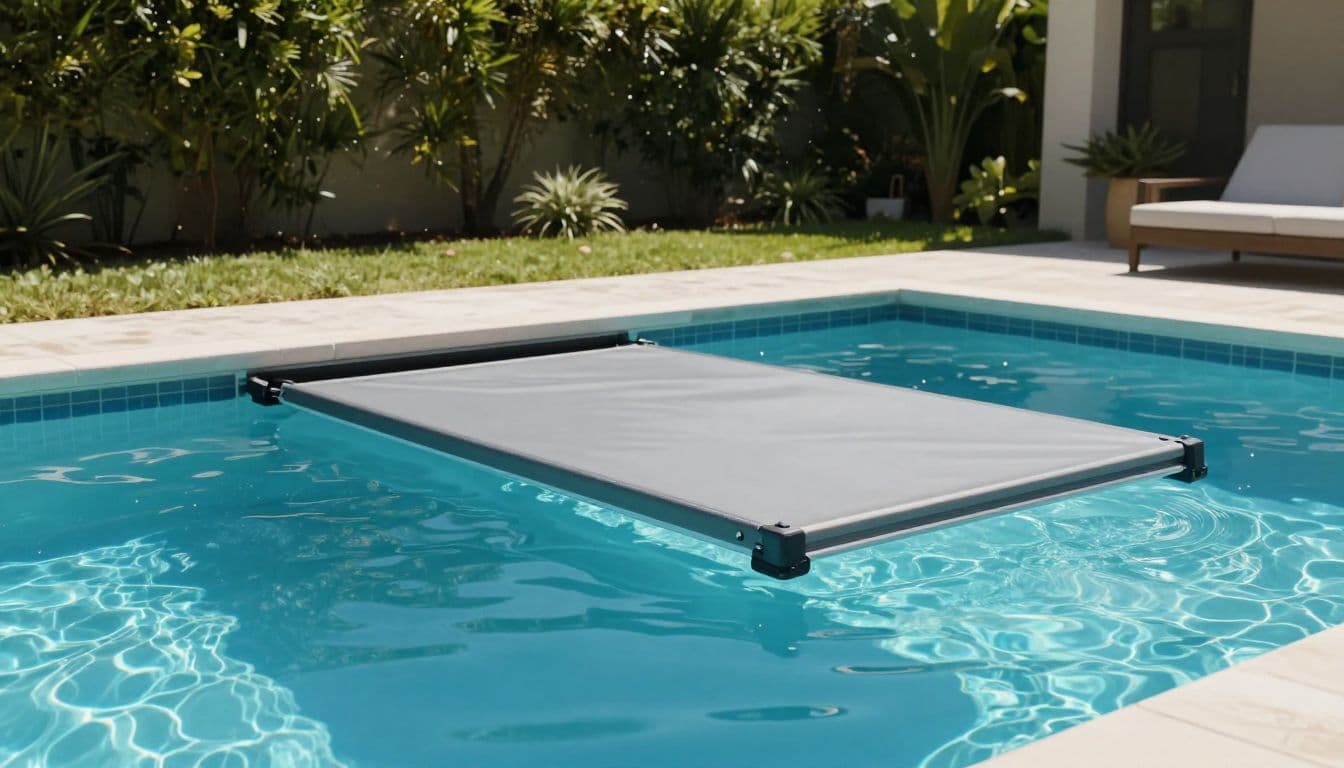
A closed cover keeps many leaves, insects, and airborne particles out of the water. That means less skimming and less debris reaching the filter. In a screened pool area, the cover adds another layer of protection, especially when wind pushes leaves under the enclosure.
Automatic covers can also reduce heat loss. Evaporation carries heat away from pool water, so limiting evaporation may help the pool hold its temperature longer. This can matter when you use a pool heater or want comfortable water during cooler Florida months. The actual savings depend on the cover, water temperature, weather, heater type, and how often the pool remains closed.
Convenience is another practical advantage. A manual cover can be difficult for one person to handle, particularly on a large pool. An automatic system opens and closes with much less physical effort. Because the cover is easier to use, homeowners may be more likely to close it after swimming.
The cover can also protect the pool finish and interior from constant sunlight. That protection doesn't remove the need for water testing, brushing, cleaning, or equipment service. Still, it may reduce the pool's exposure during the hours when it isn't being used.
A pool cover works best when homeowners use it consistently. An expensive system left open most days can't provide its full water-saving or debris-control value.
The Limits and Safety Concerns to Understand
Automatic pool covers have important limits in Florida. First, they aren't a guaranteed answer for every pool shape. A cover needs a stable track system and a reasonably clear water surface. Large curves, irregular corners, raised features, spillways, and attached spas can complicate the design or leave portions of the pool uncovered.
Second, an automatic cover is not the same as a general-purpose tarp. A product marketed as a safety cover should meet the manufacturer's stated safety standard and installation requirements. Many safety pool covers are tested to ASTM F1346, but homeowners should confirm the exact product certification and conditions rather than relying on the word "safety" in an advertisement.
Even an approved safety cover requires correct use. The cover must close fully, lock or secure as designed, and remain in good condition. A torn cover, damaged track, failed motor, or loose attachment can reduce protection. Children and pets should never be allowed onto a closed cover, and adults shouldn't walk across it unless the manufacturer expressly permits that use.
A cover also doesn't replace active supervision. Keep gates, alarms, and other required barriers in place when applicable. Florida pool safety rules and local building requirements can vary based on the property, pool design, and barrier arrangement. Confirm the complete safety plan with the installer and local permitting authority.
Weather creates another concern. Automatic pool covers aren't hurricane shields, and they aren't designed to protect the pool from every storm impact. High winds, flying branches, heavy rain, and large debris can damage the cover, tracks, motor, or surrounding structure. Ask what the manufacturer recommends before a tropical storm or hurricane, including whether the cover should remain open, closed, secured, or removed.
Rainwater can also collect on top of a closed cover. Some systems handle limited water through the cover design and drainage equipment, but that doesn't mean the cover can hold unlimited stormwater. A cover pump may be needed, and the pool deck must direct water away from the equipment and home.
Finally, the cover won't keep every contaminant out. Dust, pollen, insects, and rain can still reach the water around gaps or when the cover is open. Pool chemistry and circulation still require regular attention.
Choosing the Right System for a Florida Pool
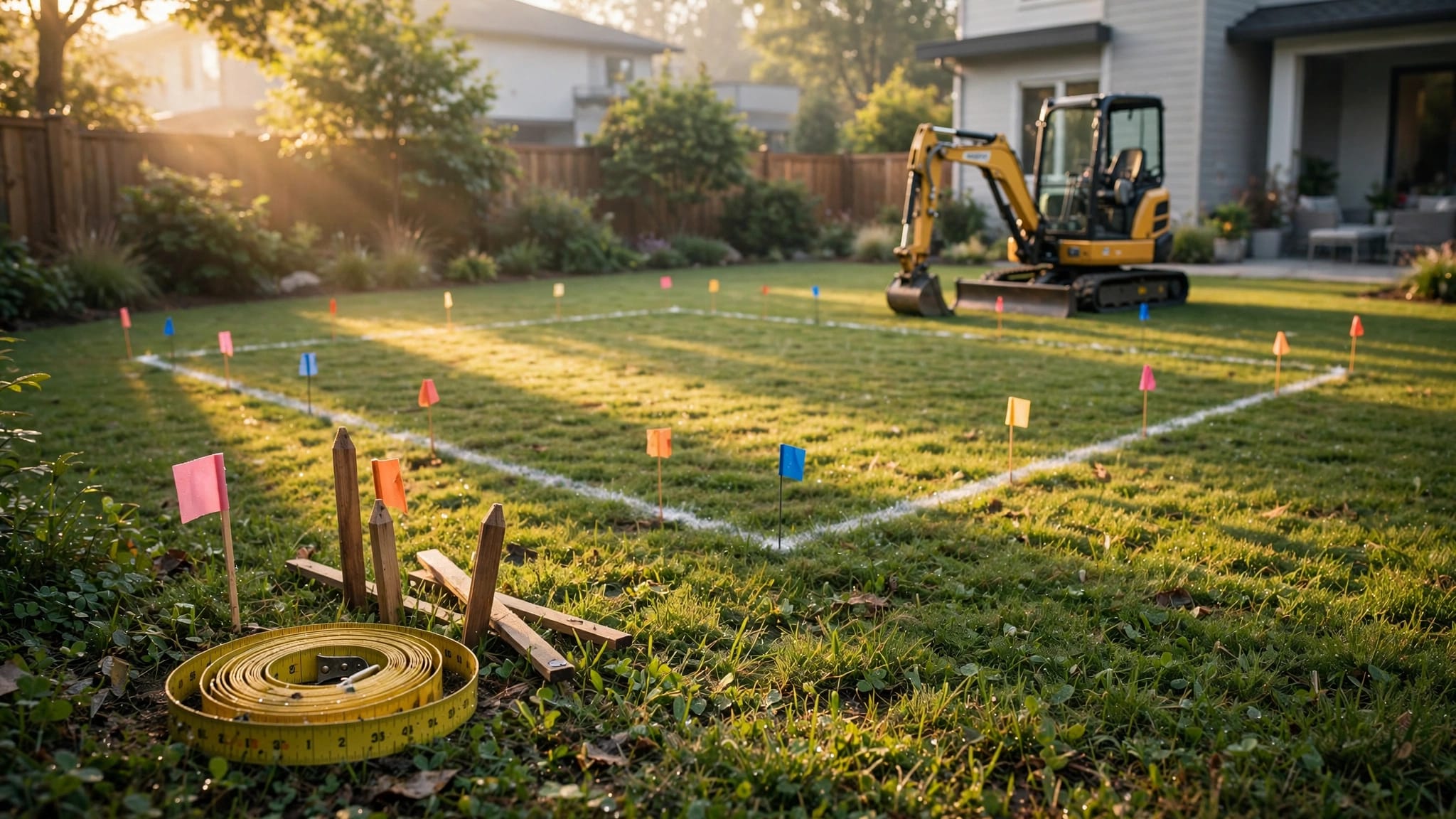
Start with the pool design, not the cover color. For a new pool, discuss the cover before finalizing the shape, raised bond beam, tanning ledge, spa placement, and deck layout. A small design change may create a better track path and a more discreet vault.
For an existing pool, have the installer measure the waterline, coping, deck, equipment location, and available space at both ends. Ask how the system will affect the deck appearance and whether technicians can reach the motor and cover roll for service. A hidden vault looks attractive, but it needs access for repairs and drainage.
The cover material matters as well. Compare the product's durability, UV resistance, color options, warranty, cleaning instructions, and replacement process. In coastal areas, ask which metal components resist salt-air corrosion and how often the manufacturer recommends inspecting them.
A qualified installer should explain the system's operation before completion. Learn how to stop the cover if an object enters the track, what to do if the motor stops, how to remove standing water, and when to call for service. Keep the operating key or control out of children's reach.
Pool owners should also compare an automatic cover with other forms of protection. A screen enclosure helps keep insects and larger debris away from the pool while creating a more comfortable outdoor area. If your existing cage has torn mesh or damaged panels, Cape Coral pool screen enclosure installation may address a different problem than an automatic cover.
For homeowners planning a full backyard update, custom pool screen enclosures and rescreening can complement an automatic cover. The enclosure manages the space above and around the pool, while the cover protects the water surface when the pool is closed.
Installation, Maintenance, and Long-Term Costs
The purchase price is only one part of an automatic cover project. New construction may require a cover vault, added structural work, electrical service, track installation, drainage, and special deck finishes. Retrofit work can cost more when crews must remove concrete or modify existing coping.
Ask for a written scope that identifies the cover, motor, controls, vault, tracks, electrical work, permits, deck repairs, and cleanup. The quote should also explain what happens if the existing pool needs changes before installation.
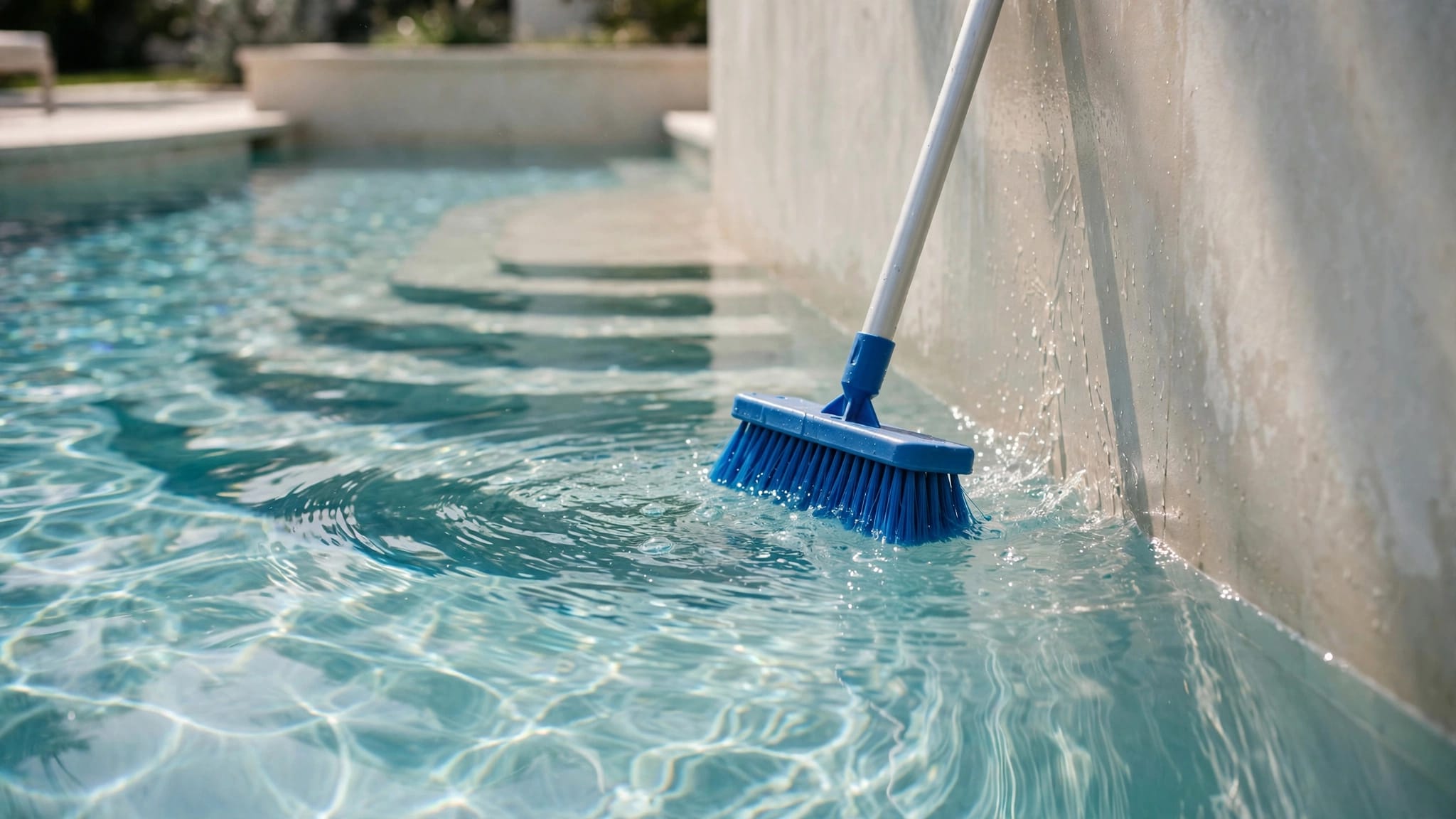
Maintenance remains part of ownership. Keep the cover clean according to the manufacturer's instructions, remove leaves before they accumulate, and inspect the fabric, seams, tracks, guide components, and control system. Don't force the cover when it binds. A small track problem can become a larger repair if the motor keeps pulling against it.
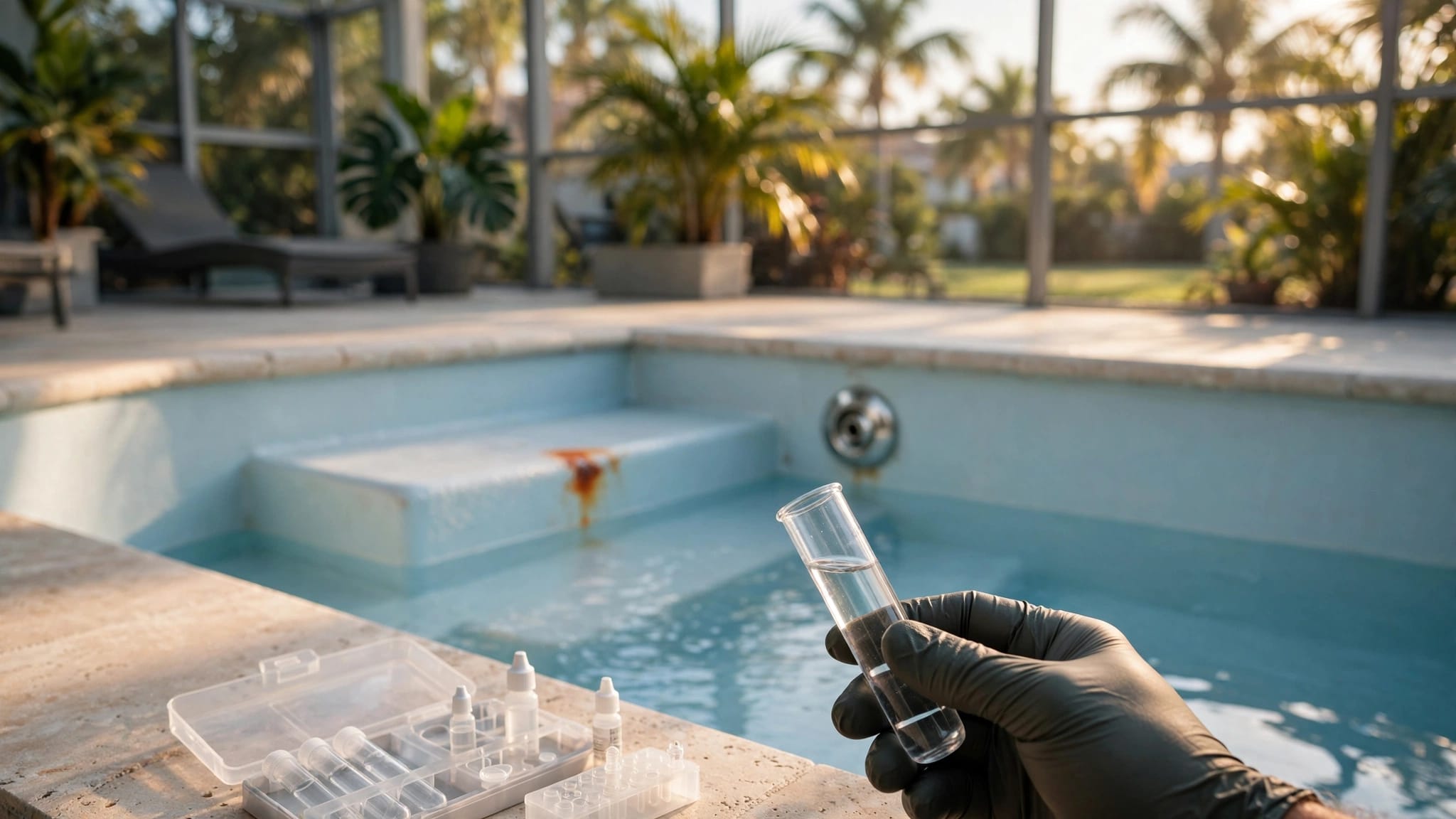
Pool chemistry matters too. Unbalanced water, excessive sanitizer levels, and poor circulation can affect the cover and equipment. Follow the product instructions for how long the cover can remain closed and whether the system needs ventilation or periodic opening.
When comparing estimates, ask about service response, replacement cover availability, motor warranties, and labor coverage. A local company familiar with Cape Coral and Southwest Florida conditions may also help coordinate the cover with a renovation, new pool build, or screen enclosure project. You can Get a Free Estimate to discuss how an automatic cover could fit your property.
Conclusion
Automatic pool covers can make Florida pool ownership easier by reducing evaporation, debris, and some heat loss. They also offer convenient daily operation, especially for larger pools or homeowners who don't want to handle a manual cover.
Still, the system has limits. Pool shape, storm conditions, maintenance, safety barriers, and local requirements all affect whether it fits your project. The right choice starts with a site-specific design review and clear guidance from a qualified pool-cover installer, so the cover supports your pool without creating unrealistic expectations.