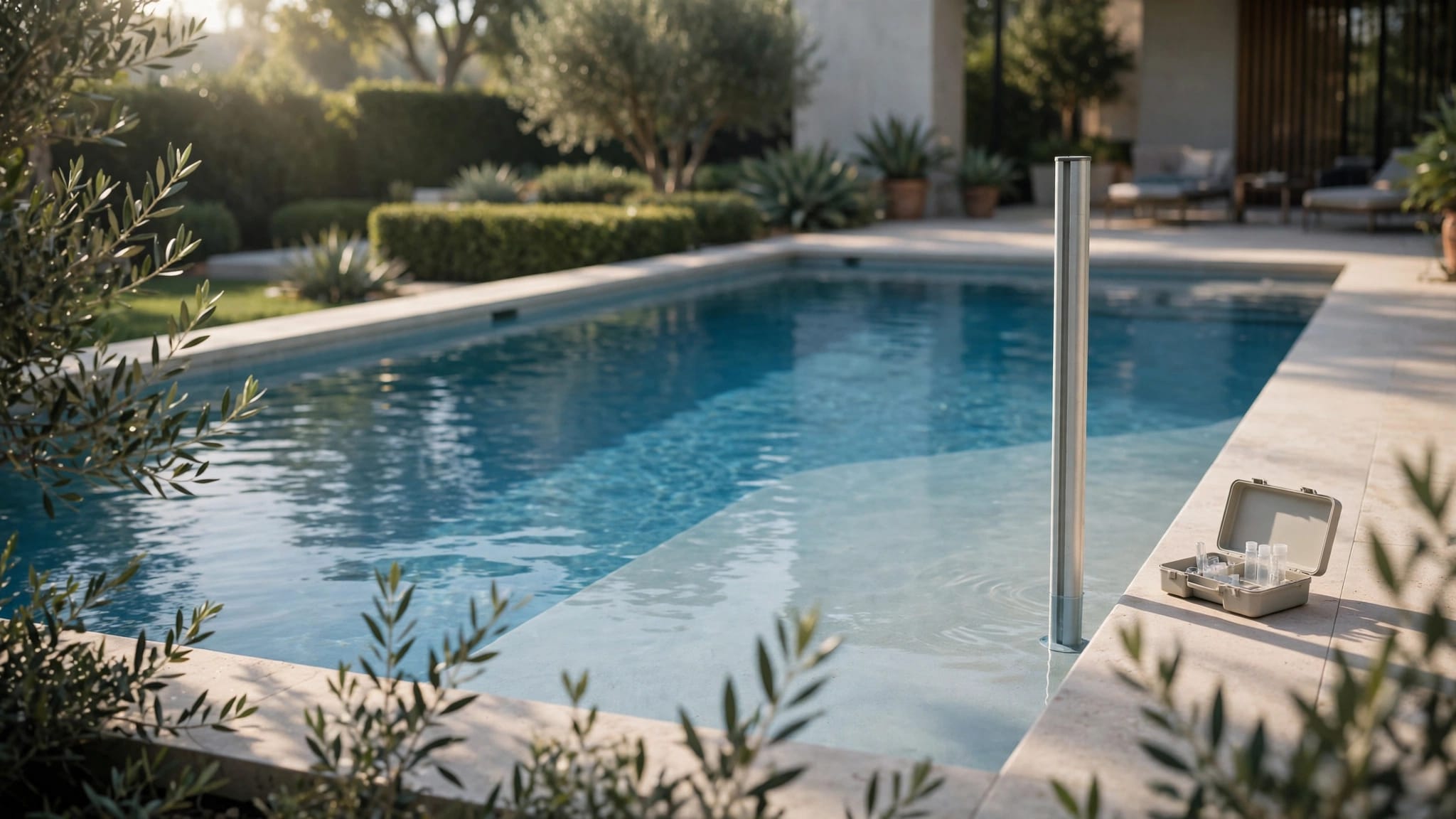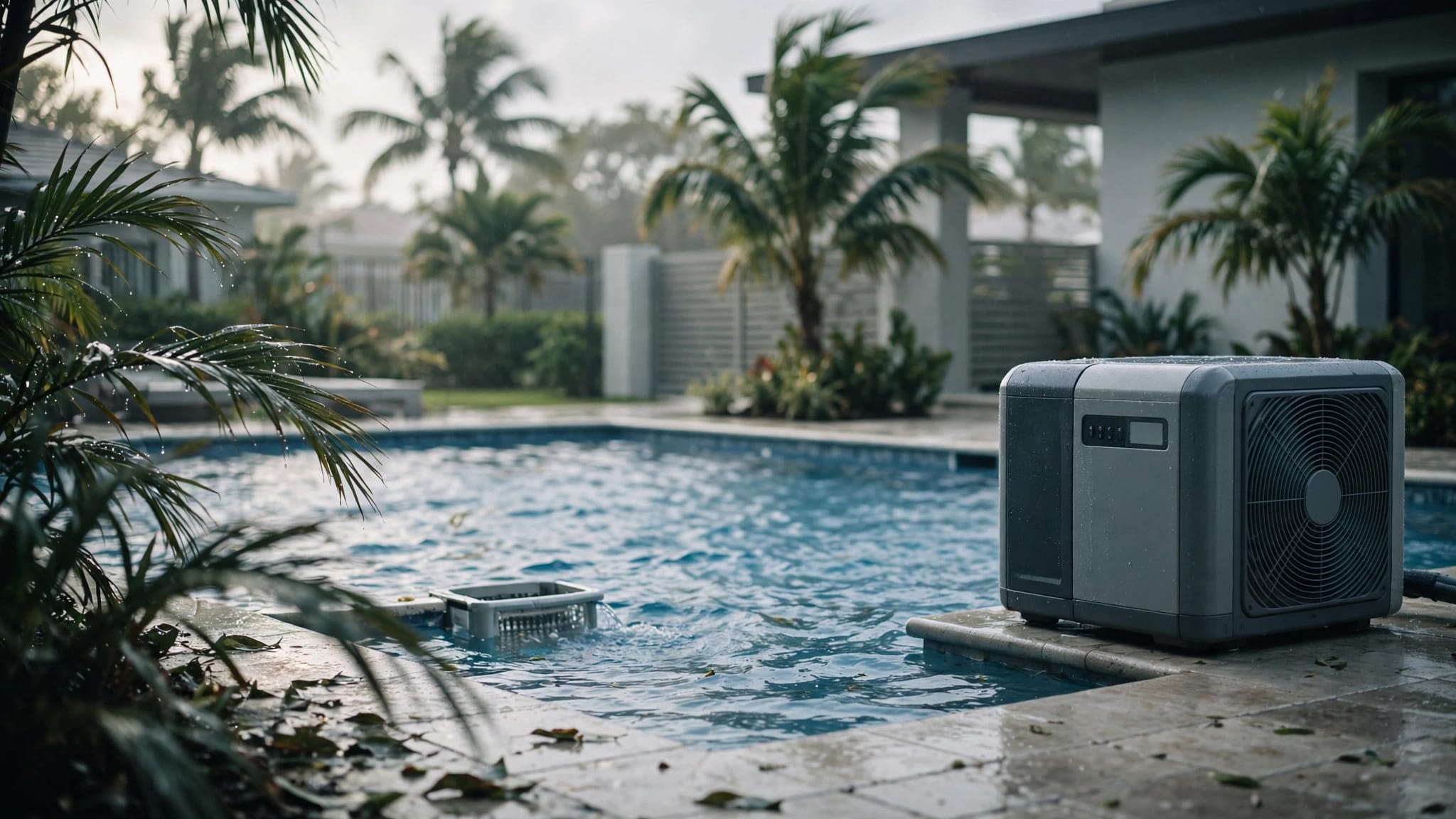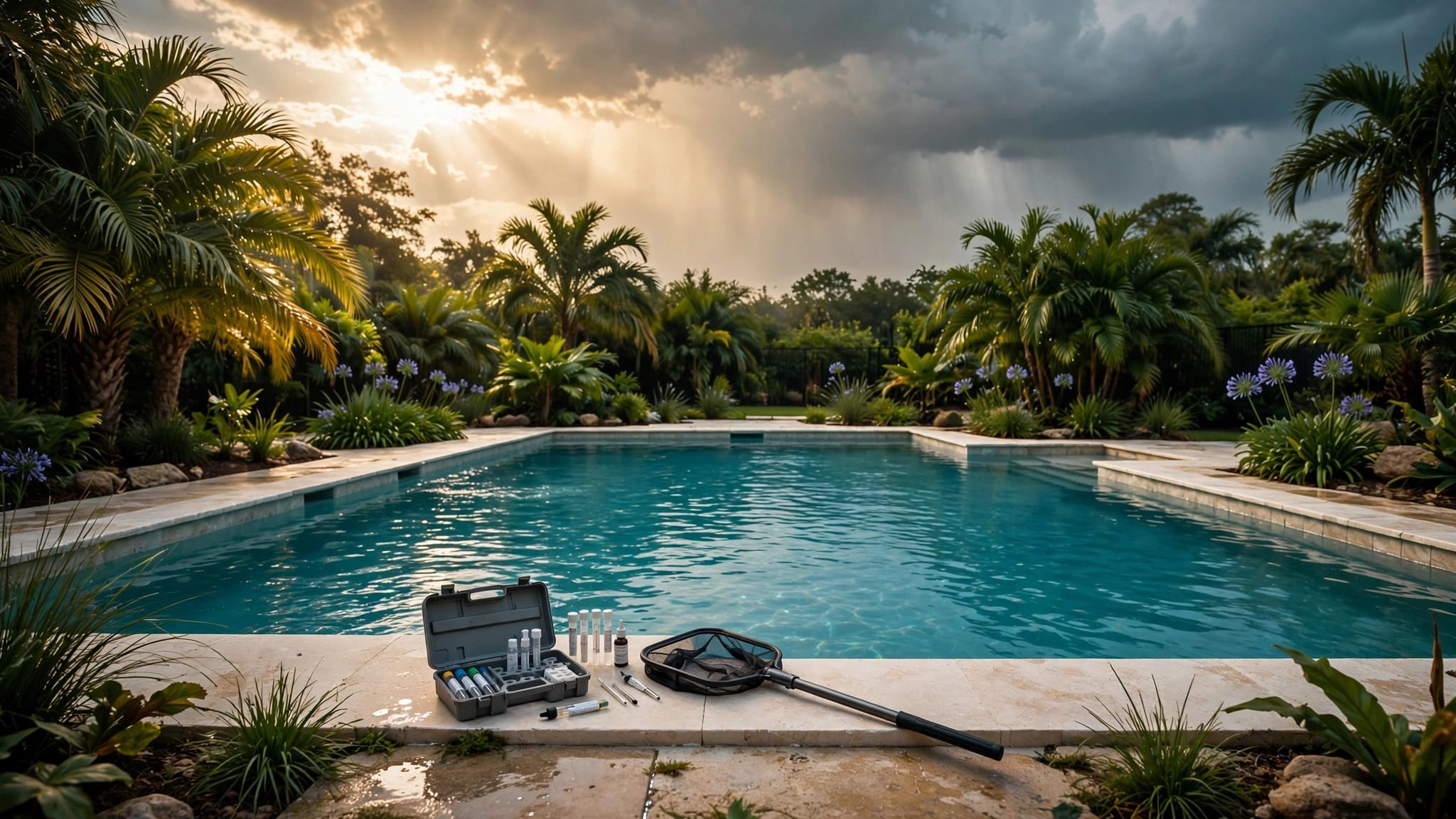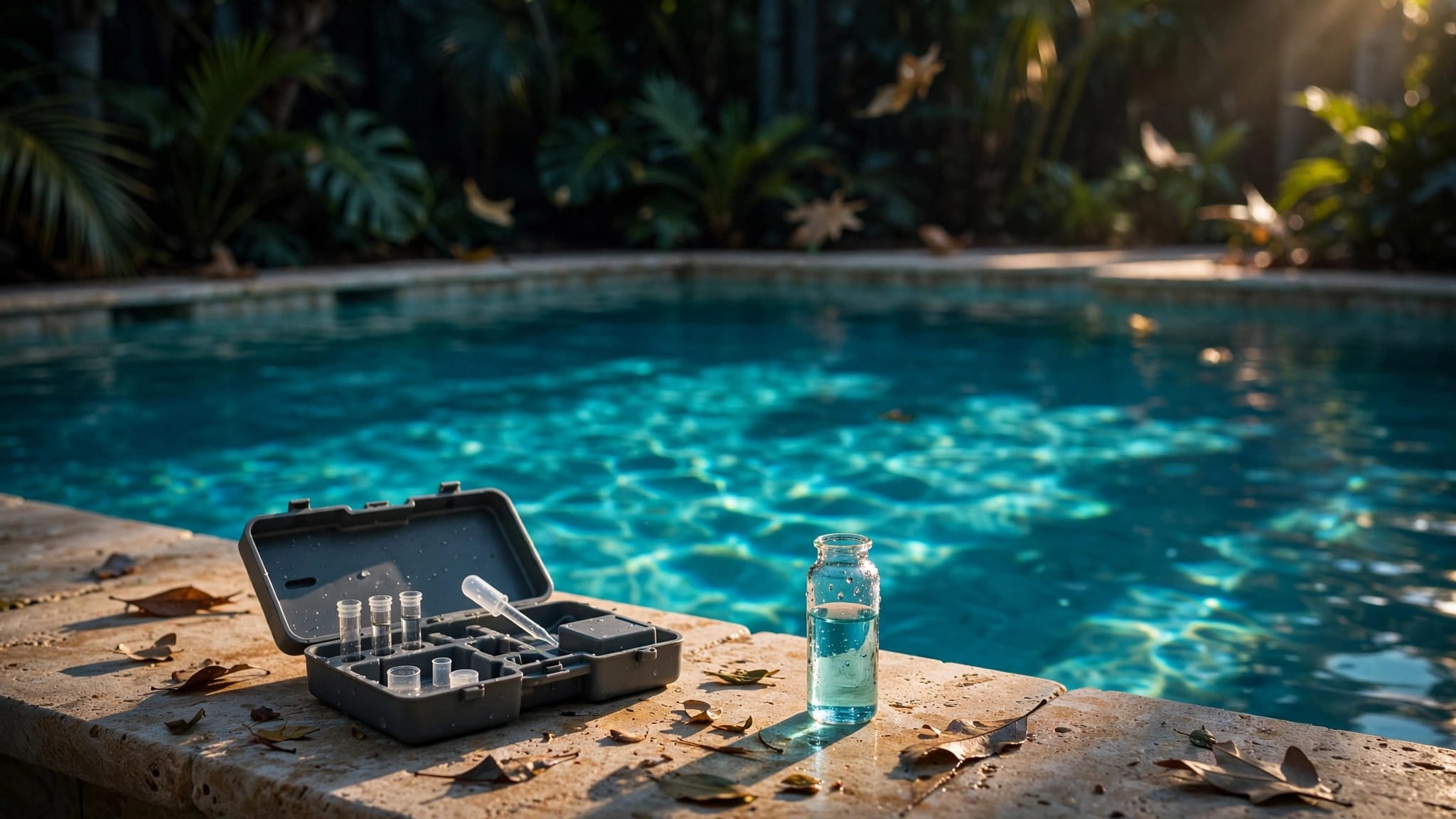
The last check should come after the work is truly finished, not while small problems are still hanging around. A pool can look ready and still hide issues in the finish, the equipment, or the paperwork.
That is why a careful pool punch list matters, whether you hired a builder for a new shell or chose pool renovation and resurfacing. The final walkthrough is your chance to catch the small things before they turn into expensive distractions later.
Walk slowly, test more than you think you need to test, and write everything down. Then use the checklist below to decide what gets fixed before final payment moves.
Key Takeaways
- Check the surface, tile, coping, deck, and drainage before you release final payment.
- Run the pump, filter, heater, automation, lights, skimmers, and returns under normal conditions.
- Confirm safety items, permits, startup instructions, warranties, manuals, and cleanup are all complete.
- Take photos and write notes for every defect, then get a clear fix plan in writing.
- Hold final payment until the punch list is complete or the remaining items are documented.
Start with the surface you see every day
A finished pool should look clean, even, and consistent in daylight. New builds and remodels both deserve a close look, and new swimming pool installation services should leave you with a smooth surface that feels right underfoot and looks right from every angle.
Plaster or interior finish
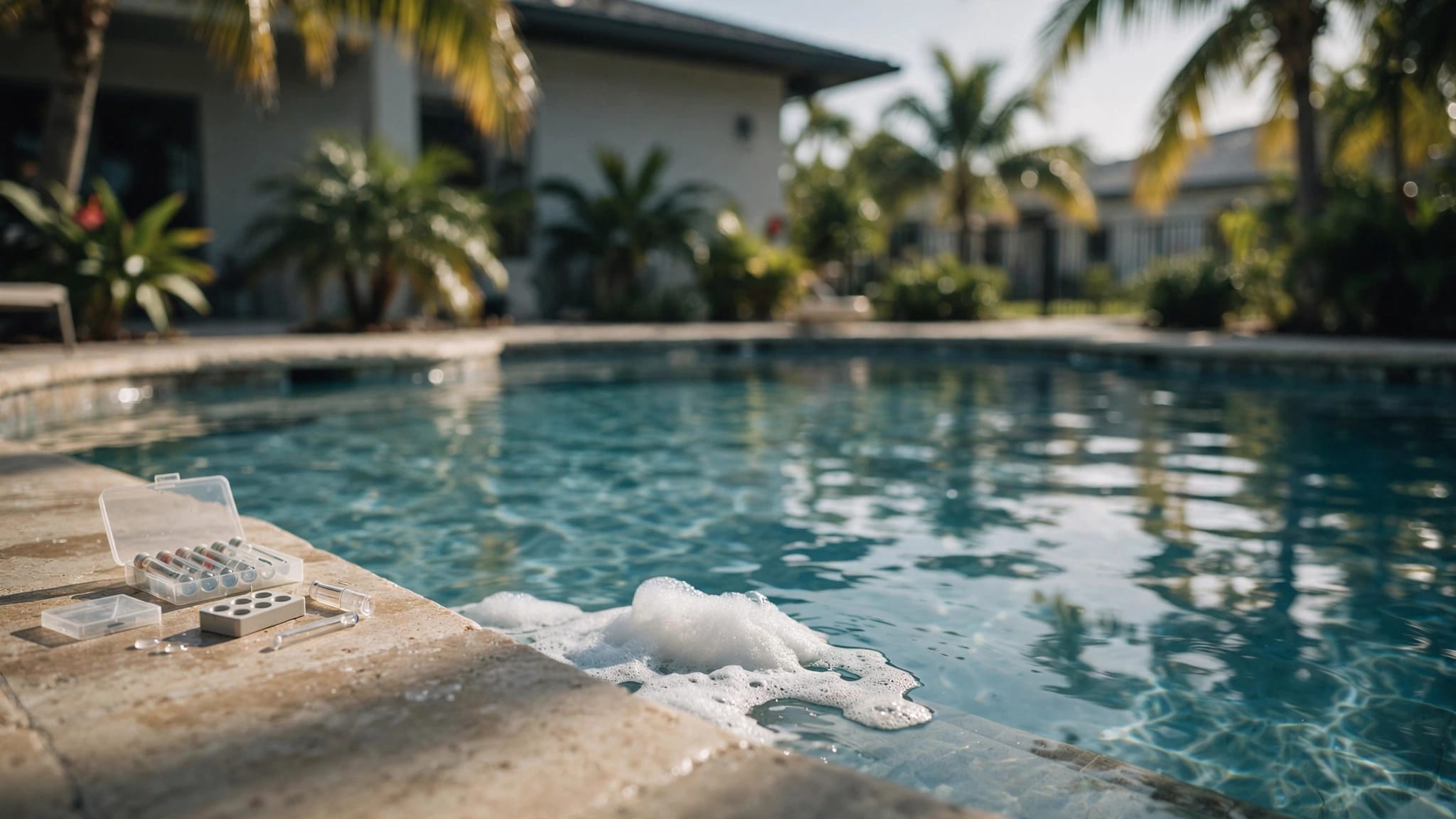
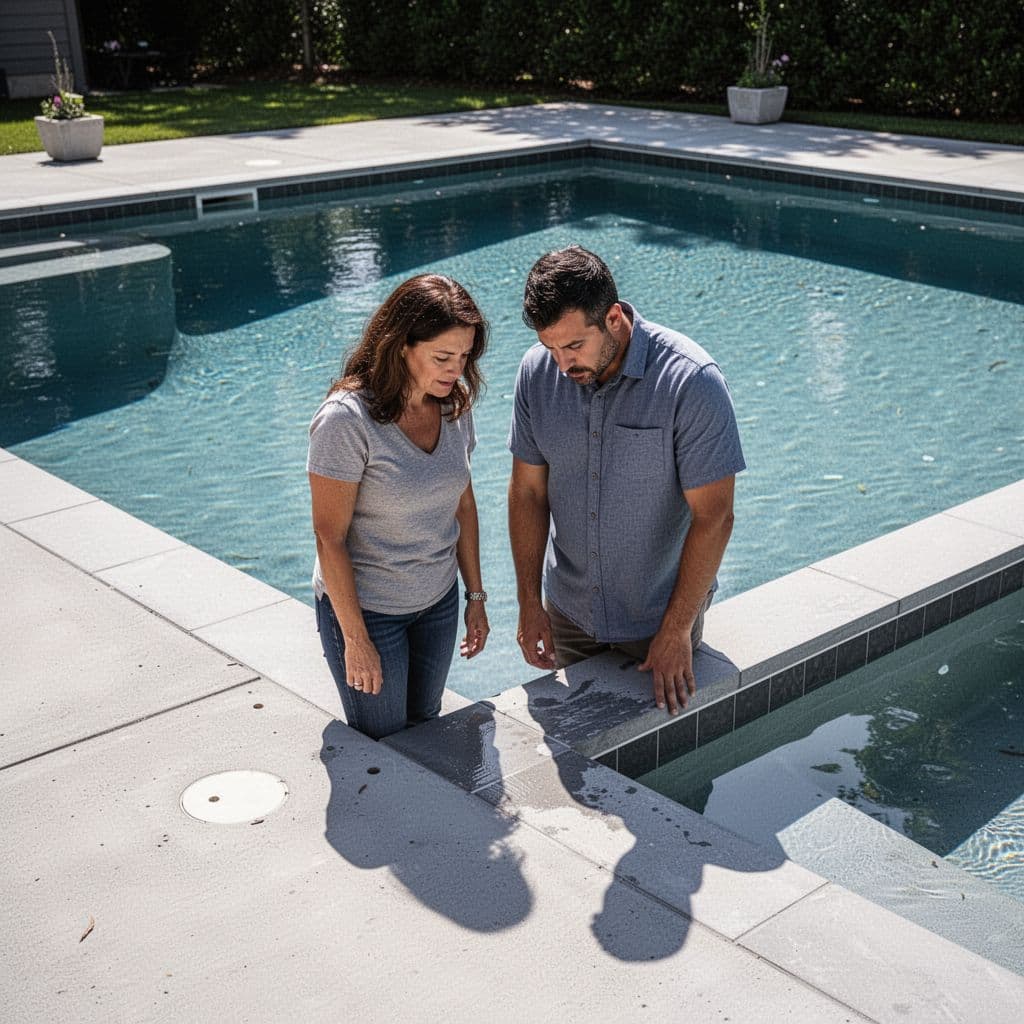
Look for color changes, rough patches, streaks, pinholes, and visible trowel marks. Small surface flaws can be easy to shrug off, but they matter because the finish is one of the hardest things to repair later.
Run your eyes across the waterline and the floor. If the surface looks blotchy, chalky, or uneven in multiple places, ask for a fix plan before you pay. Fresh plaster, pebble, or quartz should look consistent, not patched together.
Tile and coping
Tile lines should look straight, grout joints should be even, and corners should be clean. Coping should sit tight against the shell with no obvious gaps, chips, or lippage that can catch a foot or collect water.
Pay extra attention around skimmers, steps, and spa edges. These spots take the most traffic, so a small defect there usually gets worse with time.
Decking and drainage
The deck should slope away from the pool and dry out without puddles. Cracks, popped joints, sharp edges, and low spots all deserve a note on the punch list.
If your project includes a screen enclosure, check the threshold, door closers, latches, and any torn mesh while you are already on the deck. It is easier to fix those details before the job closes.
Run every piece of equipment, one at a time
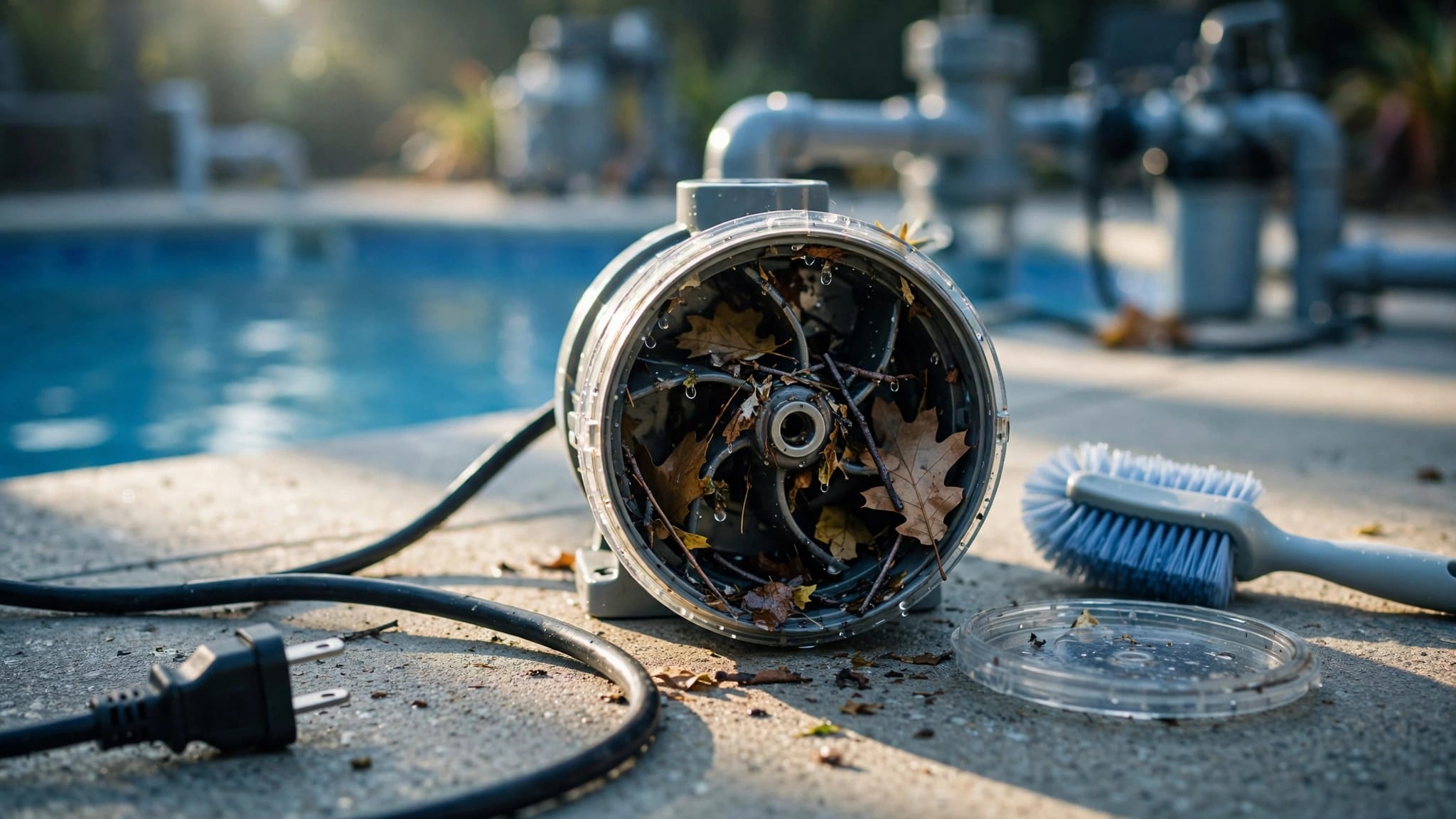
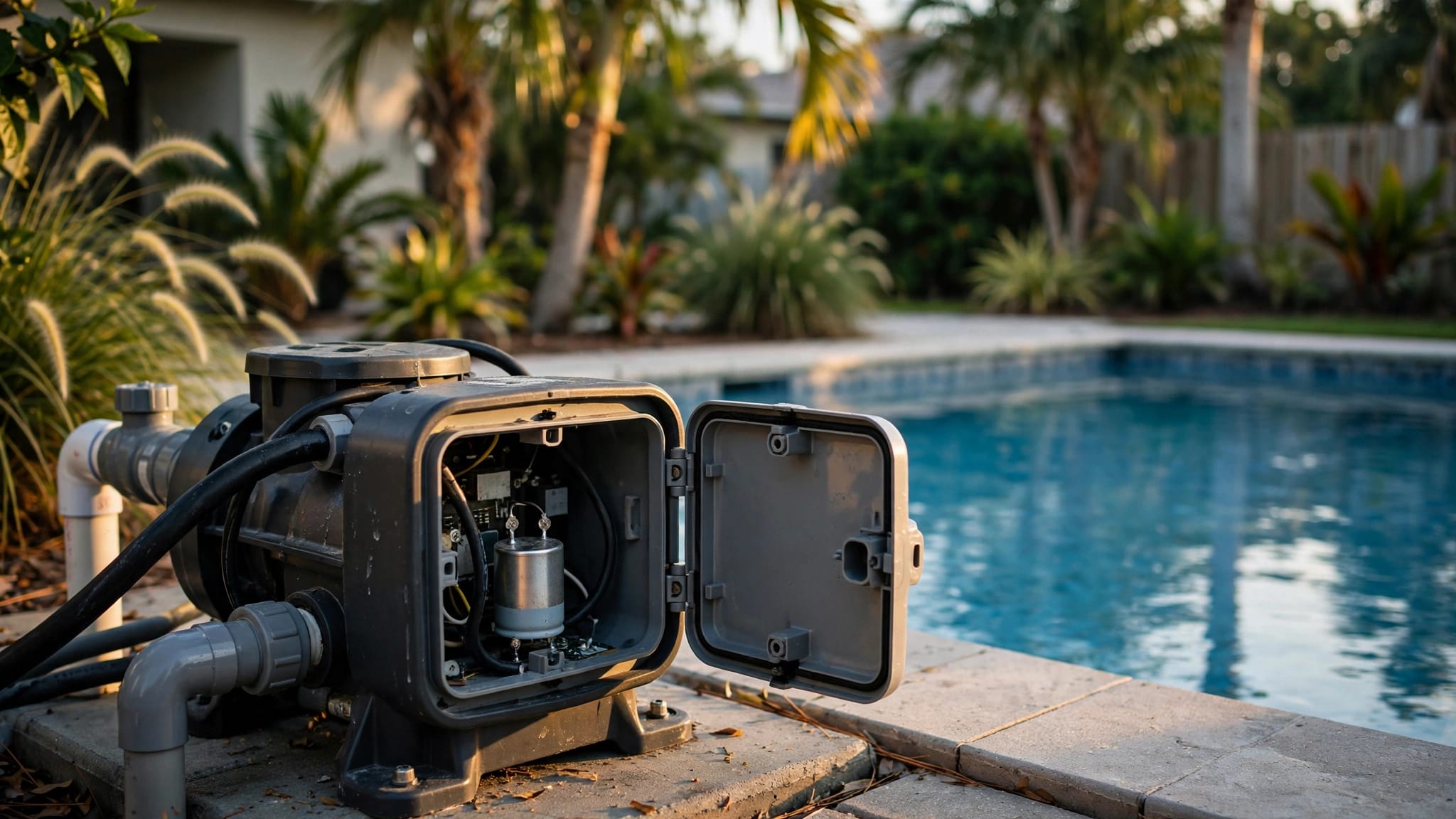
Mechanical problems hide well until the system runs under normal conditions. Test each feature yourself while the contractor is there, because a quick demo is not enough.
| Item | What to check | Why it matters |
|---|---|---|
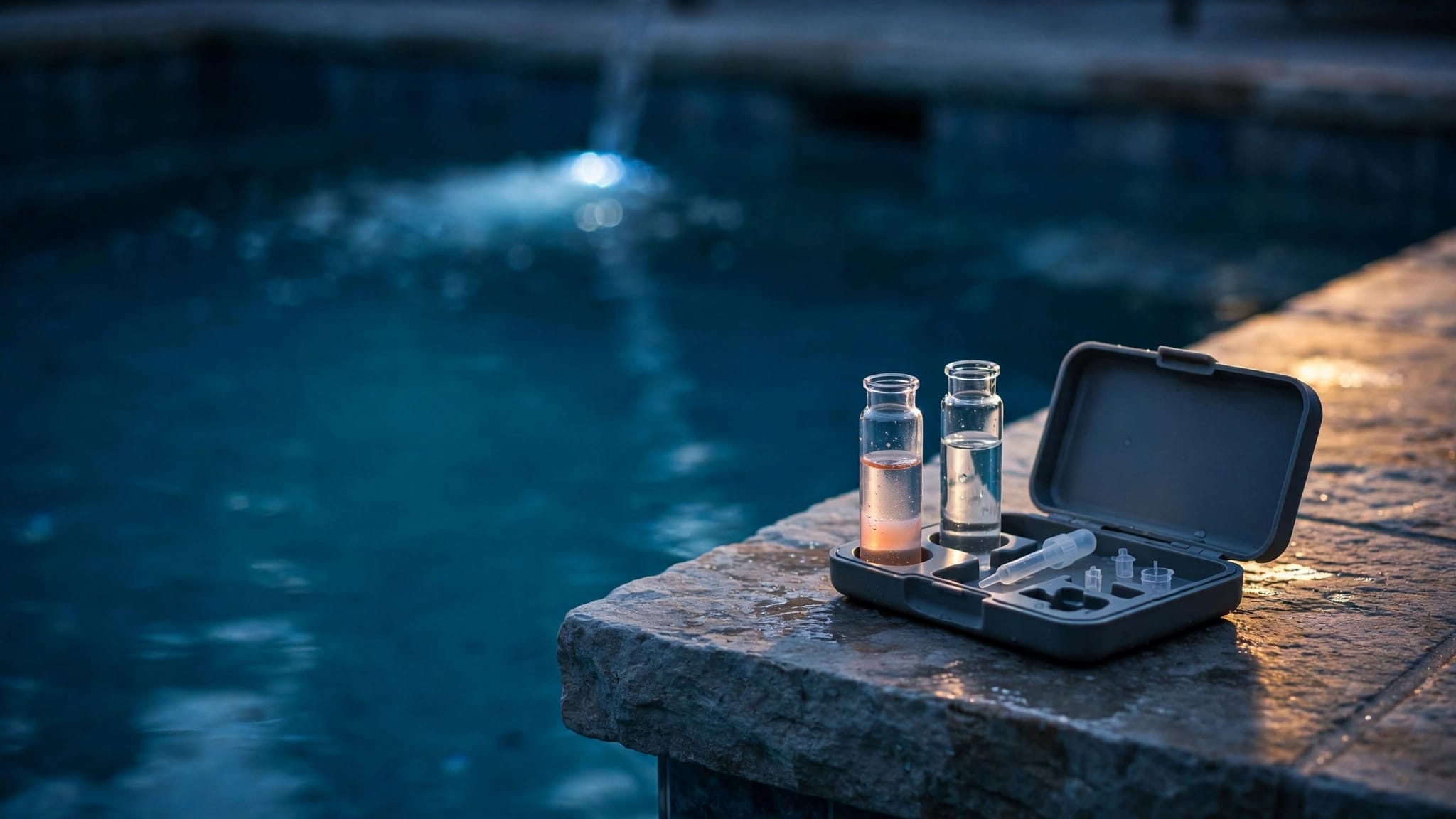
| Pump and filter | Starts without hesitation, primes properly, no leaks at lids or unions, pressure stays normal | Confirms circulation is ready for daily use |
| Heater | Fires correctly, reaches the set temperature, no error codes or shutdowns | Heat problems are easier to solve before the job closes |
| Automation | Schedules work, valves move correctly, app or panel matches the equipment | Keeps daily control simple instead of confusing |
| Lights | Every fixture turns on, changes color if applicable, and stays dry at the seal | Bad lighting is annoying and can point to wiring or sealing issues |
| Skimmers and returns | Water pulls evenly, returns have strong flow, no air leaks or dead spots | Shows the pool is circulating the way it should |
| Leak check | Water level holds, fittings stay dry, no wet soil or damp spots near equipment | Helps catch hidden issues before they become damage |
After the table, listen for odd noises, watch for vibration, and look for air bubbles that keep coming back. A pump that sounds strained or a heater that throws a code is not a small detail. It is a problem you want fixed before final payment.
Do not skip safety and closeout paperwork
A pool is not truly done until the safety items and paperwork are in place. Ask for proof that required inspections are complete, then collect the startup instructions, warranty packet, manuals, and any lien waivers your contract calls for.
Bonding and other safety features should be part of that same review. Check that handrails, drain covers, gates, door hardware, alarms, and other required items are installed and finished correctly. If anything was promised but not installed, it belongs on the punch list.
A final walkthrough should end with a short list, not a long memory test.
Cleanup matters too. The job should end with clear walkways, removed debris, working gate latches, and no leftover fasteners, trash, or material scraps. If the project included an enclosure or a rescreen, make sure the doors close smoothly and the panels sit tight.
If you want to compare what a complete project handoff should include, our pool services page is a helpful reference for the kinds of work that may be part of the job.
Document every issue before you release final payment
A good punch list is written, dated, and backed up with photos. Use your phone, take pictures in daylight, and capture both the close-up defect and the wider area around it.
- Photograph each problem from more than one angle.
- Write a short note that names the location and the issue.
- Separate safety problems from cosmetic ones.
- Ask for a completion date for each item.
- Recheck the work before you approve final payment.
Keep the notes simple. "Chip in coping near spa corner" is better than a vague comment like "edge issue." Specific notes make it easier for the contractor to fix the right thing the first time.
If an item is not written down, it can disappear during the closeout process.
If the punch list keeps growing, the job may need a larger repair or a separate follow-up project. In that case, Get a Free Estimate before you move forward with more work.
Conclusion
A strong pool punch list protects the last part of the project, when small misses are easiest to overlook. Surface quality, equipment testing, safety items, and closeout paperwork all deserve the same level of attention.
Do the final walk in daylight, document every issue, and confirm the fixes before you release the last payment. That last step is what turns a nearly finished pool into one that feels complete.