Florida pools work hard. Sun, heat, rain, and steady use can strip chlorine faster than many owners expect, and that is why ozone vs UV pool sanitizers comes up so often during upgrades.
Both systems can help water stay clearer and easier to manage, but they do it in different ways. The better choice depends on how your pool is used, how your equipment is set up, and how much upkeep you want.
Why Florida Pools Put Sanitizers Under Pressure
Florida weather is tough on pool water. Warm water speeds up chemical demand, strong sun burns off chlorine, and summer storms dump leaves, pollen, dirt, and runoff into the pool. A screened enclosure helps with debris, but it does not stop the chemistry from working overtime.
That matters even more in residential pools that stay open all year. A family pool in Cape Coral can see daily use, weekend visitors, and plenty of sunscreen, sweat, and body oils. Add a hot afternoon and a thunderstorm, and water quality can change fast.
Supplemental sanitizers earn attention because they help the main system keep up. They do not replace chlorine. Instead, they give the pool another layer of support when the load is high. In other words, they help smooth out the swings that show up after a busy week or a rough storm.
How Ozone Helps a Busy Pool
Ozone in plain English
Ozone systems generate ozone gas and pull it into a contact chamber in the plumbing loop. Ozone is highly reactive, so it attacks oils, lotions, and other contaminants before the water returns to the pool. That can help the water look fresher and reduce the load on chlorine.
Where ozone stands out is oxidation. It helps break down the stuff that makes water look tired or smell off. That is useful in Florida, where warm water and frequent use can leave a pool feeling heavy even when it still looks clear. Ozone can help with that foggy, used-up feel.
Still, ozone only works while the water passes through the system. It does not stay in the pool as a lasting sanitizer. That means it helps the circulation loop do more work, but it does not create a residual that protects the whole pool between pump cycles.
What ozone means for maintenance
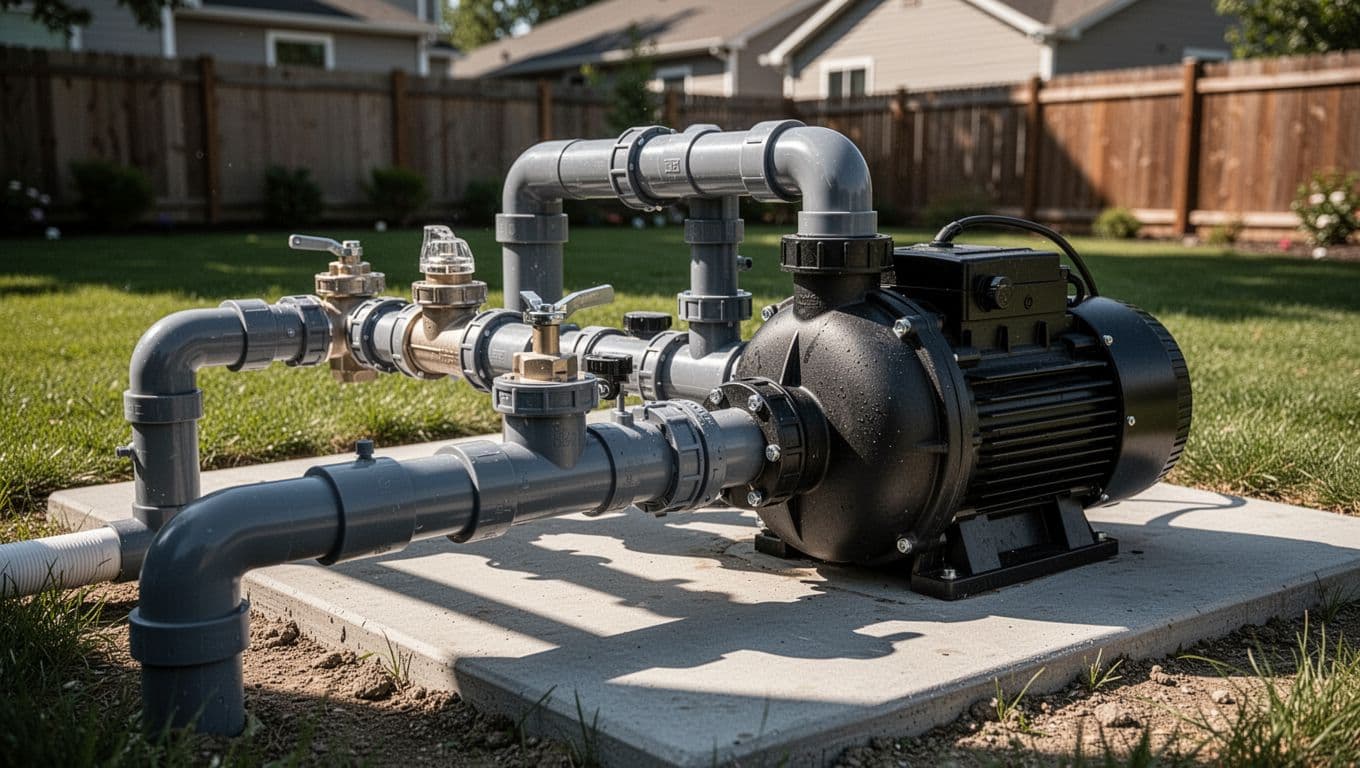
Ozone systems add parts to the equipment pad. There is a generator, plumbing connections, and usually an injector or contact component that needs to stay clean and properly set up. If those parts are ignored, performance drops.
That is why ozone tends to fit best when the equipment pad is already being updated. It works well in a well-planned system, but it is not a set-it-and-forget-it fix. The benefit is stronger oxidation support, not a free pass on upkeep.
Chlorine still has to do the day-to-day work in the pool.
How UV Helps a Busy Pool
UV in plain English
UV sanitizers send water past a lamp inside a sealed chamber. The light damages microorganisms as the water moves by, which helps reduce what the pool carries through the circulation system. It is a clean, direct process, and it is easy for many homeowners to understand.
UV also helps with the compounds tied to that sharp pool smell. When a pool gets a lot of use, that odor often comes from chloramines, not from too much chlorine. UV can help reduce that problem in the circulation line.
The big limitation is simple. UV only treats the water that passes through the chamber. It does not leave a protective residual in the pool itself. So, like ozone, it supports the primary sanitizer instead of replacing it.
What UV means for maintenance
UV systems have their own service routine. The lamp ages, the quartz sleeve needs cleaning, and the unit needs power and correct flow. Once those parts are managed, the system does one job well and does it without adding chemicals.
Many homeowners like UV because the maintenance pattern is predictable. There is no mystery to it. You replace worn parts, keep the chamber clean, and let the unit do its work. For a Florida pool that runs often, that simplicity can be appealing.
Ozone vs UV Pool Sanitizers: Real-World Differences
The two systems sound similar at first, but they solve different problems. Ozone focuses more on oxidation. UV focuses more on disinfection support as water passes through the chamber. In a Florida backyard, that difference shows up in smell, water feel, maintenance, and installation.
| Factor | Ozone | UV | Florida takeaway |
|---|---|---|---|
| Main job | Oxidizes contaminants and helps reduce odor | Uses light to inactivate microorganisms in the chamber | Both support chlorine instead of replacing it |
| Water feel | Often helps water look fresher after heavy use | Often helps reduce that stale pool smell | Both can make the pool feel cleaner |
| Residual in pool | None | None | Chlorine still has to stay in range |
| Maintenance | Generator parts, injectors, and plumbing components need care | Lamps and quartz sleeves need periodic replacement and cleaning | UV is usually simpler to service |
| Installation | Needs the right plumbing layout and space | Usually easier to add to an existing pad | Both are easier during renovation |
| Cost of ownership | Higher upfront, with more specialized parts | Lower to mid upfront, with recurring lamp costs | Long-term cost depends on service habits |
The table tells the real story. Ozone tends to shine when you want stronger oxidation support and you do not mind a little more equipment complexity. UV tends to appeal when you want a simpler service pattern and a more predictable maintenance schedule.
Neither system changes the basic rules of pool care. Proper chlorine, balanced pH, good circulation, and clean filtration still matter most. If any of those pieces slip, ozone or UV will not save the water on their own.
For budgeting, it helps to look beyond the initial price tag. Ozone may cost more to install and service. UV may cost less up front, but the lamp and sleeve replacements are part of the long-term bill. If you want a broader view of ongoing ownership, annual swimming pool maintenance costs is a useful reference.
Which Upgrade Fits Your Pool?
The right choice usually depends on how your pool lives day to day. A family pool with heavy bather load has different needs than a quiet backyard pool that gets used a few times a week. Florida adds another layer, because the season never really ends.
- Choose ozone if your pool sees lots of swimmers, sunscreen, and organic debris. It helps break down the stuff that makes water feel worn out.
- Choose UV if you want a straightforward system with predictable maintenance. The lamp-and-sleeve routine is easy to plan around.
- Choose either one only as a support system. If chlorine, pH, or circulation are off, the extra sanitizer cannot fix the whole pool.
- Plan the upgrade during a renovation if you can. Plumbing changes are easier when the equipment or finish is already being updated.
If your pool is getting a new surface, new equipment, or a larger remodel, the timing matters. Adding a sanitizer upgrade during that work is often cleaner than retrofitting it later. Pool renovation and construction services make it easier to plan the system as one project instead of piecing it together later.
That also helps when the project includes a rescreen or enclosure work. A cleaner layout around the pad gives you more room for the equipment you actually want, instead of forcing a compromise.
If you want a local opinion on what fits your pool, Get a Free Estimate and compare the options during an on-site visit.
Conclusion
Florida pools put every sanitizer to work. Sun, storms, and year-round use keep chlorine busy, which is why ozone and UV get so much attention.
The strongest takeaway is simple. Ozone helps more with oxidation, UV helps more with chamber-based disinfection, and neither one replaces chlorine or water balance. Once you know that, the choice gets clearer.
For most homeowners, the best upgrade is the one that matches the pool's use, the equipment pad, and the budget for long-term care.