Owning a pool in Cape Coral feels normal, almost like owning a lanai. The surprise comes later, when the monthly bills start to stack up.
When people compare pool cost cape coral homeowners face each year, build price is only half the story. A realistic 2026 budget depends on pool size, equipment, heating habits, and how much work you do yourself. Start with the yearly operating cost, not the dream photo.
What a Cape Coral pool usually costs per year
For most homes, a medium in-ground pool in Cape Coral costs about $2,000 to $4,000 per year to own and maintain in 2026. A small, simple pool with newer equipment can stay closer to $1,400 to $2,200 . A large pool with frequent heating, older gear, and weekly service can climb past $4,500 .
That range is wider than many expect because Florida pools don't get an off-season. Pumps run year-round. Sun burns through sanitizer faster. Heavy rain can change water balance in a day. Add salt air, palm debris, or canal-side exposure, and the budget shifts again.
This quick table shows where the money usually goes.
| Cost category | Typical annual range |
|---|---|
| Pump and equipment electricity | $300 to $900 |
| Heating electricity | $0 to $600+ |
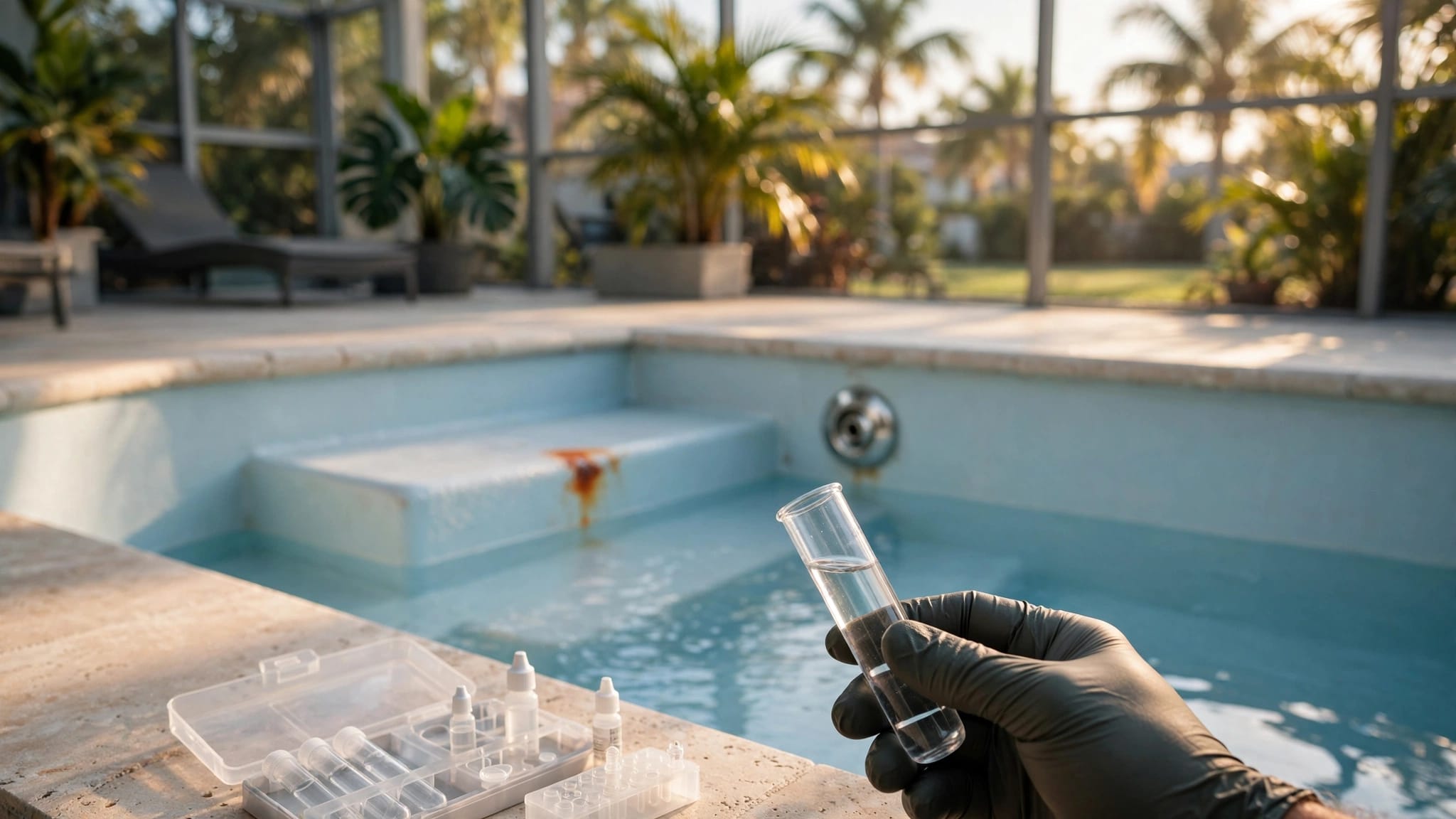
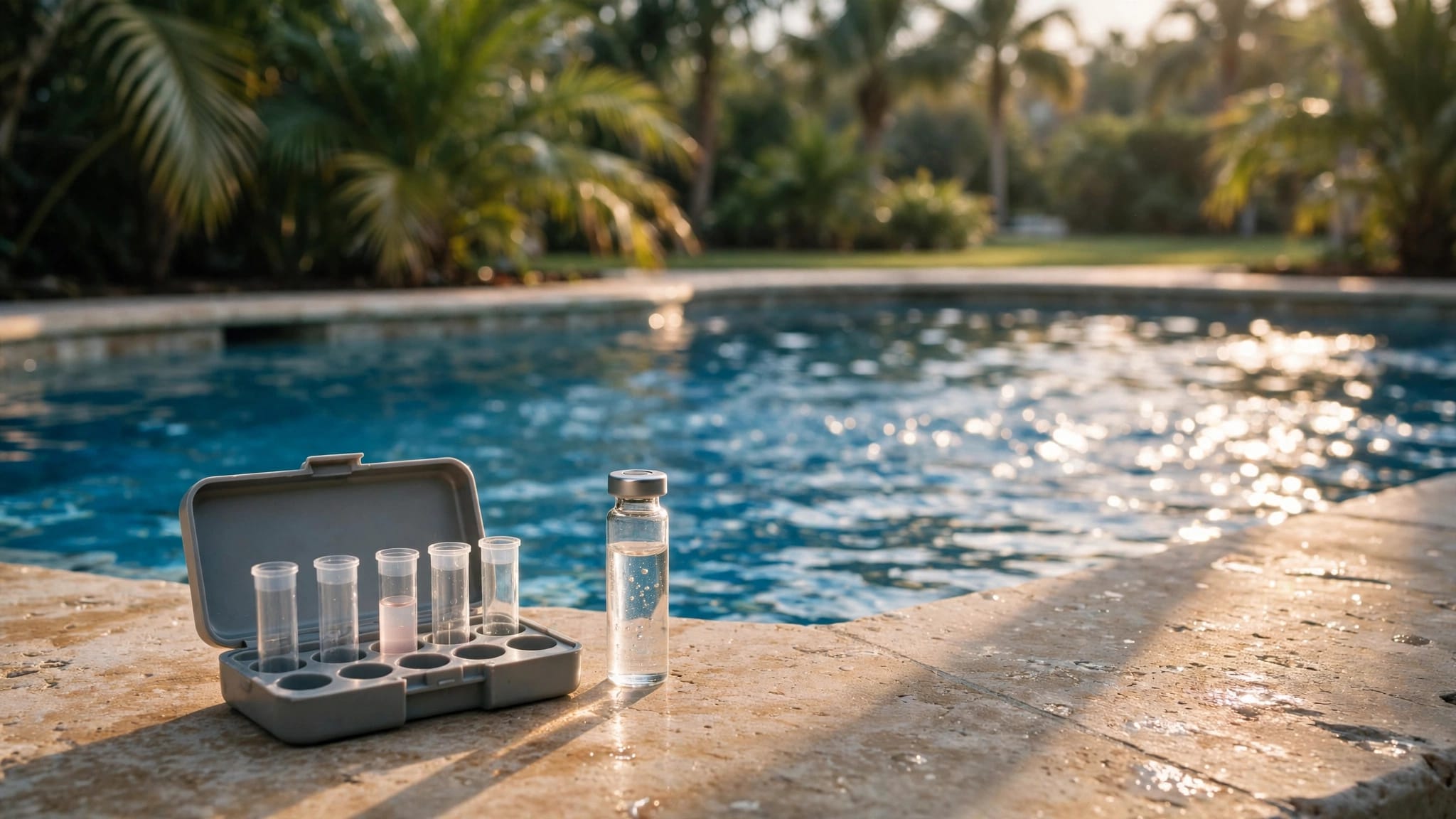
| Chemicals and water testing | $500 to $800 |
| Water top-off | $50 to $250 |
| Professional cleaning service | $0 to $2,400 |
| Minor repairs and parts | $200 to $800 |
| Insurance impact | $200 to $500 |
Most owners won't hit the top end in every line at once. Still, that mix explains why pool ownership feels less like one bill and more like several smaller bills that never fully disappear.
One cost gets missed a lot: liability insurance. In Florida, many homeowners see some premium increase once a pool is part of the property. It may not be dramatic, but it belongs in the annual budget.
Saltwater pools can shift the mix, but they don't erase the cost. They often lower routine chlorine buying, yet the salt cell still wears out. If you spread that future replacement across several years, the yearly budget is still real.
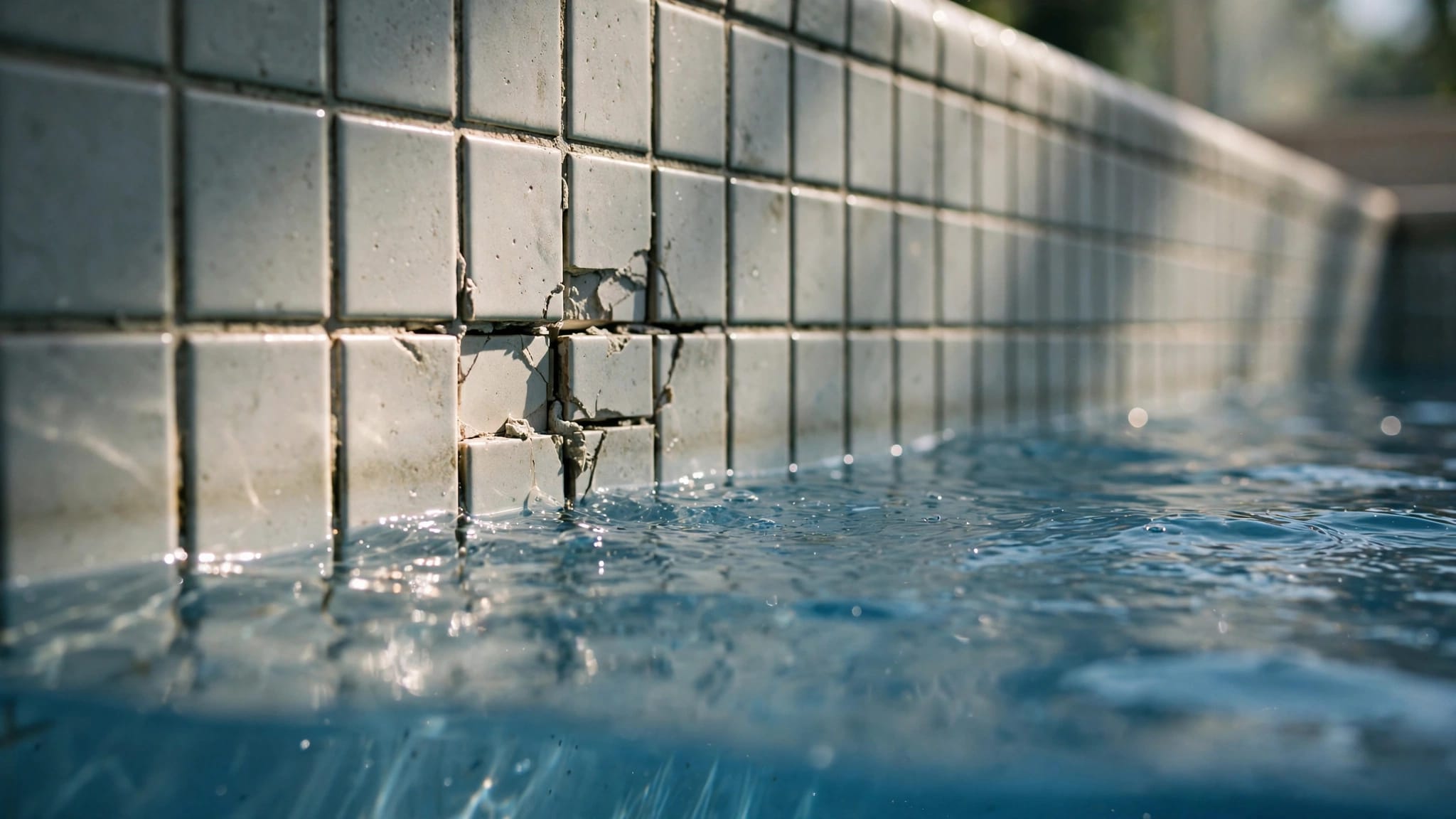
Routine ownership is only part of the story, too. These numbers don't include bigger one-time jobs, such as a new pump, heater replacement, or interior finish work. If the surface is getting rough or stained, watch for signs your Cape Coral pool needs resurfacing before a maintenance issue becomes a repair issue.
What raises or lowers your yearly pool cost
Pool size still matters, but it isn't the whole story. A larger pool needs more chemicals, more brushing, and more filtration time. Even so, a big pool with efficient equipment can cost less to run than a smaller pool with an old single-speed pump.
Usage changes the budget, too. If kids swim daily, sunscreen, body oils, and debris load rise. More use means more filter cleaning and more chemistry adjustment. Rentals and frequent guests usually push annual cost higher for the same reason.
Heating is often the biggest swing factor. A pool without regular heat may stay near the low end of the annual range. Run a heat pump through cooler months, and your electric bill can jump by several hundred dollars. Heated spas push that number even higher.
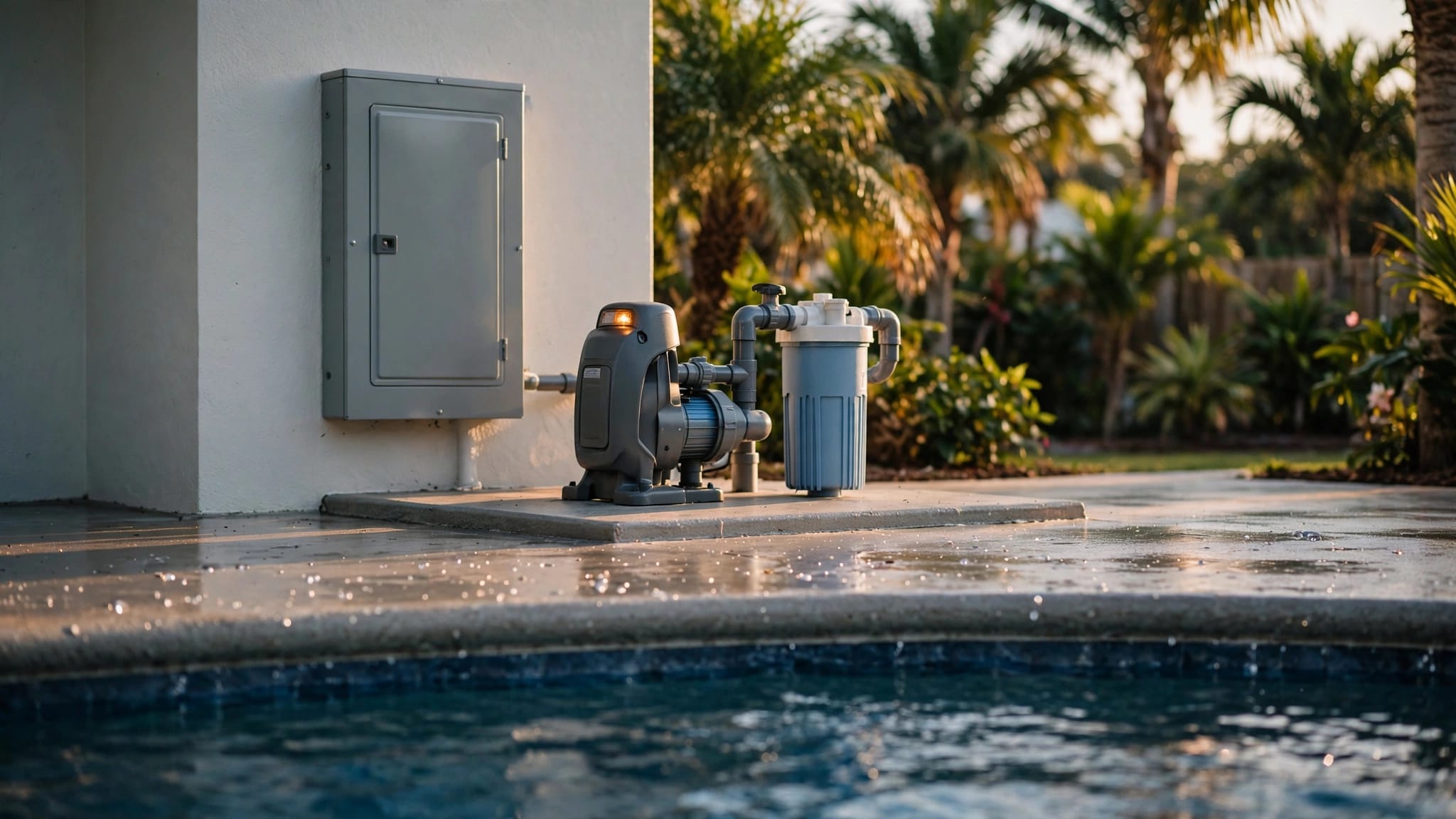
Equipment age is another driver. Newer variable-speed pumps use far less electricity than older models. Aging filters, lights, timers, and valves also turn light upkeep into repeat service calls. In other words, an older pool may look fine while quietly costing more every month.
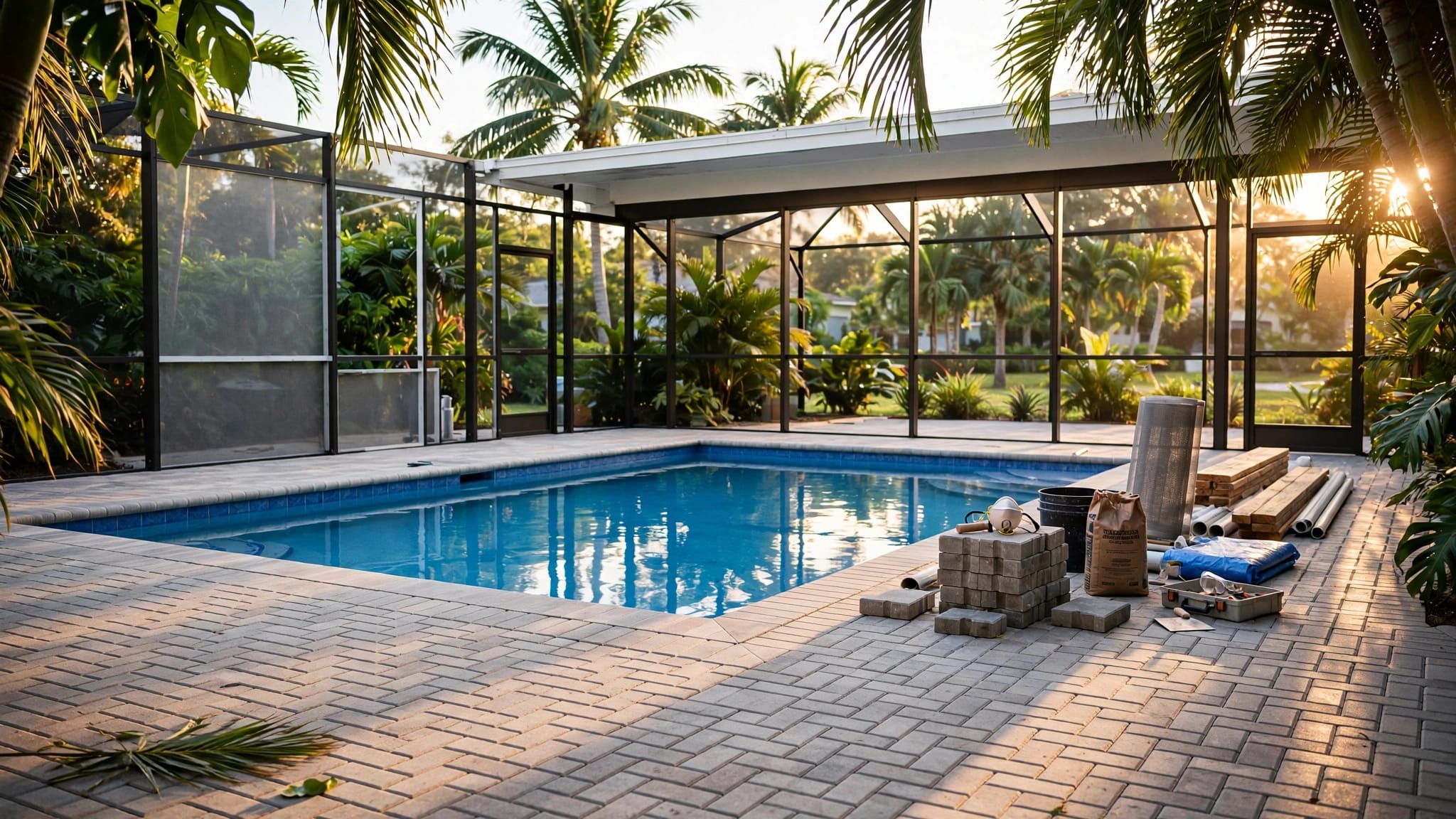
A screened enclosure can help lower day-to-day costs. By blocking leaves, bugs, and windblown debris, it often cuts cleanup time and slows chemical loss. In Cape Coral, that can be a real advantage. At the same time, the enclosure itself may need hardware repair, cleaning, or a future rescreen. These custom pool screen enclosures in Cape Coral often reduce mess, but they still need upkeep.
DIY care lowers cash cost, while professional service lowers time and risk. Homeowners who test, skim, brush, and empty baskets themselves can save a lot. Busy owners often pay for weekly service because an algae cleanup costs more than routine visits.
The cheapest pool to own is usually the one with efficient equipment and no neglected problems.
Sample annual budgets for low, average, and high-maintenance pools
A simple budget makes the decision easier. These examples fit common 2026 Cape Coral conditions.
| Pool ownership scenario | What it usually looks like | Estimated annual cost |
|---|---|---|
| Low-maintenance | Small or mid-size pool, newer pump, screened enclosure, no regular heating, mostly DIY care | $1,400 to $2,100 |
| Average | Medium pool, some pro service, moderate family use, occasional heating, normal parts replacement | $2,300 to $3,500 |
| High-maintenance | Large pool, frequent heating, older equipment, weekly service, open pool or heavy debris exposure | $4,000 to $6,000+ |
The average homeowner lands in the middle. That means the yearly cost feels manageable, but only if the equipment is healthy and the water stays balanced. Once one weak link shows up, the annual budget can jump quickly.
Location around the home matters more than people think. Pools under trees or close to canals usually need more skimming, brushing, and basket cleaning. Open pools also take a heavier hit from summer storms, so the same pool can cost more at one house than another a few streets away.
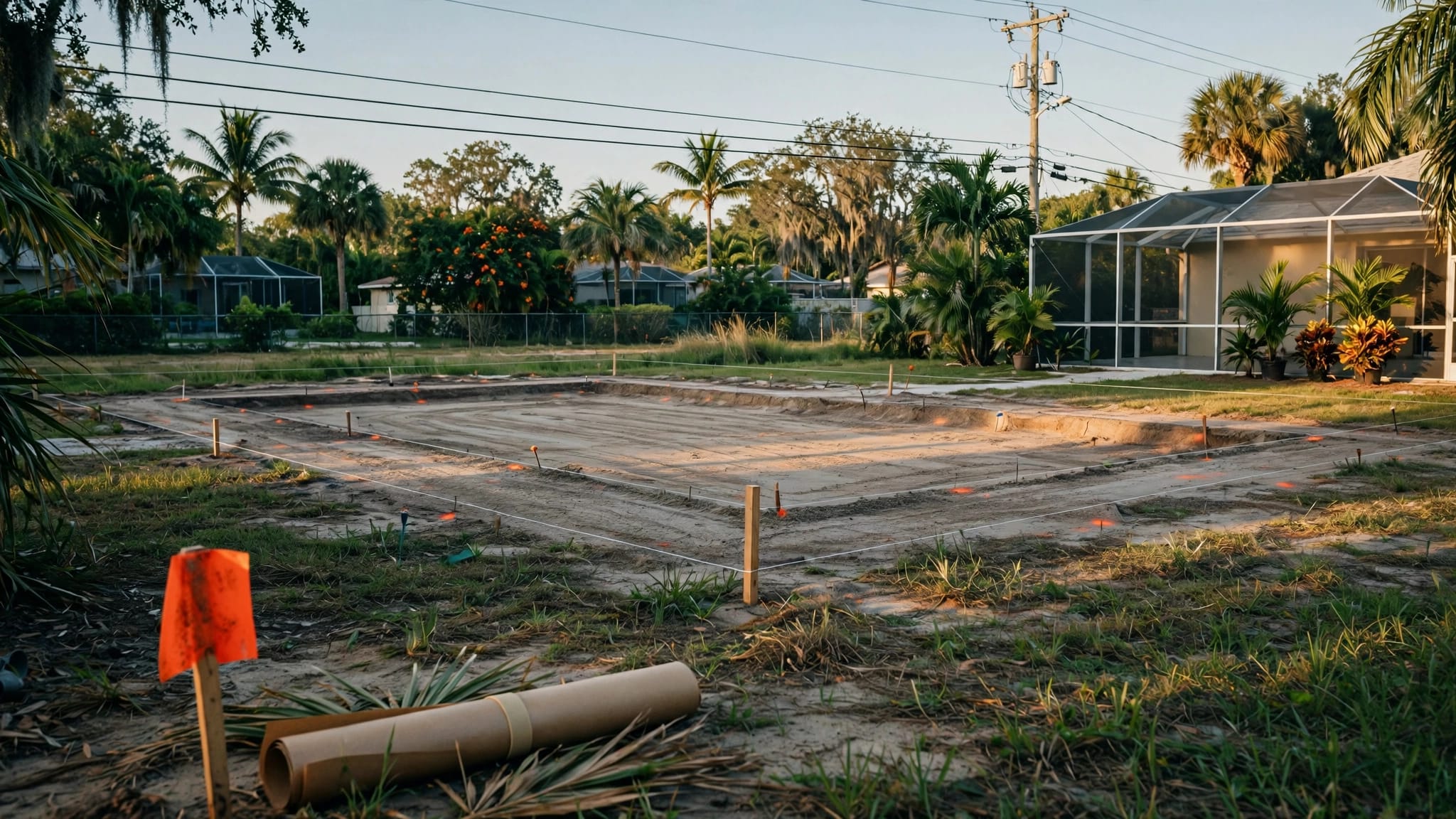
If you're planning a new pool, design choices matter long after construction ends. Efficient pumps, realistic pool size, and thoughtful screening can keep ownership cost calmer year after year. If you already own a pool and the bills keep rising, it may be smarter to price pool renovations and resurfacing services than keep paying for the same recurring issues.
How to keep pool ownership affordable
The best savings usually come from equipment and routine, not bargain chemicals. A variable-speed pump, a clean filter, and a sensible run schedule can cut power use without hurting water quality.
It also helps to set aside a small repair reserve. Many homeowners budget $40 to $100 per month for wear items, even if they don't spend it every month. That cushion makes pump seals, salt cells, lights, or timer replacements less painful when they show up.
Some owners split the job. They handle skimming and basket cleaning themselves, then use Cape Coral pool services for chemistry checks, equipment review, or occasional fixes. That middle ground often works well for busy families and second-home owners.
Small problems matter because they tend to multiply. A torn screen panel lets in more debris. A rough finish needs more brushing. A weak pump runs longer and uses more power. When you fix issues early, the annual budget usually stays closer to the low or average range.
A pool in Cape Coral can be affordable to own. For many homes, that means roughly $2,000 to $4,000 a year , with heating, older equipment, and full-service care pushing the number higher.
If you want a local read on what your pool will cost to maintain, repair, or upgrade, Get a Free Estimate and base the decision on your actual setup, not a generic statewide average.