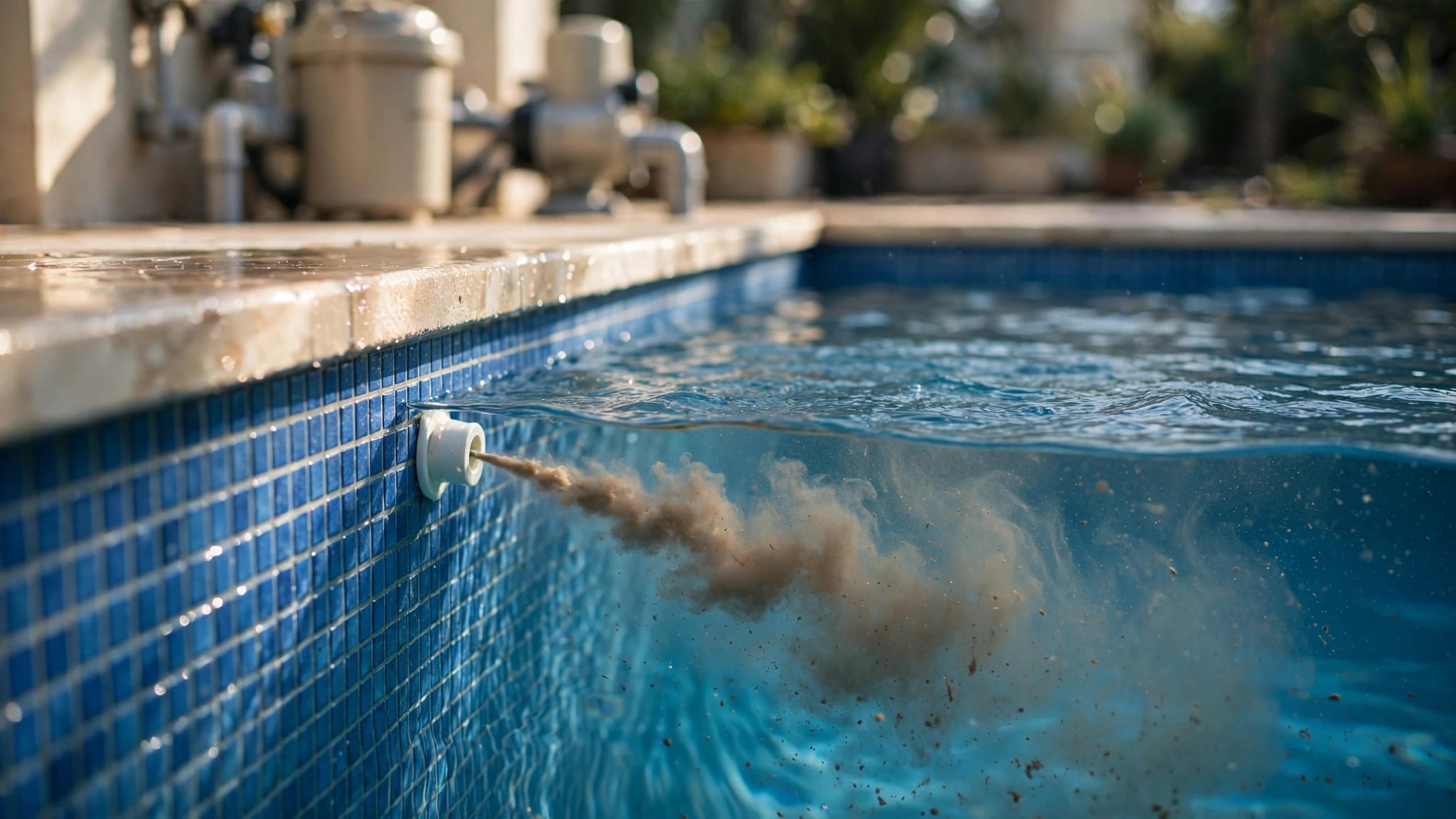
A Cape Coral pool leak can hide in plain sight, especially when the sun is blazing and the wind keeps moving. One hot afternoon can make the water line look lower than it did yesterday.
That makes it hard to know what's normal and what needs attention. The good news is that a few simple checks can separate ordinary evaporation from a real problem.
Why Cape Coral pools lose water faster than you think
Cape Coral weather can be rough on pool water levels. Strong sun, high heat, and steady breeze all push water out of the pool surface. On bright days, a pool can lose more water than many homeowners expect.
Screened pools and unscreened pools behave a little differently. A screened enclosure helps block debris and can soften some wind, but it does not stop evaporation. An open pool often loses water faster because it gets full sun and more direct breeze.
Seasonal weather also matters. During dry stretches, the water level can drop faster than usual. During rainy periods, a pool may seem fine because fresh rain hides the loss for a while. After a storm, the level can swing in both directions, so it helps to check the water at the same time each day.
The key is pattern. Evaporation usually causes a slow, even drop. A leak tends to be more stubborn. You refill the pool, then it drops again, even when the weather has not changed much.
If you want to spot the difference, start with a simple water-level check before you look anywhere else.
How to tell evaporation from a leak
A consistent water-level check gives you the clearest clue. Use the same reference point each day, like the middle of a tile line or the top edge of a skimmer opening. That way, you are comparing apples to apples.
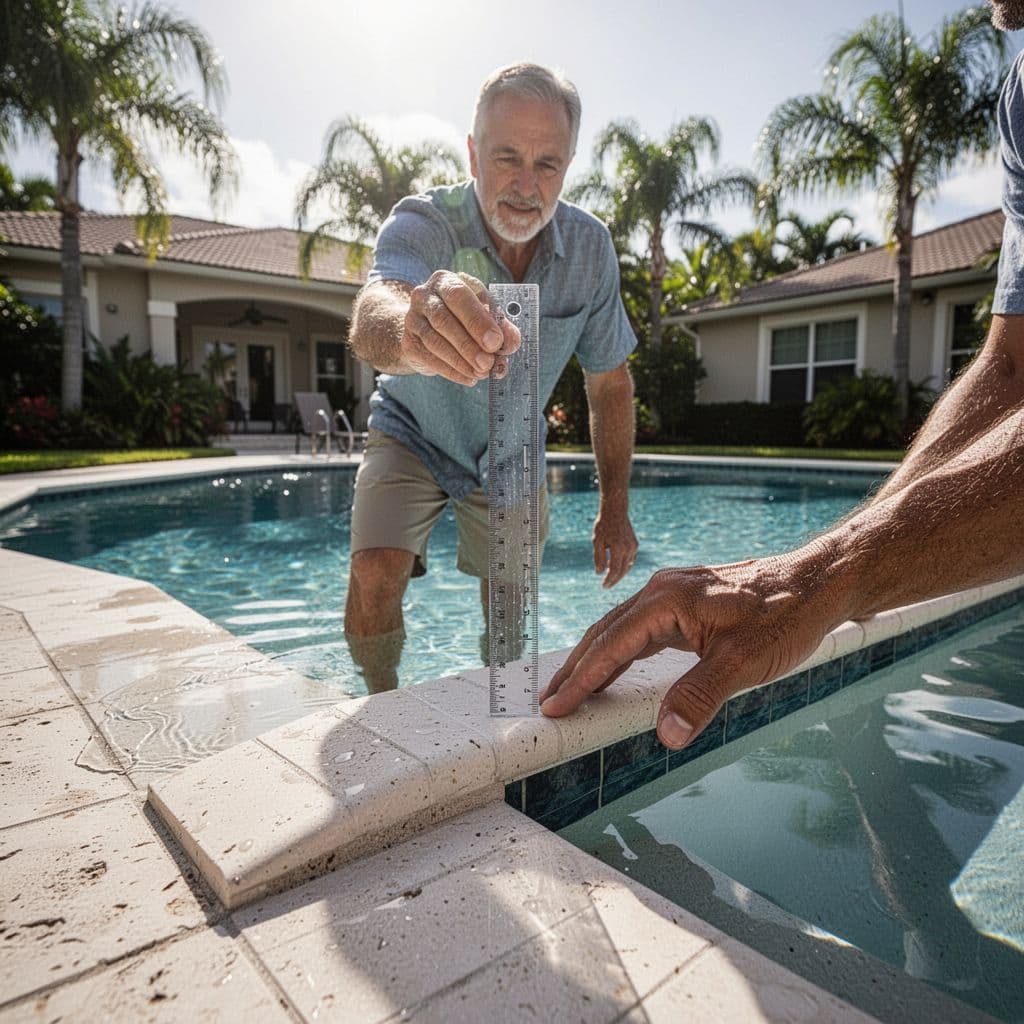
A small drop after a hot, windy day can be normal. A drop that keeps growing, even after you refill the pool, deserves a closer look.
This quick comparison helps:
| Normal evaporation | Possible leak |
|---|---|
| Water drops a little during hot, windy days | Water drops even when weather stays mild |
| The loss is steady and predictable | The loss feels sudden or keeps speeding up |
| No wet spots appear around the yard | Damp soil, puddles, or soft grass show up |
| Pump and filter keep running normally | Air appears in the pump basket or the pump loses prime |
| Pool finish looks sound | Cracks, loose tiles, or worn spots are visible |
A leak leaves clues around the pool. Evaporation usually stays on the surface.
If the water level keeps falling after topping off the pool, the problem is probably more than weather. That is when you move from guesswork to testing.
Simple checks you can do before calling for help
Start with the easy signs around the pool deck and equipment pad. Look for wet spots near the pump, filter, and pipes. Check the soil around the pool shell too. If one area stays damp while the rest of the yard is dry, that matters.
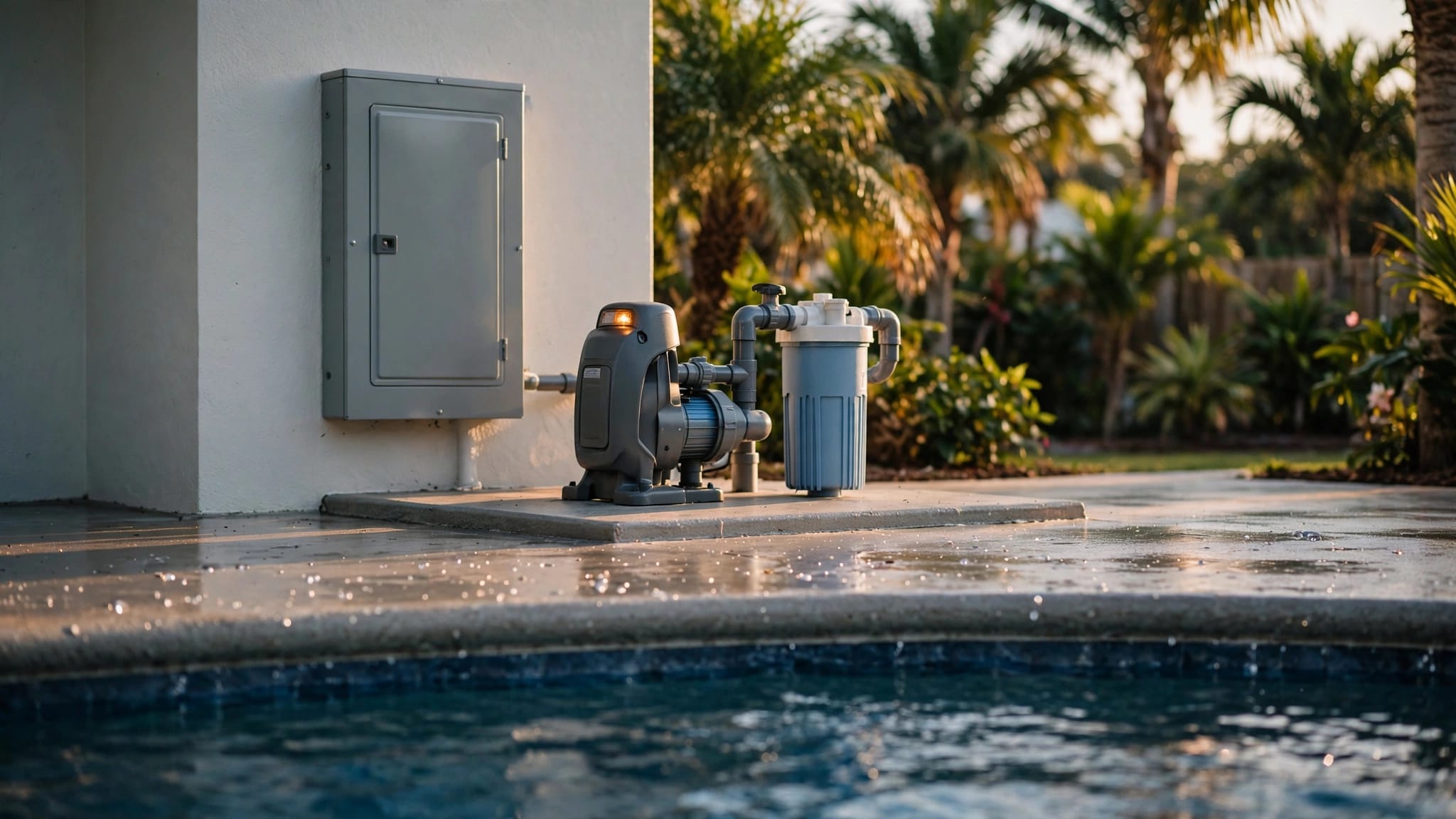
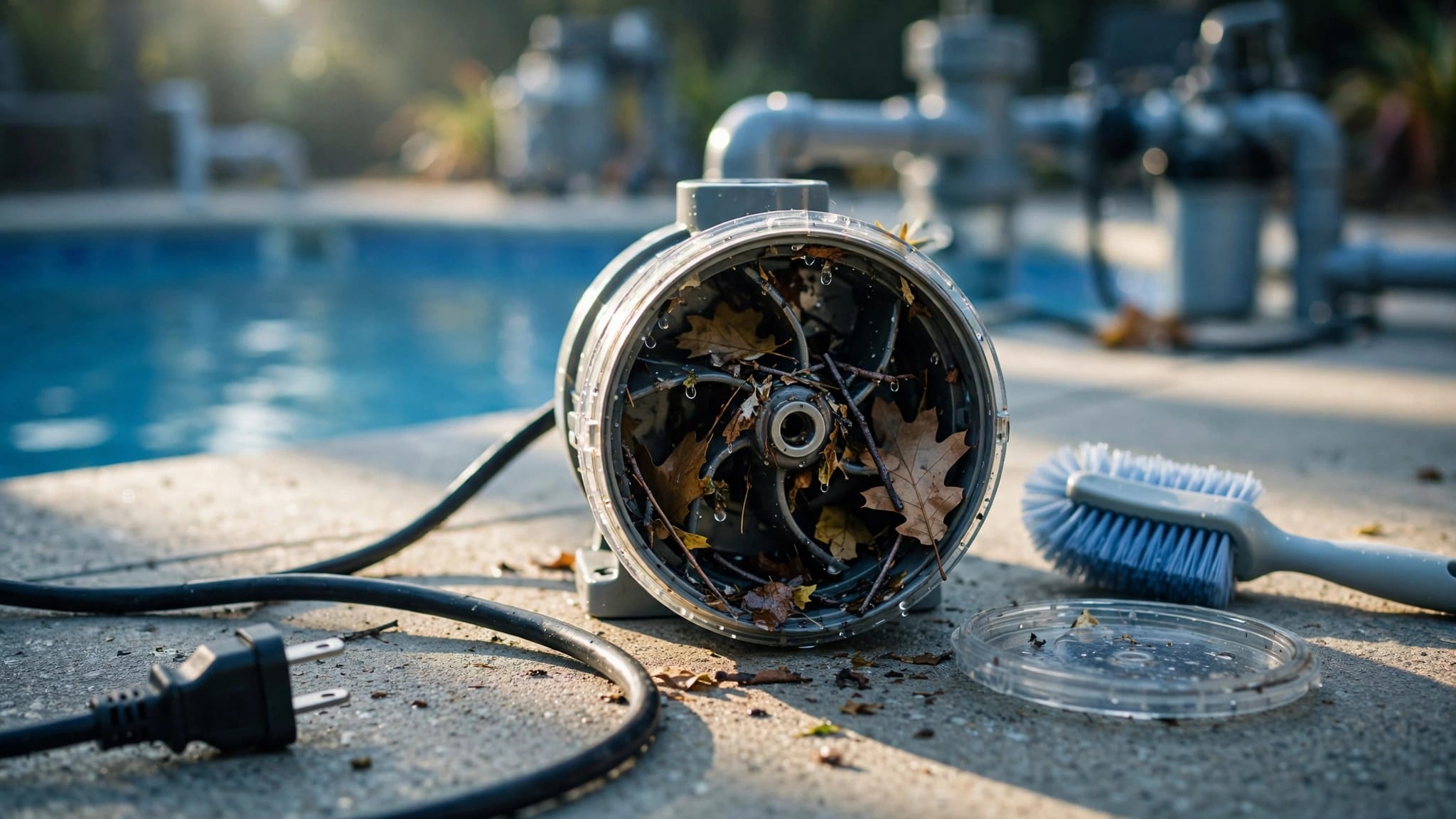
Next, watch the pump system. Air in the pump basket, tiny bubbles at the returns, or a pump that keeps losing prime can point to a suction-side issue. Those signs are easy to miss, but they matter because air should not be sneaking into a closed water system.
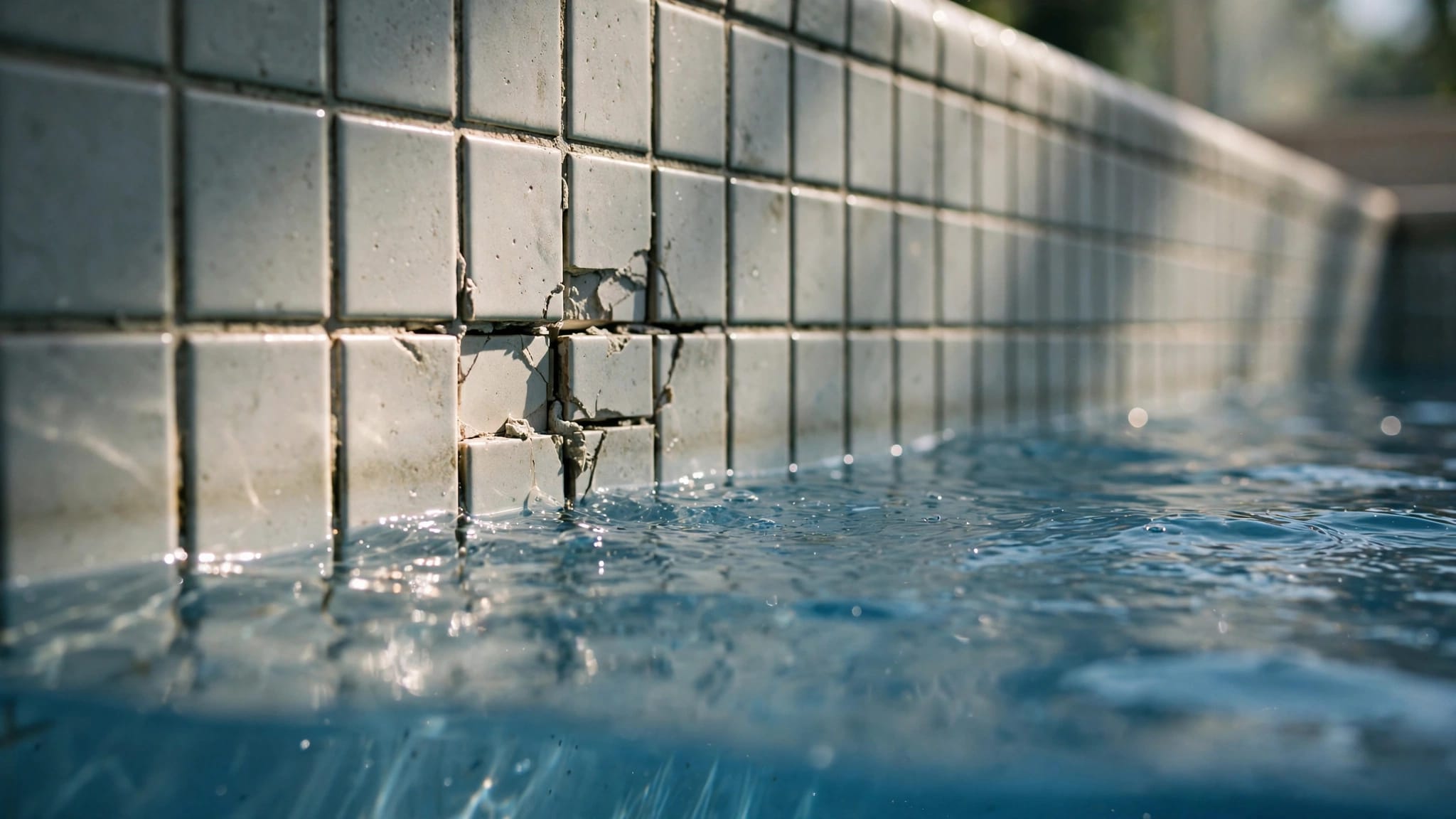
Pool surfaces tell stories as well. Cracks in plaster, loose tile, hollow spots, or a rough finish can all mean water is escaping where it should not. If you have a pool that is older or has had several repairs, the surface may be part of the problem. For more help spotting that kind of damage, the signs of pool surface leaks are worth a close look.
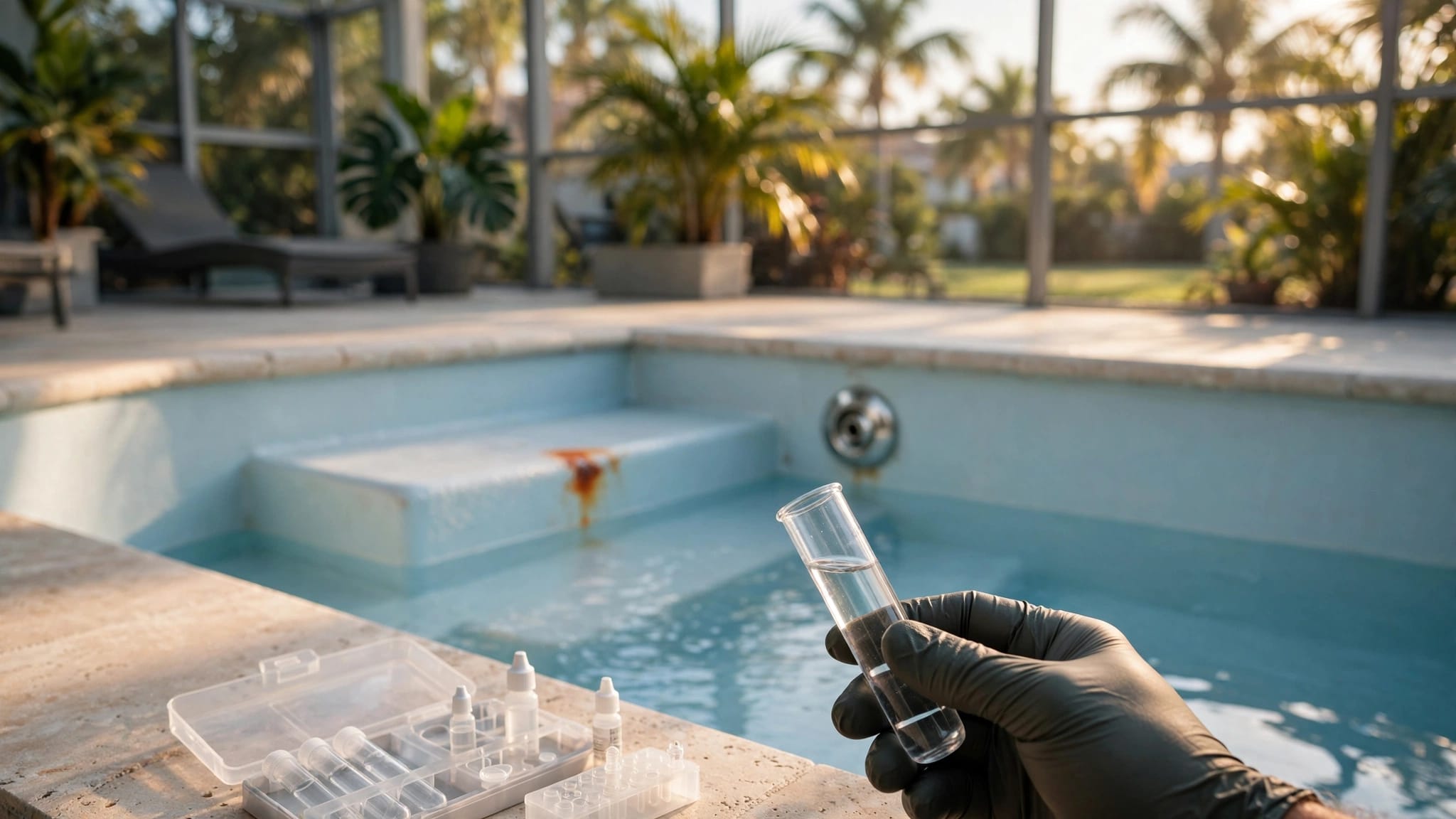
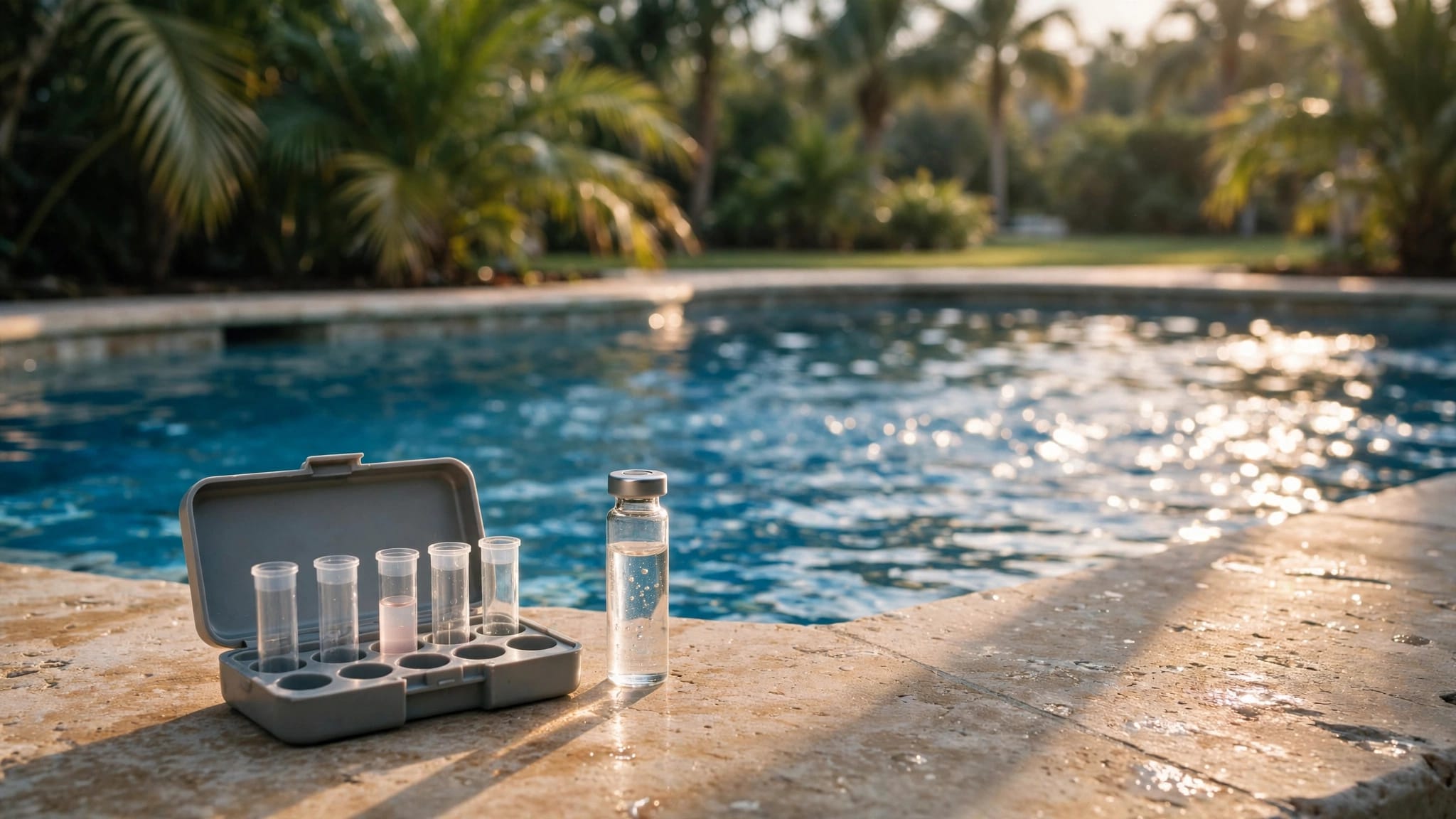
The bucket test is another simple tool. It does not fix anything, but it helps you see whether the pool is losing water faster than the air around it.
- Fill a bucket with pool water and set it on a step or ledge.
- Mark the water line inside the bucket and on the pool.
- Leave the pump running and let both sit for 24 hours.
- Compare the two marks the next day.
If the pool level drops more than the bucket level, the pool is losing water faster than evaporation alone would explain. If both levels fall about the same, the weather is probably doing most of the work.
This test works best when you do it on a calm day. Strong wind can make the result harder to read.
When cracks, tiles, or equipment point to a bigger issue
Some water loss comes from the pool structure itself. A cracked skimmer throat, worn fitting, loose return jet, or damaged light niche can let water escape without leaving an obvious splash. Underground plumbing leaks can be harder still, because the water may disappear before you ever see it on the surface.
That is why visible wear matters. If the plaster is breaking down, the tile line is shifting, or the finish feels rough and chalky, the pool may need more than a patch. In some cases, the surface has aged enough that recurring leaks keep coming back. When that happens, it helps to think beyond a one-time repair and look at choosing between pool remodeling and resurfacing before the damage spreads.
Cape Coral pools take a lot of sun, and that wears on the shell over time. Add rain, heat, and seasonal storms, and small flaws can turn into bigger losses. A pool that only loses water during the worst heat may be dealing with evaporation. A pool that keeps dropping, leaves damp spots, or shows surface damage needs a deeper inspection.
If the water loss seems tied to the finish, a full renovation may be the right path. If it seems tied to plumbing or equipment, targeted repairs may solve it faster. The right answer depends on where the water is going.
Conclusion
When a pool level drops, start with the weather and the simple checks. Cape Coral heat, sun, and wind can cause real evaporation, especially on open pools. Still, steady water loss , wet ground, pump air, and cracked surfaces point toward a leak.
The bucket test, a close look at the equipment, and a quick walk around the deck can tell you a lot. If the water keeps disappearing after those checks, it's time to stop guessing.
Schedule a professional inspection if the loss feels excessive or keeps coming back, and Get a Free Estimate for an on-site look at the problem.