A saltwater pool conversion in Cape Coral usually costs less than many homeowners expect, but the final number can move fast once equipment, wiring, and pool size enter the picture. In 2026, most existing pools fall in the $1,200 to $3,500 range, with some simple jobs landing lower and more involved setups climbing higher.
That wide spread makes sense. A small, newer pool with compatible equipment needs far less work than an older system that needs electrical updates and parts replacement. If you're comparing pool sanitation options this year, the real question is how much the conversion costs now and what it costs to keep running later.
What Cape Coral homeowners can expect to pay
For most Cape Coral pools, a straight saltwater conversion starts with a salt chlorine generator, a salt cell, controls, plumbing changes, and the initial salt load. A basic job can come in near the low end if the equipment is already in good shape. A more complete install often lands closer to the middle of the local range.
The rough numbers for 2026 look like this:
| Cost item | Typical range |
|---|---|
| Basic saltwater conversion | $1,200 to $2,500 |
| Full conversion with added labor or upgrades | $1,400 to $3,500 |
| Initial salt load | $80 to $200 |
| Salt cell replacement later | $500 to $1,200 |
Those numbers fit the Cape Coral market better than a national average. Local climate, pool use, and corrosion exposure all push the price around. Warm water, frequent rain, and heavy swim season use make durable equipment more important here.
If you want a quote that fits your pool instead of a broad estimate, a local on-site visit matters. You can Get a Free Estimate and compare the expected conversion cost against your current setup.
Why the price changes from one pool to the next
Two pools can look similar and still need very different work. The age of the equipment is often the biggest factor. A newer pump and filter may only need the generator and salt cell added, while an older system may need rewiring, extra valves, or a new control setup.
Pool size also matters. Larger pools need a stronger generator and a larger salt cell, which raises the upfront price. More water means more sanitizer demand, especially if your pool gets heavy weekend use or stays busy year-round.
Compatibility is another big piece. Some systems are easy to convert because the plumbing and electrical layout already support a salt unit. Others need more labor because the panel lacks room, the bonding needs adjustment, or the pump setup doesn't match the new equipment.
The cheapest quote isn't always the best one. If the equipment is undersized, the system can wear out faster and cost more later.
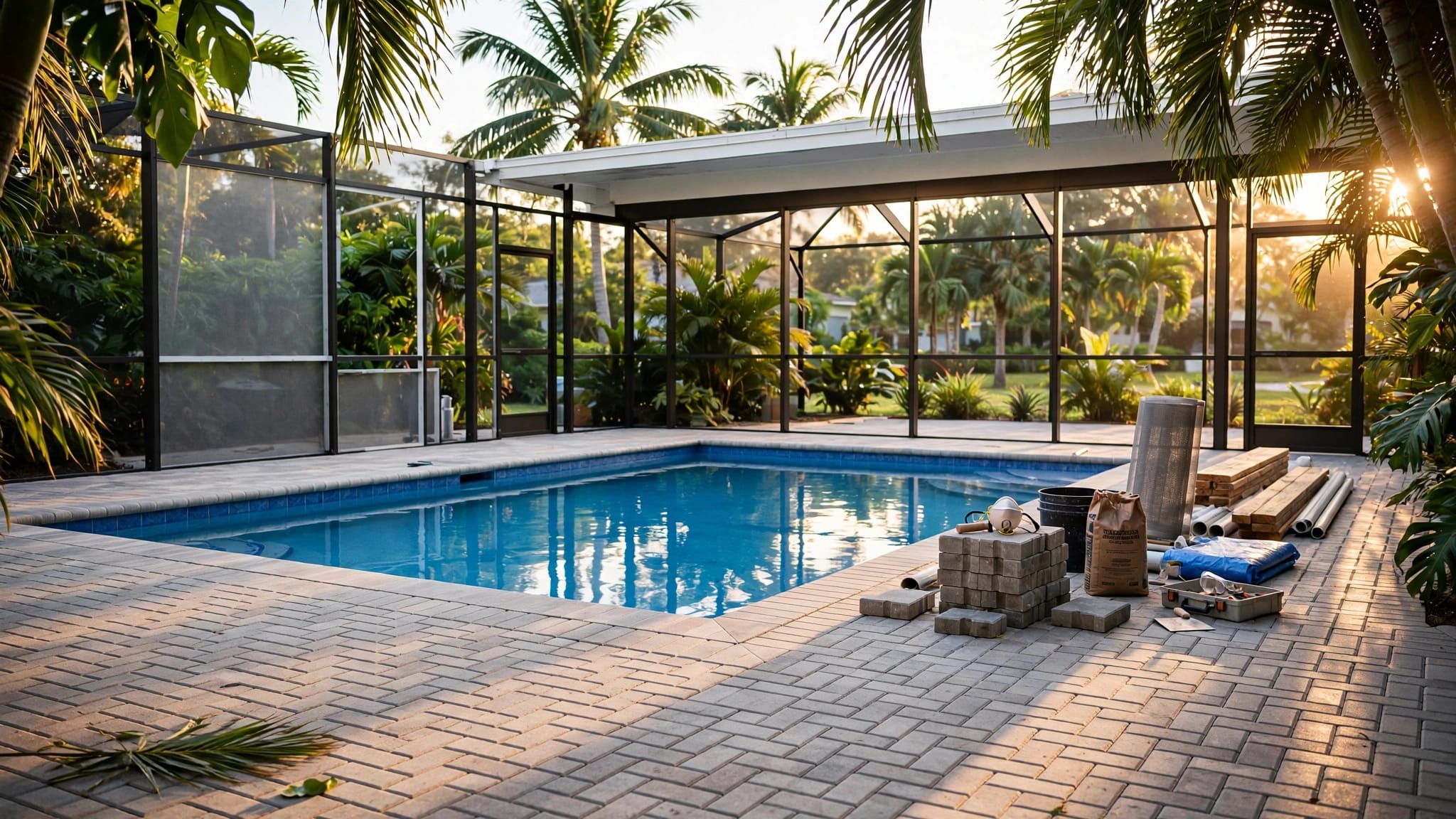
Cape Coral homes also face salt air, heat, and strong sun. Those conditions are hard on metal parts and cheap finishes. That's one reason many owners choose a conversion during a larger upgrade, especially if they already plan to refresh the deck, tile, or equipment pad.
The costs that don't show up in the first quote
The first installation price gets most of the attention, but ongoing costs matter just as much. Salt systems lower the need to buy chlorine all the time, yet they do not remove maintenance. They shift part of the work from regular chemical purchases to equipment care.
The main recurring costs are usually these:
- Salt cell replacement : Most cells last about 3 to 7 years, depending on use and water balance.
- Water testing and balancing : Salt systems still need regular testing for salt level, pH, alkalinity, and calcium.
- Occasional cleaning : Scale can build up on the cell, especially if water chemistry drifts.
- Minor part replacement : Sensors, o-rings, and flow switches can wear out over time.
For many homeowners, the salt cell is the biggest long-term expense. A cell that lasts closer to seven years feels manageable. A cell that fails early changes the math fast. Heavy use, high heat, and poor water balance can shorten its life.
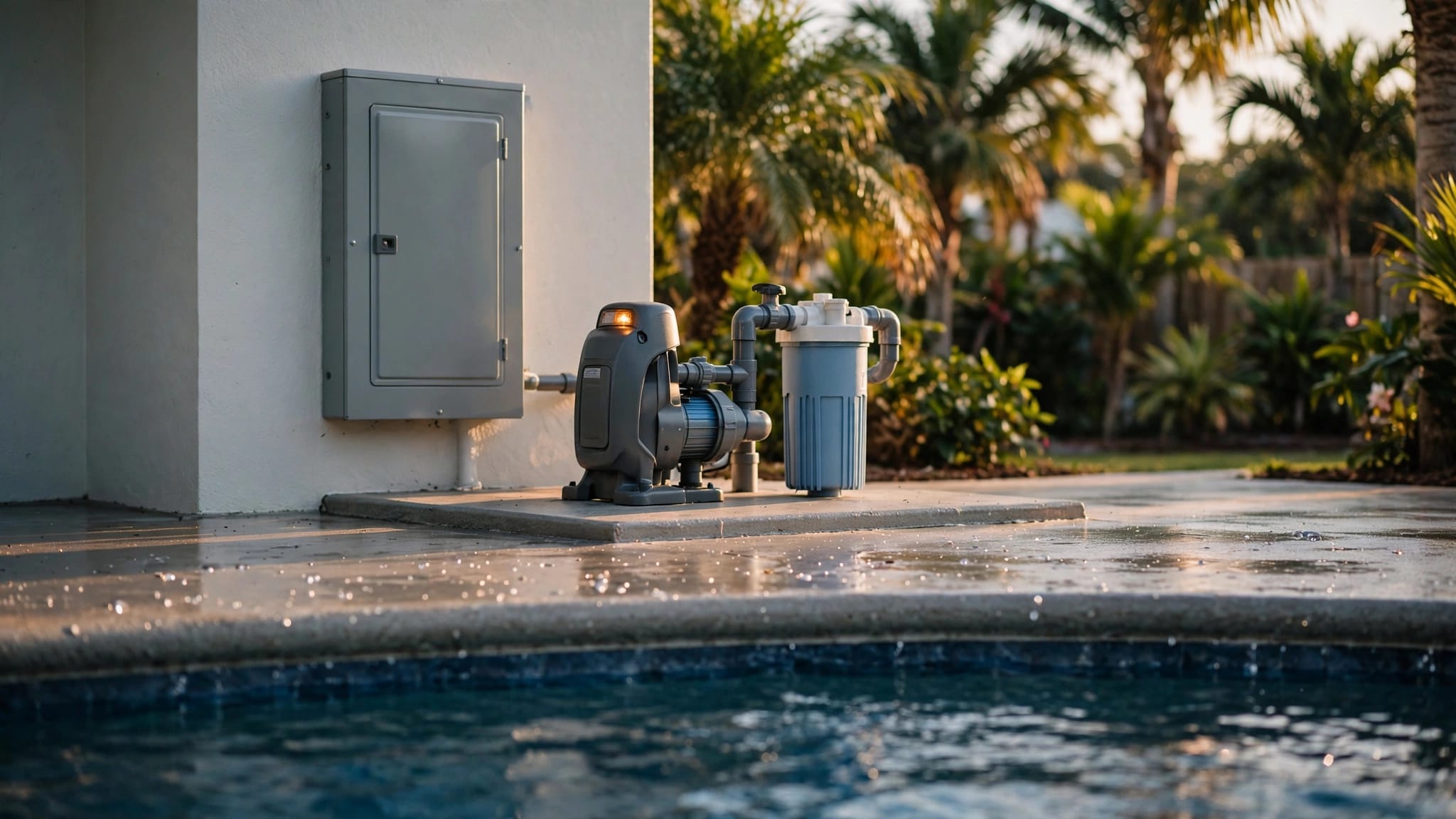
Electric use can also change a quote in a quiet way. Salt systems themselves do not always draw a huge amount of power, but an aging panel or undersized electrical run may need work before the unit can be installed safely. That can add a few hundred dollars or more, depending on the home.
When a conversion makes sense, and when it doesn't
A saltwater system works well for many Cape Coral pools, but it isn't the right answer for every setup. If your equipment is newer and your pool shell is in good shape, a conversion often makes sense because it improves day-to-day care and cuts down on manual chlorination.
A conversion can be a smart move if:
- Your pump, filter, and plumbing are in good condition.
- You want steadier sanitizer levels with less hand dosing.
- Your pool gets frequent use.
- You plan to keep the pool for several more years.
It may be better to pause if:
- The pump and filter are near the end of their life.
- The electrical system needs major work.
- You already need resurfacing or a broader pool renovation and resurfacing plan.
- The pool has recurring water balance issues that haven't been solved yet.
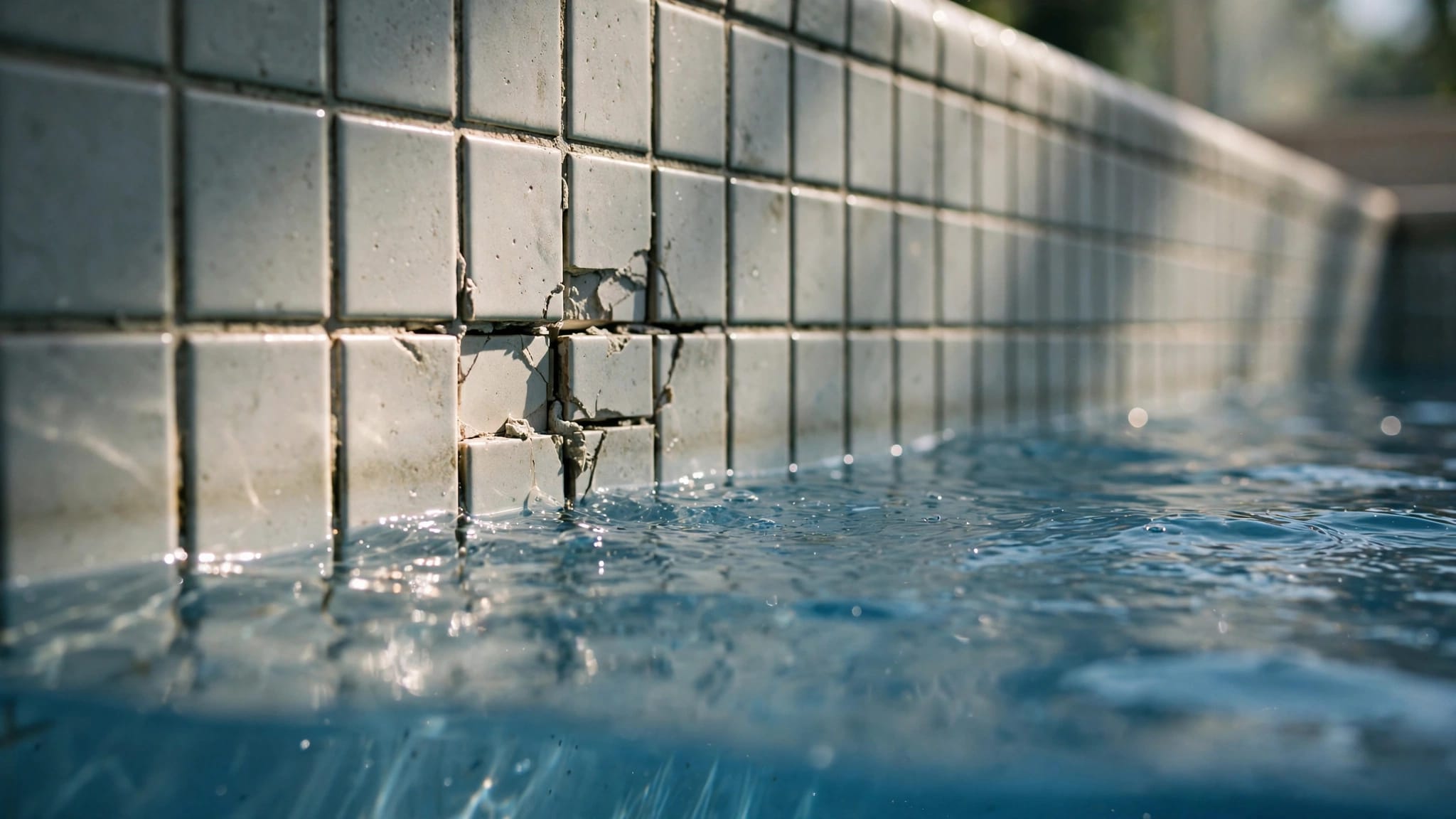
For some homeowners, the choice comes down to timing. If you already need tile repair, surface work, or equipment updates, bundling the conversion into a larger project can make more sense than piecing it out. In that case, looking at saltwater vs chlorine pools for Cape Coral homes can help you compare the real tradeoffs before you spend.
How to compare quotes the smart way
A good quote should spell out more than a single price. It should show the generator size, whether a new salt cell is included, and whether electrical work is part of the bid. If those details are missing, the low number may not be the real total.
Ask how the installer handles the initial salt load, bonding checks, and startup testing. Also ask what brand or capacity they plan to use. A unit sized for a small pool may save money at first, but it can struggle later if the pool runs hot, gets heavy use, or has a larger water volume than expected.
A solid Cape Coral estimate should also cover:
- the condition of your existing pump and filter
- space at the equipment pad
- any electrical upgrades needed
- salt cell life expectancy
- start-up balancing and first service visit
That detail matters because salt systems are not one-size-fits-all. The right setup runs quietly in the background. The wrong one keeps asking for attention.
Maintaining your new system in Cape Coral
Cape Coral weather is great for swimming, but it can be tough on pool equipment. Heat speeds up wear, and rain can dilute salt levels after a heavy storm. That means your system needs regular checks, even if the water feels fine.
Simple habits help extend the life of the cell and keep the cost down over time. Test the water on a schedule, clean the cell when scale appears, and keep the water balanced before small issues grow. If the system starts producing too little chlorine, the cause is often a dirty cell or an imbalance, not a failed unit.
Annual service can also catch problems before they turn into a bigger bill. A quick inspection of the pump, flow switch, and control box can reveal corrosion or loose connections early. In a coastal area like Cape Coral, that kind of maintenance is cheap insurance.
Conclusion
The saltwater pool conversion cost in Cape Coral for 2026 usually lands between $1,200 and $3,500 , with the biggest swings tied to pool size, equipment age, and electrical needs. The upfront number matters, but the salt cell lifespan, maintenance, and compatibility with your current system shape the real long-term cost.
For homeowners who plan to keep their pool and want easier sanitation, a well-sized conversion can be a practical upgrade. The best estimate is the one built around your actual pool, not a generic average.