A Cape Coral final pool inspection can feel like the finish line, and in many cases it is. When the pool passes, you are one step closer to using the space the way you planned.
The visit is still serious. Inspectors look for a finished pool, safe access, and work that matches the approved plans. Exact requirements can vary by permit, property, and current local code enforcement, so confirm the details with your contractor and the local permitting authority before inspection day.
Why the Final Inspection Matters
The last inspection is the city's final check before a new pool gets the green light for use. In Cape Coral, final approval usually comes only after the pool and electrical finals are already approved, so this is one of the last steps in the whole process.
That timing matters because small unfinished items can stop approval. A missing gate latch, an open trench, or a deck that still needs cleanup can turn a nearly finished job into a return visit.
If you are still early in the process, a Cape Coral gunite pool construction timeline helps show where this inspection sits in the full build.
A pool can look finished and still fail if one safety detail is missing.
The inspector is not there to judge style. The goal is simpler than that, the pool area needs to be complete, safe, and ready for normal use.
What Inspectors Usually Check in Cape Coral
The exact checklist changes with the permit, the property, and current enforcement, but the same inspection categories come up again and again. Think of this as the map the inspector follows.
| Inspection area | What the inspector wants to see | What you can check first |
|---|---|---|
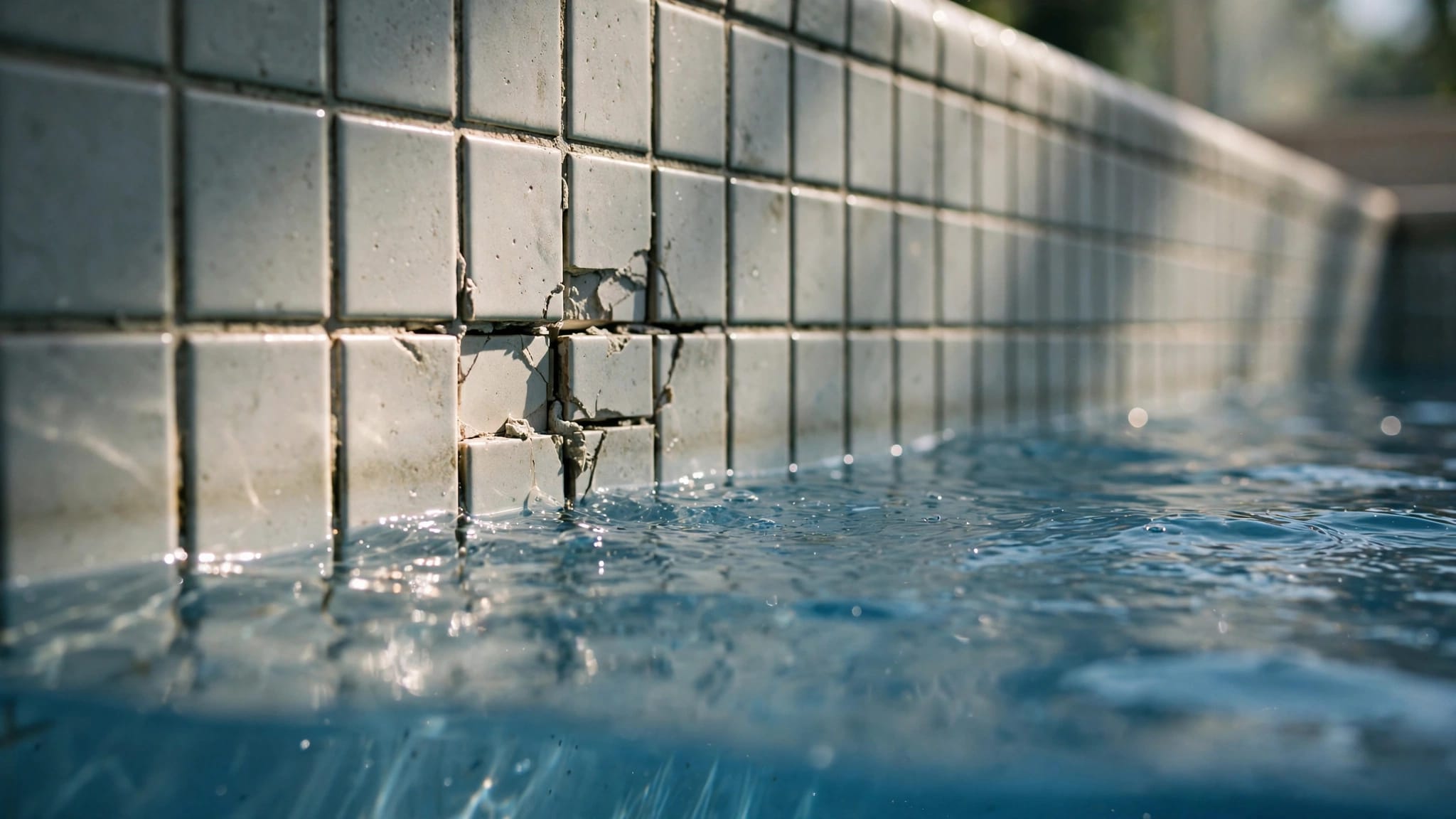
| Pool structure and finish | No visible structural problems, complete work, and no obvious defects | Look for cracks, loose fittings, or unfinished surfaces |
| Safety barriers and access | Gates, fences, screens, latches, and other barriers in place where required | Test gates, latches, and self-closing hardware |
| Decks and walking areas | Safe, finished surfaces with proper drainage and no trip hazards | Clear debris, check pavers, and look for standing water |
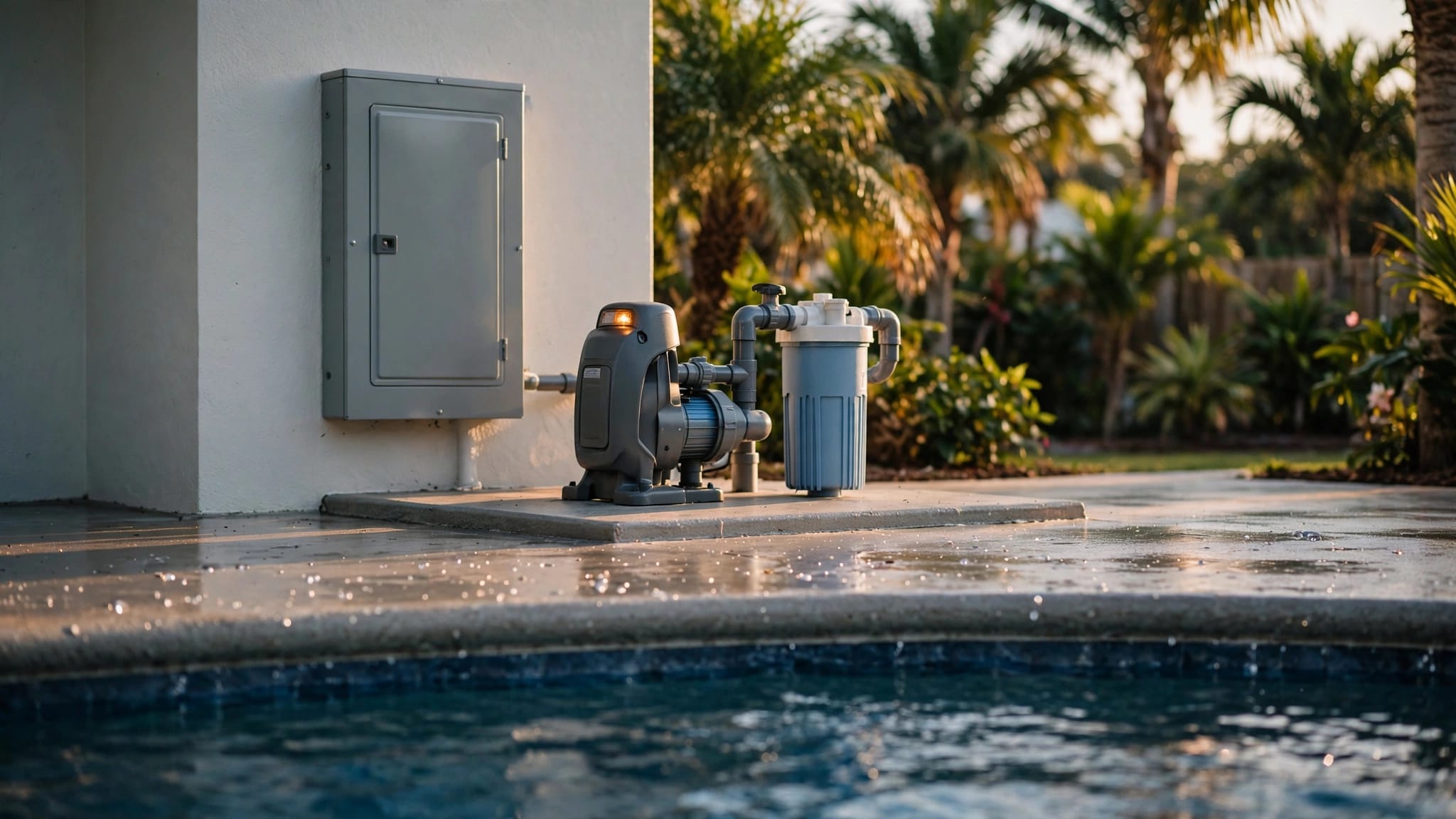
| Equipment and utility areas | Equipment pads, platforms, and access points installed and located correctly | Make sure equipment is accessible and nothing blocks service space |
| Site condition and paperwork | No trenches, no fall hazards, and any needed final survey or approvals on file | Confirm all open items are closed with your contractor |
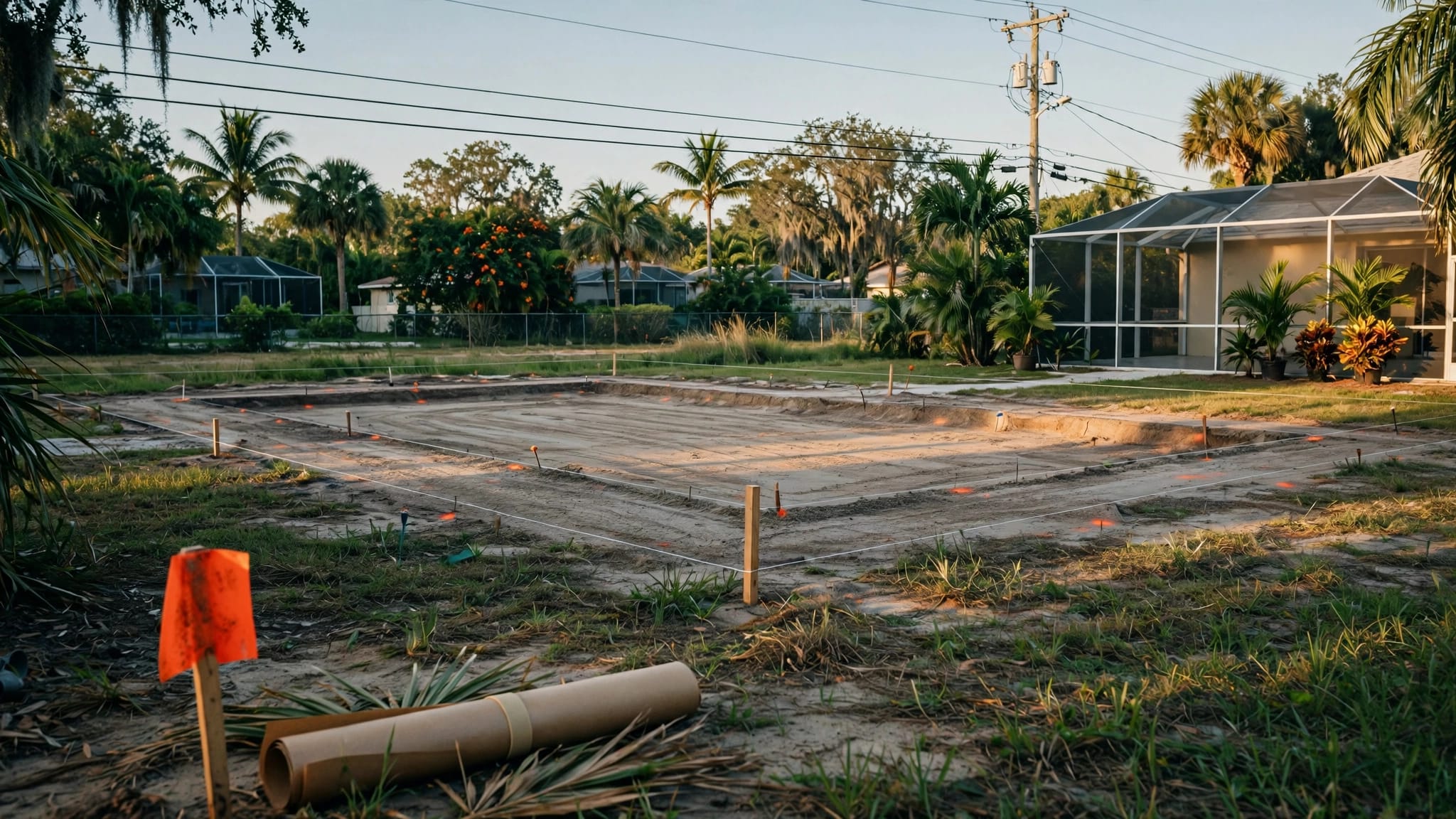
A finished-looking pool area makes this part easier. The inspector wants to see that the project is not half done in disguise. If the yard still looks like a construction zone, expect more questions.
This is also where local details matter. Waterfront lots, easements, drainage patterns, and lot lines can all affect what gets checked.
Getting the Site Ready Before Inspection Day
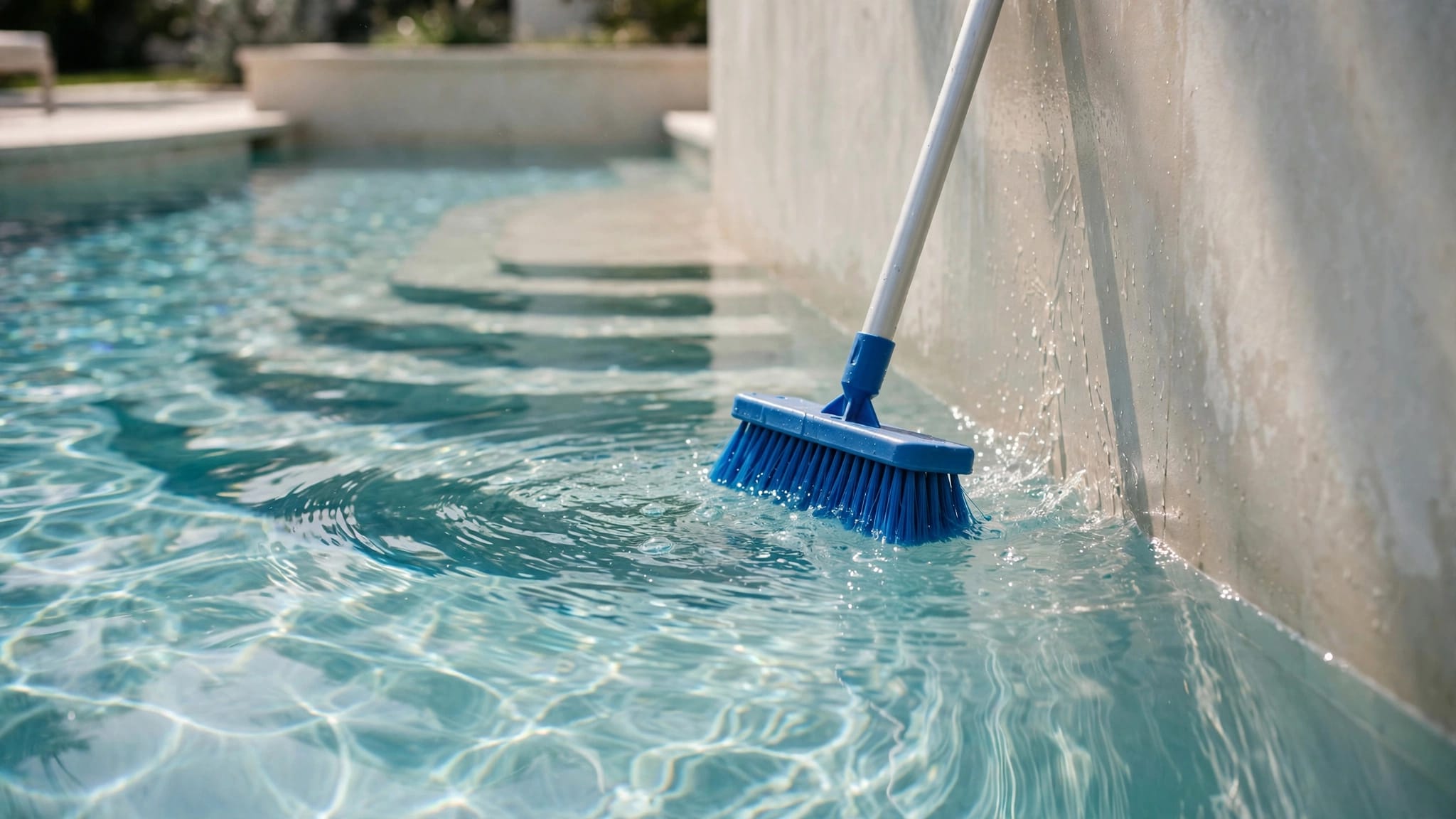
A clean site helps the inspection move faster. It also makes it easier for the inspector to see the work without stepping around tools, scraps, or temporary barriers.
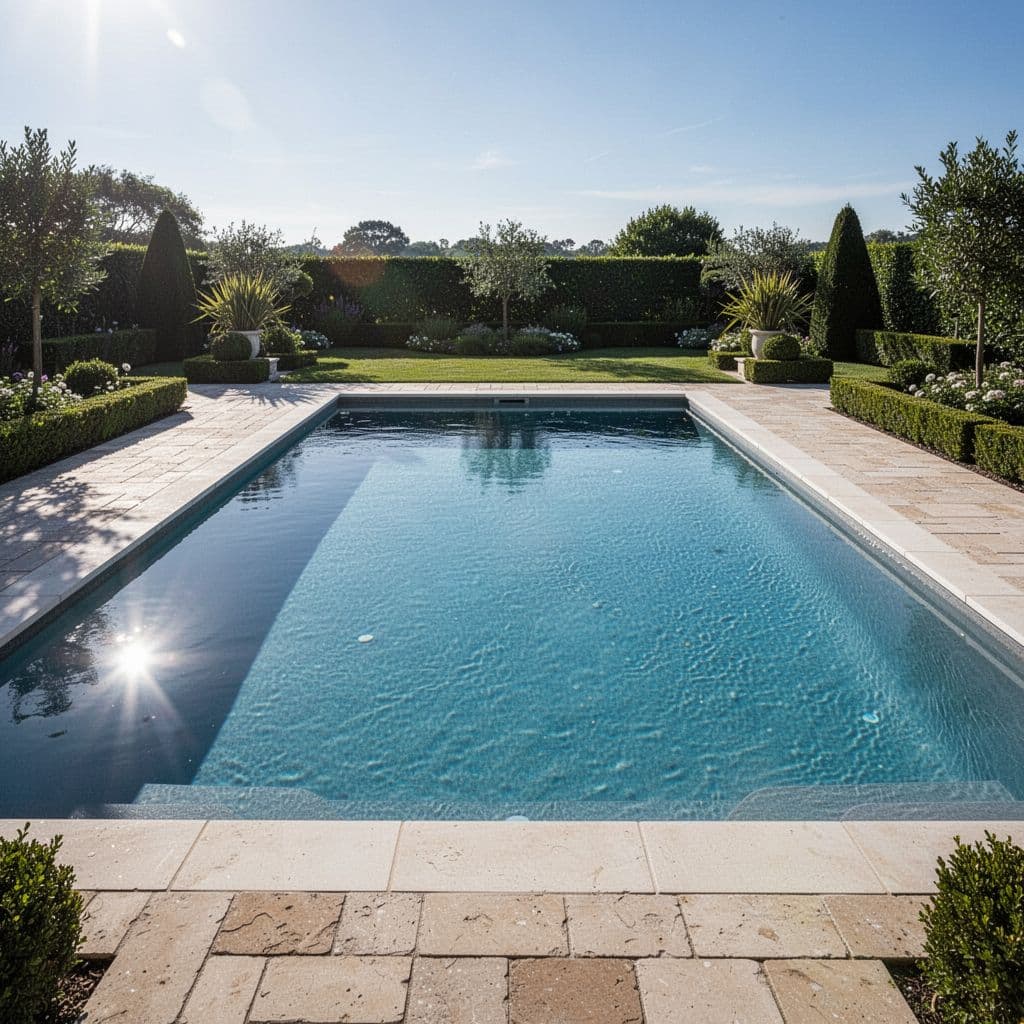
Start with the basics, then walk the yard like a stranger would.
- Clear all loose materials, including tools, buckets, hoses, trash, and leftover construction debris.
- Remove tripping hazards from walk paths, especially near steps, equipment pads, and doors.
- Check that gates close and latch the right way, and that any required barrier parts are installed.
- Make sure the deck, coping, and surrounding surfaces are finished and safe to walk on.
- Confirm that the equipment area is accessible and that no temporary items block service access.
- Ask your contractor whether any paperwork still needs attention before the visit.
A quick walkthrough can catch more than you expect. A loose rail, a missing cover, or a gate that sticks can be easy to miss during the rush to finish.
If you are waiting on one last correction, do not assume it will pass "close enough." Inspectors usually want the site fully ready, not almost ready.
Common Delays That Can Push Approval Back
The most common delays are usually small, but they matter. A tiny issue at the end can hold up the whole approval.
- Missing barrier parts : A fence section, latch, screen opening, or gate hardware may still need to be installed.
- Open safety issues : Trenches, sharp edges, loose materials, or other hazards can stop the sign-off.
- Drainage problems : Standing water or poor slope on the deck can create a failure point.
- Incomplete trade finals : Electrical, plumbing, or other related approvals may still be pending.
- Paperwork gaps : A final survey, plan revision, or other required document may not be in place.
- Equipment placement issues : Pads, platforms, or service areas may need to be moved if they sit where they should not.
Waterfront properties can have extra layers of review. If your project sits near a seawall, take a look at pool projects near a seawall early in the process, because setbacks, drainage, and separate approvals can affect the final visit.
Cape Coral lots also vary more than many homeowners expect. Two pools on the same street can face different inspection details if the site layout changes. That is why your contractor should check the permit package against the actual yard, not just the plan set.
What Happens After the Inspector Leaves
If the pool passes, the project moves into its last stretch of approval and closing out. The contractor can then finish any final cleanup, and you can start thinking about normal use with less stress hanging over the job.
If the pool does not pass, the inspector usually leaves a list of corrections. That list is not the end of the road. It is simply the next to-do list, and a good contractor will go through it with you so the next visit goes better.
If you are still deciding who should handle the work, the guide to inground gunite pool construction is a useful look at the path that leads up to this stage. And if you want help planning your own project, Get a Free Estimate is the fastest way to start the conversation.
A careful final walkthrough usually saves time later. It is much easier to fix a latch, a slope issue, or a paperwork gap before the inspector arrives than after the visit is over.
Conclusion
A final pool inspection in Cape Coral is the last quality check before the pool is cleared for use. The process is usually straightforward when the work is complete, the site is clean, and the paperwork is in order.
The smartest move is to treat the inspection like a real deadline. Confirm the details with your contractor, make sure the yard is safe, and close out the small items before the inspector shows up.
When the final check goes well, the backyard feels done for the first time. That is the moment most homeowners have been waiting for.