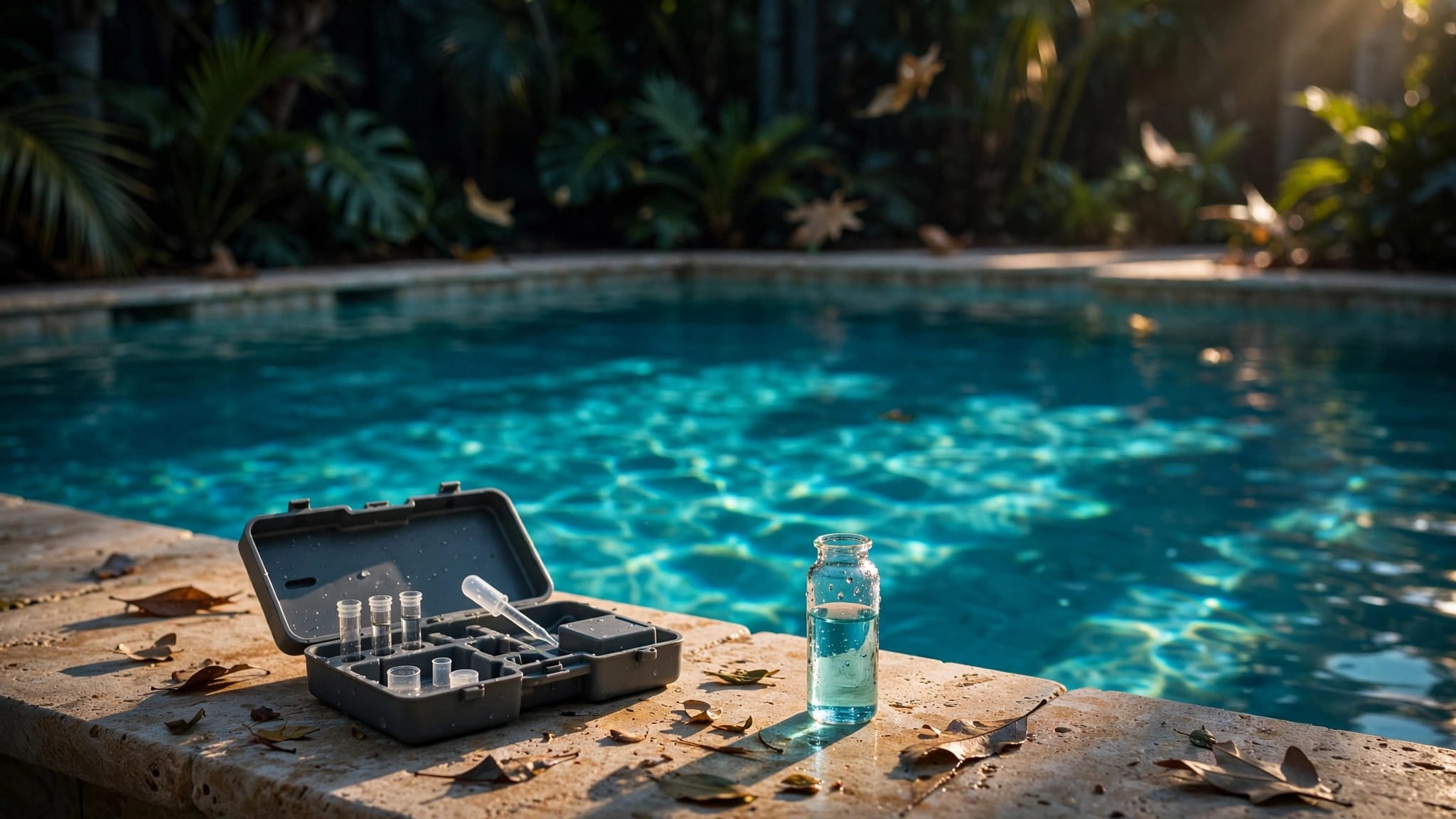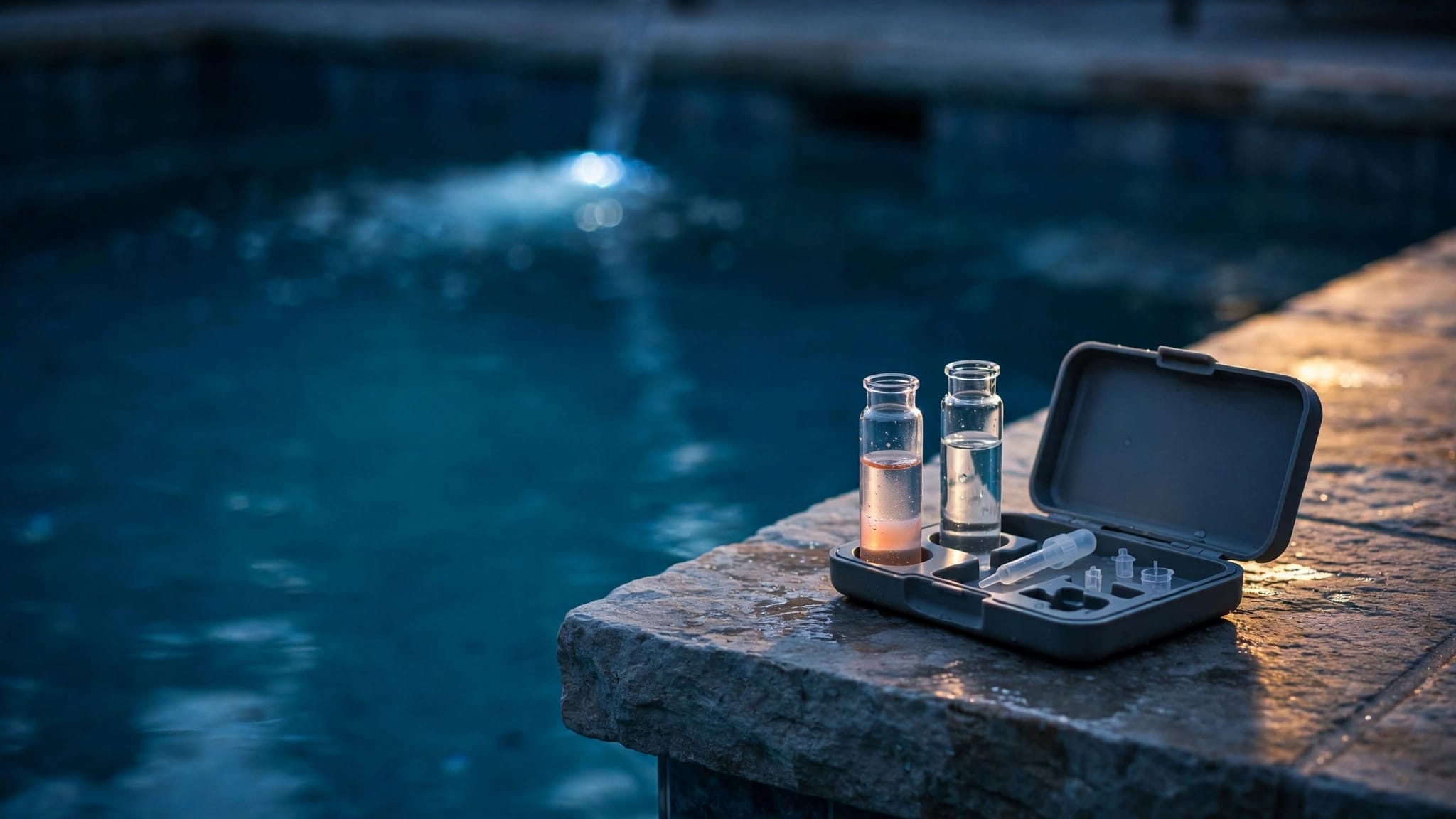
A dirty cartridge can make a Florida pool cloudy, strain the pump, and push the pressure gauge higher than normal. Learning how to clean cartridge pool filter media correctly protects water flow and helps the filter last longer.
Heat, heavy rain, pollen, sand, and screened-enclosure debris keep many Cape Coral pools working year-round. Safe cleaning starts before the lid moves, so shut down the pump, release all pressure, and follow the filter manufacturer's instructions. Then use the right rinse method.
How to Clean Cartridge Pool Filter Media Safely
A safe cleaning job begins at the equipment pad. Keep children away from the area, and don't open the housing until the pump is off and the tank has no trapped pressure.
- Turn off the pump at the timer and service breaker. Confirm that it can't start while you're working.
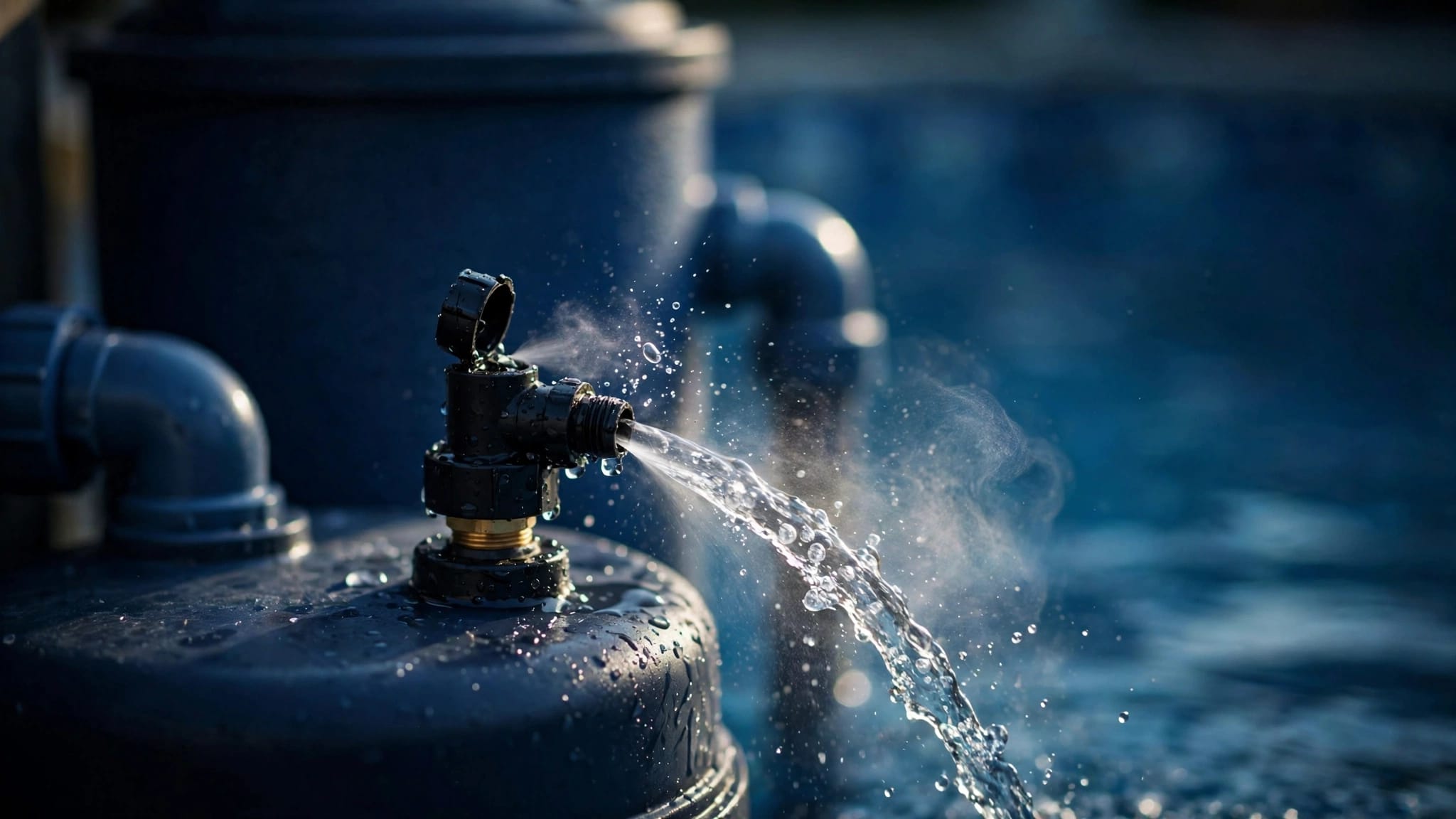
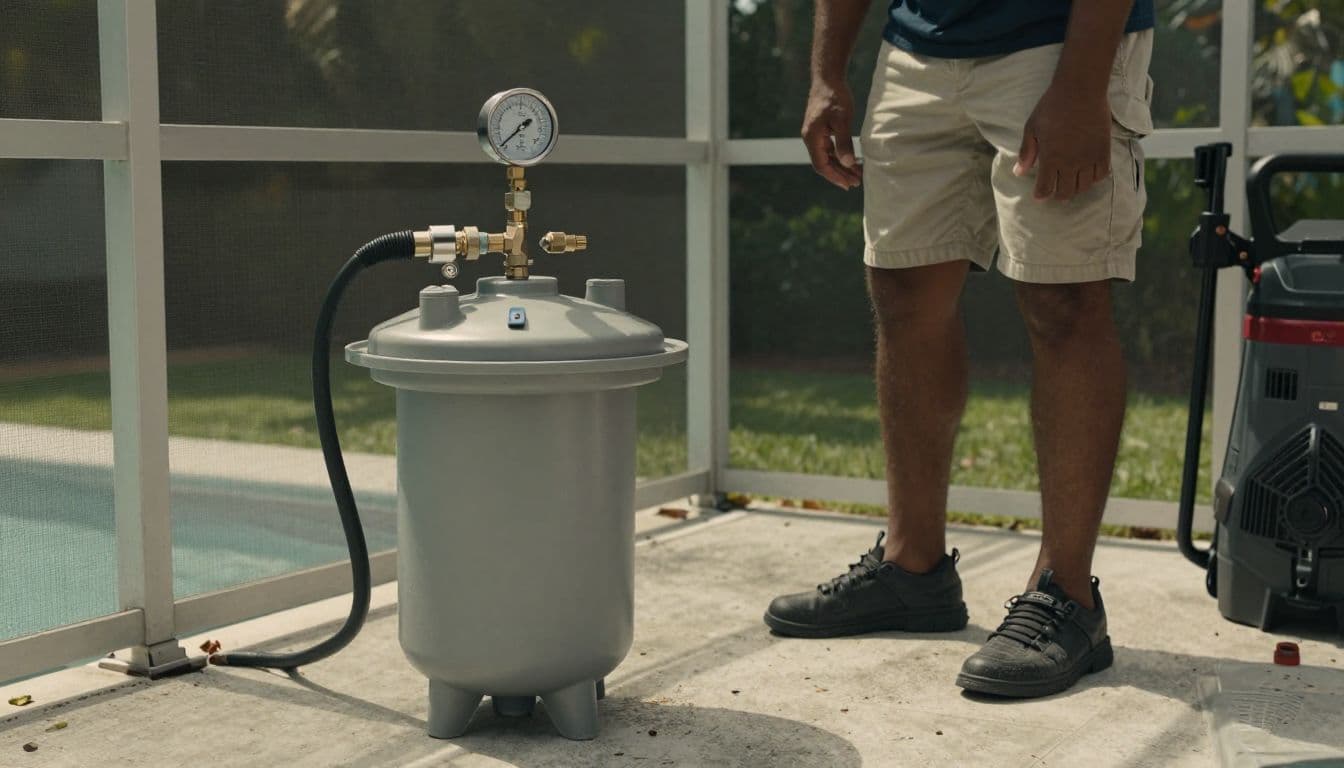
- Follow the filter manual to close any required valves. Open the air-relief valve, then watch the pressure gauge until it reads zero. If the gauge is stuck or pressure continues, stop and call a pool professional.
- Remove the clamp, band, or lid only as the manufacturer directs. Loosen parts evenly because a pressurized housing can release water or cause the lid to move suddenly.
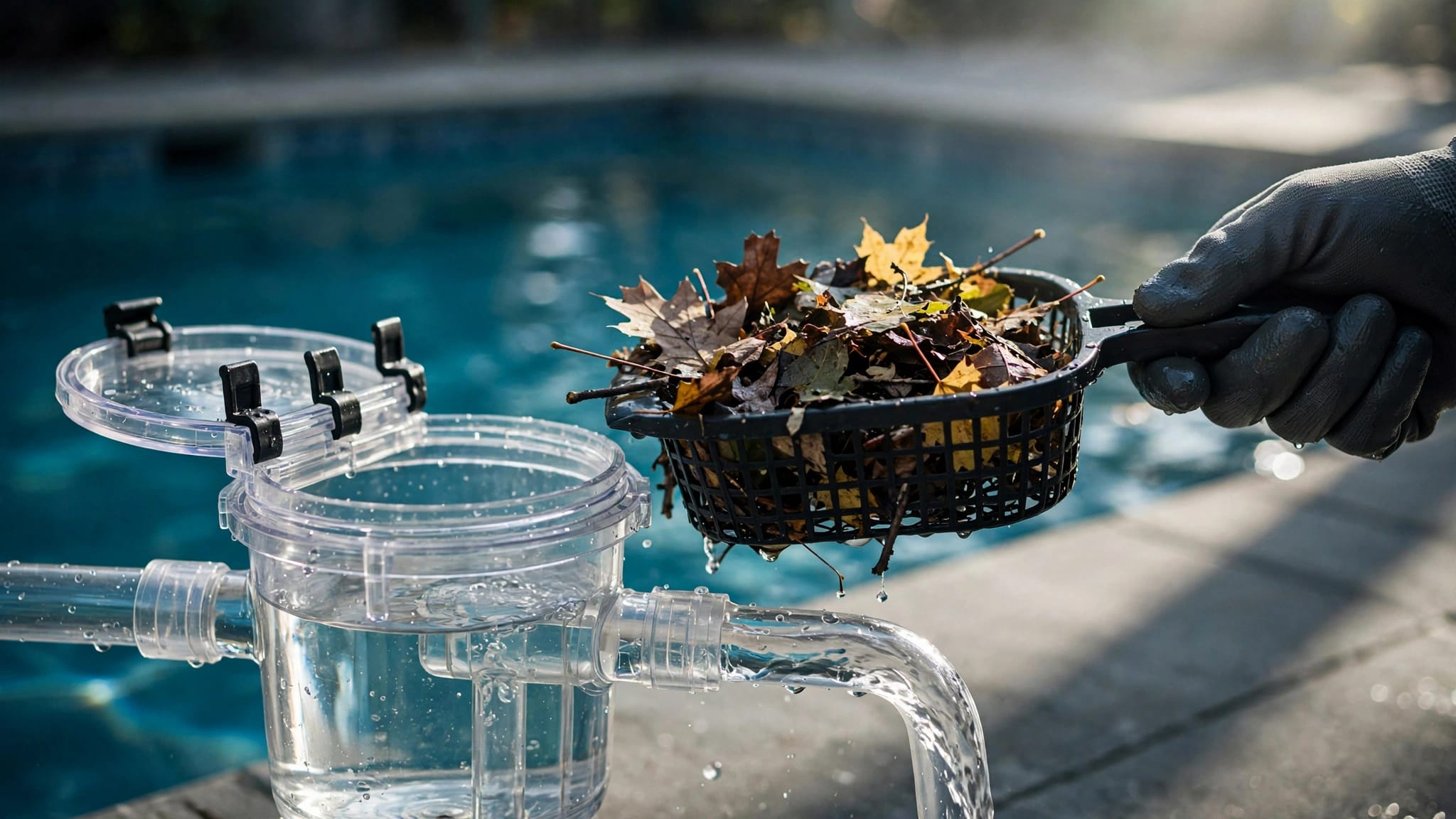
- Lift out the cartridge and note its position. Inspect the tank, center tube, gasket, and cartridge for cracks, tears, or collapsed pleats.
Rinse the cartridge without damaging it
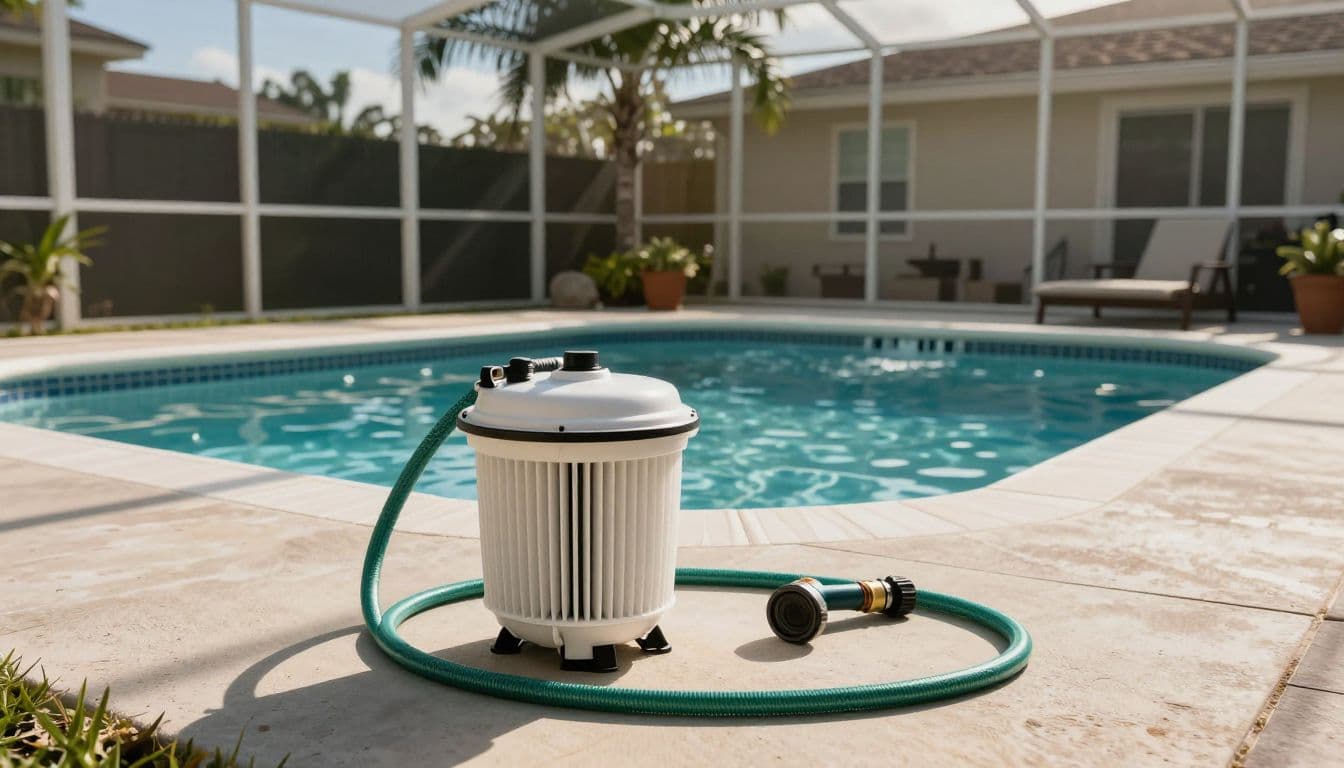
Take the cartridge to a clean area with good drainage. A garden hose with a spray nozzle is preferred over a pressure washer. High-pressure water can tear the pleats, damage the fabric, and force debris deeper into the cartridge.
Hold the cartridge upright and spray from the top down at a slight angle. Work between the pleats, rotate the cartridge, and continue until the water runs clear. Avoid forcing the nozzle directly against the fabric, bending the pleats, or scrubbing with a stiff brush.
A clean cartridge pool filter should have intact fabric, end caps, and plastic supports. Replace a damaged cartridge instead of reinstalling it.
Set a Cleaning Schedule for Florida Pool Conditions
Florida weather can shorten the time between cleanings. Pollen after windy days, leaves after storms, sunscreen from heavy use, and algae treatment can all load a cartridge quickly.
Inspect the filter monthly, then use the pressure gauge to set your routine. Many Florida pools need a rinse every four to eight weeks , but the correct interval depends on the pool's debris load, circulation schedule, and manufacturer recommendations.
Clean sooner after a tropical storm, heavy rain, an algae bloom, or unusually high swimmer use. A screened enclosure reduces large leaves, yet fine pollen and dust can still pass through the screen and collect in the filter.
Use an approved soak only when needed
Rinsing removes ordinary dirt. Oils and mineral deposits may require a cartridge-specific cleaner soak, but read the product label and filter manual first. Use only a cleaner approved for pool-filter cartridges.
Avoid harsh household chemicals such as dish detergent, bleach, degreasers, and acids unless the cartridge manufacturer specifically approves them. These products can damage the filter fabric, seals, and water chemistry. Never mix cleaning products, and rinse the cartridge thoroughly after an approved soak.
Dispose of dirty water safely
Don't send filter rinse water into the street, a storm drain, canal, or a neighbor's property. Where local rules allow, discharge small amounts onto your own landscaped area, away from foundations, wells, septic systems, and surface water.
If the water contains concentrated chlorine or algaecide, or your property can't absorb it safely, ask a pool professional or local utility about an approved sanitary-sewer disposal method.
Check Pressure Gauge Readings Before and After Cleaning
Your pressure gauge gives you a useful comparison, but only if you know the filter's clean starting point.
After reinstalling the cartridge, check the O-ring and housing surfaces for dirt or damage. Seat the cartridge correctly, close the housing evenly, and follow the manual's instructions for the clamp or lid. If the manufacturer allows lubricant, use pool-safe silicone on the O-ring only.
Restore the valves, start the pump, and open the air-relief valve until water flows steadily. Close the valve, check for leaks, and record the pressure while the pump runs normally. That reading is your clean baseline.
Many manufacturers recommend cleaning when pressure rises about 8 to 10 pounds per square inch above the clean baseline . Always use the filter maker's stated limit when it differs. A high reading that returns quickly can point to an inadequately rinsed cartridge, a blocked return line, a closed valve, or an undersized filter.
Low pressure can indicate a clogged skimmer basket, blocked pump basket, low pool water, an air leak, or a pump problem. The gauge should return to zero after the pump is off and the pressure has been released. If it doesn't, the gauge may need replacement.
Replace the cartridge when the pleats tear, end caps crack, plastic supports break, or the filter stays dirty despite proper cleaning. Repeated pressure spikes can also mean the cartridge is worn out or the equipment no longer matches the pool's needs.
If you're considering an equipment update during a renovation, review these Cape Coral pool filtration options before choosing a replacement system. For a cracked housing, leaking clamp, faulty pressure gauge, electrical problem, or pressure that remains abnormal, Get a Free Estimate from a qualified pool contractor.
Conclusion
Cleaning a cartridge pool filter is manageable when you use the right sequence. Turn off the pump, shut off power, release every bit of pressure, and follow the manufacturer's opening instructions before touching the housing.
Rinse with a garden hose and spray nozzle, avoid unapproved chemicals, dispose of dirty water responsibly, and track the clean pressure baseline. In Florida, regular inspections matter because heat, rain, pollen, and year-round pool use can fill a cartridge faster than expected.