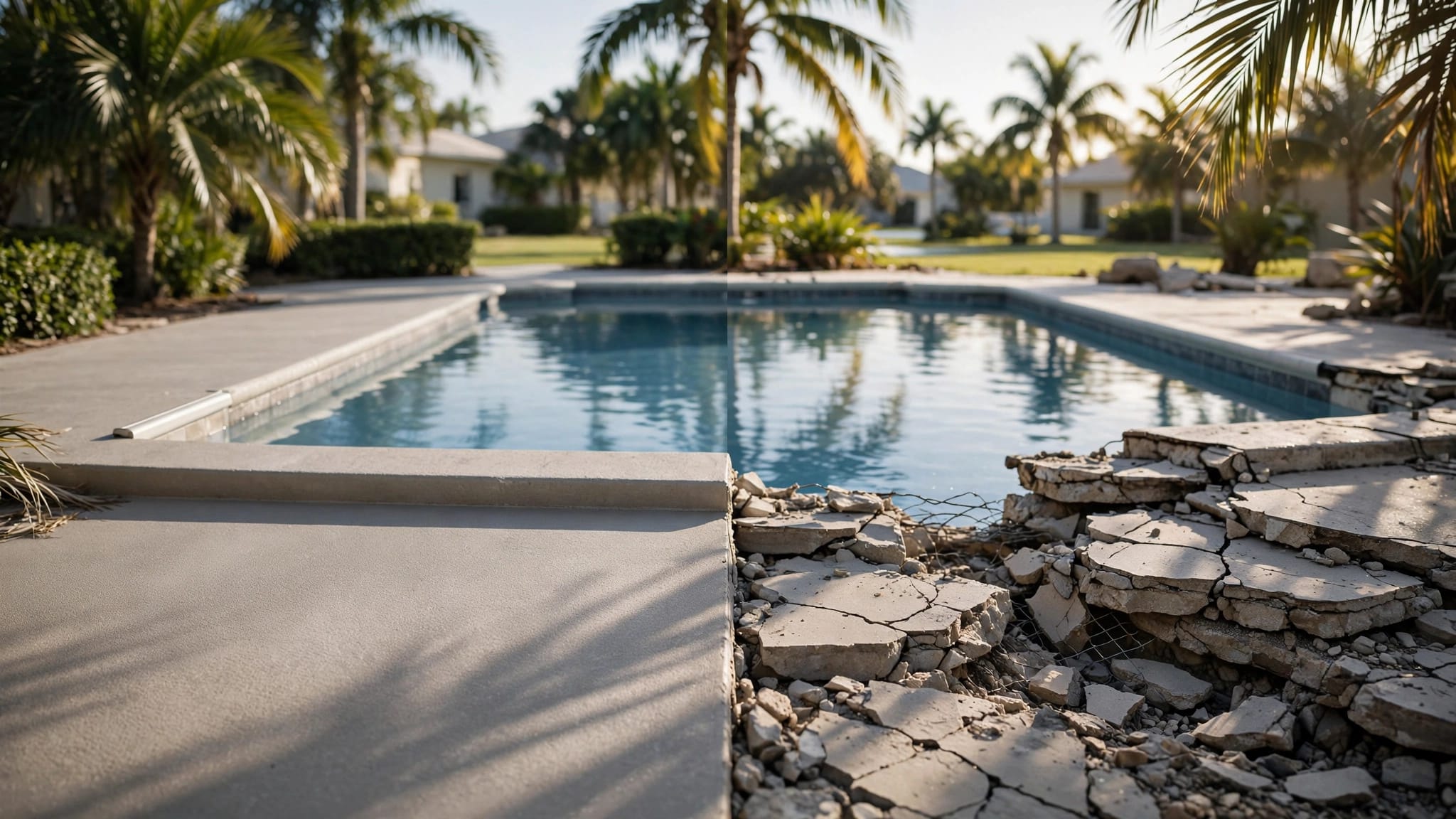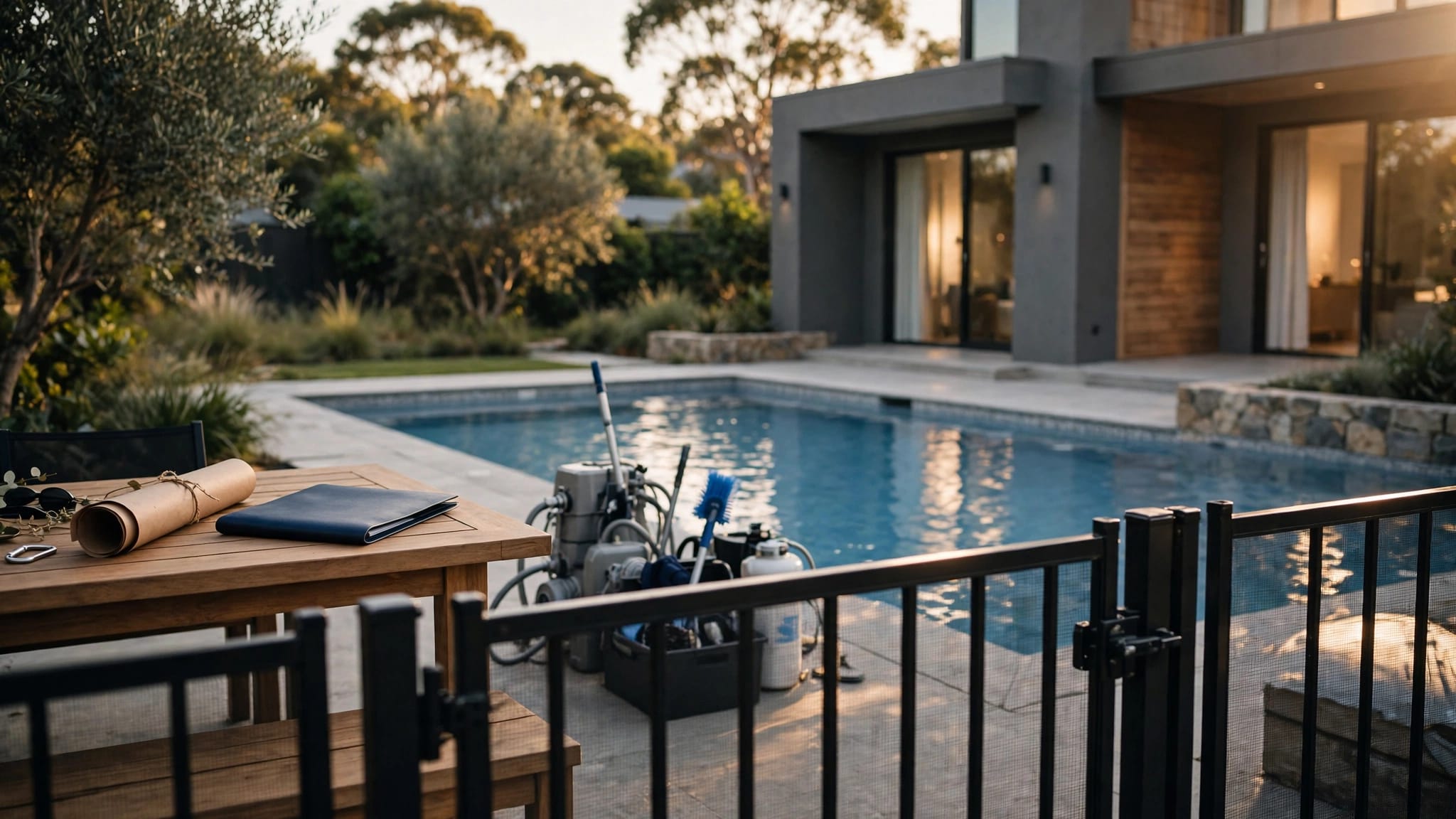
A pool project in Cape Coral can stall over a line you can't see from the backyard. If you're planning an inground pool, the survey often decides whether the design moves forward or needs changes.
Cape Coral currently asks for a final survey on new and replacement pool and spa permits before final inspection. That makes the survey part of the pool plan, not an afterthought. Because property conditions and permitting rules can vary, it pays to verify the current requirements before construction starts.
Why a pool survey matters before the first shovel hits the ground
A pool survey shows where your property really ends, where structures can go, and where problems may show up. That matters in Cape Coral because lots are often tight, and backyard space disappears fast once you add a pool, patio, equipment pad, and screen enclosure.
The survey helps check setback compliance , which is the distance between your pool features and property lines or easements. It also helps with drainage. In Southwest Florida, water has to go somewhere during heavy rain, and the layout can't block flow or create a low spot that traps runoff.
A survey does more than confirm boundaries. It tells the city and your builder how the lot sits, slopes, and connects to the rest of the property.
In practical terms, the survey can prevent these common headaches:
- A pool shell placed too close to a side yard line
- Equipment installed inside an easement
- A screen enclosure that conflicts with a setback
- Drainage that pushes water toward a neighbor
- A redesign after excavation starts
If you want a clean permit path, the survey is one of the first pieces that needs to be right.
What the survey usually needs to show
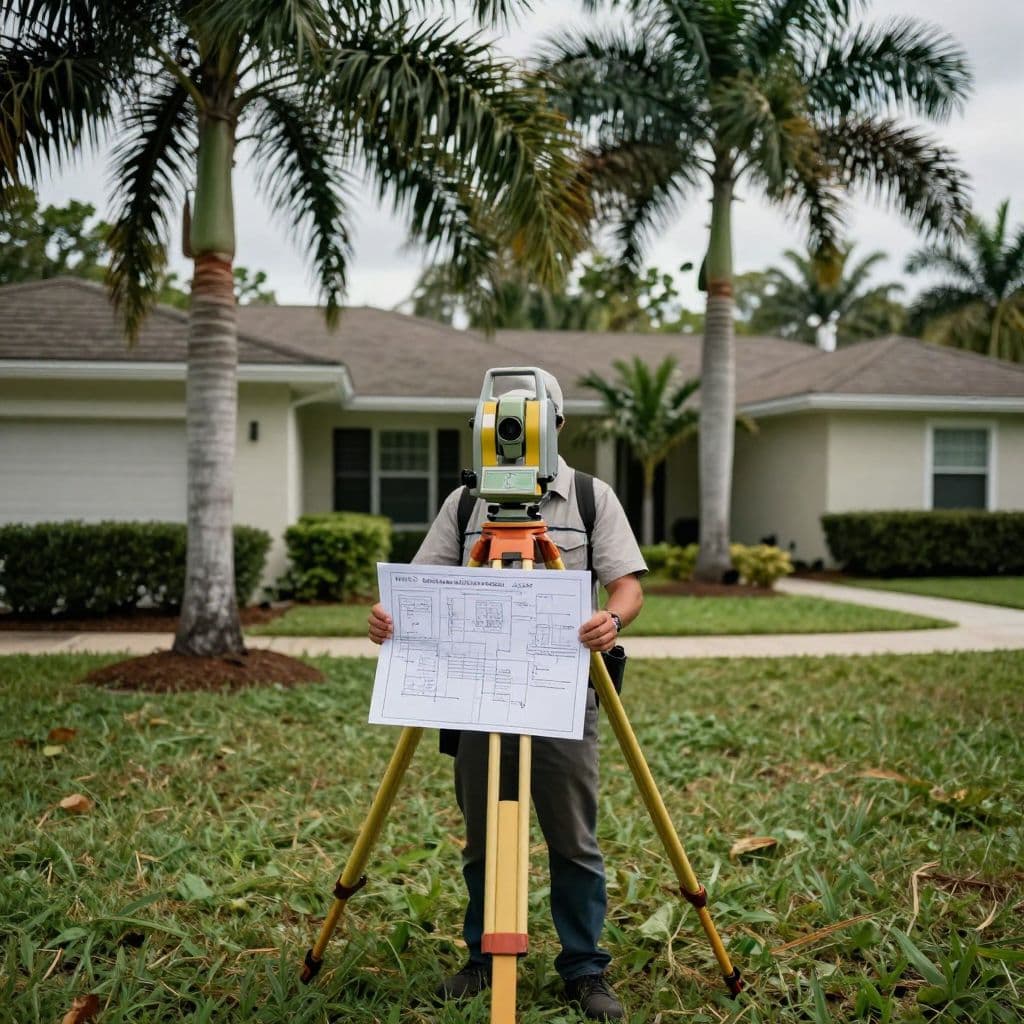
For Cape Coral pool permits, a current survey or site plan often needs to show more than just property lines. It should help reviewers understand how the pool fits the lot and how water will move across it.
Here's what commonly belongs on that drawing:
| Survey detail | Why it matters |
|---|---|
| Pool location | Confirms the pool meets setback rules |
| Equipment location | Helps avoid easements and property line issues |
| Other structures | Shows patios, sheds, fences, lanai areas, and similar features |
| Elevations | Helps reviewers understand drainage and stormwater flow |
| Flood zone line | May be needed if the lot touches more than one flood zone |
| Lowest equipment elevation | May be required in a flood zone area |
The most useful surveys are clear and current. An old survey can miss a fence, a utility change, or a new easement note. A fresh drawing gives your builder and the permitting office a better picture of the lot before the design gets too far along.
A separate boundary survey or site plan is also commonly needed when you apply for the permit. That depends on the lot and the plan, so it's smart to confirm what your specific project needs before you commit to a layout.
Cape Coral lot conditions that can change the answer
Two pools can look alike on paper and still face different survey issues. The lot often decides everything.
Corner lots need extra attention because they may have more setback lines and more exposure to street-side rules. Waterfront lots can bring seawall concerns, flood zone questions, and tighter planning around drainage. Lots with easements can limit where you place the pool, the equipment pad, or even parts of the enclosure.
Septic systems and buried utilities can create another layer of conflict. Even when the pool shell fits, the plumbing route or equipment area may run into something hidden underground. That is one reason a survey should be reviewed beside the plan, not after excavation begins.
A quick comparison helps show where the surprises usually come from:
| Property type | Common survey concern |
|---|---|
| Interior lot | Standard setbacks and drainage |
| Corner lot | Extra yard setbacks and street-side limits |
| Waterfront lot | Flood zone, seawall, and drainage issues |
| Lot with easements | Equipment or pool parts may not fit in restricted areas |
| Lot with septic or utilities | Hidden conflicts can force a layout change |
If your property has any of these conditions, the survey matters even more. The layout may still work, but you need to know that early.
When to order the survey
The best time is before the final pool design gets locked in. That gives your builder room to adjust the shape, depth, equipment location, or enclosure plan if the lot needs it.
If you wait until permit review, you may lose time. If you wait until digging starts, you may lose money. The survey should sit near the beginning of the process, alongside the design and permit work.
That timing matters even more if you want a screen enclosure later. A pool, patio, and enclosure all take up space, and each part needs to fit the lot cleanly. A plan that works for the shell may not work once the cage and equipment are added.
A builder who handles new pool construction can read the survey with you and flag conflicts before plans go to the city. That can save a lot of back-and-forth.
If you're ready to get the process moving, Get a Free Estimate and ask how the survey fits into the permit timeline.
Mistakes homeowners make when they skip the survey step
Skipping the survey usually creates avoidable problems. The most common mistake is relying on an old drawing that no longer matches the lot. A fence may have moved. A utility path may have changed. A new structure may sit where open space used to be.
Another mistake is assuming the pool will fit because the yard looks large enough. In Cape Coral, visible space can shrink fast once setbacks, easements, drainage, and equipment clearances are measured. What looks roomy can turn tight on paper.
Homeowners also overlook the effect of drainage. A yard that sheds water one way before construction may behave differently after excavation, decking, and patio work. That can matter during heavy rain.
Here are a few habits that keep projects on track:
- Use a current survey, not one from years ago
- Review the drawing with the builder before final design approval
- Ask where equipment, drainage, and enclosure posts will go
- Check for easements, flood zones, and utility conflicts
- Verify what the permitting authority wants right now
The goal is simple. You want the design to fit the property before the property fights back.
How the survey fits into the rest of your pool project
A survey is one part of a bigger build sequence. It supports the design, the permit set, and the final layout in the yard. It also gives the crew a better chance of placing the pool correctly on the first try.
That matters for more than new builds. If you later add features like a screen enclosure or make changes near utilities, the same property details can affect the plan. For renovation or resurfacing work, a survey may not always be needed, but it can still come up if the footprint changes or equipment moves.
The main idea is simple. The survey is not paperwork for the sake of paperwork. It is a map of the space you're about to change. When that map is accurate, the project usually moves with fewer surprises.
Conclusion
If you're building a pool in Cape Coral, the safest assumption is that a survey belongs early in the process . It helps confirm setbacks, drainage, easements, and flood-related details before the design gets too far along.
Because requirements can vary by property and permitting authority, verify the current rules before construction starts. A clear survey can save time, reduce redesigns, and keep your pool plan aligned with the lot from day one.
A backyard pool feels much easier when the boundaries are clear.