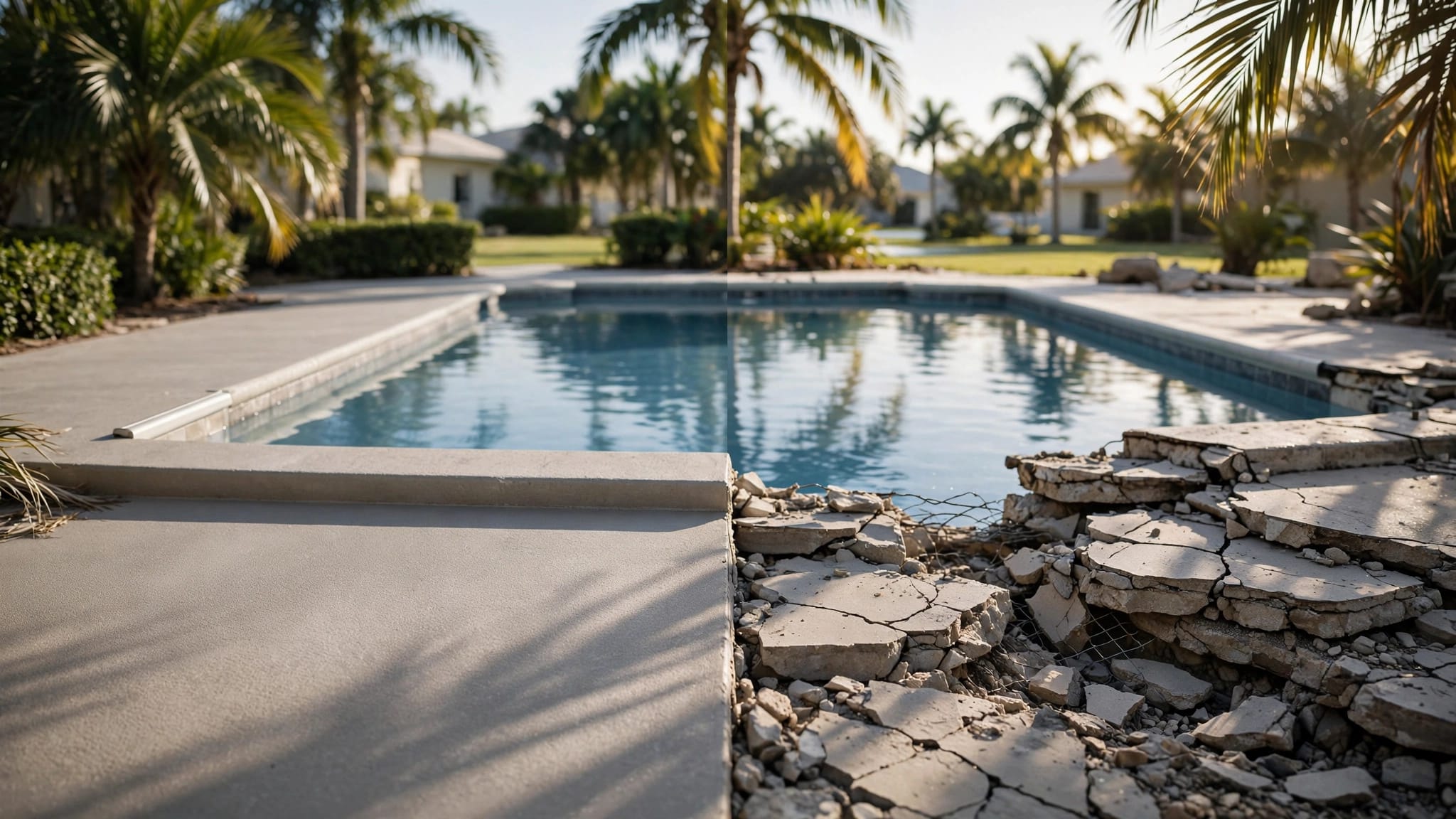
A Cape Coral hurricane can ruin pool equipment faster than most homeowners expect. Wind-driven rain gets into wiring, floodwater reaches motors, and flying debris can crack lids and panels in minutes.
If the power goes out for days, the damage can spread after the storm too, especially when a wet system is restarted too soon. The safest plan is simple, shut down early , keep water away from the pad, and move anything loose before the forecast tightens.
Shut the system down early
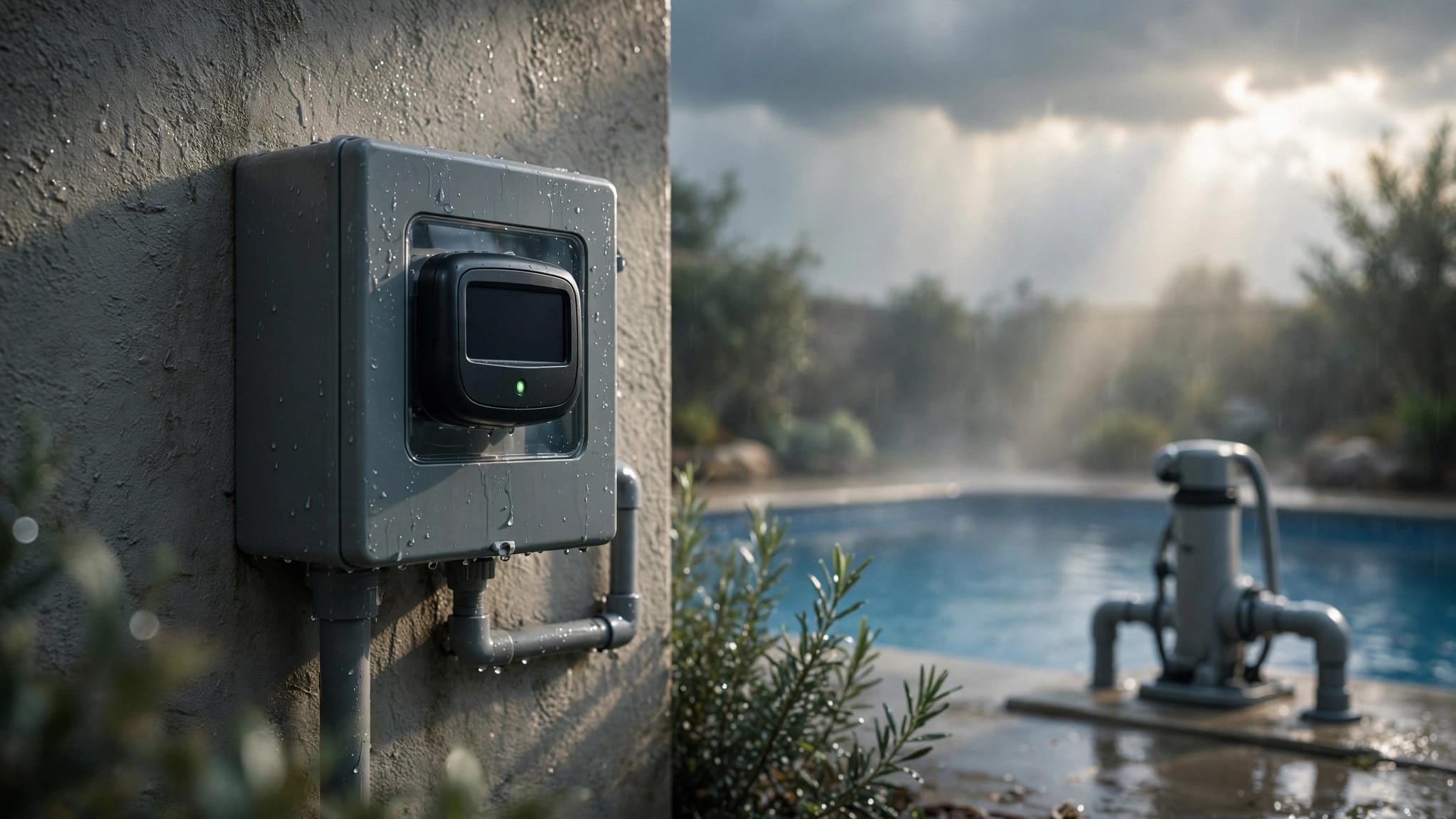
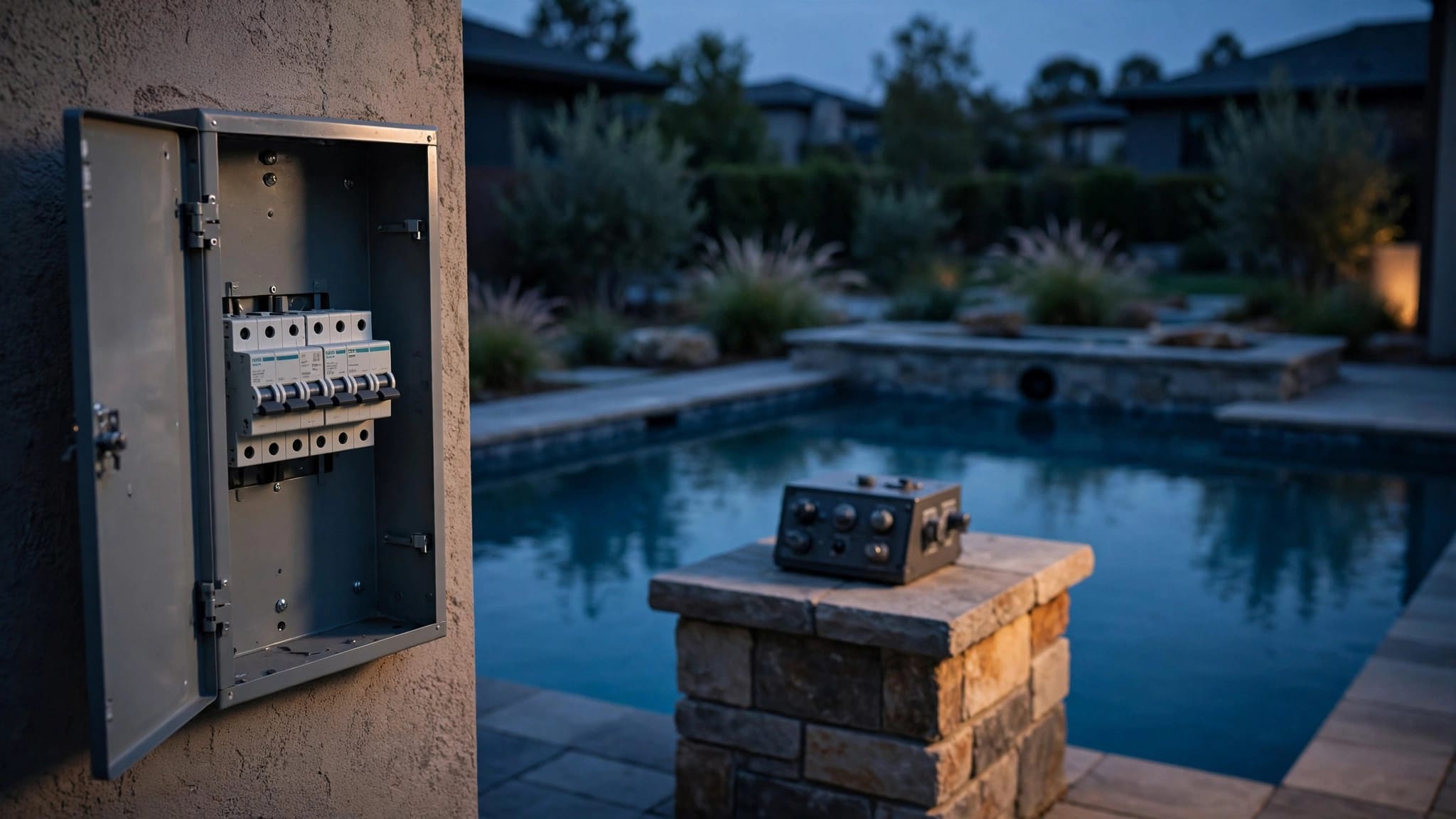
The first step is to cut power before the weather turns ugly. Turn off the pump, heater, salt system, and automation at the breaker, not just at a timer or app. If your setup has more than one panel, label the right breaker before hurricane season so nobody has to guess during a warning.
If rain is already coming sideways, don't wait for one last cycle. A pump that keeps running while water rises can pull in debris, and a control box that stays live can fail later when power flickers back on.
A quick shutdown checklist keeps things simple:
- Turn off the pump, heater, and automation at the breaker.
- Stop any scheduled cycle or remote start setting.
- Close the access door to the equipment area.
- Put tools and extension cords indoors.
A few minutes here can save a motor later. It also lowers the chance of a surprise restart during a long outage.
Secure the pool equipment pad before wind and water hit
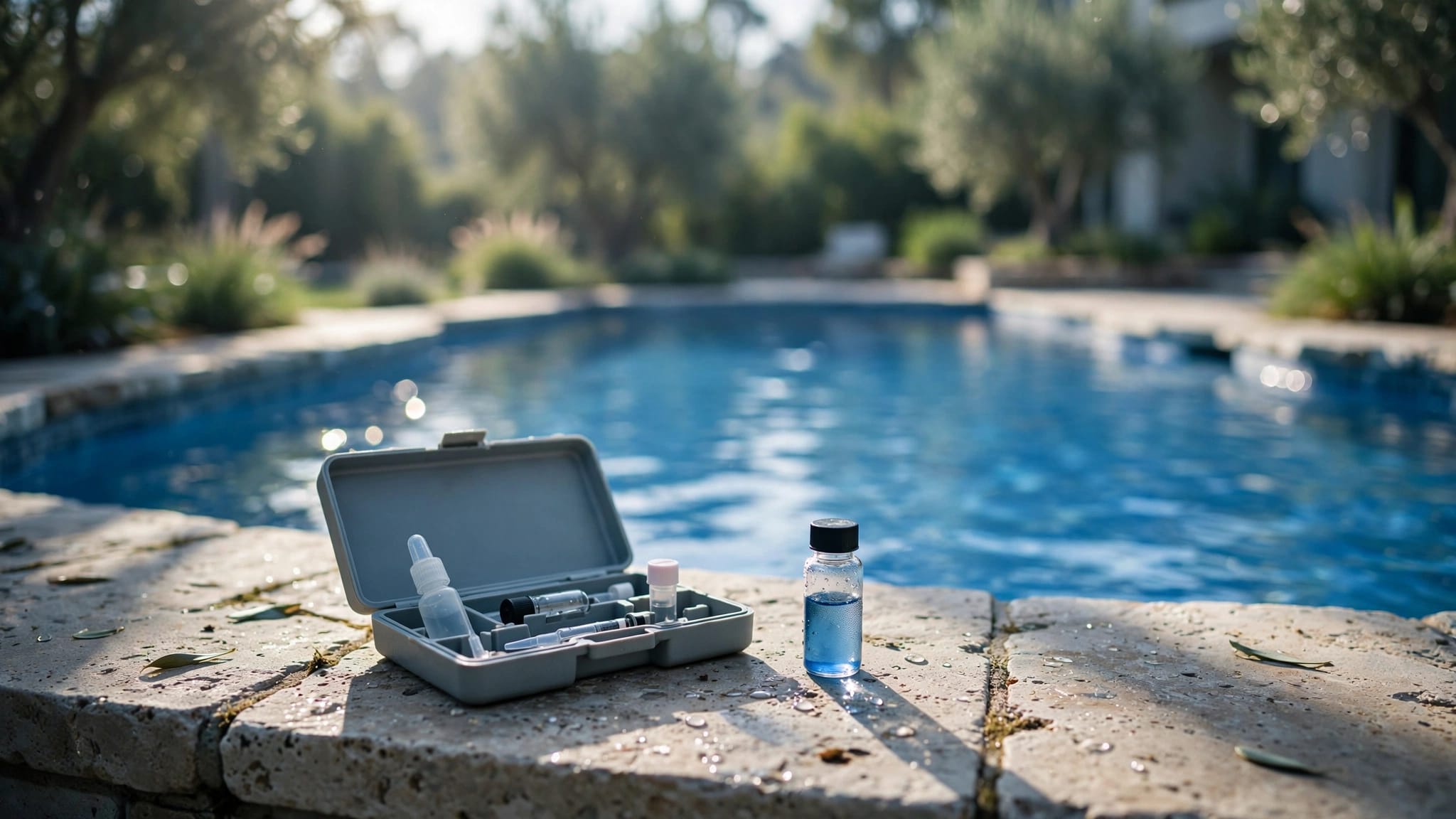
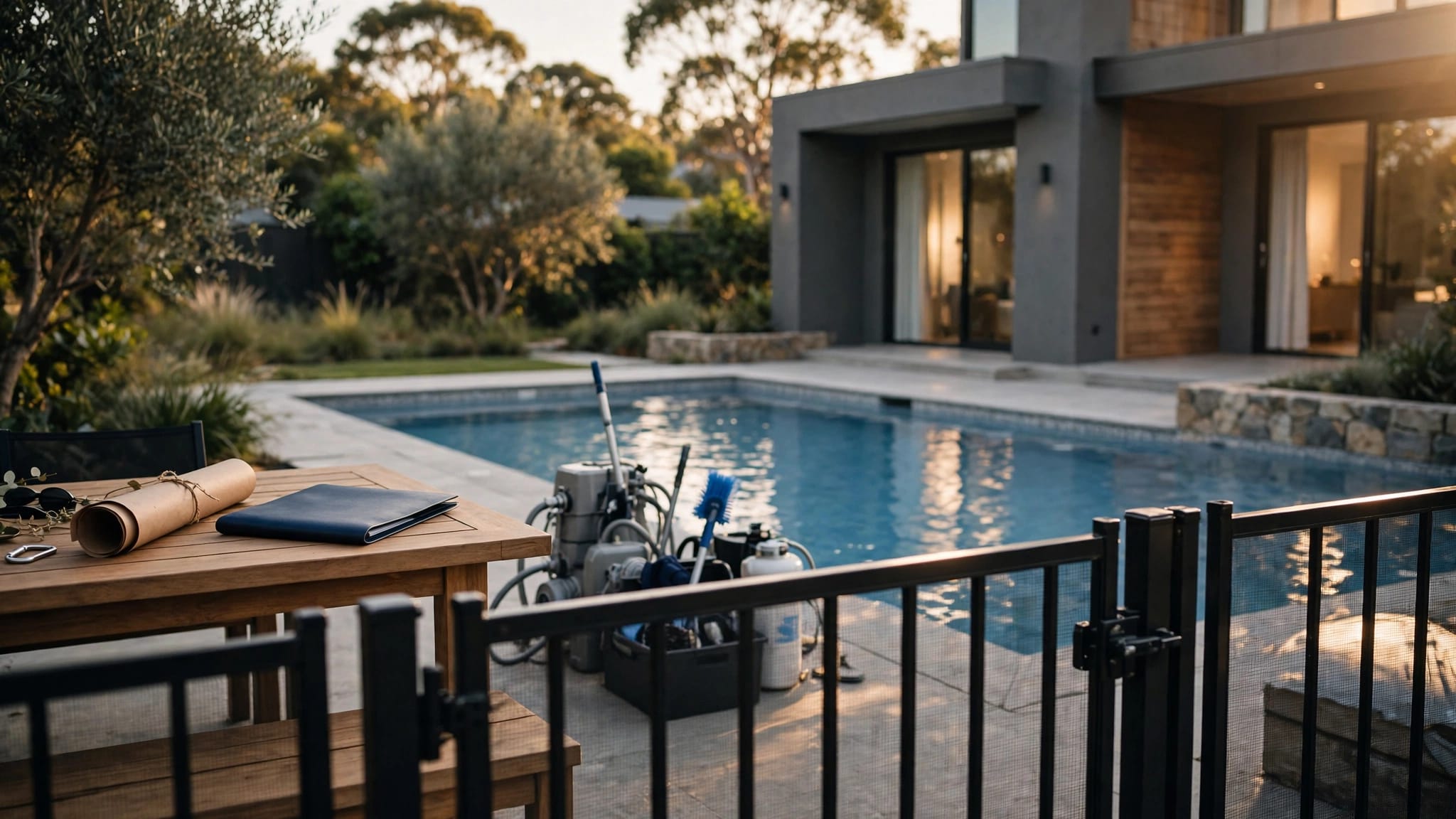
A clean equipment pad is easier to protect than a crowded one. Clear the space around the pump, filter, and heater so nothing can blow into the fan or settle against the housing. Hose reels, toys, skimmers, testing kits, and patio tools all need to move indoors.
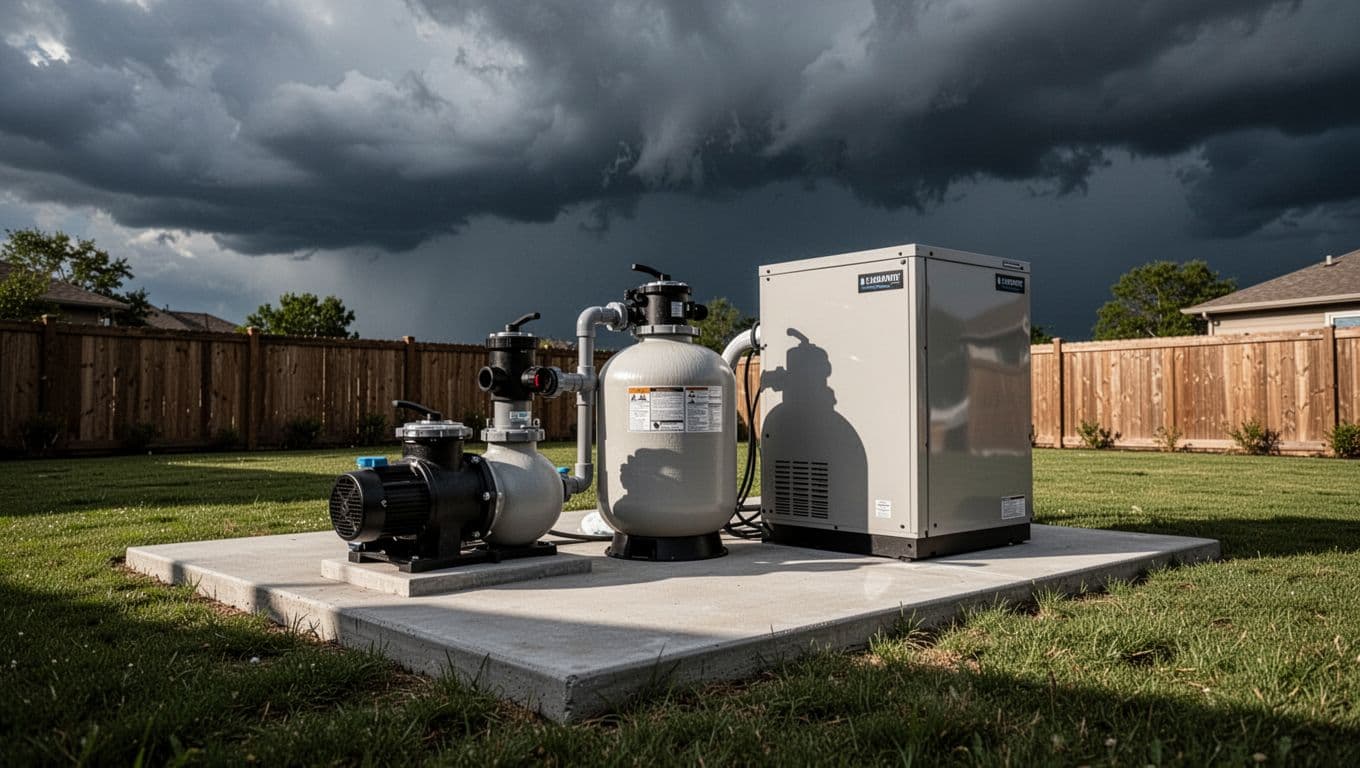
Then decide what should be covered, what should stay put, and what should be left alone. This table makes the call easier.
| Item | Best move before landfall | What to avoid |
|---|---|---|
| Pump and motor | Shut off power and keep the area clear | Running it in heavy rain or floodwater |
| Filter tank | Leave it anchored and close the lid | Draining it without a real reason |
| Heater | Shut it down and protect it from debris | Restarting it after water exposure |
| Automation panel | Turn off power and keep it dry | Leaving the cover open |
| Loose accessories | Move them indoors | Letting them sit near the pad |
If you use a tarp, keep it snug enough to stop flying grit, but not so tight that it traps water around vents. The goal is simple protection, not a wrapped-up mess that holds heat and moisture.
If the cover blocks air flow, it can create a new problem faster than the storm does.
For homeowners who want a stronger setup before the season gets rough, pool equipment flood protection services can remove vulnerable parts and store them dry until the danger passes.
Flood-prone yards need a different plan
Flooding is the part that surprises people in Cape Coral. Wind-driven rain can soak electrical parts even when the yard never goes under water. Storm surge and canal overflow are worse because they can push water under the pad and into conduit.
If water can reach the motor, power is the first thing to lose.
If your equipment pad sits low, move anything portable to a higher shelf or indoors. Sandbags can slow sheet water, but they don't stop surge. They also won't save a motor that sits in standing water for hours.
If your home is in a flood-prone spot, a more hands-on plan makes sense. That can mean removing the most exposed parts, capping the lines, and storing equipment in a dry place until the storm passes. If that sounds like your setup, Get a Free Estimate before the forecast tightens.
The biggest mistake is waiting until the last update on the weather app. Once the wind gets stronger, even a short trip outside becomes a risk.
Keep the pool cage and yard clear
A pool cage can either soften the storm or spread the mess. A loose screen panel can tear and send branches, screws, and palm fronds across the yard. That debris often ends up near the equipment pad.
If your enclosure already rattles, latches poorly, or shows torn corners, schedule a hurricane season pool cage checkup before the first big system arrives. A strong frame won't make a hurricane harmless, but it can reduce the clutter that turns into damage later.
Bring in the things that fly first:
- Patio chairs, umbrellas, and small tables
- Planters, toys, and pool floats
- Grills, cushions, and decorative pieces
- Loose branches or yard waste near the pad
Trim dead limbs near the equipment area if you can do it safely. Keep gates and enclosure doors latched, too. Wind looks for weak spots, and a loose item often becomes a hammer.
Leave risky repairs for later
Some prep mistakes do more harm than good. Don't drain the pool far below normal unless a pool professional tells you to. Don't unbolt hard-plumbed equipment or cut lines on your own. Don't test a motor that sat in floodwater.
Also, don't open an electrical panel in rain or standing water. A wet control box is not the place to guess. If you aren't sure what a switch does, leave it alone and wait for the storm to pass.
Take a few photos before you cover or move anything. A clear picture of the pad, the heater, and the controls gives you a clean before-and-after record for your own reference. It also helps you remember how everything was arranged when it's time to restart.
When the storm passes, wait until the area is dry and the equipment looks intact before switching anything back on. A wet pump can turn a small problem into a bigger one in seconds.
Conclusion
Cape Coral storms don't give pool equipment much room to fail. Shut it down early, clear the pad, treat flood zones with extra care, and keep the yard free of flying debris.
The smartest protection is often the simplest one, dry equipment, no power, no loose clutter . If your pad sits low or your enclosure already shows wear, handle it before the next hurricane watch turns into a warning.