A pool deck can look attractive in a sample photo and still feel too hot, slick, or difficult to maintain at home. If you're comparing pool deck coatings Cape Coral homeowners can depend on, start with the conditions around your pool, not only the color chart.
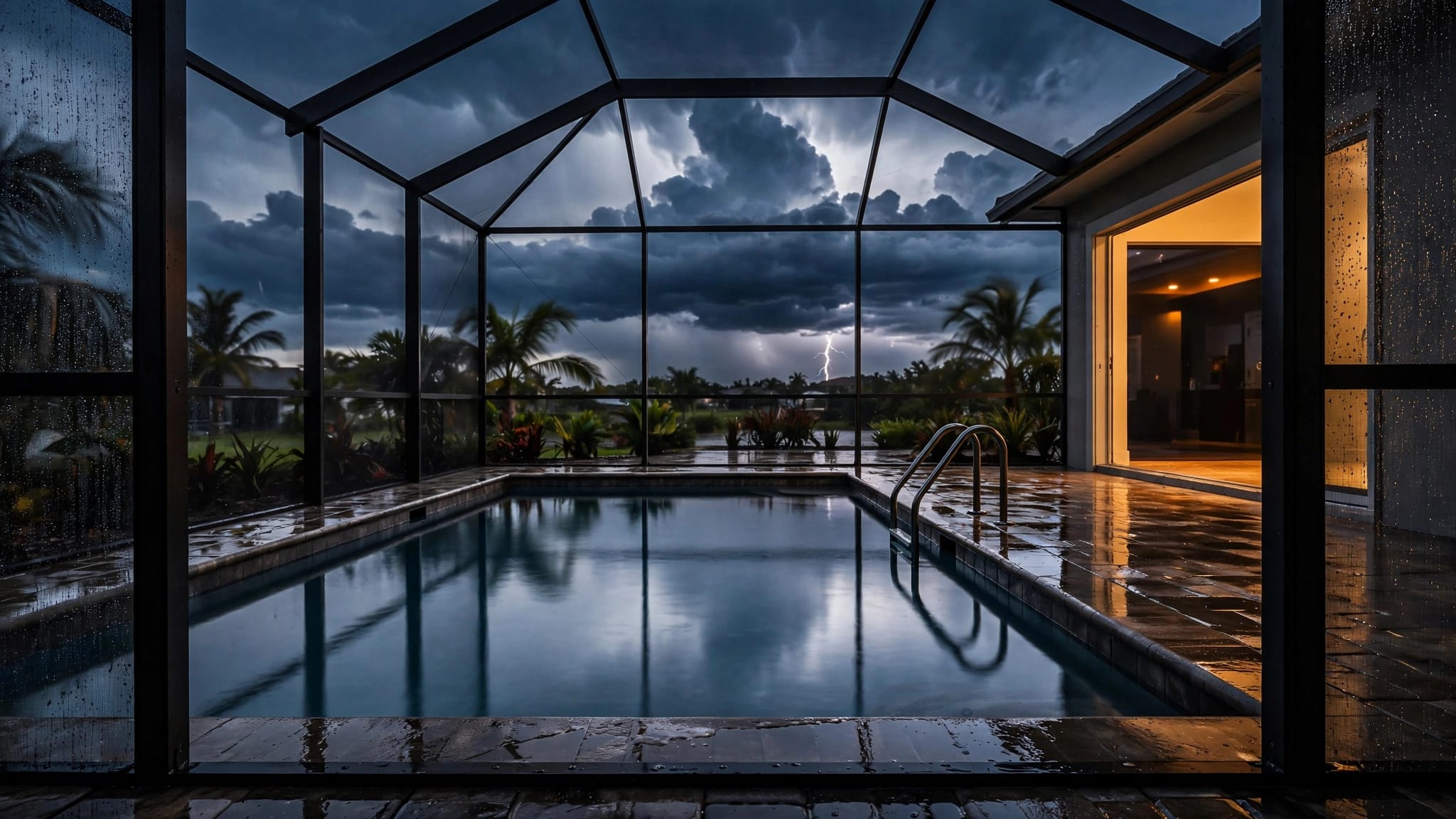
Cape Coral decks face intense sun, heavy rain, humidity, pool chemicals, and possible salt exposure. The right coating must suit the existing slab, shed water properly, provide traction when wet, and fit the way your family uses the backyard.
Key Takeaways
- Light-colored, textured coatings generally make more sense around a sunny pool than dark, smooth surfaces.
- Coatings work best when the concrete is structurally sound and properly prepared.
- Standing water can damage surfaces and increase slip risk, so drainage deserves attention before installation.
- Pavers, travertine, and porcelain may be better choices when you want a new surface rather than a coating over existing concrete.
- A deck coating estimate should separate preparation, crack repair, drainage, materials, labor, and future maintenance.
- Pool deck coatings are different from pool interior resurfacing. A pool may need one project, the other, or both.
Why Cape Coral Conditions Matter
Cape Coral's outdoor living season lasts most of the year. That means your deck receives regular foot traffic while dealing with heat, ultraviolet exposure, rain, humidity, and splash from treated pool water.
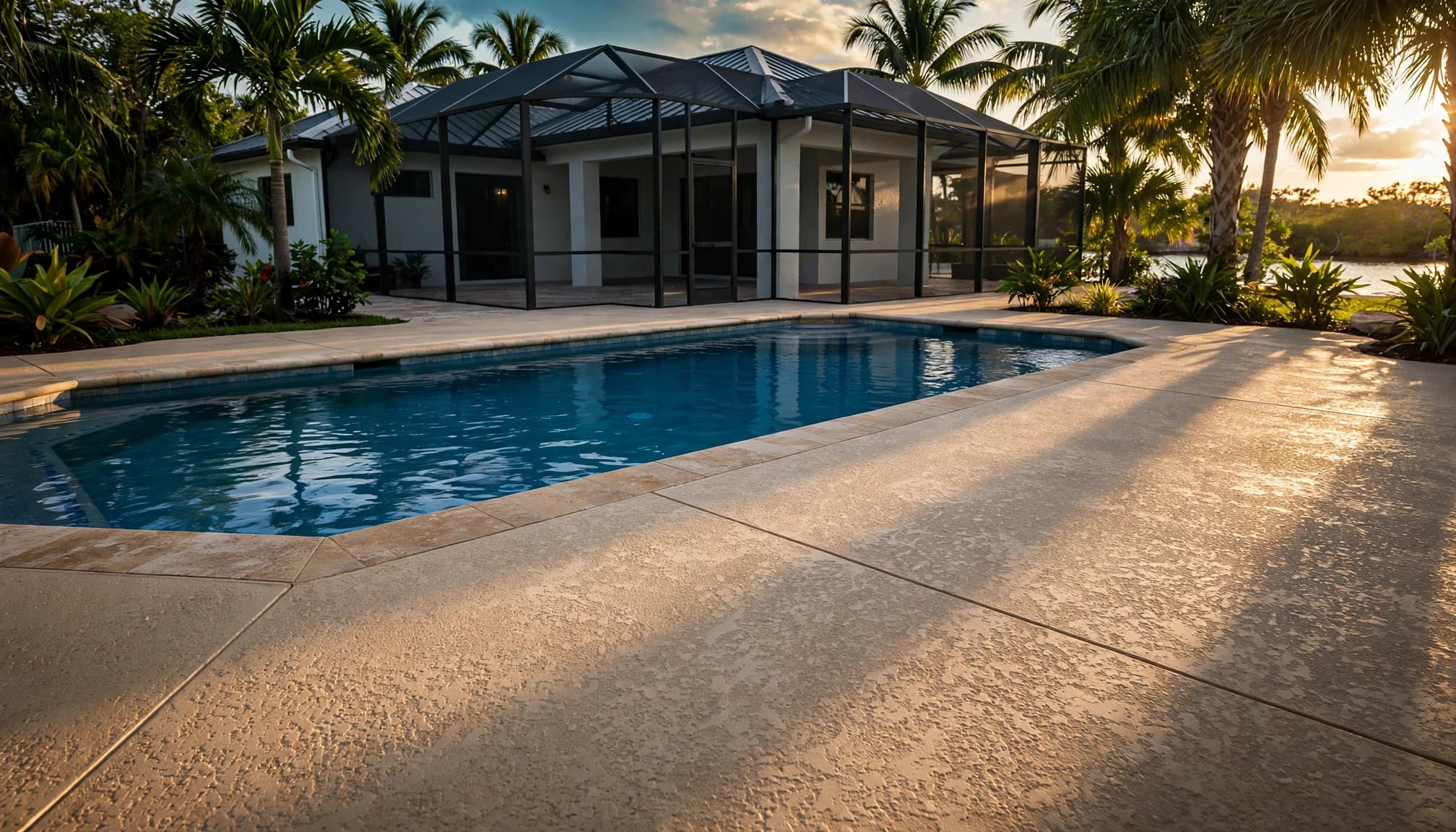
Sun and heat affect comfort
Dark colors absorb more heat than light colors. Around a pool, that difference can affect whether family members comfortably walk barefoot or avoid the deck during the afternoon.
A light tan, beige, or similar reflective color may help reduce the surface's heat gain compared with a dark finish. Color alone won't solve every comfort problem, however. Shade, deck orientation, nearby landscaping, and the coating's texture also matter.
Pool chemicals can leave deposits or discoloration when water repeatedly splashes onto the deck. Salt exposure may add another source of wear for homes near coastal air or saltwater systems. Ask the installer whether the proposed product is rated for exterior pool areas and compatible with the cleaning products used at your home.
Rain makes texture and drainage important
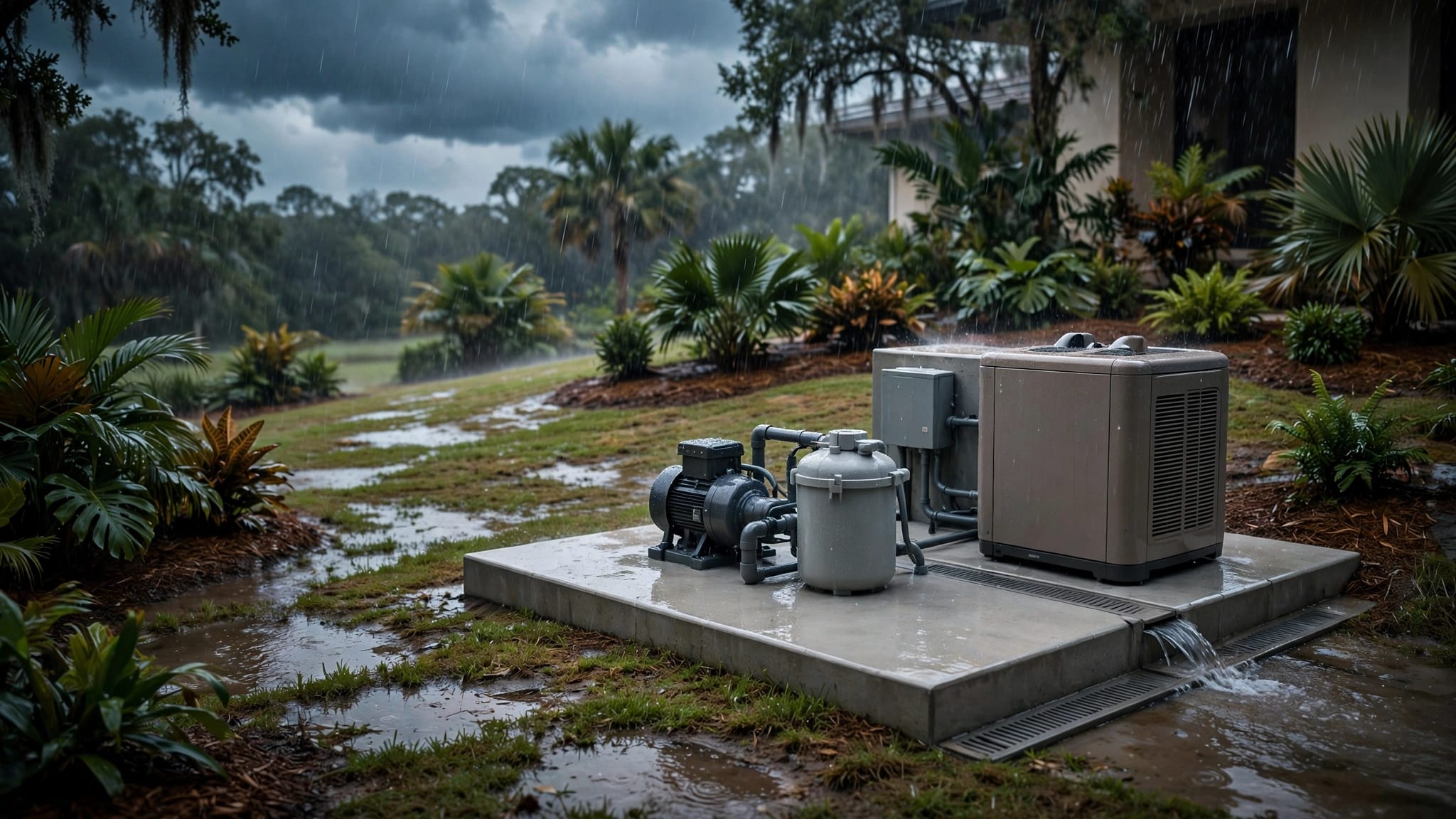
Summer storms can leave water standing on relatively flat lots. Puddles create slippery areas, encourage mildew in shaded spots, and allow stains to remain on the surface.
Inspect the deck for low areas before choosing a finish. Cracks, settled sections, loose material, and movement beneath the slab also need attention. A coating can improve the appearance of sound concrete, but it won't correct structural movement or a drainage problem by itself.
How to Evaluate Pool Deck Coatings Cape Coral Homeowners Can Trust
Coatings are one option among several. The best choice depends on whether you want to refresh an existing deck or replace the surface altogether.
Compare coatings with other deck materials
A coating or cool-deck system is applied over a prepared surface. It can update worn concrete without removing the entire deck, provided the base is suitable. The installer may need to clean, repair, profile, and prime the concrete before application.
Pavers, travertine, and porcelain create a new finished surface. They may require more removal and installation work, but they also offer different repair and design possibilities.
| Surface | Often suits | Main planning concern |
|---|---|---|
| Exterior acrylic or cool-deck coating | Sound concrete that needs a refreshed finish | Preparation, texture, and future recoating |
| Concrete pavers | Sectional repairs and flexible layouts | Base condition, joint maintenance, and drainage |
| Travertine | Natural appearance and a cooler-feeling surface | Higher initial cost and periodic sealing |
| Porcelain | Clean, consistent styles | Proper installation and water management |
The Cape Coral pool deck options guide compares these broader material choices, including the tradeoff between lower initial cost and longer-term maintenance.
Choose a product made for poolside use
A product designed for an indoor floor or garage may not be appropriate for a pool deck. Poolside coatings need to handle outdoor exposure, wet foot traffic, cleaning, and repeated temperature changes.
Ask for the product name, technical information, recommended surface preparation, and maintenance instructions. Confirm whether the finish is intended for horizontal exterior concrete and whether the installer has used it around residential pools.
Be cautious when a proposal lists only a generic term such as "deck coating." The written estimate should identify the system, number of coats, texture, color, and preparation work.
Match the Finish to Safety and Daily Use
The finish affects both appearance and how the deck feels underfoot. Consider the people who use the pool, including children, older adults, and guests who may walk across the surface with wet feet.
Use texture where water is present
A completely smooth surface may be easy to clean, but it can feel less secure when wet. A lightly textured finish can provide more traction without creating an uncomfortable surface for bare feet.
The texture should remain practical. Very aggressive textures can collect dirt, feel rough, and make sweeping harder. Ask the installer to show full-size samples or completed work rather than relying only on a small color chip.
Brushed finishes suit everyday use and create a simple appearance. Stamped finishes can provide a more decorative look, although the pattern may affect cleaning and repair visibility.
Plan the color around heat and fading
Light colors usually reflect more sunlight than dark colors, which can improve barefoot comfort. They may also show dirt, leaf stains, and mildew more easily, especially in screened areas with limited airflow.
Look at samples outdoors at different times of day. Pool water, screen walls, house colors, coping, and landscaping can change how the coating appears. If you're also replacing coping or resurfacing the pool interior, coordinate the samples so the finishes work together.
Regular care still matters. Sweep away leaves, rinse off chemical residue, clean shaded areas before mildew spreads, and follow the product's instructions for detergents and sealing.
Plan Drainage Before the Coating Goes Down
A beautiful coating cannot compensate for water that repeatedly collects in the same place. Drainage should be part of the design conversation before surface preparation begins.
Check slopes, drains, and low spots
The site visit should include the pool edge, patio slope, door thresholds, screen enclosure posts, downspouts, and nearby landscaping. Water should move away from the pool and home instead of collecting beside them.
The local materials guidance uses a slope of about 1/4 inch per foot as a planning reference. The correct solution depends on the existing grade, deck shape, lot, and drainage route. Some properties may need deck drains or other collection points.
Ask the contractor to mark low spots and explain where stormwater will go. A drain that empties toward a neighbor, foundation, or enclosed area may create another problem.
Prepare the existing surface carefully
Good preparation may include removing loose material, cleaning stains, repairing cracks, addressing oil or chemical contamination, and creating the surface profile required by the coating system. Moisture in the slab can also affect the installation, so ask how the crew will evaluate site conditions.
Weather can affect scheduling. Rain, high humidity, and wet concrete may delay application or change the preparation plan. The proposal should explain what happens if conditions are unsuitable on the scheduled day.
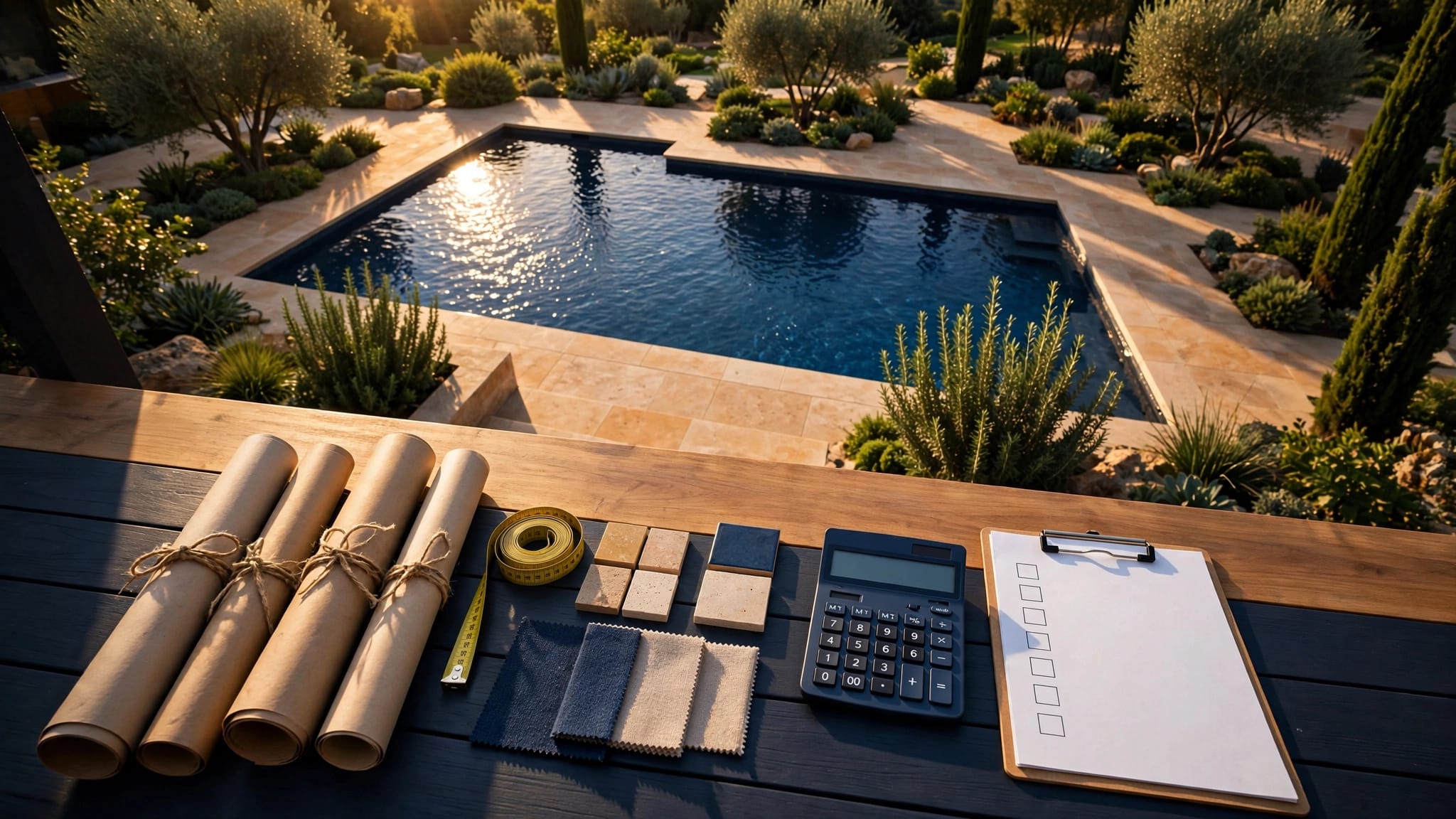
If the deck is part of a wider project, review preparing for a Cape Coral pool estimate before the site visit. Measurements, photos, drainage concerns, and finish preferences can make the consultation more productive.
Understand the Budget and Project Scope
Pricing depends on the deck's size, existing condition, access, repairs, coating system, drainage work, coping, and whether crews must remove the old surface.
Separate deck coating costs from resurfacing costs
A deck makeover estimate may include coating, pavers, travertine, or surface patching. The Cape Coral remodeling guide places typical deck repair or makeover projects between $8,000 and $25,000 , but that range is not a coating-only price.
Pool interior resurfacing is a separate service. One April 2026 guide lists most Cape Coral pool resurfacing projects at $6,000 to $15,000 , while another lists interior resurfacing at $9,500 to $22,000 . Those figures cover different scopes, sizes, materials, and repair requirements, so they shouldn't replace a property-specific estimate.
The Cape Coral pool renovations service page describes projects that may combine deck updates with interior refinishing, equipment work, lighting, or other improvements.
Ask what the estimate includes
A useful proposal should identify demolition, surface preparation, crack repair, coating layers, texture, color, drains, coping protection, cleanup, and warranty terms. It should also state what work is excluded.
If the deck has major cracks, settlement, or movement, ask whether repair should happen before coating. When the pool interior, coping, tile, or equipment also needs attention, compare pool remodel versus resurfacing before selecting a limited surface update.
For a project-specific site review, you can Get a Free Estimate and discuss the deck's condition, drainage, finish, and surrounding pool work.
Questions to Ask a Pool Deck Coating Professional
Bring these questions to the consultation:
- Is my existing concrete sound enough for a coating?
- What repairs must happen before the coating is applied?
- Which product and preparation system will you use?
- Is the finish intended for wet, exterior pool decks?
- How will you improve traction without making the surface uncomfortable?
- Which colors will stay more comfortable in direct Florida sun?
- How will you handle standing water and drainage?
- Will the coating be compatible with salt exposure and normal pool chemical splash?
- How long should the deck remain unused after installation?
- What cleaning products and maintenance schedule do you recommend?
- What does the warranty cover, and which conditions could void it?
- Who handles debris removal, screen enclosure protection, and final cleanup?
Ask to see nearby completed work if possible. A full-size sample or finished deck gives you a better sense of texture, color, edges, and transitions than a small brochure chip.
Frequently Asked Questions
Are pool deck coatings suitable for every concrete deck?
No. Coatings are better suited to concrete that is stable, clean, and repairable. Significant settlement, structural cracks, moisture problems, or repeated drainage issues may require broader work first.
Are coatings the same as pool resurfacing?
No. A deck coating changes the walking surface around the pool. Pool resurfacing changes the interior finish on the walls and floor, such as plaster, quartz, or pebble. Some renovation projects include both services.
What finish is safest around a wet pool?
A properly selected textured finish is generally more practical than a smooth finish, but safety depends on the complete system, installation quality, slope, drainage, and maintenance. Ask for the manufacturer's wet-area guidance and review a sample underfoot.
How often does a pool deck coating need maintenance?
The answer depends on exposure, traffic, cleaning, and the product used. Sweep and rinse the surface regularly, remove stains promptly, and follow the manufacturer's instructions for sealing or recoating. Travertine and other uncoated materials may have different care requirements.
Choose the Surface That Fits Your Backyard
The right coating balances heat, wet-foot traction, drainage, appearance, maintenance, and the condition of the existing deck. A light, textured exterior system may suit a sound concrete patio, while pavers, travertine, or porcelain may make more sense when the entire surface needs replacement.
Start with an on-site inspection rather than a color choice. In Cape Coral, the most attractive deck will perform better when its slope, repairs, pool chemistry, shade, and daily use are considered together.