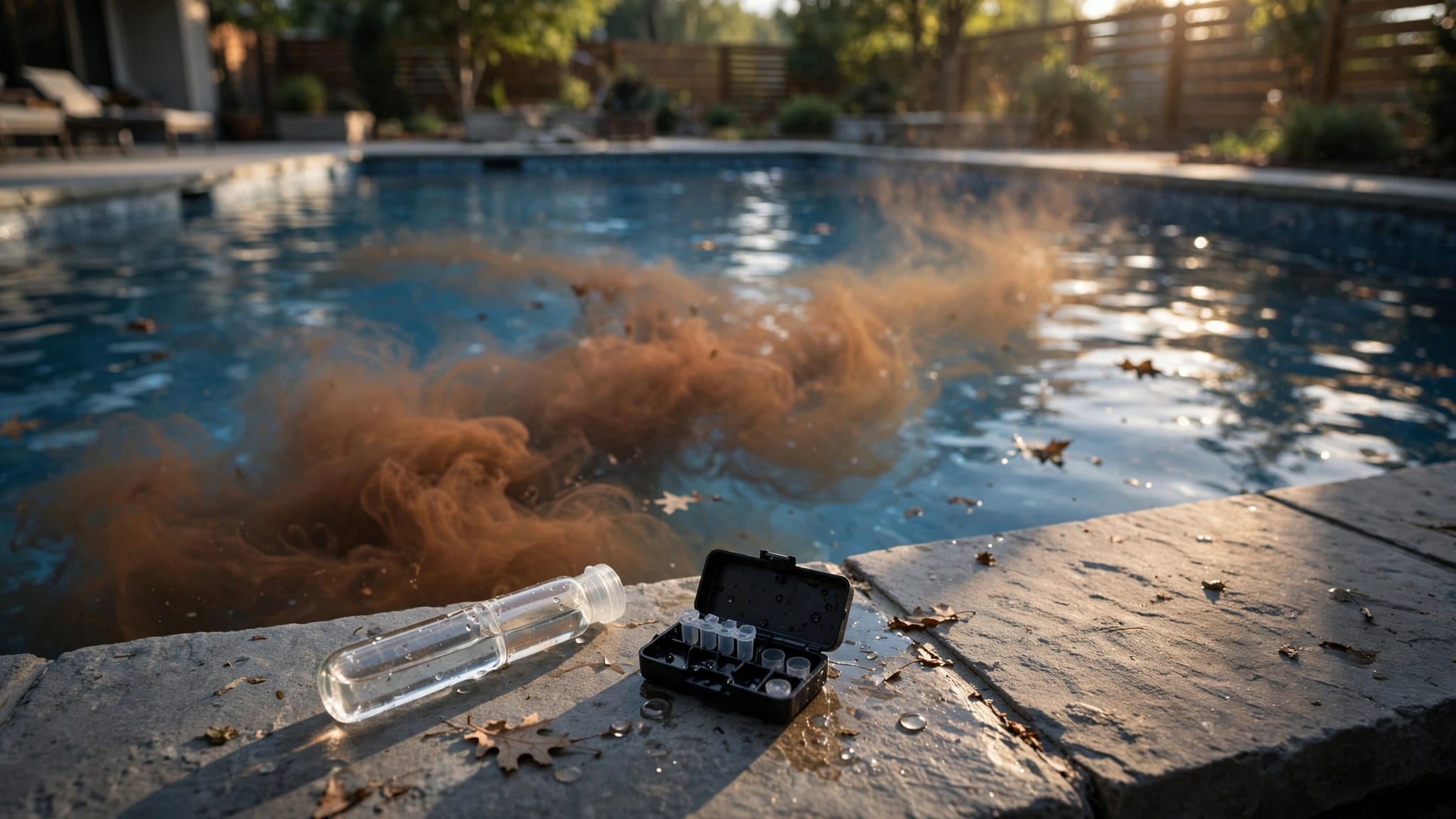
Yes, you can fill a Cape Coral pool with well water, but test it before the fill . Iron, manganese, and other minerals can cause stains or water-balance problems, even when the water looks clear.
Well water may cost less than municipal water, but testing and treatment can narrow the savings. Start with the water coming out of the hose you'll use for the pool.
Why Well Water Can Stain a Pool
The mineral content of a private well depends on the water source. One Cape Coral home's well water won't necessarily have the same chemistry as its neighbor's.
Iron and manganese can be hard to see
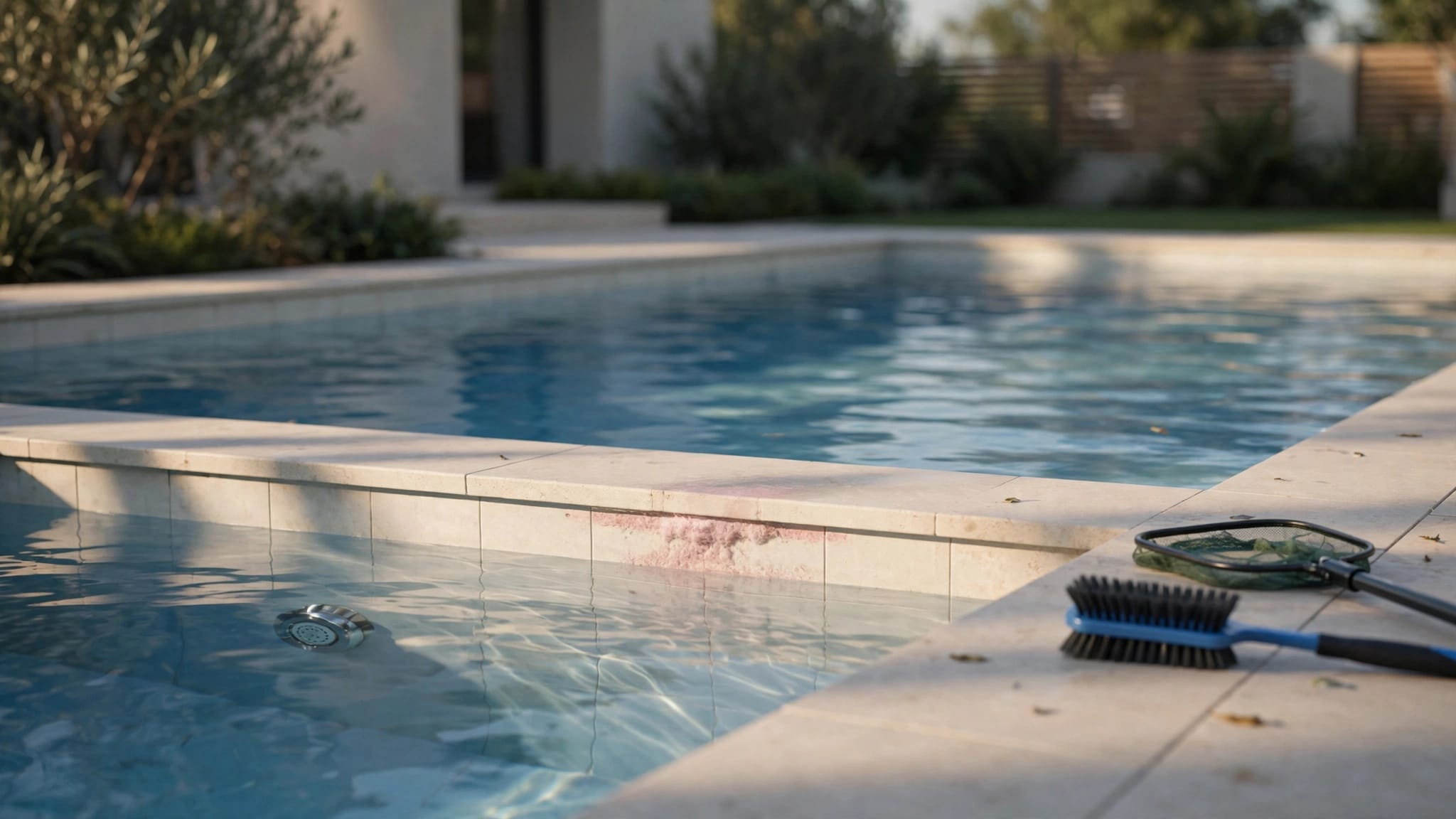
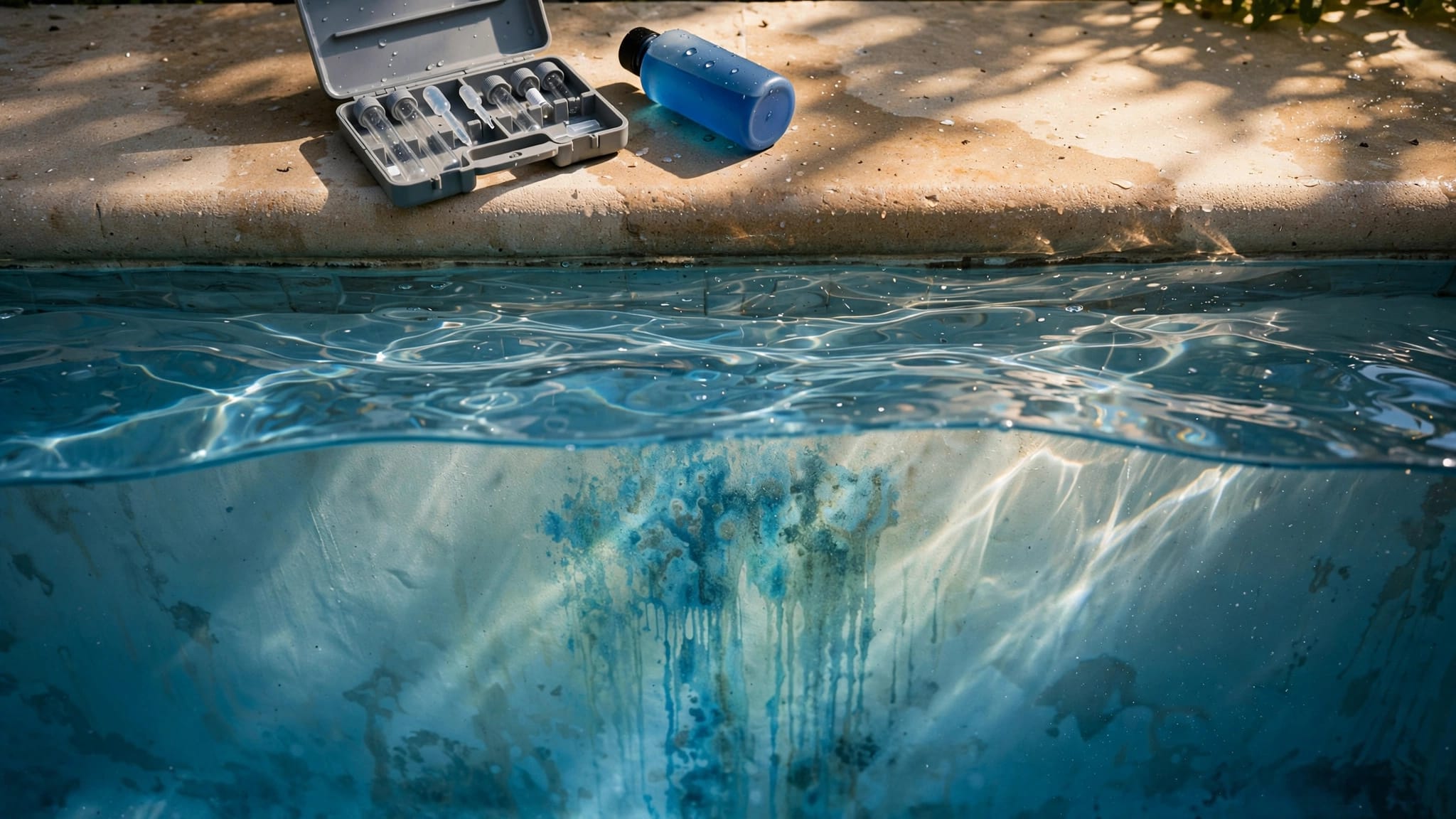
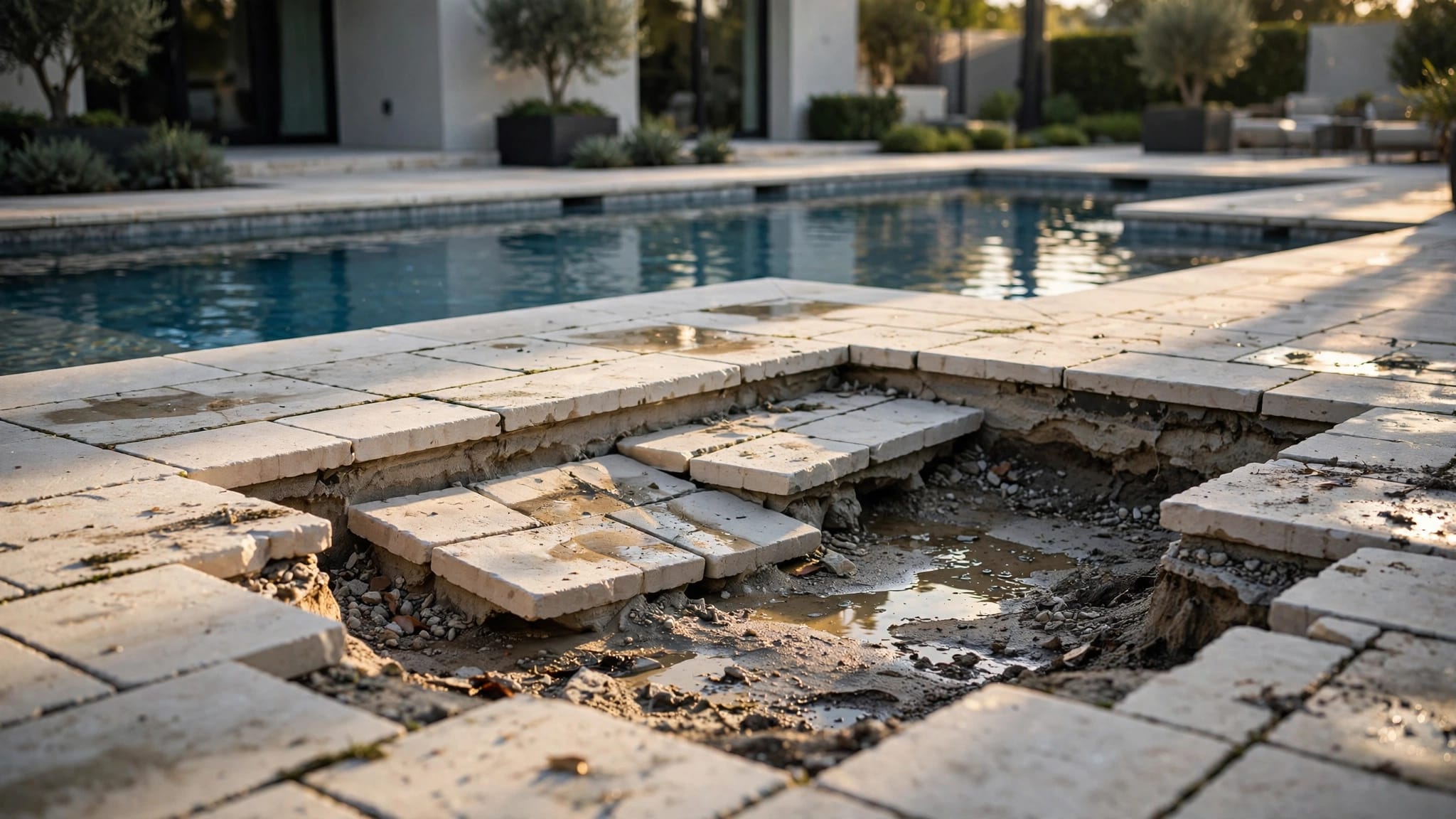
Dissolved iron may be invisible until it reacts with air or chlorine. Once oxidized, it can discolor the water and leave orange or brown marks on the pool finish. Manganese can also contribute to dark discoloration.
However, color alone doesn't identify a stain. Algae, dirt, and other minerals can change how water or surfaces look, so testing is more useful than guessing from appearance.
Calcium affects the finish, too
High calcium levels can contribute to cloudy water and scale deposits. Low calcium hardness can contribute to aggressive water that draws minerals out of a plaster finish.
Both calcium and metals matter when you're filling a new pool or protecting a freshly resurfaced one. Treating the water before it reaches the finish is generally easier than dealing with deposits afterward.
Test Well Water Before Filling
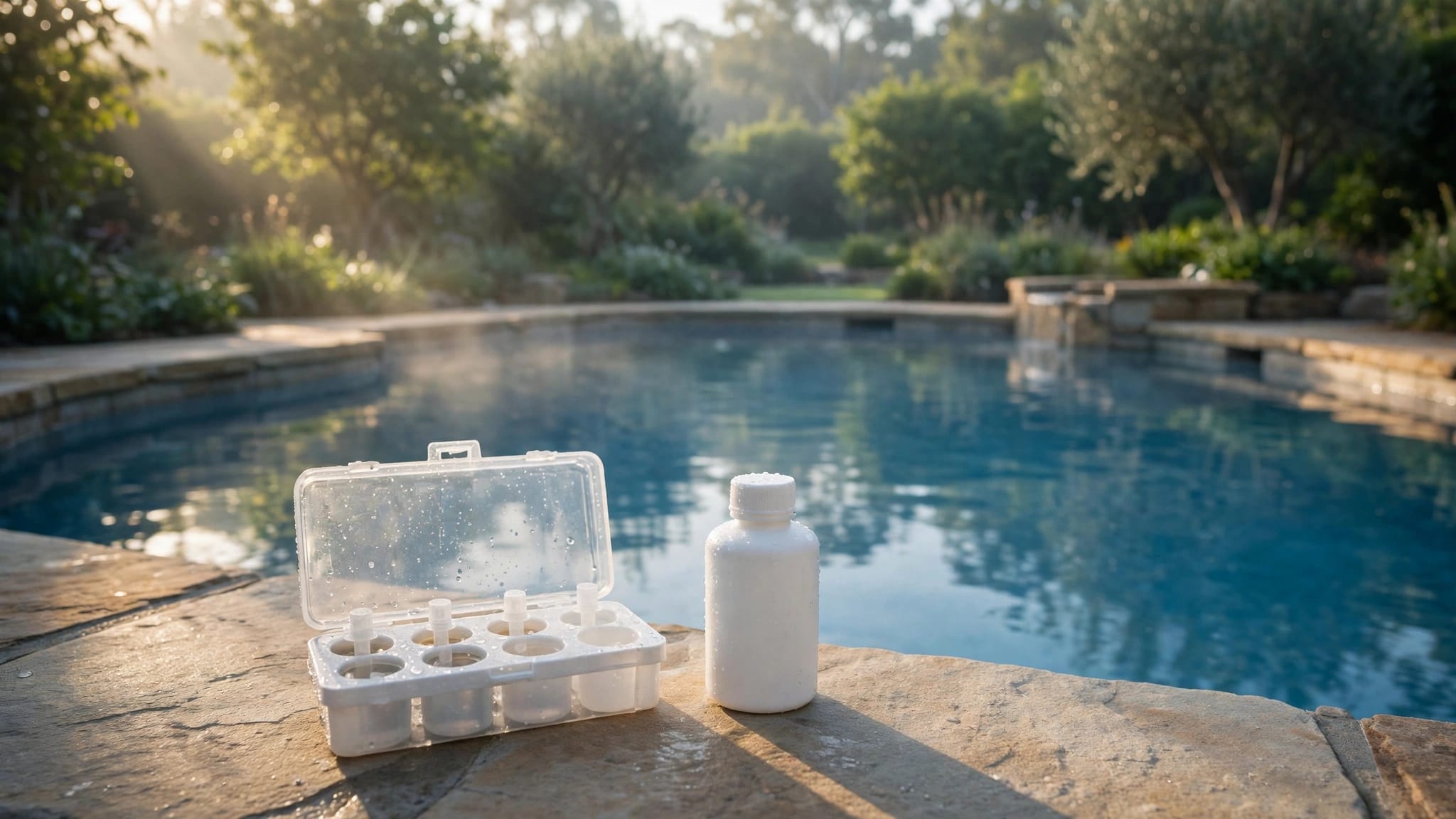
Take a fresh sample from the same outdoor spigot you'll use for the fill. If that outlet bypasses a household treatment system, its water may differ from the water at your kitchen faucet.
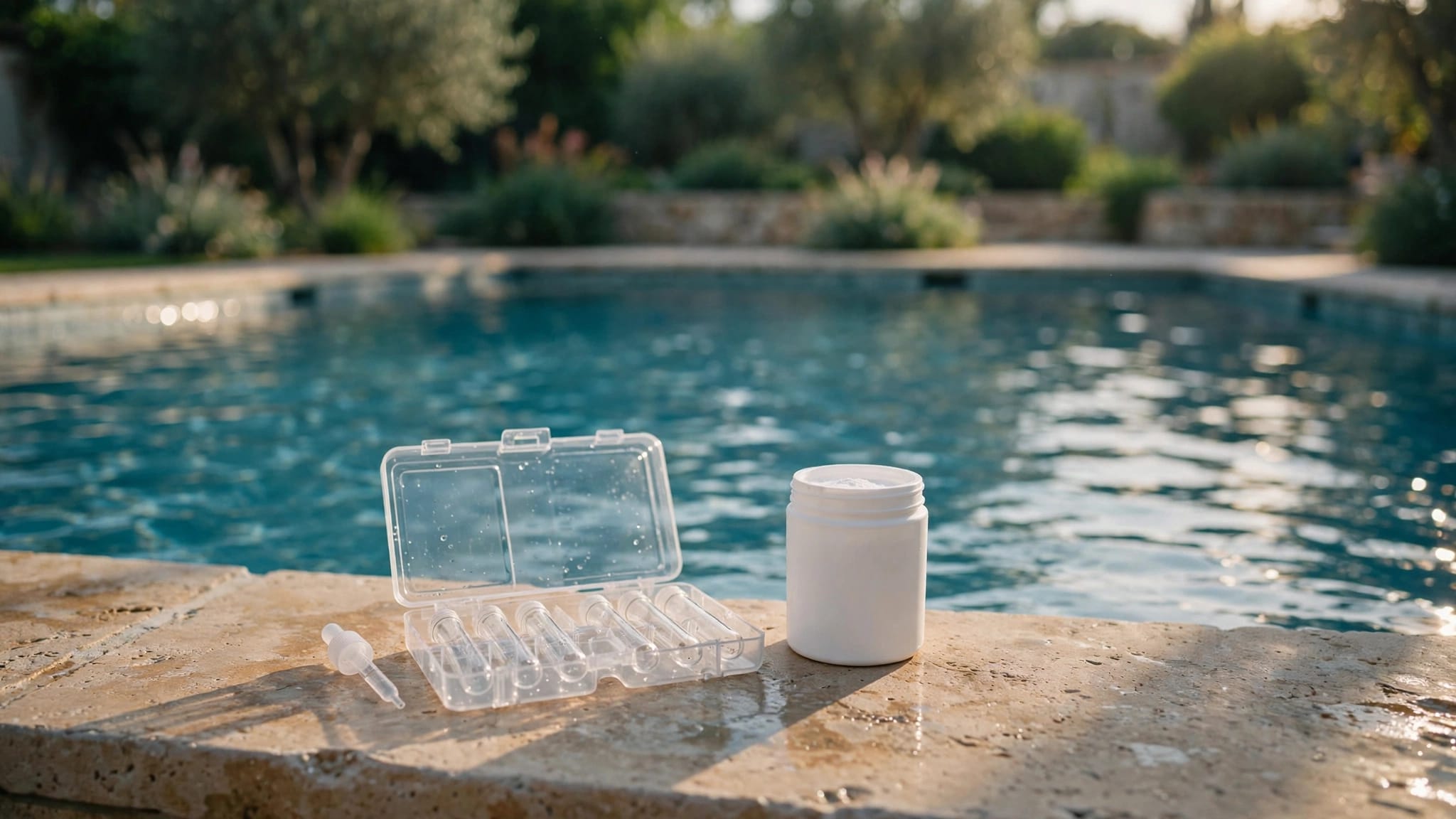
Ask for iron and manganese tests, since a routine pool test may not include them. Also test pH, total alkalinity, and calcium hardness. The results give you a starting point for choosing a fill method and balancing the pool afterward.
A pool professional can help interpret the results alongside your pool's finish and equipment. If the well contains substantial metals, municipal water may be the simpler choice.
Treatment Options for a Well-Water Fill
The right treatment depends on what the water contains. A filter that catches visible sediment won't necessarily remove dissolved iron or manganese.
Choose filtration for the contaminant
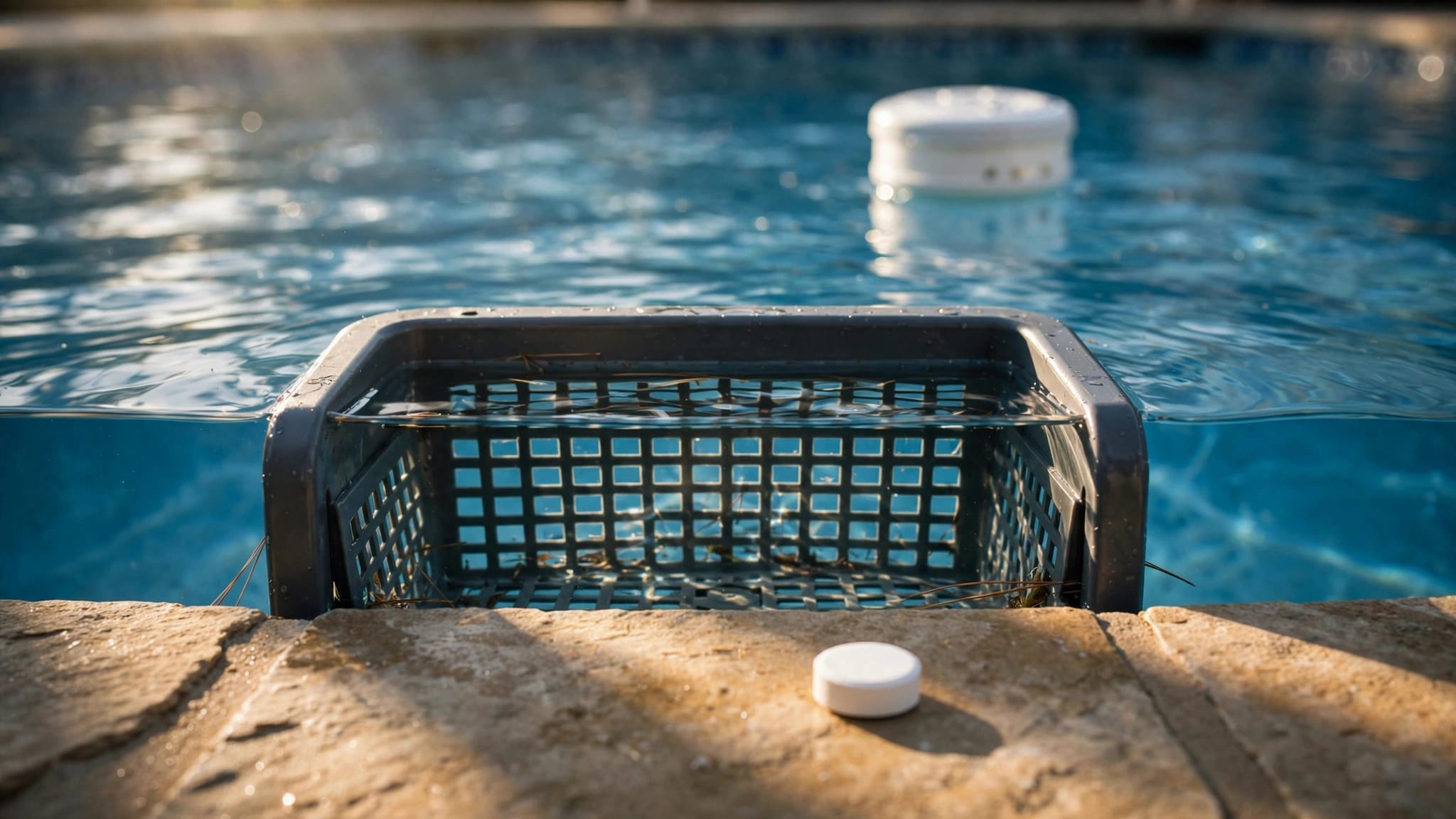
Some hose-end pool prefilters can reduce minerals before water enters the pool. Choose one rated for the contaminants identified in your test, and follow its capacity and replacement instructions.
Treatment systems designed for dissolved metals may use specialized media. Filters intended for oxidized particles address a different form of contamination, so the test results matter when choosing equipment.
Understand what a sequestrant does
A metal sequestrant binds dissolved metals and helps keep them suspended in the water. It doesn't permanently remove them. A product may need repeat applications, and its suitability depends on your water chemistry, finish, and sanitizer system.
Follow the product label and avoid adding several stain treatments at once. Never mix pool chemicals together, and add each product separately as directed.
Well Water vs. City Water: What Does a Fill Cost?
Well water avoids a municipal water charge, but it isn't free. Include electricity for the well pump, water testing, filter media, and any treatment products when comparing your options. A metal stain that needs professional attention can add to the cost.
For a city-water comparison, the table uses Cape Coral's rates effective October 1, 2026. It assumes the fill is the household's only water use for the month and includes variable water and wastewater charges.
| Pool fill | Estimated variable charges |
|---|---|
| 10,000 gallons | $196.40 |
| 15,000 gallons | $314.95 |
| 20,000 gallons | $453.80 |
These examples exclude monthly capacity charges and other billing items. Household water use can also push part of the fill into higher water-rate tiers. The City of Cape Coral rate schedule lists those tiers and charges.
The city also has a pool fill credit request for a sewer adjustment. Its form bases the adjustment on sewer volume above the preceding six-month average, capped at the pool's design capacity. The examples above don't include an adjustment.
Protect the Pool During and After Filling
For a new or resurfaced pool, follow the finish manufacturer's startup and filling instructions. The timing and handling of the first fill matter for a fresh surface, so coordinate the water source with the pool contractor before work begins.
Once the pool is full and the water has circulated, test it again. The fill-water reading is a starting point, while the pool test shows what needs adjustment after the water is in place. Our guide to pool alkalinity and pH balancing covers how those measurements work together.
Sanitizer controls algae and organic contamination, but it doesn't remove metals or calcium. If water turns green or changes color after a fill, test before adding products. Our green pool water treatment plan can help you distinguish a chemistry problem from an algae problem.
Remember that future top-offs bring in more source water. If your well needs prefiltration for the initial fill, use the same care when replacing water later.
Choose the Fill Water That Fits Your Pool
Well water can be a practical choice for a Cape Coral pool when testing and appropriate treatment address its mineral content. Compare those costs with the city-water bill before deciding, especially for a new or resurfaced finish.
Planning a pool project? Get a Free Estimate to schedule an on-site consultation with our team at Back Bay Pools.