Cape Coral homeowners love their pools. But salt air, bugs, and storms make unprotected backyards tough. You want that screen enclosure to block debris and enjoy year-round swims.
Pool screen enclosure cost varies a lot here. Expect $12,000 to $30,000 for most setups in 2026. Factors like size and upgrades shift the number. This guide breaks down real prices so you budget smart.
Key Factors That Drive Pool Screen Enclosure Costs
Size tops the list. A small enclosure under 800 square feet costs less than a large one over 1,200. For example, a 20x30-foot setup fits basic needs. Bigger ones cover patios too.
Materials matter next. Standard aluminum frames and mesh form the base. Thicker gauges resist coastal corrosion better. Hurricane codes demand stronger builds, so engineers stamp plans.
Upgrades add up quick. Picture windows boost views. Kick plates stop grass clippings. Super gutters handle heavy rain. Doors and roof styles like mansard or hip change totals too.
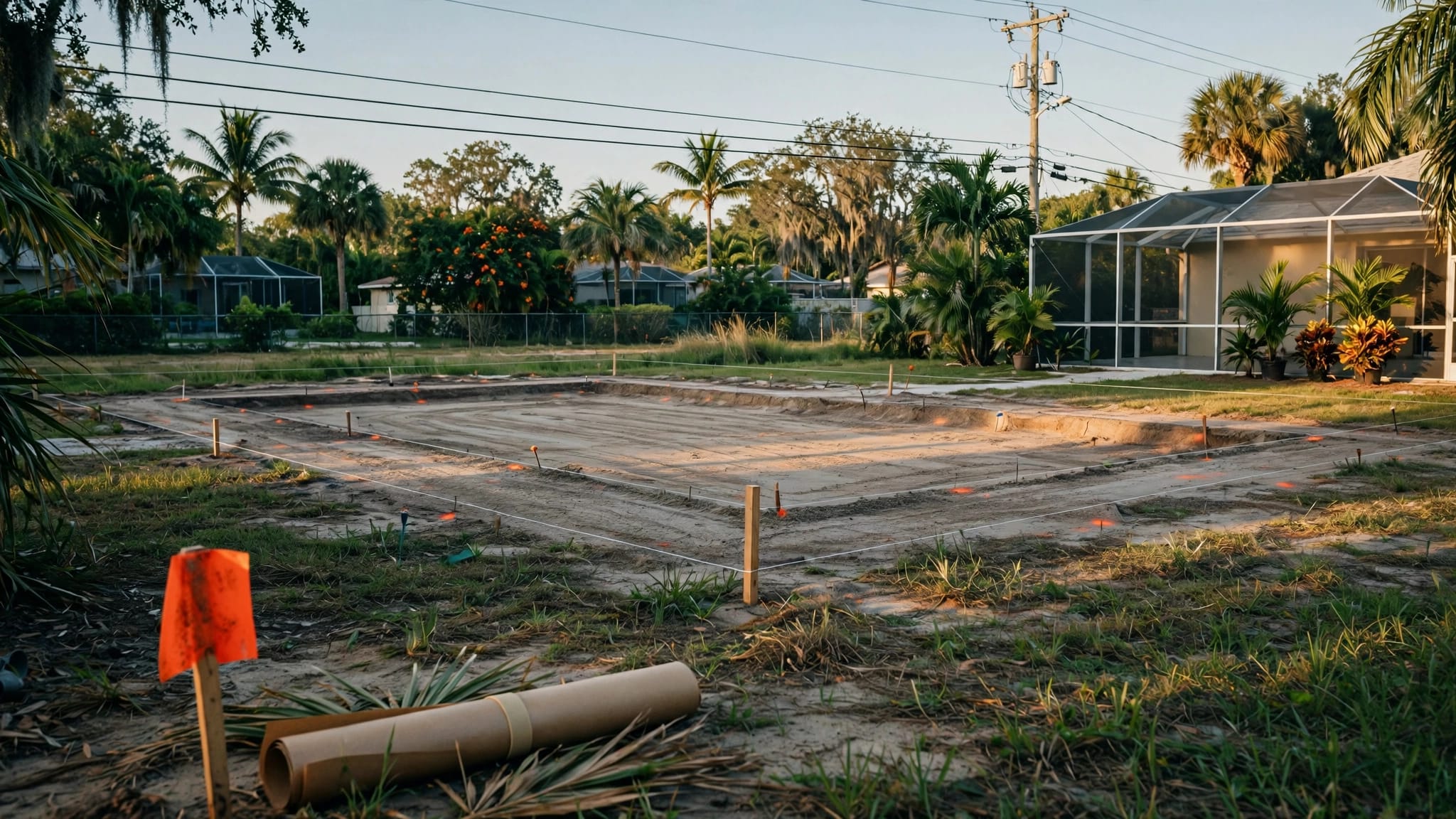
Labor and permits follow. Cape Coral requires inspections for wind loads. Site prep, like pouring footers, bumps costs in sandy yards. Demand stays high after storm season.
Local crews know these rules. They spot issues early. This saves money long-term.
Average Costs for Pool Screen Enclosures
Most Cape Coral pools need mid-sized enclosures. Think 800 to 1,200 square feet. Prices hit $15,000 to $28,000 there.
Here's a quick breakdown by size. These 2026 ranges come from Southwest Florida pros.
| Enclosure Size | Square Feet | Typical Cost Range |
|---|---|---|
| Small | Under 800 | $12,000–$18,000 |
| Medium | 800–1,200 | $15,000–$28,000 |
| Large | Over 1,200 | $28,000–$45,000+ |
Per square foot, base installs run $12 to $25. A 1,500-square-foot average lands at $20,000 to $25,000. Low bids under $12,000 often skip codes. They fail inspections later.
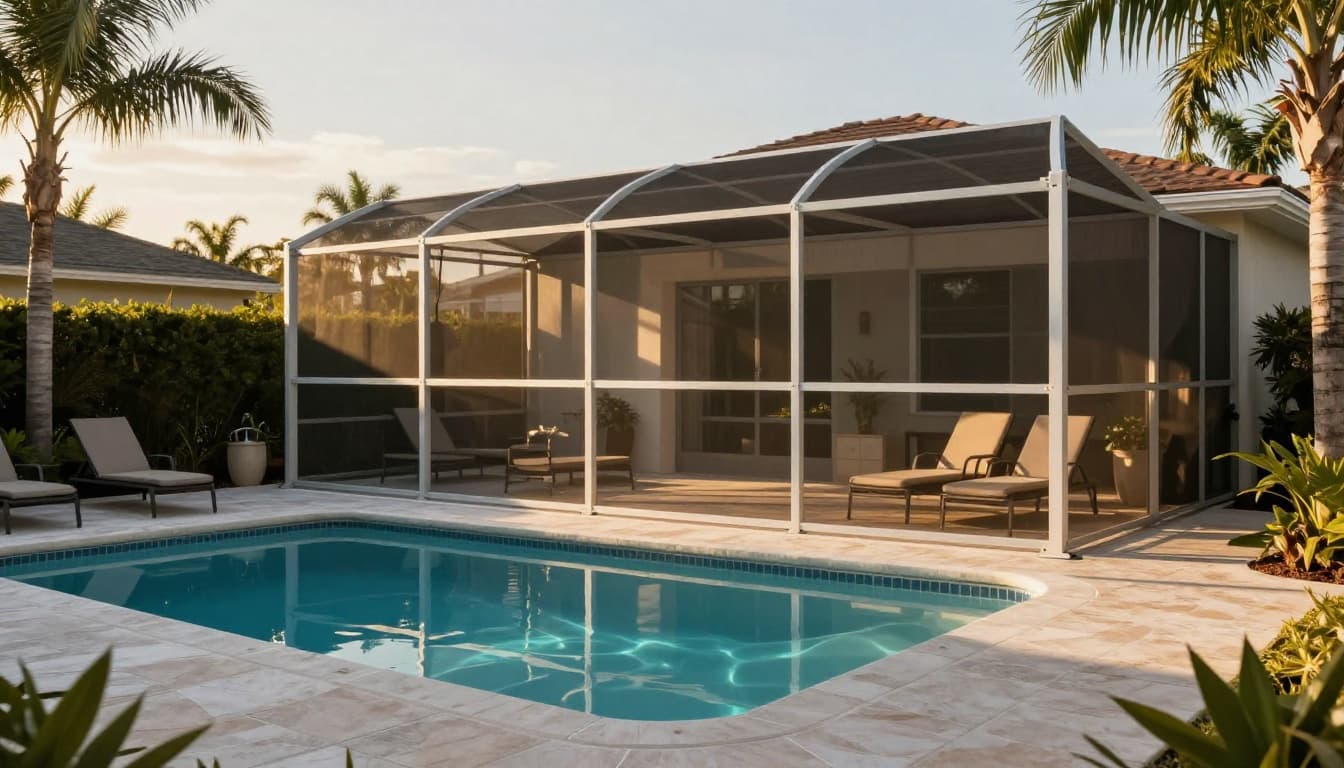
Rescreens cost less. They reuse frames if solid. Full replaces handle rust or damage.
Check our screen enclosures and rescreens page for local examples.
Material and Upgrade Breakdown
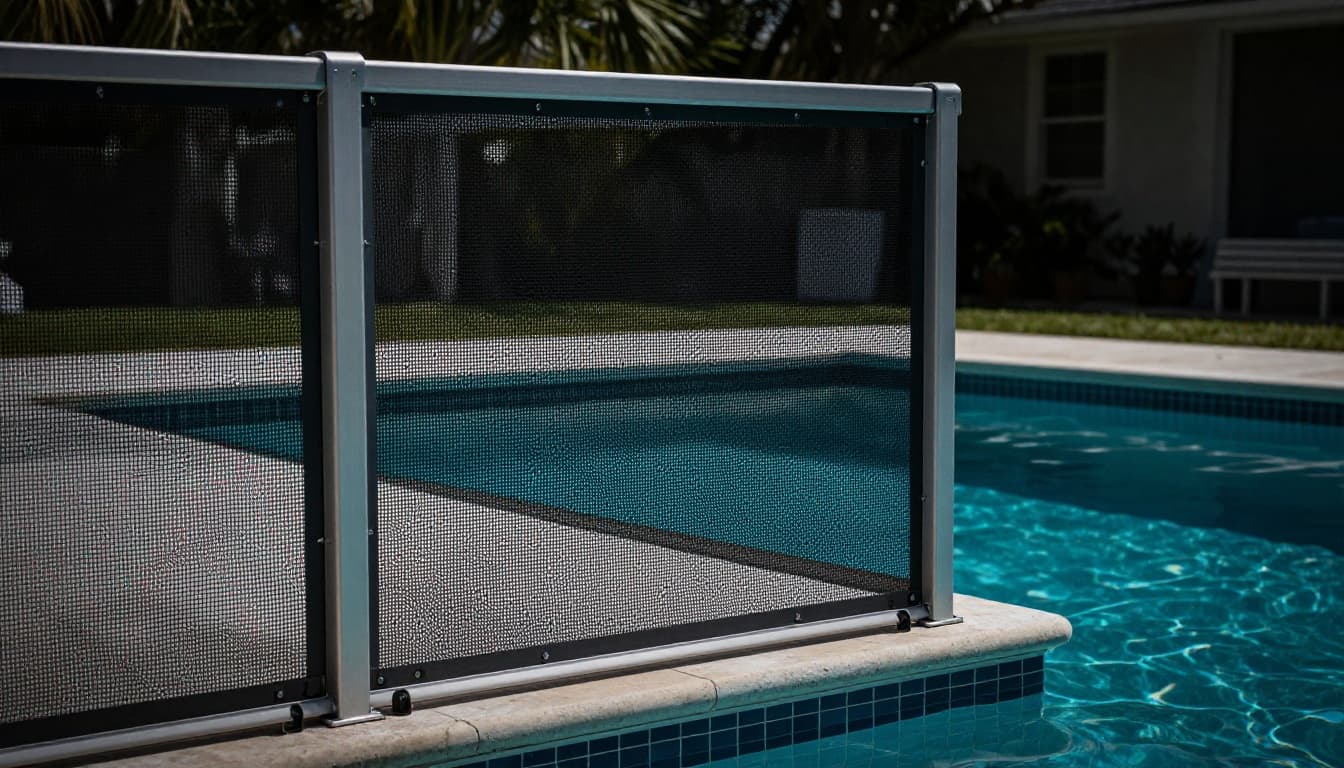
Standard mesh like 18x14 holds up to UV and wind. It costs $8 to $15 per square foot. No-see-um screens block tiny bugs. Add $3,000 or more for those.
Aluminum frames come in gauges. Thicker ones fight salt corrosion. They meet Florida's 140-mph wind rules.
Popular upgrades include:
- Kick plates: Block low debris, add $1,000 to $2,000.
- Super gutters: Manage runoff, $500 to $1,500.
- Picture windows: Clear views, $2,000 plus.
- Doors: Sliding or swinging, $1,500 each.
Roof pitch affects price. Steeper ones shed water better. They cost 10 to 20 percent more.
Choose based on your yard. Coastal spots need rust-proof options.
Cape Coral-Specific Challenges and Requirements
Hurricanes shape everything here. Enclosures must hit high wind ratings. Concrete footers anchor them deep.
Permits run $200 to $800. Lee County checks engineering. Coastal zones add fees for flood rules.
Salt air corrodes cheap frames fast. Opt for powder-coated aluminum. It lasts 15 to 20 years.
Storms boost demand. Prices rise 10 percent post-season. Schedule off-peak for deals.
Yard access matters. Tight gates mean crane fees. Poor drainage leads to extras.
Local builders handle this daily. They navigate codes smooth.
Smart Budgeting Tips for Your Project
Measure your pool area first. Add patio space you want covered. Get three quotes from licensed pros.
Ask about warranties. Good ones cover 5 to 10 years on mesh and frames.
Factor 10 to 15 percent buffer. Surprises like soil tests pop up.
Compare apples to apples. Note mesh type and wind load in bids.
Financing helps spread costs. Many offer it.
Get a Free Estimate today. On-site visits spot hidden fees.
Pool screen enclosures pay off quick. They cut cleaning time and bug fights.
Cape Coral's weather tests builds. Pick quality to avoid rescreens soon. Strong enclosures let you relax more. Your backyard oasis waits.