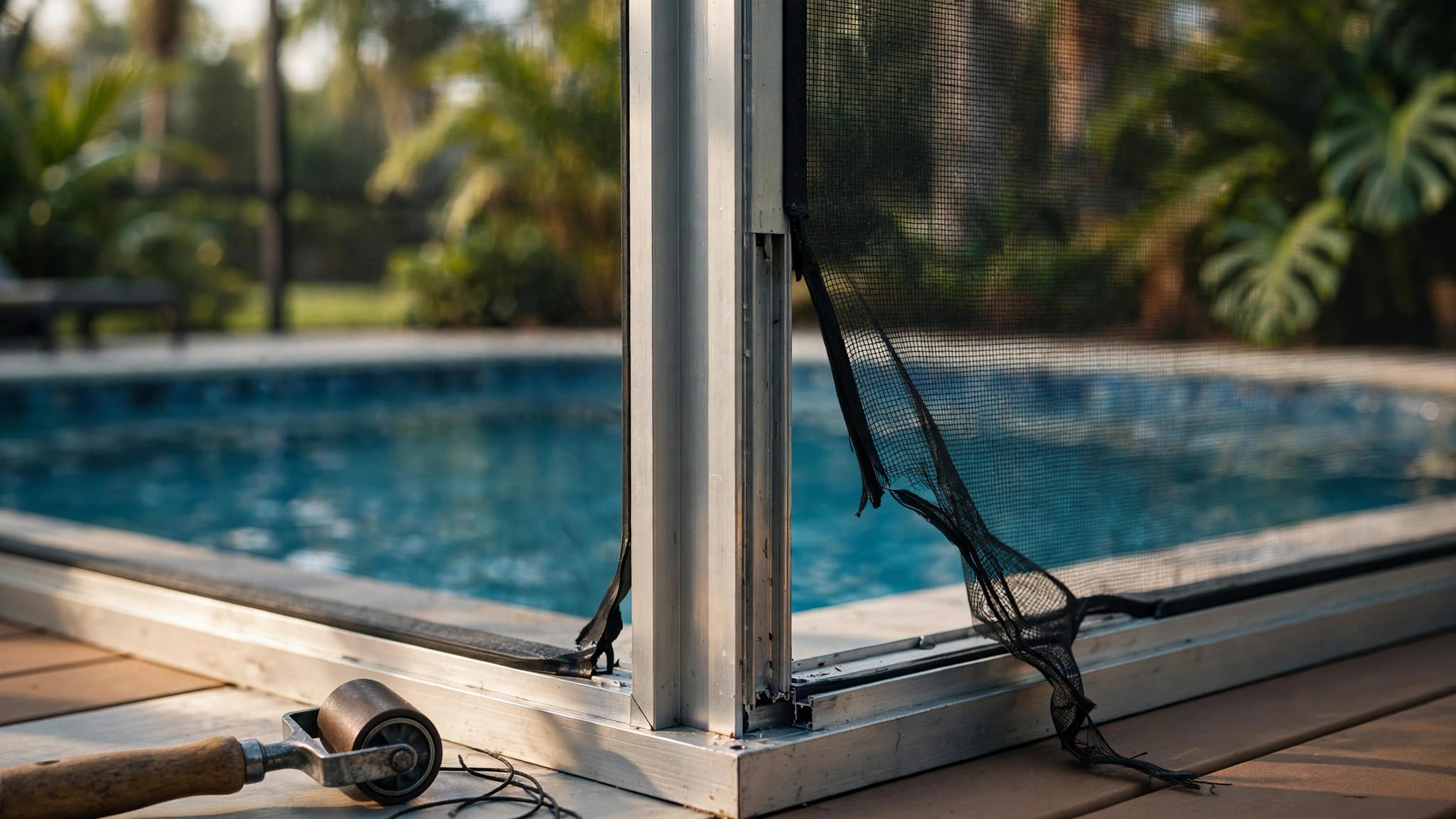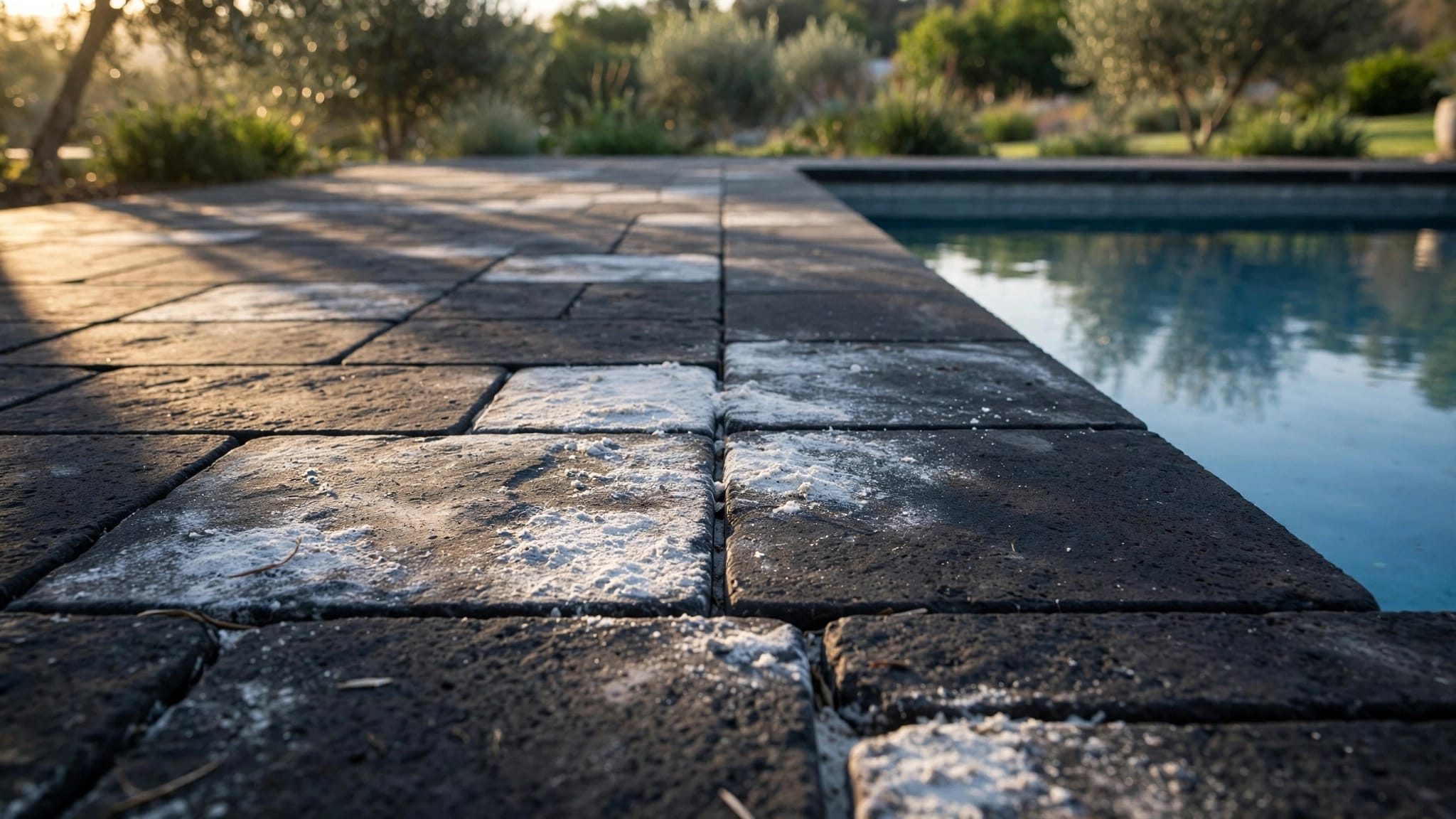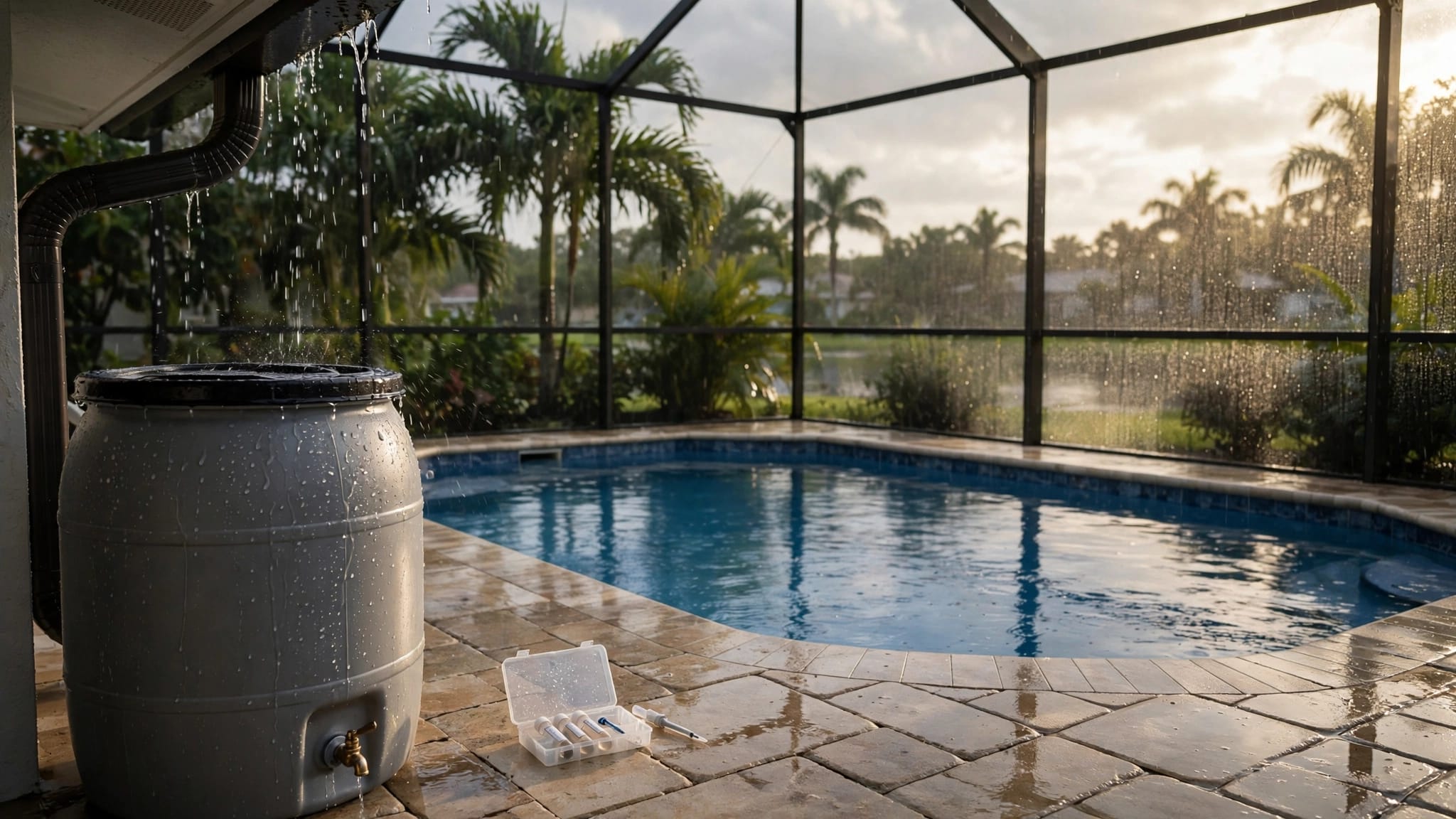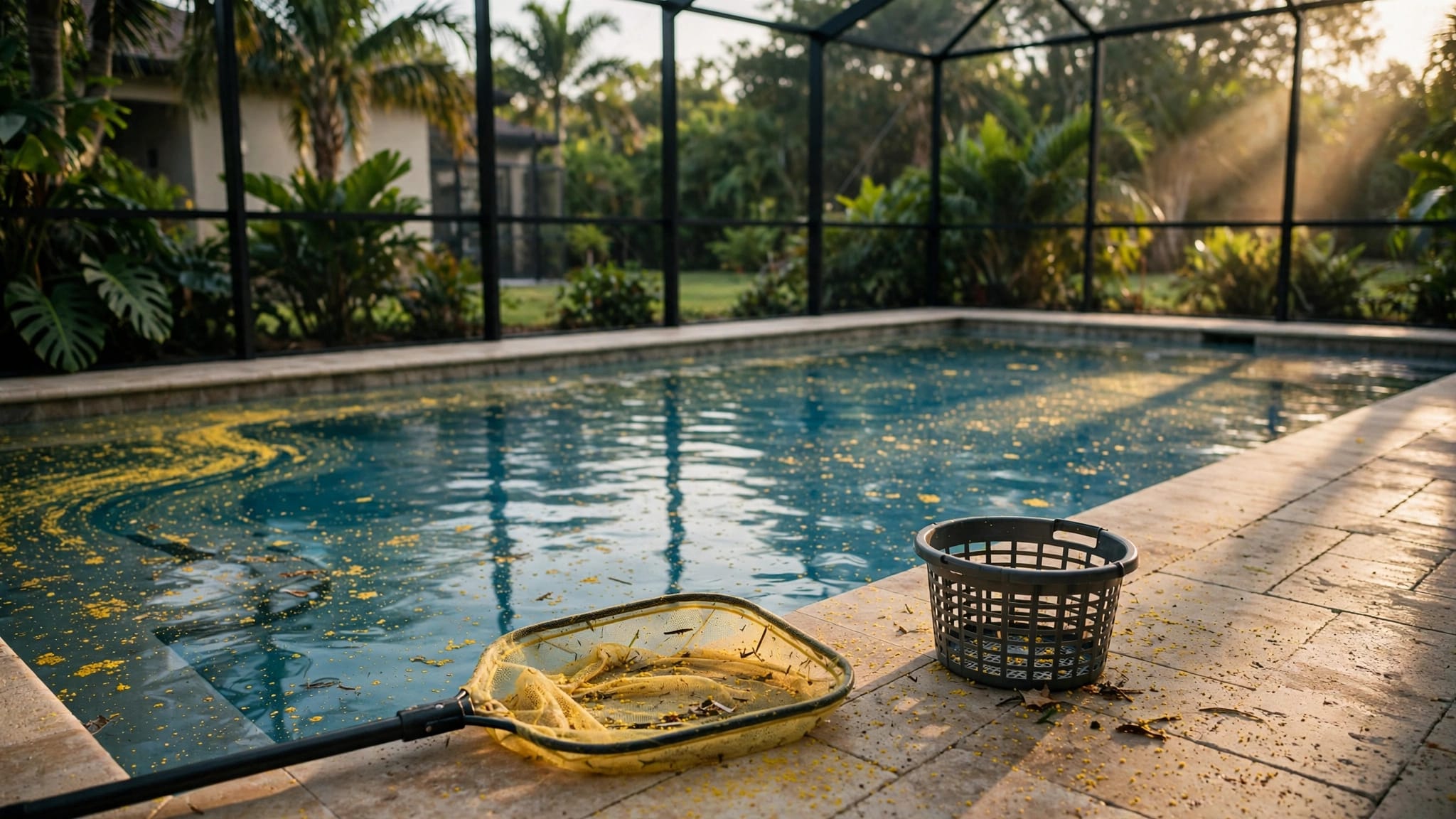
Pool cage rescreening is usually the better choice when the aluminum frame is sound and the mesh is worn. If the frame has serious corrosion, bent supports, or weakened connections, repairing or replacing the affected structure may make more sense.
The right answer depends on what has failed , not just how old the enclosure looks. A torn screen can be easy to spot, while damage around fasteners and anchors may be less obvious.
Start by separating screen problems from frame problems.
Key Takeaways for Your Pool Enclosure
A few damaged panels don't automatically mean you need a new pool cage. Use these distinctions as a starting point:
- A partial screen repair can work when damage is isolated and the remaining mesh is in good condition.
- A full rescreen makes sense when mesh is brittle or failing throughout an otherwise sound frame.
- A localized frame repair may be possible when damage is confined to one area and the rest of the structure remains sound.
- Frame replacement becomes more likely when structural damage is widespread, severe, or affects critical connections.
A new screen won't correct a weakened frame, so structural issues come first.
Start With the Pool Cage Frame
Look beyond the visible tear or loose panel. The frame has to support the screen and remain securely attached to the surrounding structure. Its condition determines whether new mesh has a suitable foundation.
Look at Members, Joints, and Anchors
Straight aluminum members and secure connections are encouraging signs. Bent supports, cracked sections, loose joints, and damaged base connections deserve closer attention.
Pay attention to where frame posts meet the deck and where members connect. Corrosion at a structural joint can matter more than discoloration on a broad, flat surface. A professional inspection can assess damage that isn't visible from the pool deck, including areas along the roof.
Don't Overlook Channels and Hardware
Screen sits in channels held by a flexible material called spline. If a channel is badly corroded or distorted, new spline may not hold the mesh securely.
Doors and fasteners also offer clues. A sticking door could have a hardware issue, but it can also point to movement or damage in the surrounding frame. Our guide to salt air damage to pool cage frames explains why corrosion depth and location matter.
When Pool Cage Rescreening Is Enough
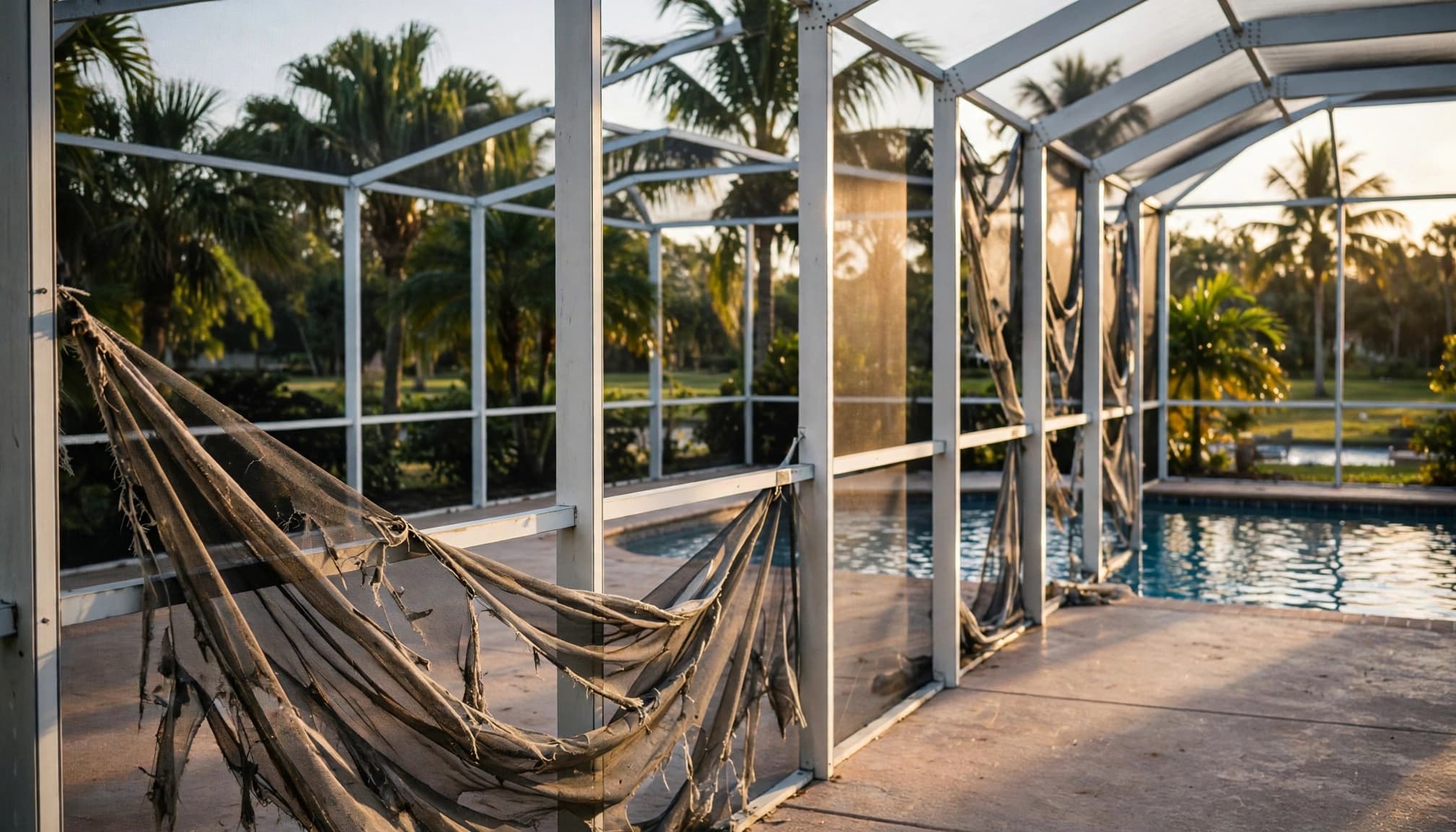
Rescreening replaces the mesh while keeping a suitable existing frame. It's often the practical choice when the enclosure remains straight and secure but the screen no longer does its job.
Repair a Few Panels When Damage Is Isolated
A single tear, a loose corner, or damage confined to one side may call for a partial repair. This approach can also work after a storm damages a small section while the rest of the mesh remains flexible and secure.
A limited repair preserves panels that still have useful life. However, new mesh may look different beside older, faded material. If appearance matters, replacing a larger section can create a more consistent look without rescreening the entire cage.
Rescreen the Whole Cage When Wear Is Widespread
A full rescreen is worth considering when several panels are brittle, faded, sagging, or tearing in different places. Replacing one panel at a time can become frustrating if neighboring panels keep failing.
The work generally involves removing old mesh and installing new screen across the enclosure. Spline and damaged screen channels may also need attention. The distinction between panel repair and a full rescreen often comes down to the condition of the remaining mesh.
When Frame Repair or Replacement Makes Sense
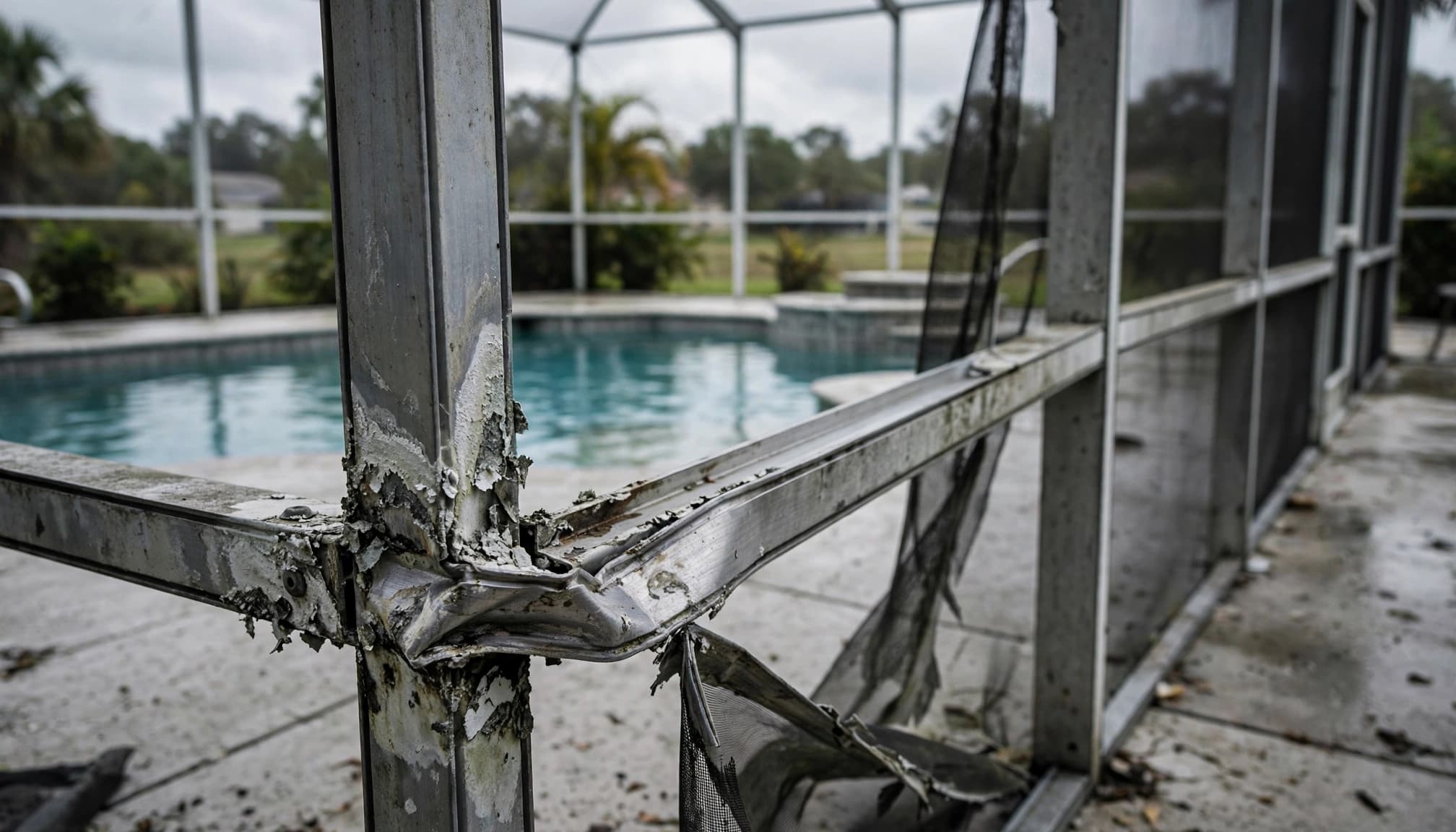
A damaged frame doesn't always mean the entire enclosure needs to come down. The location and extent of the damage determine whether a targeted repair or a larger replacement is appropriate.
Localized Damage May Be Repairable
Minor surface oxidation, damaged fasteners, or a problem confined to one frame section may be addressed without replacing the whole structure. Depending on the condition, the work could include treating affected areas, replacing hardware, or repairing a section before rescreening.
The key is whether the remaining frame and connections can continue to support the enclosure. A small area of visible damage isn't proof that the surrounding structure is sound, especially when corrosion appears near a joint or base connection.
Widespread Structural Damage Can Call for Replacement
Deep pitting, cracked members, severe distortion, and weakened base connections are more serious concerns. Multiple damaged areas can also make repeated spot repairs less practical than replacing a larger section or the enclosure.
Frame replacement may be the better time to change an enclosure that no longer fits the deck or the way you use the pool. A new layout is a different scope from simply replacing mesh, so compare the proposed work accordingly.
For Cape Coral homeowners considering a larger project, our pool screen enclosure installation services cover new enclosures and replacements.
How Frame Age Affects the Decision
Age is useful context, but it isn't a verdict. Two enclosures of the same age can be in different condition because of salt exposure, weather, maintenance, and previous repairs.
An Older Frame Can Still Be Worth Keeping
If the members are straight, connections are secure, and screen channels can hold new spline, an older frame may be a good rescreen candidate. Replacing usable aluminum solely because the screen has aged can add unnecessary work.
That said, a rescreen doesn't make an old frame new. Any existing frame wear remains after the mesh is replaced, so factor its condition into your decision.
New Screen and New Frames Have Different Lifespans
New mesh gives you a fresh screen surface, but its useful life depends on material, exposure, and care. The frame's remaining life depends on its own condition. A full rescreen can outlast a few panel repairs, yet it doesn't stop corrosion already affecting the structure.
A new frame starts a new service life for the structural components. It still needs maintenance, and the screen installed with it will wear separately.
Comparing Repair, Rescreening, and Replacement Costs
A few panel repairs generally cost less upfront than rescreening an entire enclosure because the job uses less material and covers a smaller area. A full rescreen generally costs less than replacing the frame and installing screen on a new structure.
The lowest initial price isn't always the lowest cost over time. If most panels are brittle, repeated repairs can add up. Similarly, rescreening before addressing a deteriorated frame may mean paying to remove and replace mesh again during structural work.
Several details affect the scope and price:
- The enclosure's size and shape affect how much screen and labor the job requires.
- Roof access and panel layout can make some areas more involved to replace.
- Mesh choice, door repairs, hardware, and spline can change the total.
- Frame repairs, removal of an old enclosure, or a different layout add work beyond rescreening.
When comparing estimates, look at what each scope includes . A quote for a few panels isn't equivalent to a full rescreen, and a rescreen quote shouldn't be treated as a frame replacement quote.
A Simple Decision Framework for Homeowners
Use the condition of the frame and mesh together to narrow your options.
| What you see | Likely direction | Why it fits |
|---|---|---|
| One or two damaged panels, with healthy surrounding mesh | Partial screen repair | The problem is limited, and most of the screen remains usable. |
| Brittle or torn mesh across a sound frame | Full rescreen | The screen is failing broadly, but the structure can remain. |
| Localized frame or hardware damage | Targeted frame repair, followed by screen work | The damaged area needs attention before mesh can be secured. |
| Severe or widespread structural damage | Larger frame or enclosure replacement | Repeated screen repairs won't resolve structural problems. |
| A sound cage that no longer fits your plans | Consider a new enclosure layout | Rescreening keeps the existing structure and configuration. |
This framework helps you describe the problem, but it doesn't replace a structural assessment. If a member is cracked, badly bent, or loose at its base, avoid relying on the screen to hold it in place.
Choose Screen Material for Your Priorities
Once the frame is ready for mesh, consider what you want the screen to do. A homeowner focused on small insects may choose a different material than someone prioritizing durability or visibility.
Our pool screen mesh options include 17X20 Super Screen and 20X20 No-Seeum Screen. No-Seeum Screen is designed to provide extra protection against tiny insects. The right choice depends on the enclosure and how you use the space.
Also consider the doors. New panels offer less protection from insects and debris if a door doesn't close and latch reliably. Door hardware can be included in the overall repair plan rather than left until after the screen work.
Frequently Asked Questions
Can You Rescreen a Pool Cage With Some Corrosion?
Yes, a frame with minor surface oxidation may still be suitable for rescreening after the affected areas receive appropriate attention. Deep pits, cracked members, or weakened connections are different concerns and may require structural repair or replacement first.
Does a Torn Screen Mean the Frame Is Damaged?
No. Mesh can tear while the frame remains sound. However, screen damage alone doesn't establish that the frame is in good condition. Look at the members, connections, channels, and hardware as part of the same evaluation.
Can a Screen Enclosure Be a Pool Safety Barrier?
An enclosure doesn't automatically satisfy every pool-barrier requirement. Its doors, latches, mesh, frame, and layout all matter. Treat a damaged or unreliable door as a safety concern, even if the rest of the screen appears intact.
Choose the Scope That Fits the Damage
The best choice starts with a sound structure. If the frame is in good condition, repair or replace the worn mesh. If structural damage is significant, address the frame before investing in new screen.
We offer screen enclosure and rescreening services in Cape Coral. Get a Free Estimate to schedule an on-site consultation and discuss the condition of your enclosure.