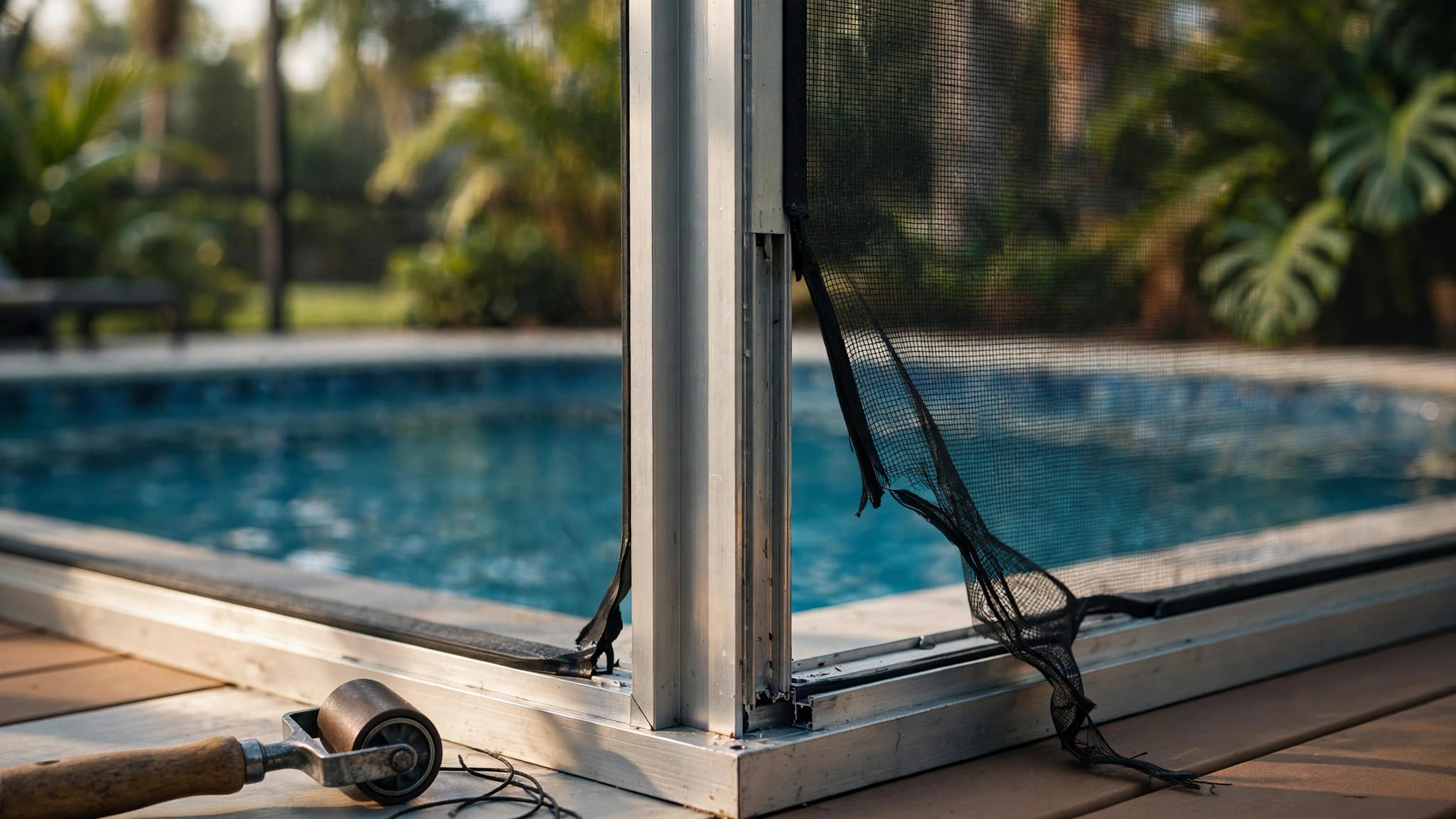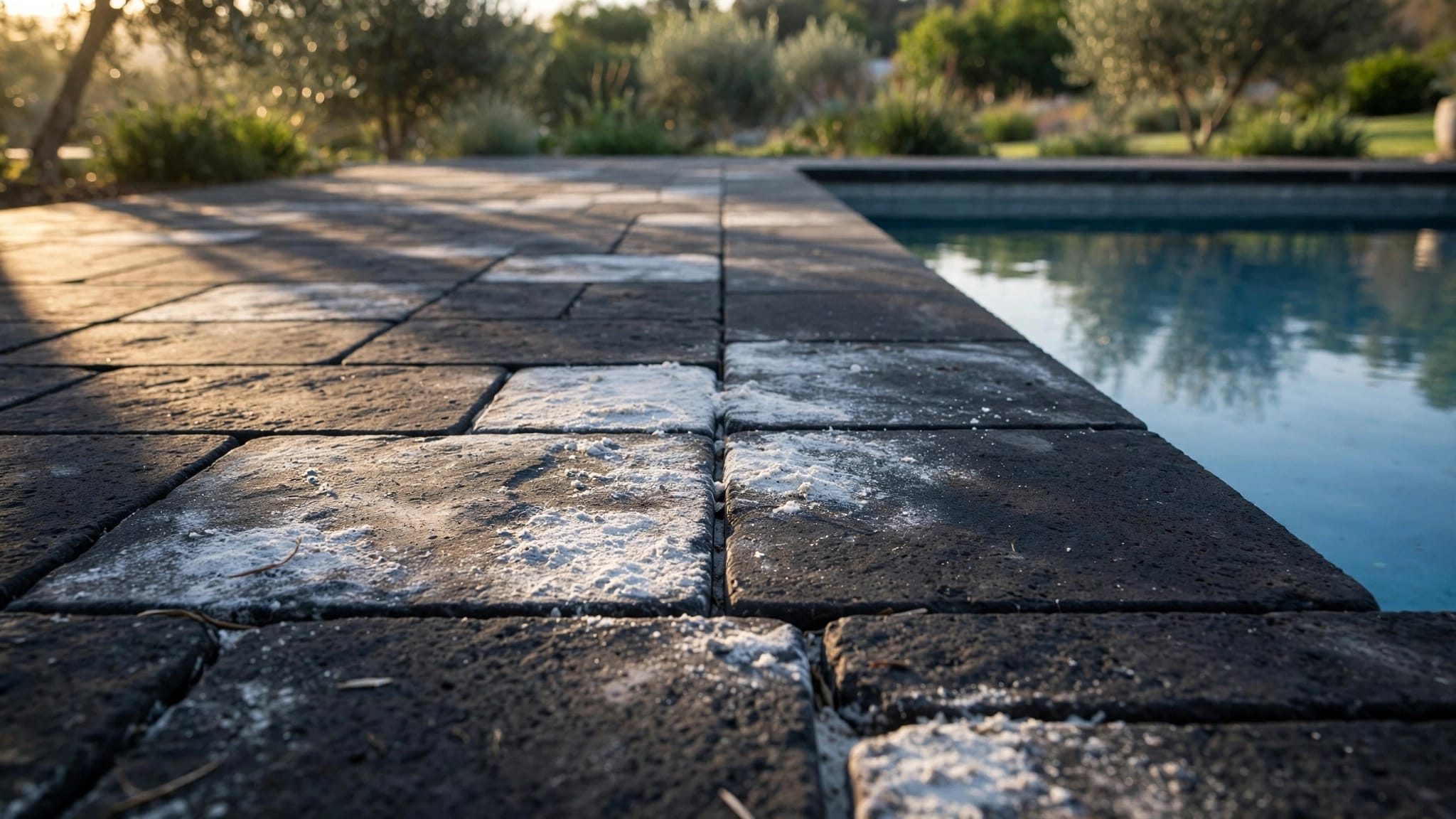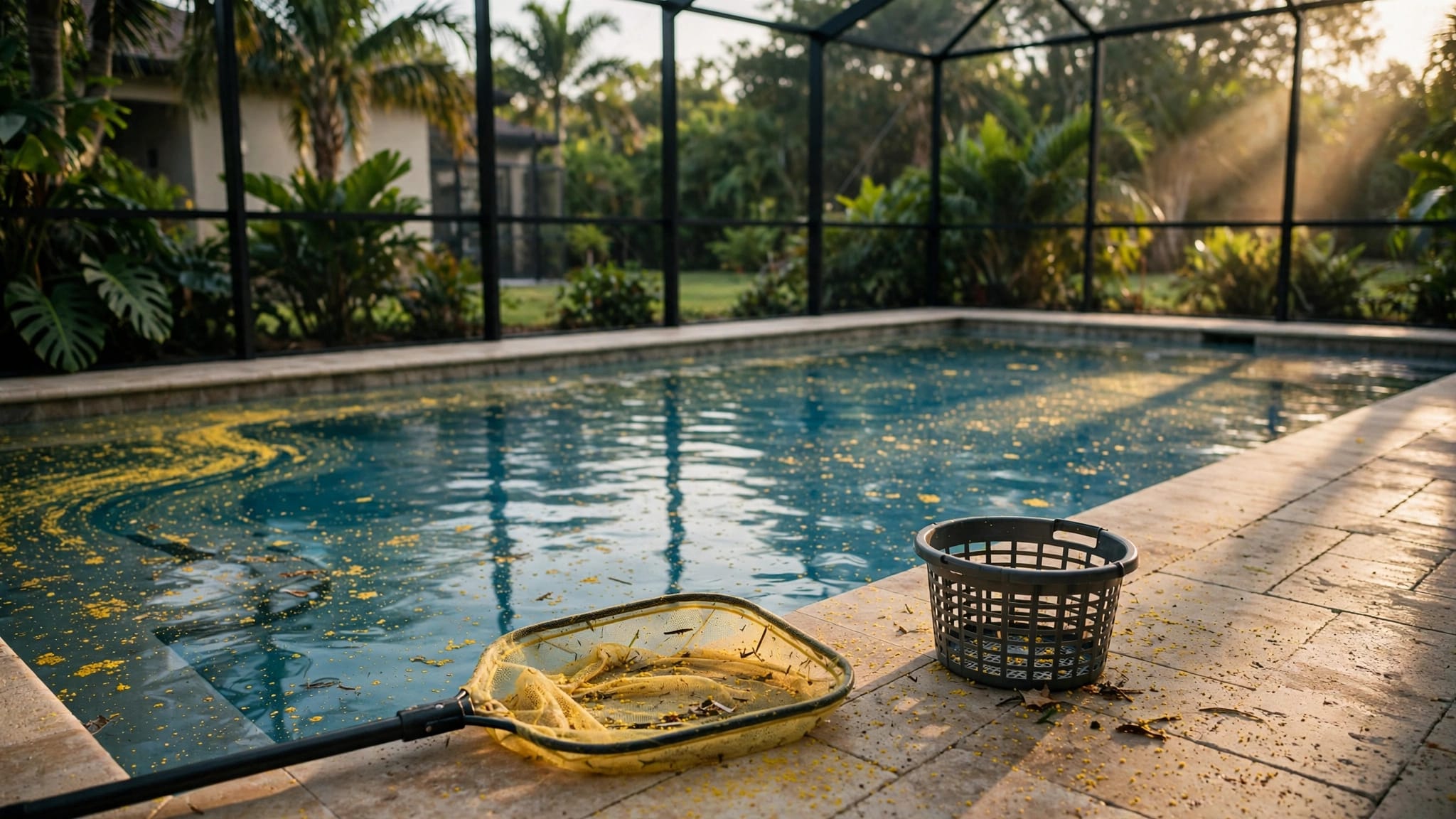
Yes, pool skimmer replacement can often be planned without removing the entire pool deck . However, replacing the skimmer body may still require an opening in the deck near the pool's edge.
The right approach depends on what is damaged and how the skimmer is surrounded. Before assuming you need a major deck project, start by identifying the part that needs attention.
Key Takeaways
- A damaged basket or weir door doesn't automatically mean the skimmer body needs replacement.
- If the body needs replacement, access may be limited to the area around the skimmer rather than the whole deck.
- Cracks, settlement, and persistent water loss deserve a professional evaluation before repair work begins.
Identify Which Skimmer Part Is Damaged
A pool skimmer has several components, and they don't all require the same repair. The basket and weir are accessible parts, while the skimmer body sits at the pool edge and connects to the plumbing.
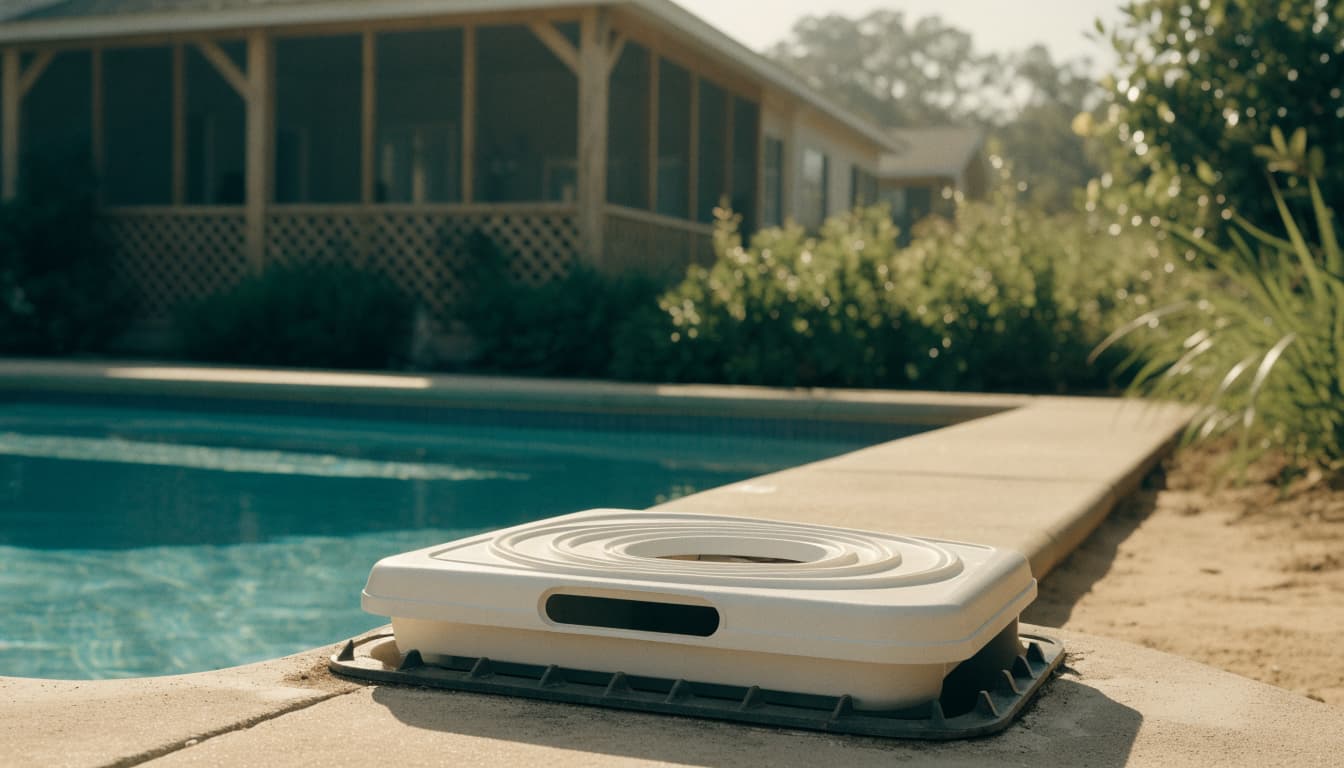
Basket and weir problems
The basket collects larger debris before water travels toward the pump. The weir is the moving flap at the pool opening that helps keep floating debris inside the skimmer.
A cracked basket or sticking weir may need a matching replacement part rather than a new skimmer body. Turn off the pump at the breaker or disconnect before opening the lid or removing the basket. Our guide to pool skimmer weir door replacement covers the checks for a damaged flap.
Skimmer body and plumbing concerns
Look for cracks in the visible plastic and damage around the weir's mounting points. A new flap won't fix a broken mount or a cracked housing, so don't force one into place.
Persistent water loss, air in the pump basket, or repeated loss of prime can point to a problem that needs further investigation. Those signs alone don't establish whether the skimmer body, a pipe, or another component is responsible.
Assess Your Pool and Deck Layout
You can gather information without cutting into the deck. Start with a walk around the pool and take wide photos of the skimmer area, followed by close-ups of any visible damage.
Look at the space around the skimmer
Find the skimmer lid and notice what surrounds it. Concrete, pavers, coping, waterline tile, landscaping, and a screen enclosure can all affect the space available for a repair.
Also look for existing cracks or uneven areas near the skimmer. Photograph features that could be affected by the work, including nearby drains or enclosure supports. These details help establish the existing condition before a repair is planned.
Record signs of movement or water loss
Note gaps around the skimmer, loose tile, damp soil, or a deck section that appears to have shifted. These observations don't identify a leak by themselves, but they give a contractor a starting point.
If you notice major shell cracking, widening gaps, or unstable decking, keep away from the affected area and arrange an evaluation. Significant movement may also call for a structural specialist.
Understand Localized Access vs. Full-Deck Removal
An opening around a skimmer and removal of the entire deck are different scopes of work. For a localized project, the focus is the area needed to reach the affected components and restore the surrounding surface afterward.
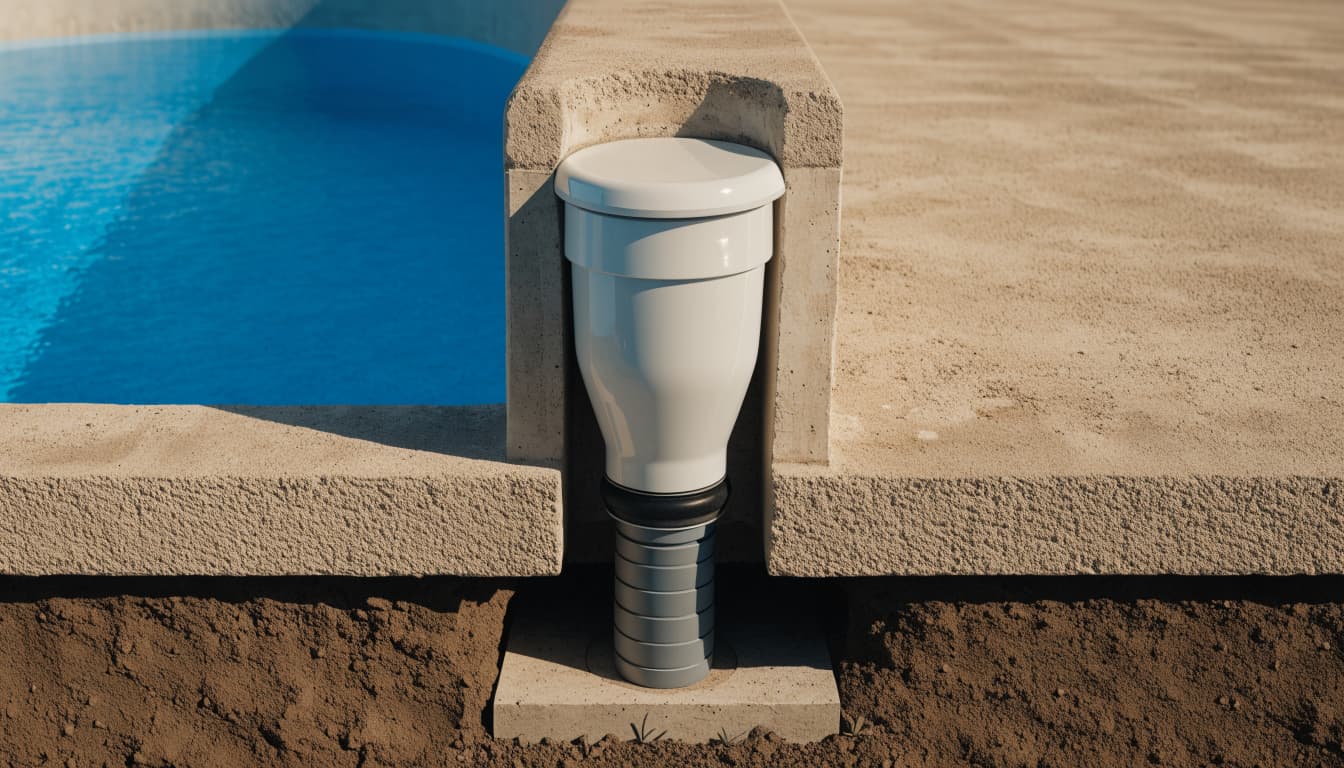
The visible lid doesn't reveal everything below the deck. A skimmer body, its connection to the pool, and adjoining plumbing all need consideration when planning access. The amount of surrounding material involved depends on the layout and the condition of those components.
If you're already planning a Cape Coral pool renovation, include the skimmer in the discussion before choosing new deck or interior finishes. That gives the work a better chance of fitting into the larger project.
When Might Deck Cutting Be Necessary?
Deck cutting may be part of the proposed work when the skimmer body or its connections need attention below the surrounding surface. The area involved depends on what needs access, not just the size of the lid.
The condition of the deck matters, too. Existing cracks, settlement, or damage around the pool edge may require a broader assessment before anyone decides where work should begin.
Ask for a written scope that identifies the affected area and describes how the deck surface will be restored. If the skimmer sits close to tile, coping, or an enclosure support, those details belong in the discussion as well.
FAQ About Pool Skimmer Replacement
Can a skimmer be replaced without cutting any deck?
That depends on the pool's layout and the access available around the skimmer. The lid provides a view of the basket and part of the housing, but it doesn't show every connection.
An on-site assessment can distinguish a small component repair from a job involving the skimmer body. Even when some deck cutting is needed, the whole deck may not need to come out.
Does a cracked skimmer always cause a leak?
No. A visible crack deserves attention, but its location and extent matter. Water loss can also have other causes, including a problem elsewhere in the plumbing.
Record where you see the crack and when you notice water loss. Avoid treating the visible mark as a complete diagnosis, especially if the deck or pool shell also shows movement.
Plan the Repair Around Your Pool
Pool skimmer replacement doesn't have to mean removing your entire deck. The first step is identifying the damaged component and understanding what surrounds it.
A clear assessment helps keep the work focused on the area that needs attention. If you're in Cape Coral and need an on-site consultation, Get a Free Estimate from our team at Back Bay Pools.