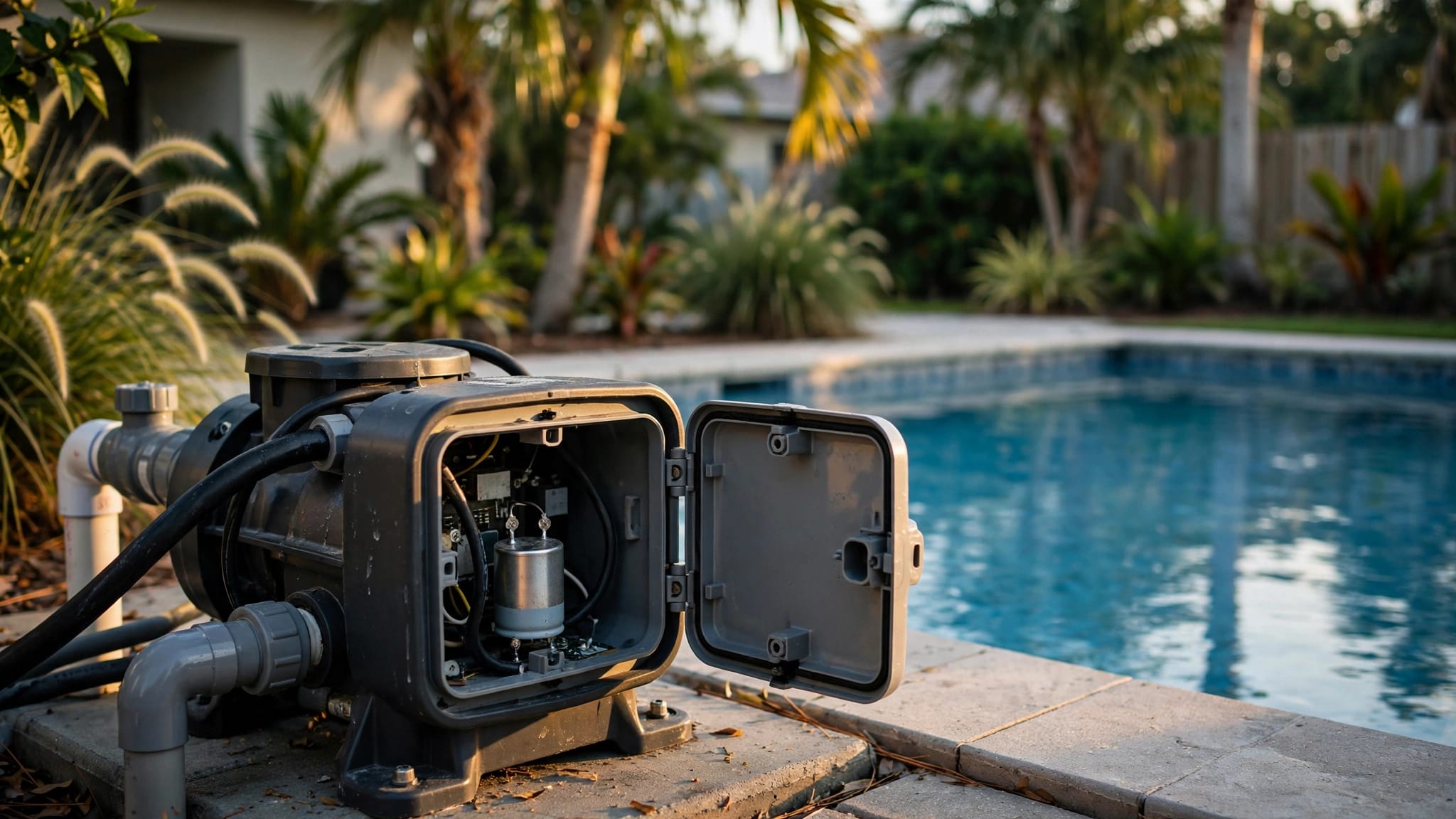
A pool project goes more smoothly when you start with the condition of the yard, pool, and enclosure, not a feature list. In Cape Coral, sun, rain, wind, and salty air all affect how outdoor spaces hold up. The right scope may be a new pool, a renovation, resurfacing, a rescreen, or a combination of related work.
At Back Bay Pools, we handle pool construction, renovation, resurfacing, and screen enclosures. Start by identifying what needs to change, then plan the connected details around it.
Choose the Right Type of Pool Project
A new build, a renovation, and a rescreen solve different problems. Separating them early helps you discuss a clear scope and avoid treating a surface issue as a structural one.
When a new pool makes sense
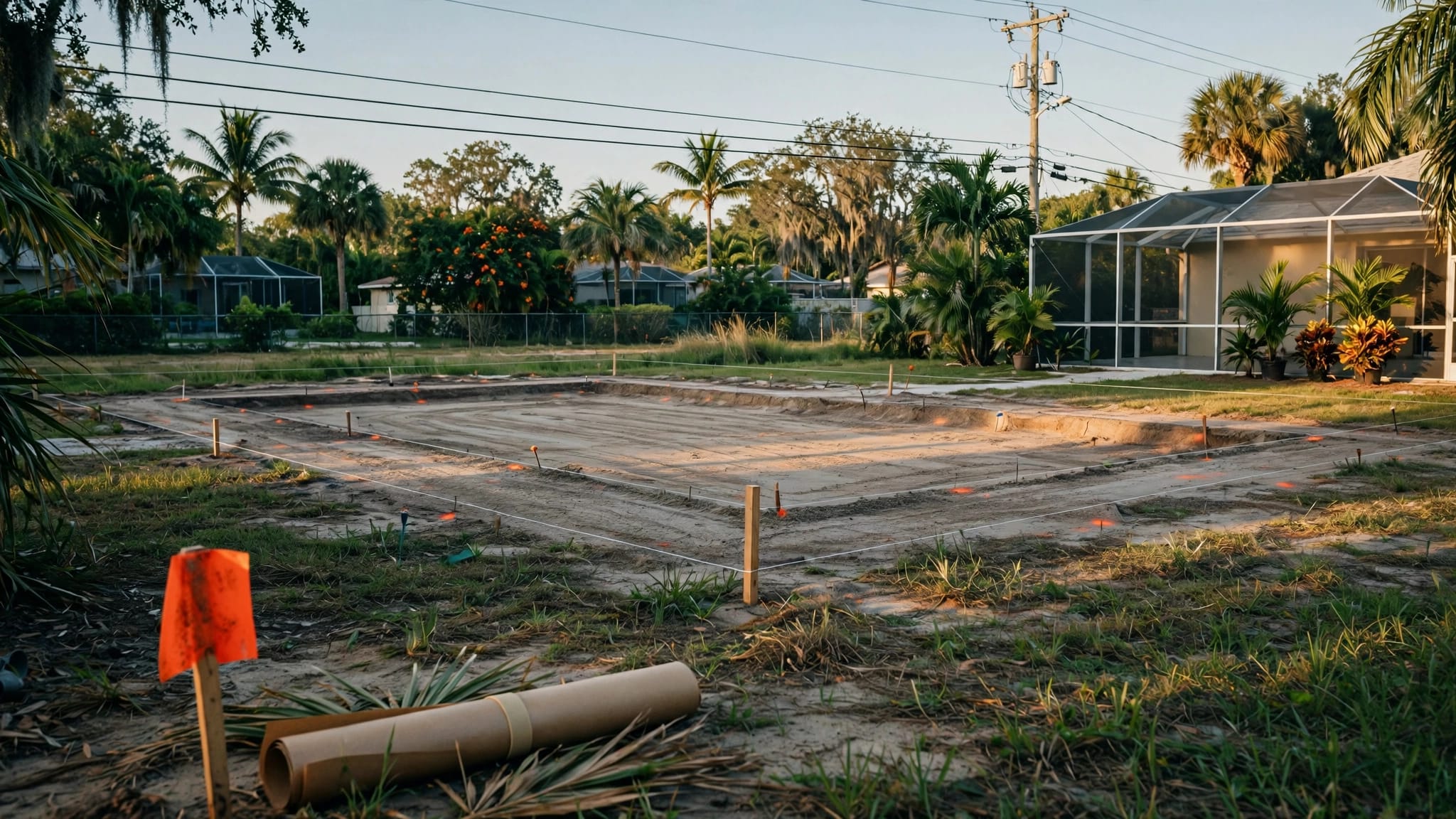
If your yard doesn't have a pool, construction lets you plan the pool and its surrounding features as one project. The design can account for the available space, decking, finishes, equipment access, and whether you want a screen enclosure.
Consider how you expect to use the pool, too. A family that swims often may have different priorities from homeowners who want a place to cool off or entertain. Pool size and shape matter, but so do circulation around the deck, access to equipment, and room for outdoor seating.
When an existing pool needs attention
If you already have a pool, look at the shell, interior surface, deck, equipment, and enclosure separately. A worn finish may call for resurfacing, while a broader update could include tile, coping, lighting, or equipment replacement.
A screen with a few damaged panels may only need a repair or rescreen. A bent or corroded frame points to a larger enclosure concern. Matching the work to the actual condition keeps the project focused.
Plan a New Pool Around the Whole Yard
A new pool affects more than the patch of ground it occupies. The layout also shapes how people move through the yard and how crews can reach the equipment and pool surfaces later.
Set the layout before choosing extras
Start with the pool's position, shape, and access points. Think about where the sun falls, how the pool relates to the home, and whether the proposed deck leaves enough room to walk around comfortably. If you want a spa, screen structure, or expanded seating area, include those in early discussions.
Our new pool construction in Cape Coral can include design choices for decking, finishing, and screen enclosures. Discussing these elements together gives the layout a better chance of working as a complete outdoor space.
Keep future care in the plan
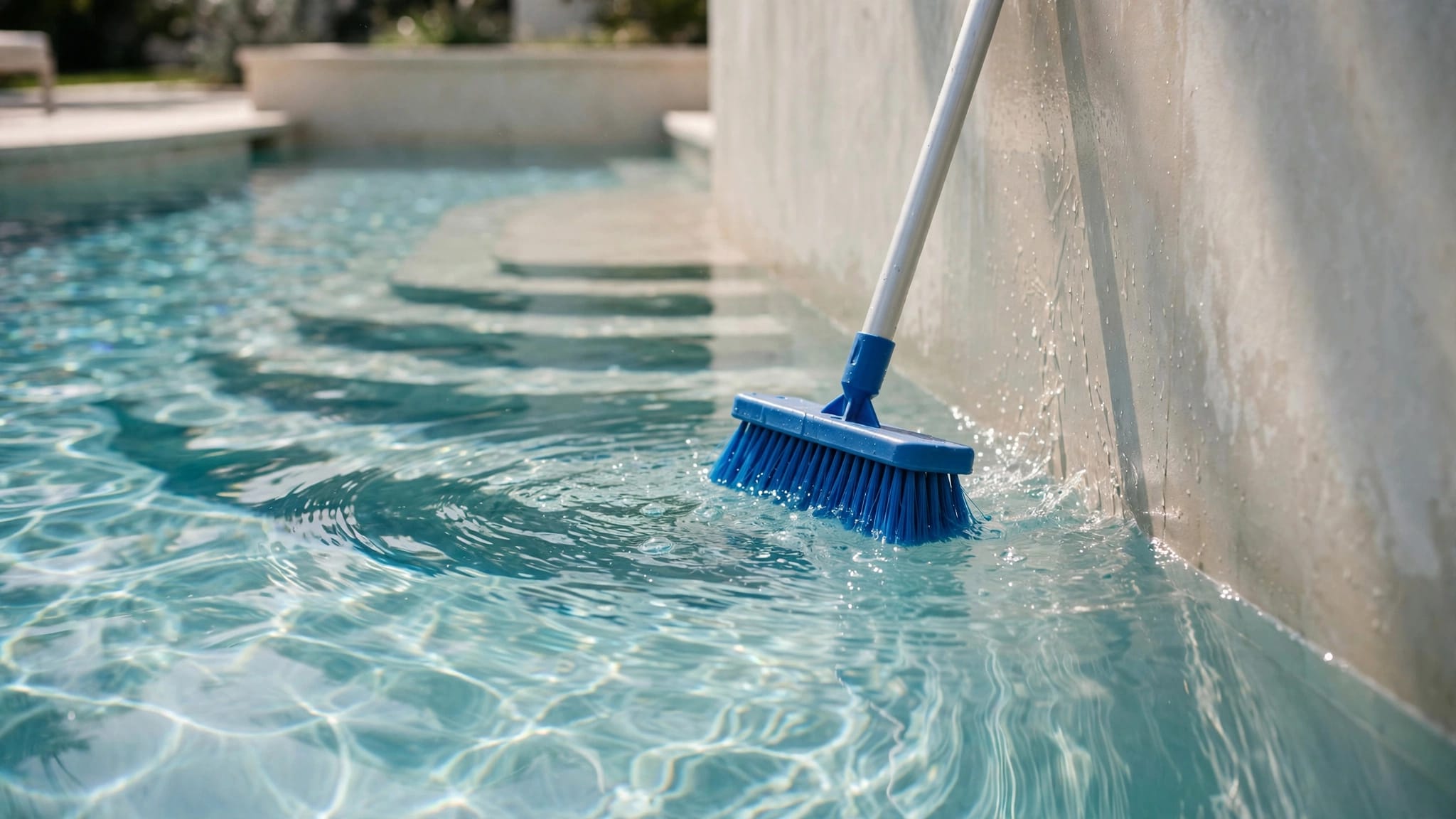
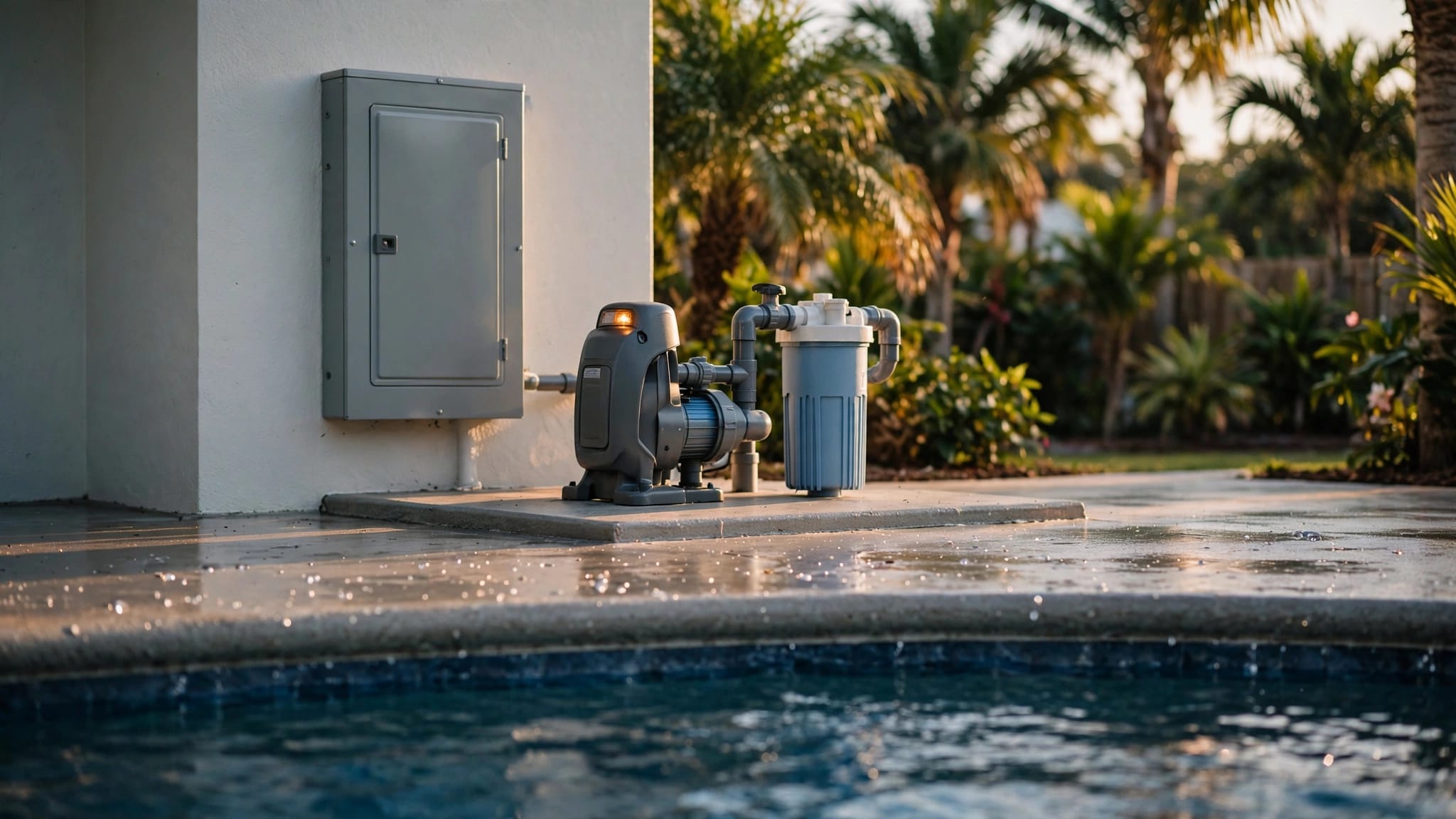
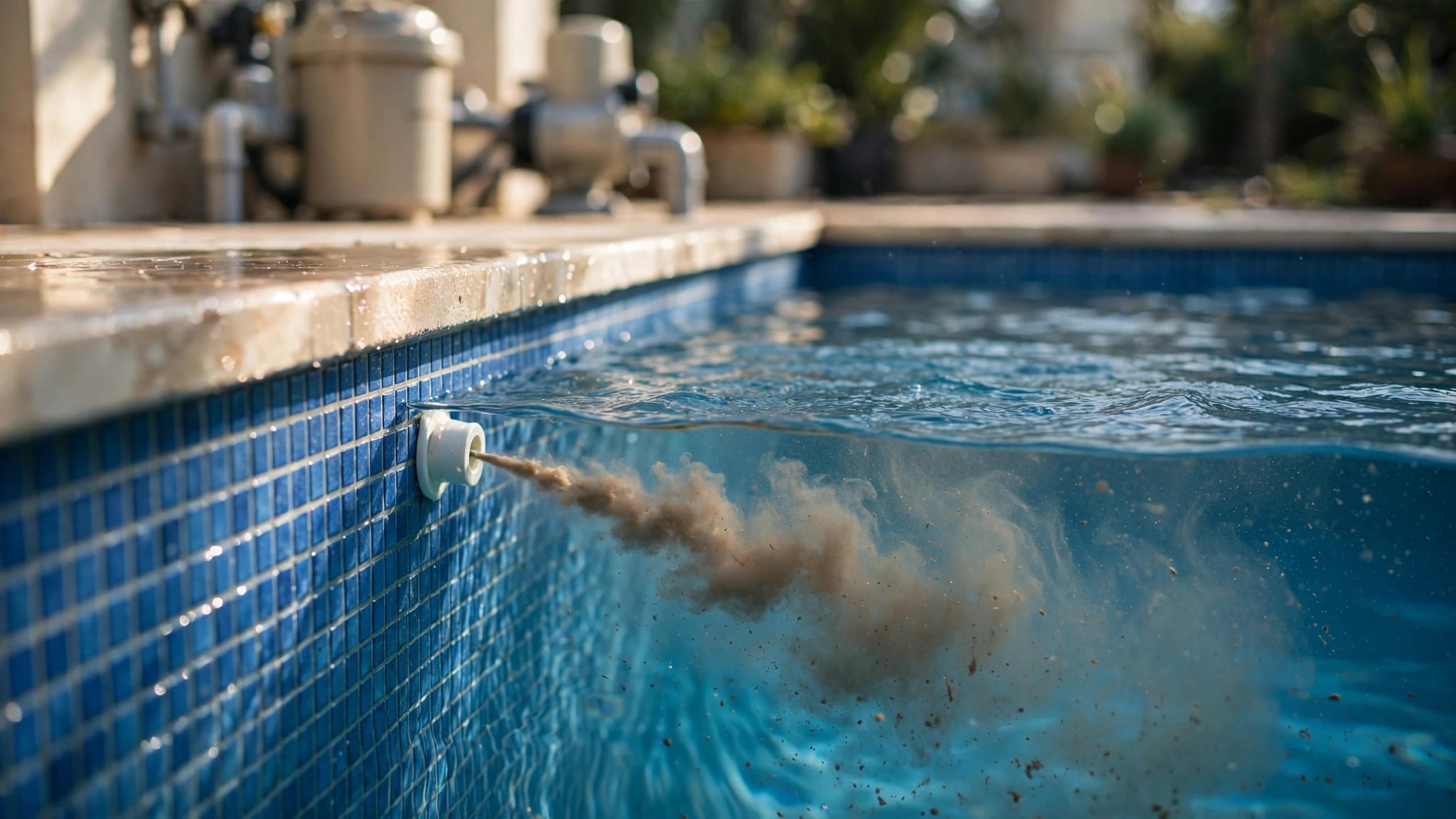
A pool is easier to maintain when its equipment and surfaces remain accessible. Leave a practical route to the equipment area and consider how you'll clean the pool, deck, and enclosure. Drainage also deserves attention, since water should not collect where it can cause persistent wear or interfere with access.
A screen enclosure can reduce the amount of leaves and insects that reach the pool, but it still needs upkeep. Planning its placement, doors, and access along with the pool can help avoid awkward transitions between the house, deck, and water.
Decide Whether to Renovate or Resurface
Resurfacing renews the pool's interior finish. A renovation can cover a wider range of work, such as deck updates, equipment replacements, lighting, tile, coping, or changes to the pool area.
Match the work to the condition
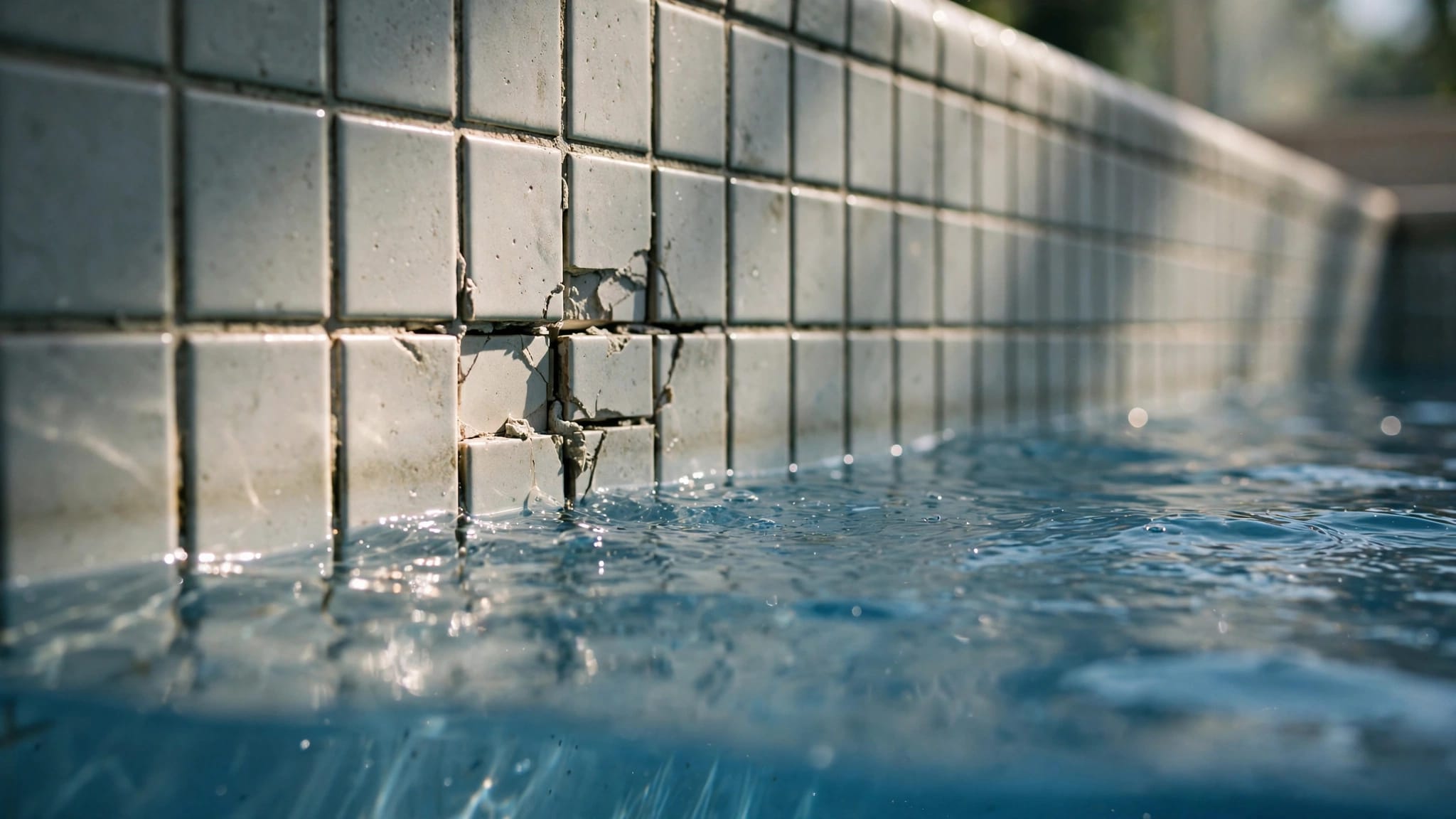
Widespread roughness, pitting, or a worn interior may point toward resurfacing. However, a new finish won't fix every problem beneath it. Cracks, leaks, or damage to the shell may need separate attention before a finish goes on.
Our pool renovations and resurfacing include interior refinishing and related updates. The right scope depends on what the pool needs, not simply which finish looks appealing.
Consider connected upgrades
When several parts of the pool area need work, discuss them as a coordinated project. For instance, resurfacing may be a natural time to consider equipment replacement or lighting. Deck updates may also affect how the pool edge and surrounding surfaces fit together.
Older pools can reveal hidden issues once work begins. A surface tear-out may expose weak areas, while deck work can uncover drainage or base concerns. Build room in the conversation for the possibility that repairs may be needed beyond the visible wear.
Choose a Finish for Use and Upkeep
The pool interior affects appearance and feel, but it should also fit the condition of the pool and your maintenance expectations. Options can include plaster, quartz, pebble, or tile, depending on the project and the finish system selected.
Ask how the existing surface will be prepared and what repairs are part of the scope. A new finish needs a sound, properly prepared base. If the pool has cracks or loose areas, those should be assessed rather than covered without attention.
Also consider how the finish relates to the pool's overall look. Color, texture, tile, coping, and deck materials all contribute to the finished appearance. A coordinated choice can make a resurfacing project feel like a complete refresh without expanding it into a full redesign.
For a broader renovation, identify the priorities before adding optional features. If the main concern is a rough interior, focus first on surface preparation and repairs. If the pool also needs lighting, deck improvements, or equipment updates, put those needs into the same discussion so the scope is clear.
Choose Between a Rescreen and a New Enclosure
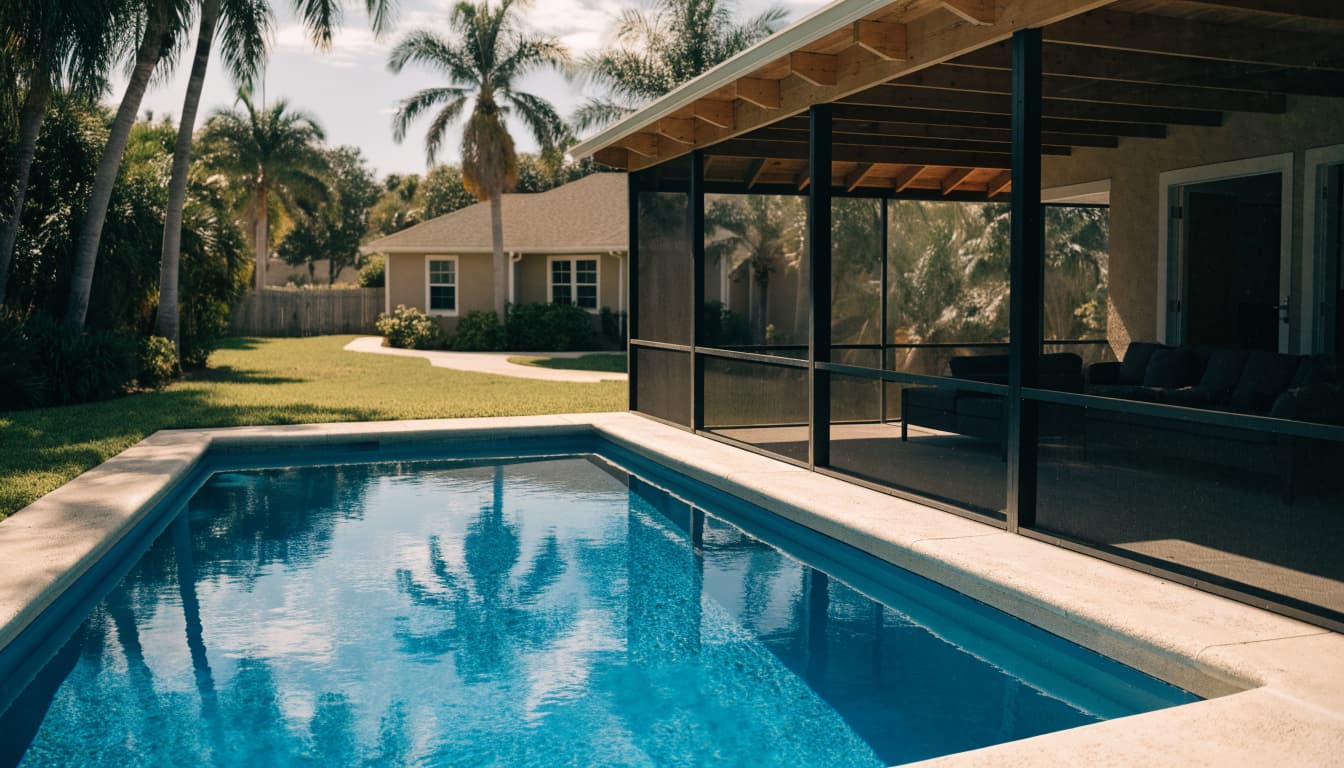
A rescreen replaces mesh while keeping a suitable frame. A new enclosure may be needed when the frame is damaged, the layout no longer fits, or the project calls for a different structure.
Inspect more than the mesh
Tears and sagging panels are easy to spot, but they don't tell the whole story. Look at the aluminum frame, spline channels, fasteners, and doors. Corrosion, bent sections, loose hardware, or doors that stick can mean the work involves more than new screen fabric.
A stable frame may be a good candidate for rescreening. However, damaged channels can make it hard to secure the new spline, and frame repairs may need to happen first. Our pool screen enclosure installation and rescreen services include options for both new structures and replacement screens.
Treat gates as part of the plan
An enclosure keeps out many insects and debris, but it doesn't automatically meet every pool-barrier requirement. The door, latch, mesh, frame condition, and overall layout all matter. A door should close and latch reliably, without sticking or needing repeated effort.
When planning a new enclosure or repairing an existing one, include safe access in the scope. A torn panel, sagging door, or loose hardware deserves attention, even if the rest of the screen looks intact.
Compare Screen Materials by Household Need
Different mesh options suit different conditions. The right choice depends on what you want the screen to do, the enclosure's location, and how the space gets used.
Consider strength and insect protection
Back Bay Pools lists 17X20 Super Screen as 40% stronger than standard screen, an option suited to active households and high-traffic areas. The 20X20 No-Seeum Screen has smaller openings to help block tiny insects, including gnats and sand fleas, which can be a concern in coastal or marshy areas.
The 18X14 Standard Screen is a UV-protected option for large enclosures. Rather than choosing by name alone, weigh the main issue at your home: durability, small insects, or coverage for a larger screen area.
Use Florida Glass where a solid lower panel helps
Florida Glass is laminated fiberglass that can replace screen in lower enclosure sections. It helps block grass clippings, insects, and splashes while maintaining a view through the material.
Because lower panels have a different feel from open mesh, think about where they would be useful. A targeted installation can address a specific concern without changing every enclosure panel. We can discuss screen types and placement as part of a free on-site estimate.
Coordinate the Deck, Equipment, and Enclosure
A pool area feels more functional when its parts work together. Deck materials need to suit the pool's layout and provide practical walking space. Lighting can improve visibility after sunset, while well-placed equipment access makes routine service easier.
If the project includes a new screen structure, coordinate its footprint with the pool, deck, drainage, and routes through the yard. A screen cage can affect how sunlight and airflow reach the space, so consider how you use the patio before settling on the layout.
For renovations, identify which surfaces or components will be disturbed. Replacing equipment, updating a deck, and resurfacing the pool all affect different parts of the yard. Grouping related decisions early can reduce the chance of finishing one area only to reopen it for another planned upgrade.
Set a Clear Scope Before Work Starts
A useful project discussion describes both the desired result and the known condition of the pool or enclosure. Note where the surface feels rough, which panels are torn, whether doors stick, and what changes you want to make. Photos can help keep the conversation focused on the areas that matter to you.
Then separate required work from optional additions. A resurfacing project may need shell repairs before the finish is installed. A rescreen may uncover framing or hardware concerns once old panels come out. These possibilities don't mean every project will expand, but they're worth discussing when setting expectations.
For a new pool, describe how you'll use the space and what features matter most. For an older pool, explain the problems you want solved before discussing cosmetic upgrades. A clear scope helps connect the project to the right work, whether that means a new build, targeted repair, or broader renovation.
Key Takeaways
- Choose the project type based on the condition of the pool, yard, and enclosure.
- Plan a new pool together with its deck, equipment access, drainage, and screen structure.
- Resurfacing renews the interior, while renovation can include other pool and deck updates.
- A rescreen is most suitable when the enclosure frame and spline channels remain sound.
- Select mesh based on household needs, including durability, tiny insects, or lower-panel protection.
- Include doors, latches, and access in enclosure planning.
Frequently Asked Questions
Can I rescreen my enclosure without replacing the frame?
Yes, if the frame is stable and the spline channels can hold new screen securely. Bent or corroded sections, loose hardware, or damaged channels may require additional repairs.
What's the difference between pool resurfacing and renovation?
Resurfacing renews the pool's interior finish. Renovation can include resurfacing along with other work, such as equipment replacements, lighting, tile, coping, or deck updates.
Which screen option helps block tiny insects?
The 20X20 No-Seeum Screen is designed to provide extra protection from small insects such as gnats and sand fleas. The 17X20 Super Screen offers greater strength than standard screen, while 18X14 Standard Screen is a UV-protected option for large enclosures.
Does a screen enclosure replace a pool barrier?
Don't assume that it does. The enclosure's height, mesh, doors, latches, and layout affect whether it meets applicable requirements. A properly working door and latch are important parts of the overall safety plan.
Plan the Pool Project Around What You Need
The best scope starts with the condition of the space and the way you want to use it. A new pool needs a thoughtful layout, while renovation and rescreen work should address the frame, surface, and related components behind visible wear.
When you identify the main need first, it's easier to decide which upgrades belong in the project and which can wait. That clarity helps you create an outdoor space that works for your home and daily routine.