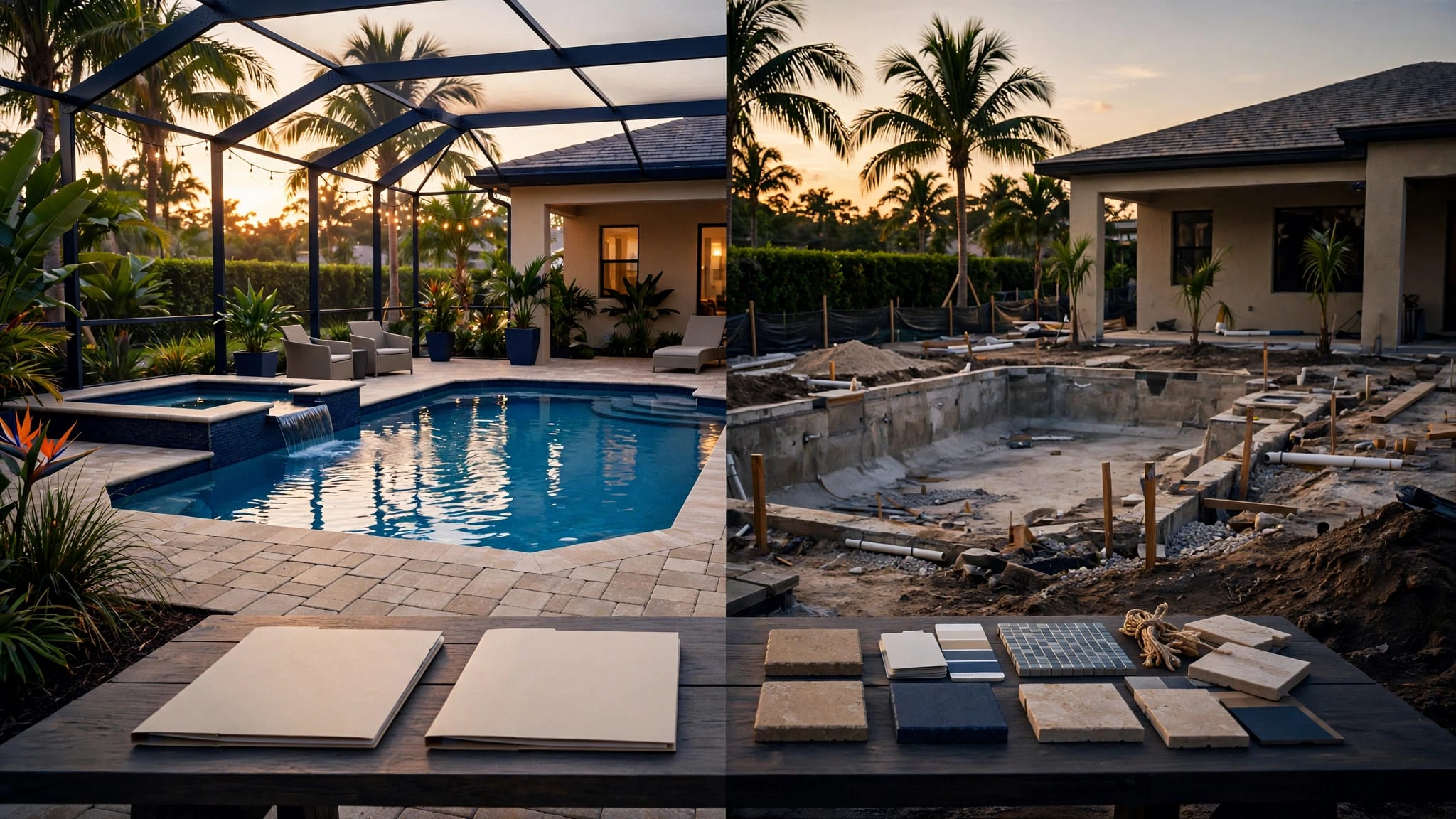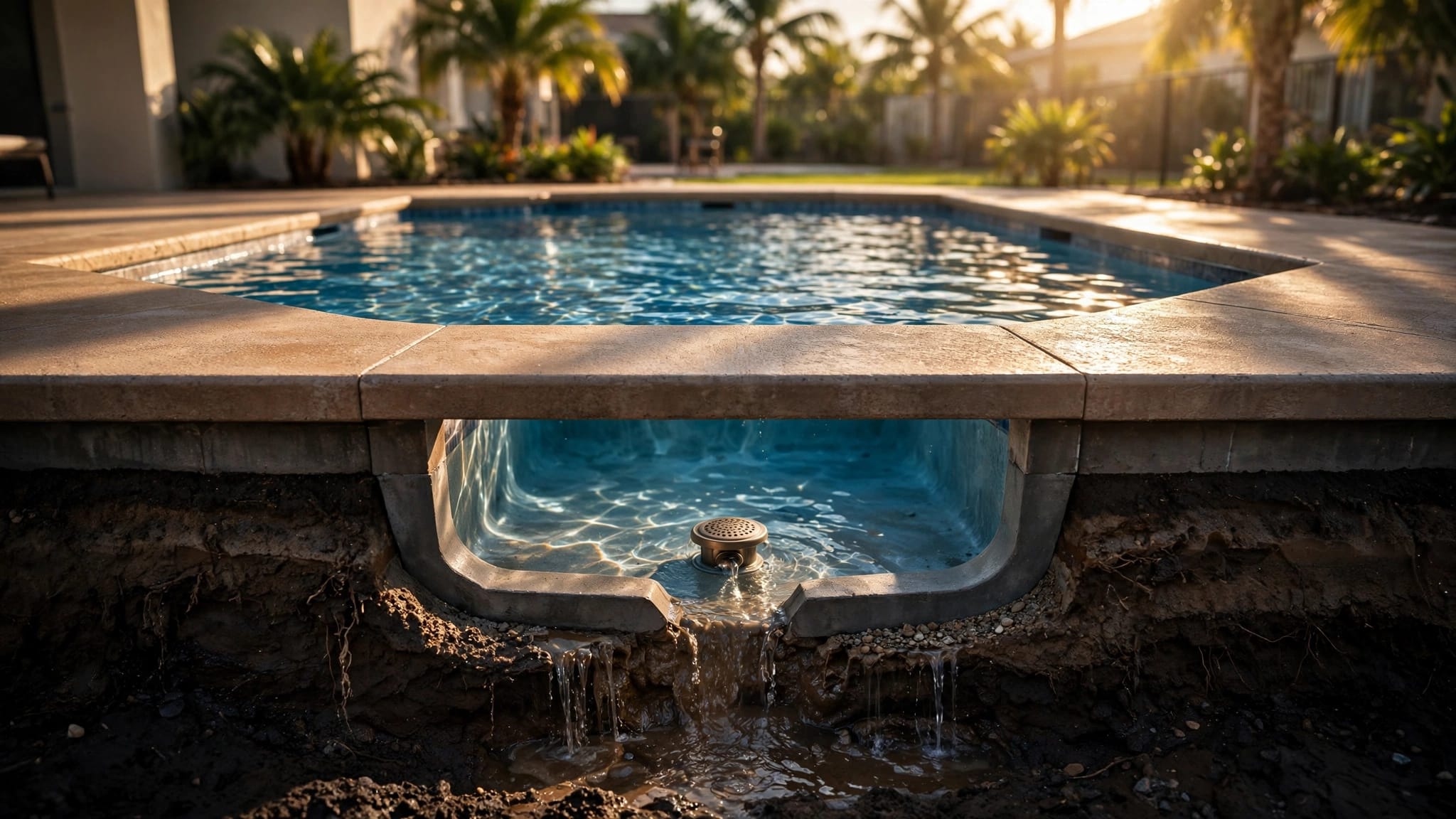
Signing a pool contract in Cape Coral feels like crossing the finish line, but it's really the start of the build. The project shifts from planning to a set of steps that move in order, and each one depends on the last.
That's where a lot of homeowners feel unsure. Who handles permits? When does digging start? What slows things down? The good news is that the process makes more sense once you know what usually happens next.
The first few days after the signature
Right after the contract is signed, the builder usually opens the project file, reviews the scope, and confirms the details that matter most. That includes the pool shape, size, finish level, spa options, deck layout, and any extras like lighting or a screen enclosure. If something was only discussed loosely, now is the time to get it in writing.
A site visit often follows. The team checks access, measures the yard, looks at drainage, and notes utility locations. In Cape Coral, that step matters because lot conditions can vary a lot from one home to the next. A narrow side yard, mature landscaping, or a tight equipment location can change the plan fast.
This is also when the builder may ask for final color choices or equipment preferences. If you want a clearer picture of the early stages, our new pool construction process shows how the work usually moves from estimate to final touches.
Homeowners can help by answering questions quickly and keeping all changes in one place. Small delays at this stage often come from unclear choices, not construction itself. A clean handoff now saves time later.
Design choices get locked in early
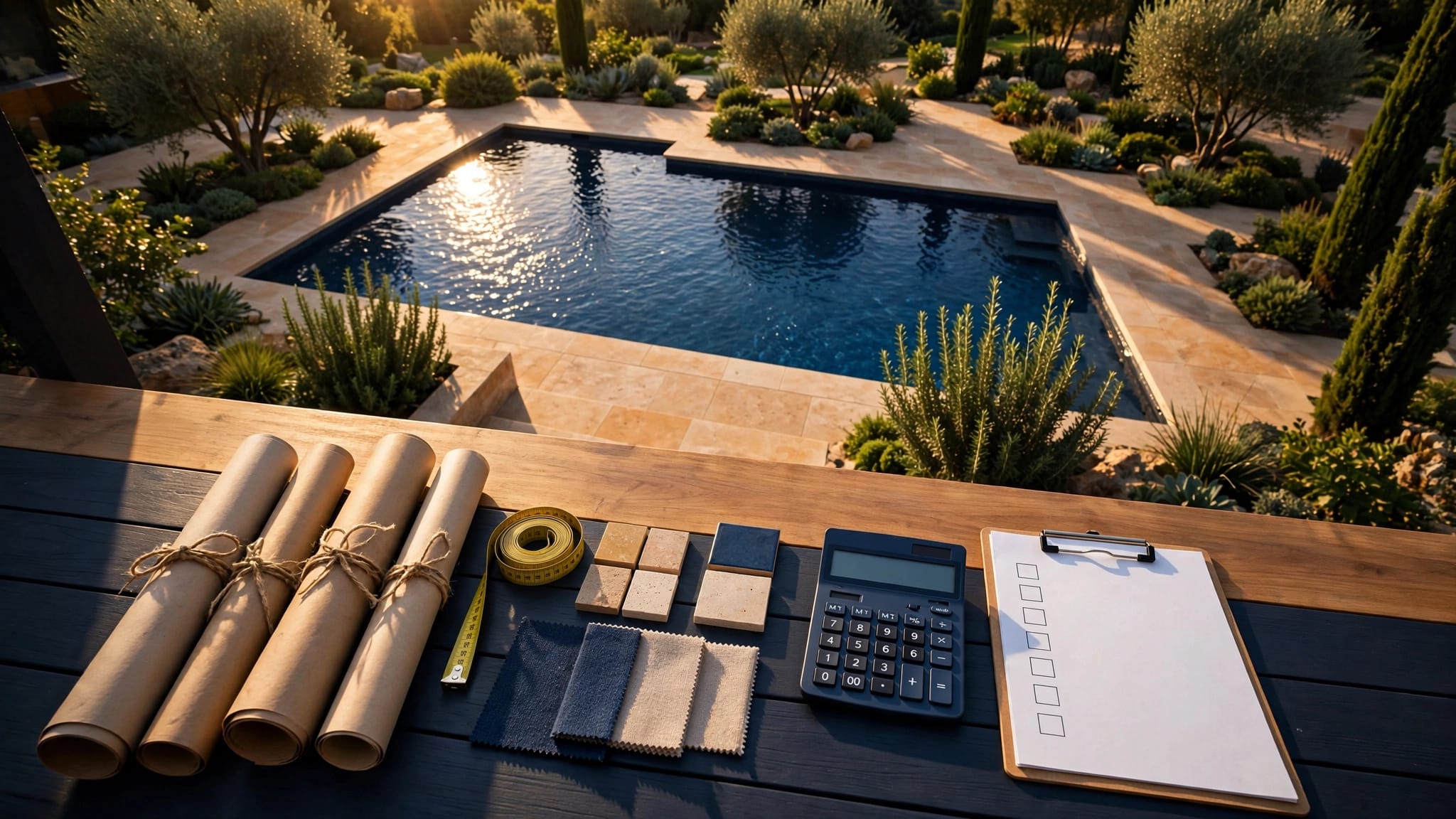
The design phase is where the paper version of the pool becomes a real plan. Shape, depth, entry steps, benches, tanning ledges, and spa placement all need to line up before the builder moves the file forward. If you're adding features, the order matters because equipment, plumbing, and electrical needs must fit the layout.
This stage is also when many homeowners change their minds. That happens, and it's normal. Still, each change can affect pricing, engineering, and the permit set. A simple shift in a pool edge or deck size may sound minor, but it can ripple through the rest of the job.
If the project includes a custom finish or more detailed design work, it helps to compare ideas before anything is submitted. Designing and permitting your custom gunite pool gives a better sense of how those choices connect.
The best approach is to settle the big items early. Pick the structure, the equipment level, and the look you want around the pool. Then leave the smaller details to final review. That keeps the job moving and reduces back-and-forth once the paperwork goes out.
Permits and approvals in Cape Coral
Once the design is set, the builder prepares the permit package. That usually includes plans, engineering details, and other documents required for review. In Cape Coral, local rules and review steps can vary based on the project type, the lot, and the scope of work. If the home sits in an area with HOA rules, those approvals may need to happen too.
This is the stage where patience matters. Permit review times can shift with workload, document corrections, and seasonal demand. Rainy months, storm cleanup, and a busy construction calendar can add more pressure. No one can promise an exact timeline, so the safest mindset is to treat this as a working phase, not a waiting game.
If you want a deeper look at the paperwork side, understanding the Cape Coral pool permitting process helps explain why details matter so much here.
Permit review can slow a project even when the yard is ready. A complete submittal and quick replies to questions keep things moving better than guesswork.
During this time, the homeowner's job is usually simple: stay reachable, approve any requested changes, and keep an eye on any HOA or neighborhood requirements. The builder handles the paperwork, but the homeowner still plays a role in keeping the file clean.
Excavation, steel, and gunite change the yard fast
Once permits clear, the job starts looking like a real construction site. Trucks arrive, the layout gets marked, and excavation begins. This is usually the point where the project feels the most disruptive. Grass comes out, dirt piles up, and access around the yard may be limited for a while.
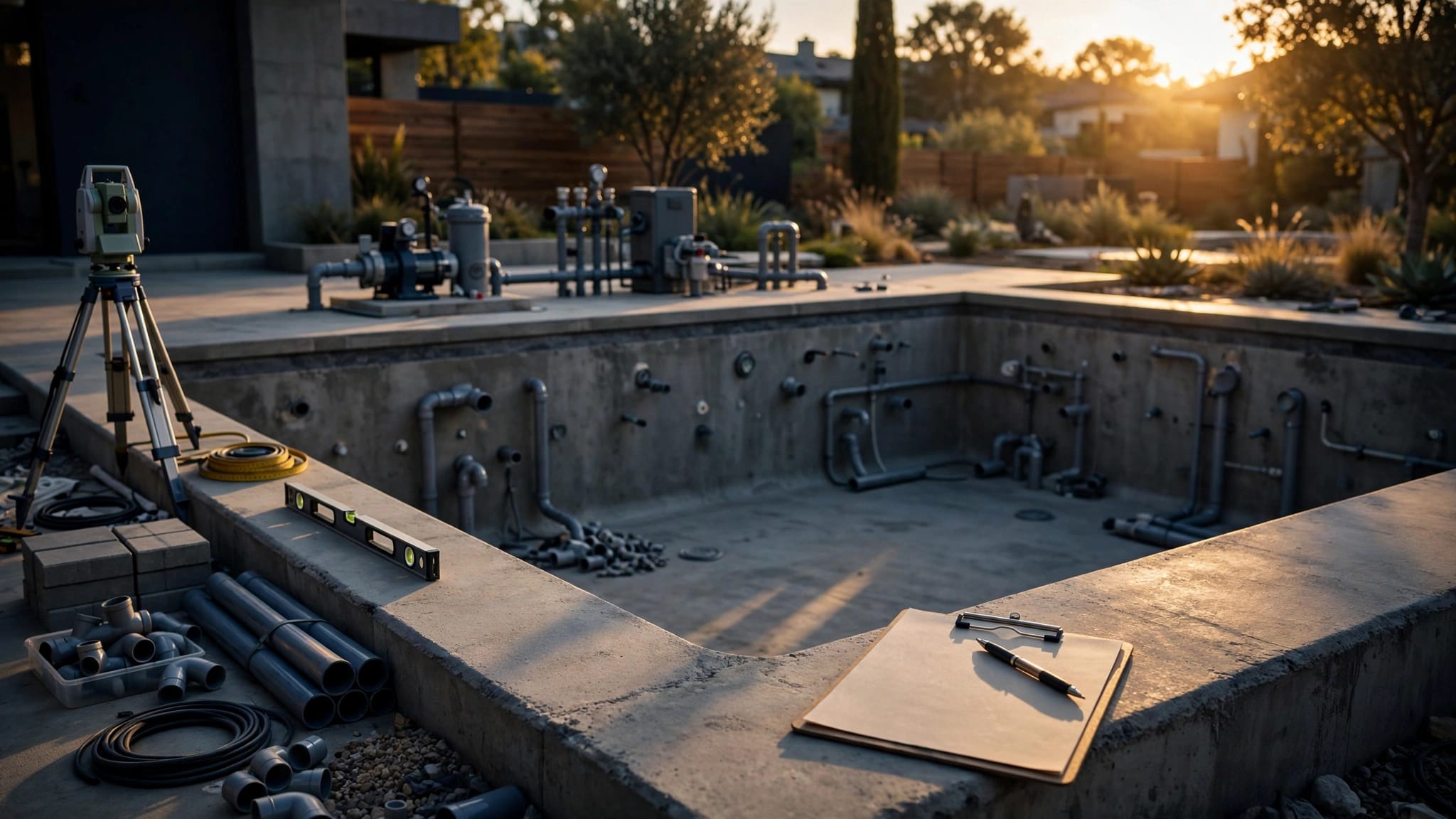
Next comes the structural work. Crews install steel, plumbing, and electrical lines, then inspect those systems before the shell is shot. In a gunite pool build, that shell is a major step. It creates the shape of the pool and sets the stage for everything that follows.
Cape Coral weather can affect this part more than people expect. Heavy rain, soft ground, or saturated soil can slow excavation and hauling. Afternoon storms can also push back work hours. The same is true for utility conflicts or surprises underground. Old irrigation lines, roots, or unknown obstacles can force a change in the plan.
Homeowners can make this phase easier by keeping gates open when asked, moving cars away from work areas, and keeping pets inside. It also helps to know that loud equipment, dust, and temporary mess are part of the process. The project moves faster when crews can work without constant obstacles.
Tile, decking, and the final details
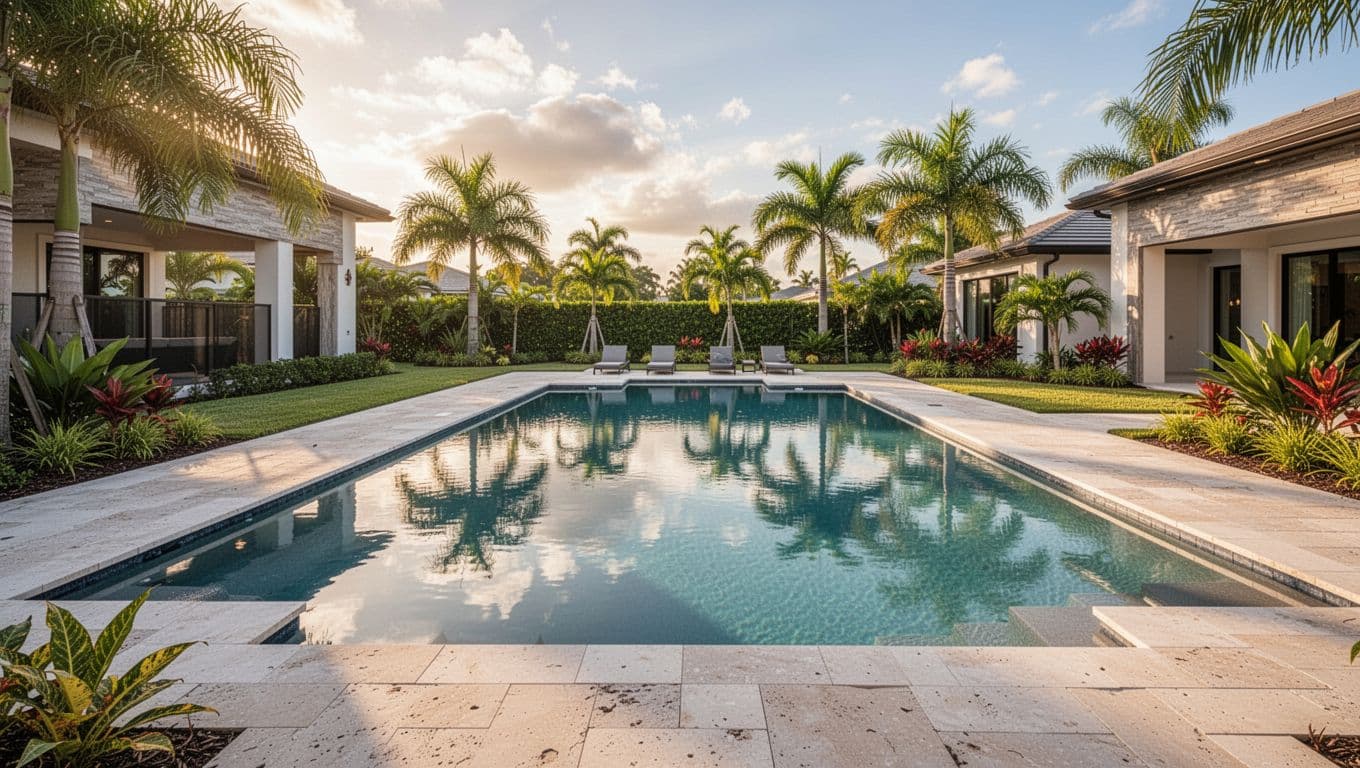
After the shell cures, the project starts to look finished. Tile, coping, decking, and interior surface work come next. These details change the whole feel of the space, because they are what you see and touch every day. The pool may be structurally complete long before it feels ready for a swim.
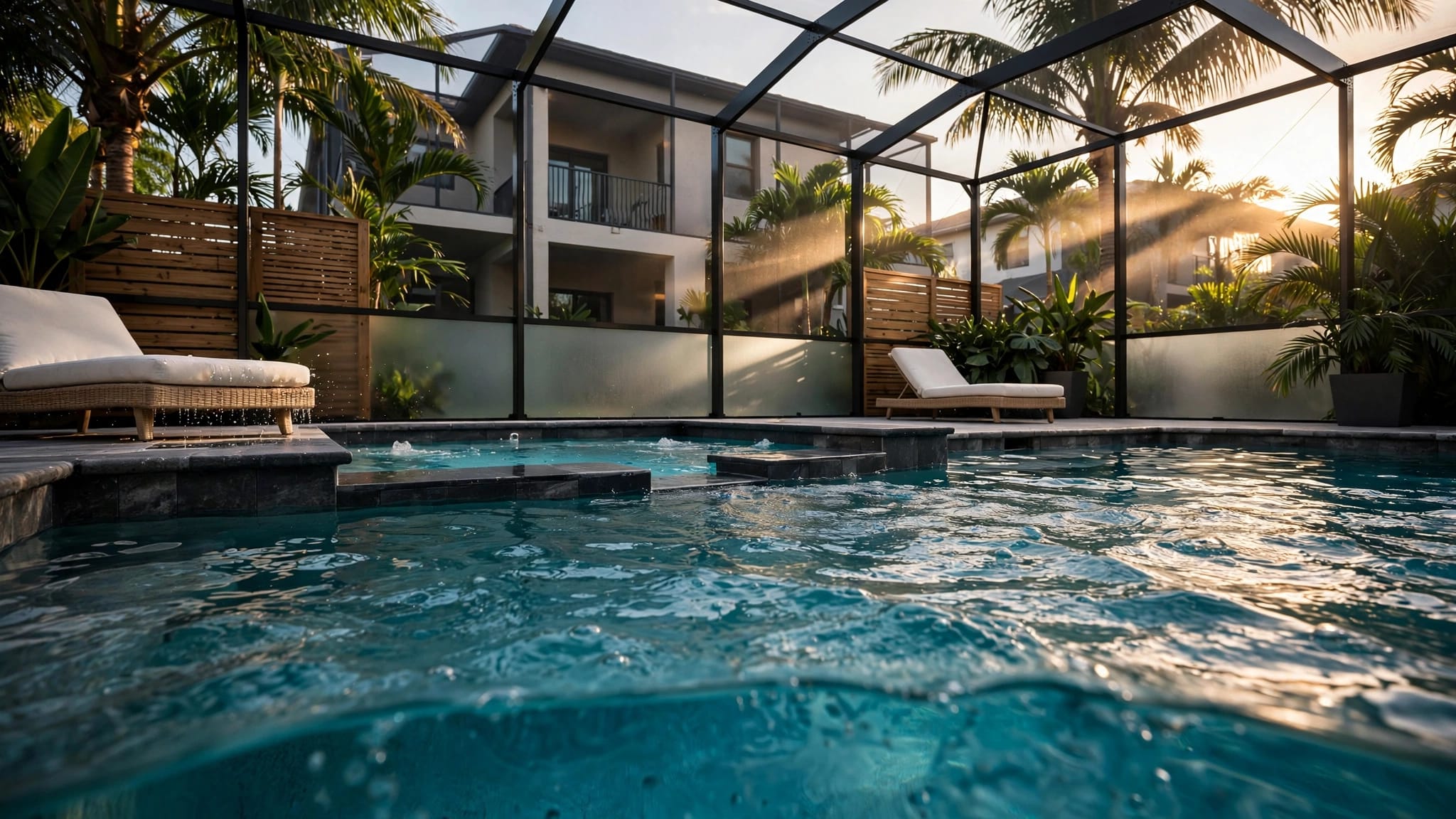
If your contract includes a screen enclosure or rescreening, that work usually follows the main pool layout and deck plan so measurements are accurate. It may also be coordinated around other trades to avoid damage or rework. When the enclosure is part of the project, the timing has to fit the larger build, not run ahead of it.
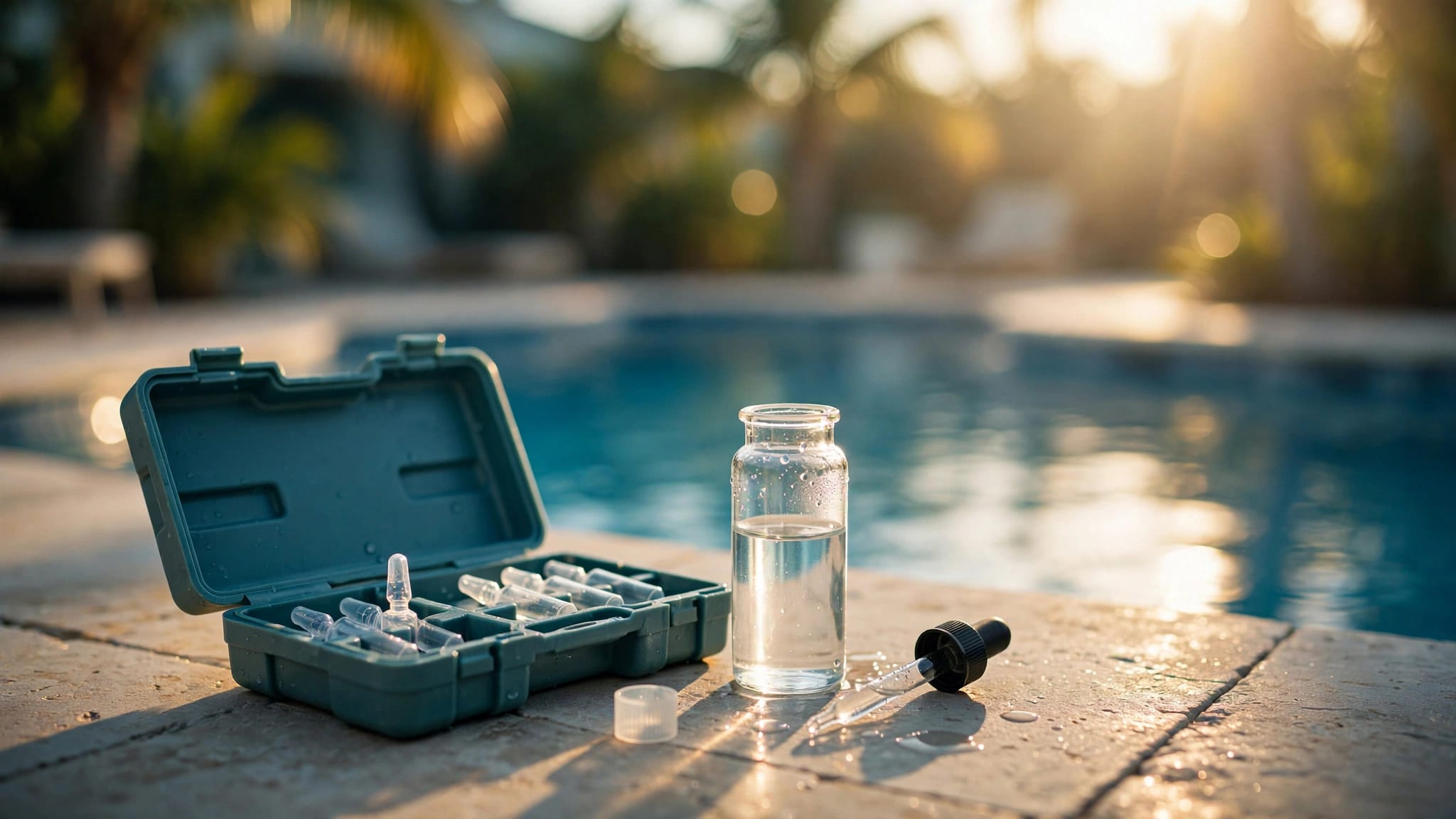
Startup is another key step. The builder or a technician will explain how to fill the pool, balance the water, and run the equipment. That first week matters because the finish needs the right care. A new surface, fresh tile, and plumbing all need a careful start.
This is also when the punch list shows up. Small items get checked, fixed, and signed off. A light adjustment here or a loose fitting there is normal. The final walkthrough is where the builder and homeowner make sure the job matches the contract.
Delays that can slow a pool project
A pool project rarely moves in one straight line. Several things can slow it down, and most of them are part of normal construction work.
- Permit questions or revisions can pause the job until the plans are updated.
- Weather can delay excavation, shell work, and concrete-related steps.
- Material delays may affect tile, equipment, or finish dates.
- Change orders can push back the next phase if they happen late.
- Inspection scheduling can add time when review slots are full.
A pool schedule is a plan, not a promise. Good communication matters because small decisions can keep the job on track.
The homeowner's best move is to answer questions fast and make selections early. The builder's job is to keep the work sequenced, line up inspections, and flag problems before they snowball. That back-and-forth is normal, and it works best when both sides stay organized.
A good contractor also gives realistic updates. If rain, a supply issue, or an approval delay changes the date, you should hear about it early. Silence creates more stress than a short delay ever will.
Conclusion
After you sign the contract, the pool project starts moving through a clear chain of steps. The design gets locked in, permits move through review, and construction begins once the paperwork clears. Each stage depends on the one before it, which is why quick decisions and steady communication matter so much.
In Cape Coral, weather, inspections, and local review times can all shape the schedule. That's normal. The homeowners who handle the process best are the ones who stay informed, respond fast, and treat the contract like a working roadmap.
If you're still at the planning stage, Get a Free Estimate and compare your yard, goals, and timeline before work begins.