A Florida pool rarely gets a season off. If you own one in Cape Coral, your routine has to respond to the weather , even when the water looks clear. Florida pool maintenance starts with regular testing, cleaning, and equipment checks, then adjusts for rain, heat, storms, and changes in use.
This calendar gives each month a useful focus without treating the date as a substitute for a water test. Start with the habits that matter all year.
What Florida pool maintenance requires year-round
Monthly cleaning and seasonal checks provide a useful baseline for Cape Coral pools. Still, rain, heavy swimming, or an equipment problem may call for attention sooner. Conditions also vary by location, pool design, and equipment, so use your test results and manufacturer instructions to guide adjustments.
Test the water, even when it looks clear
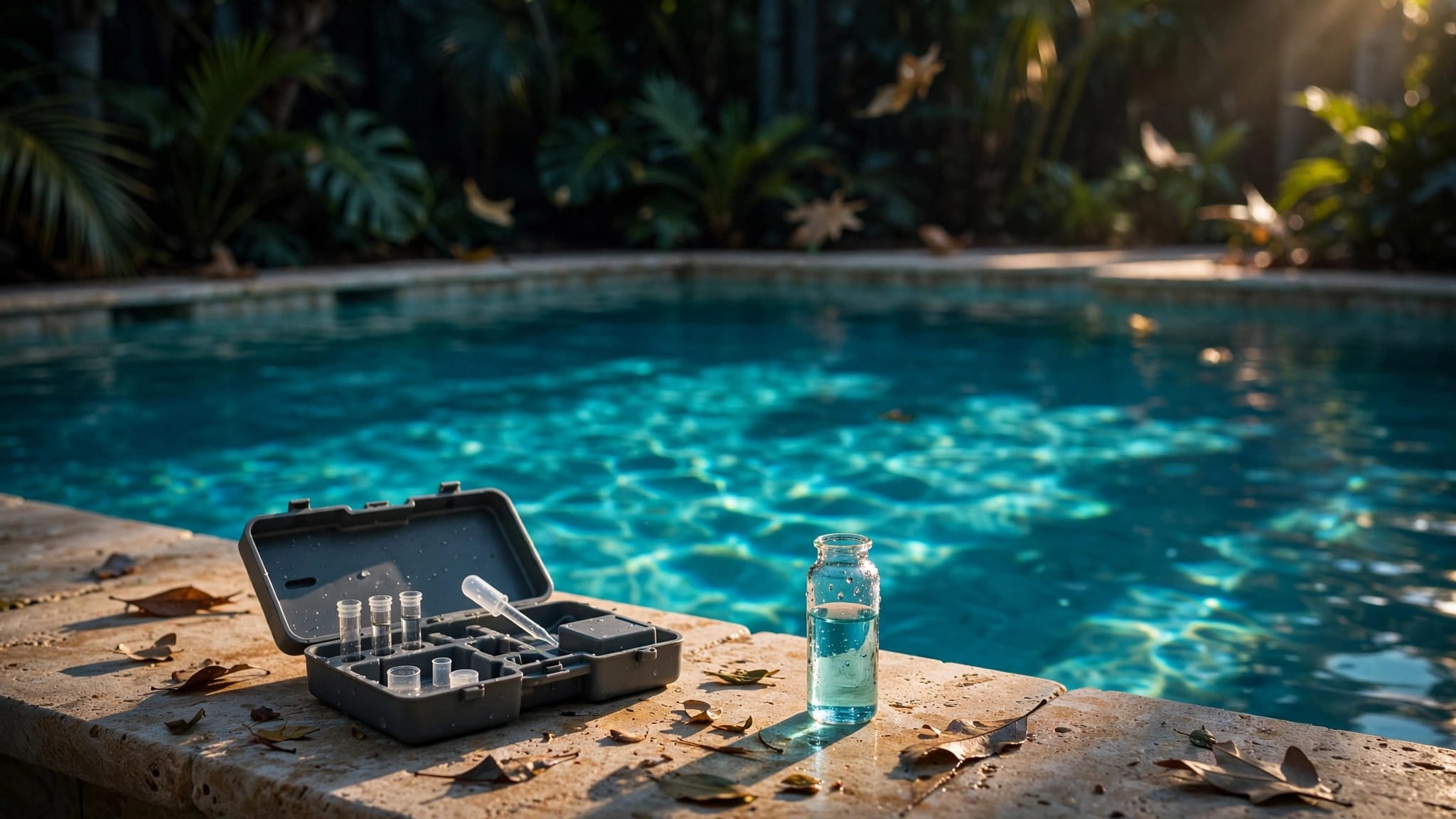
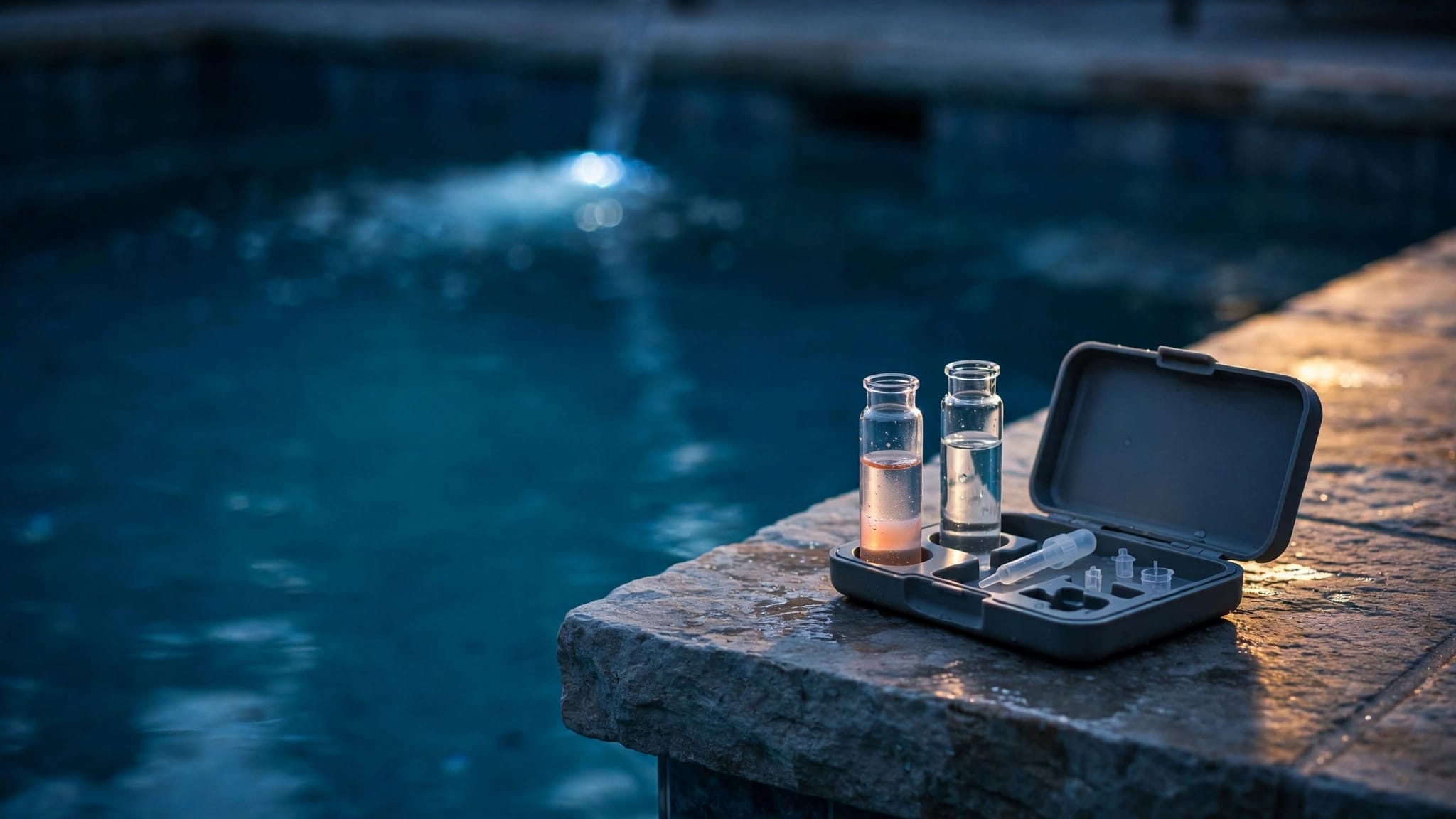
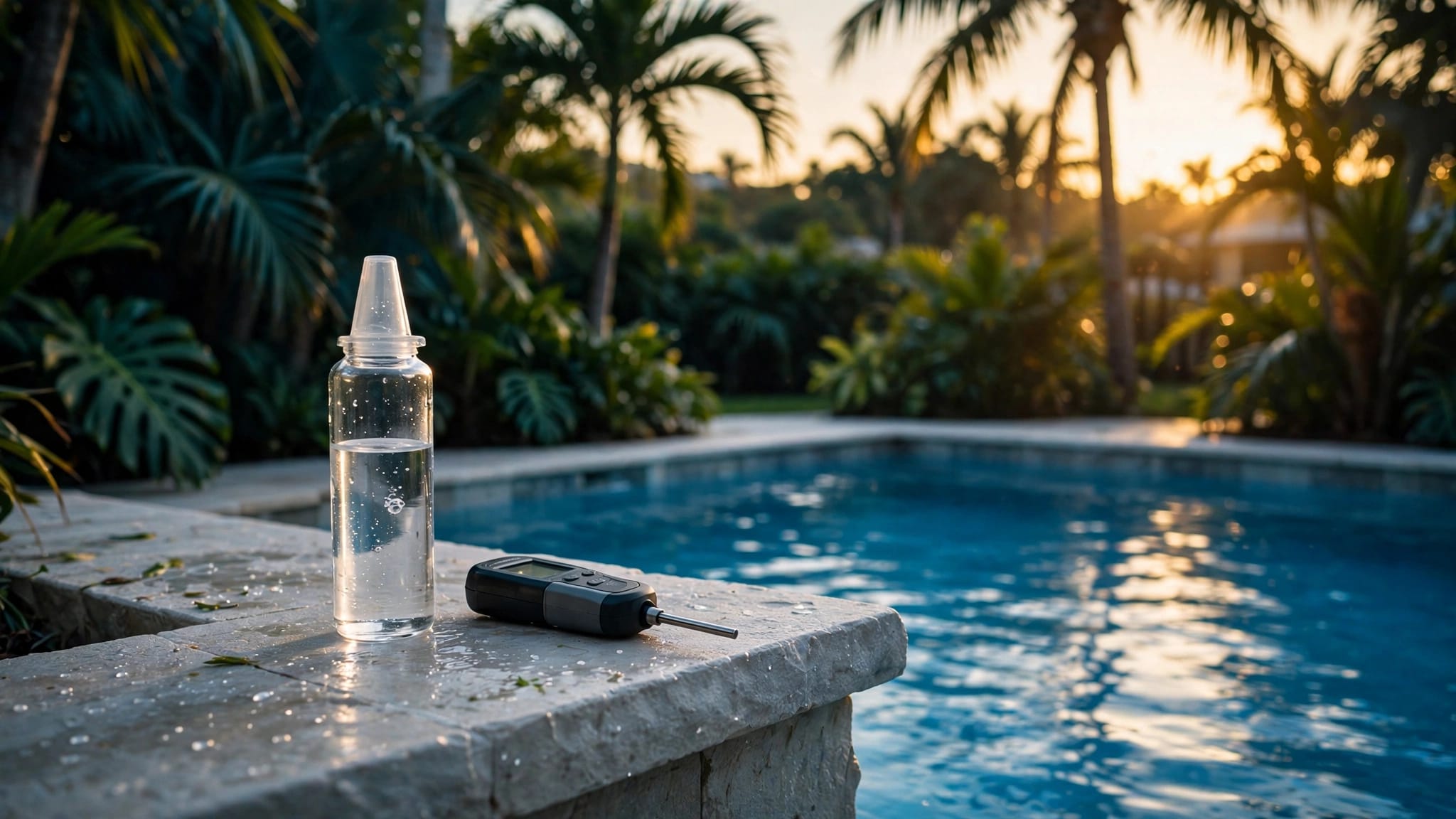
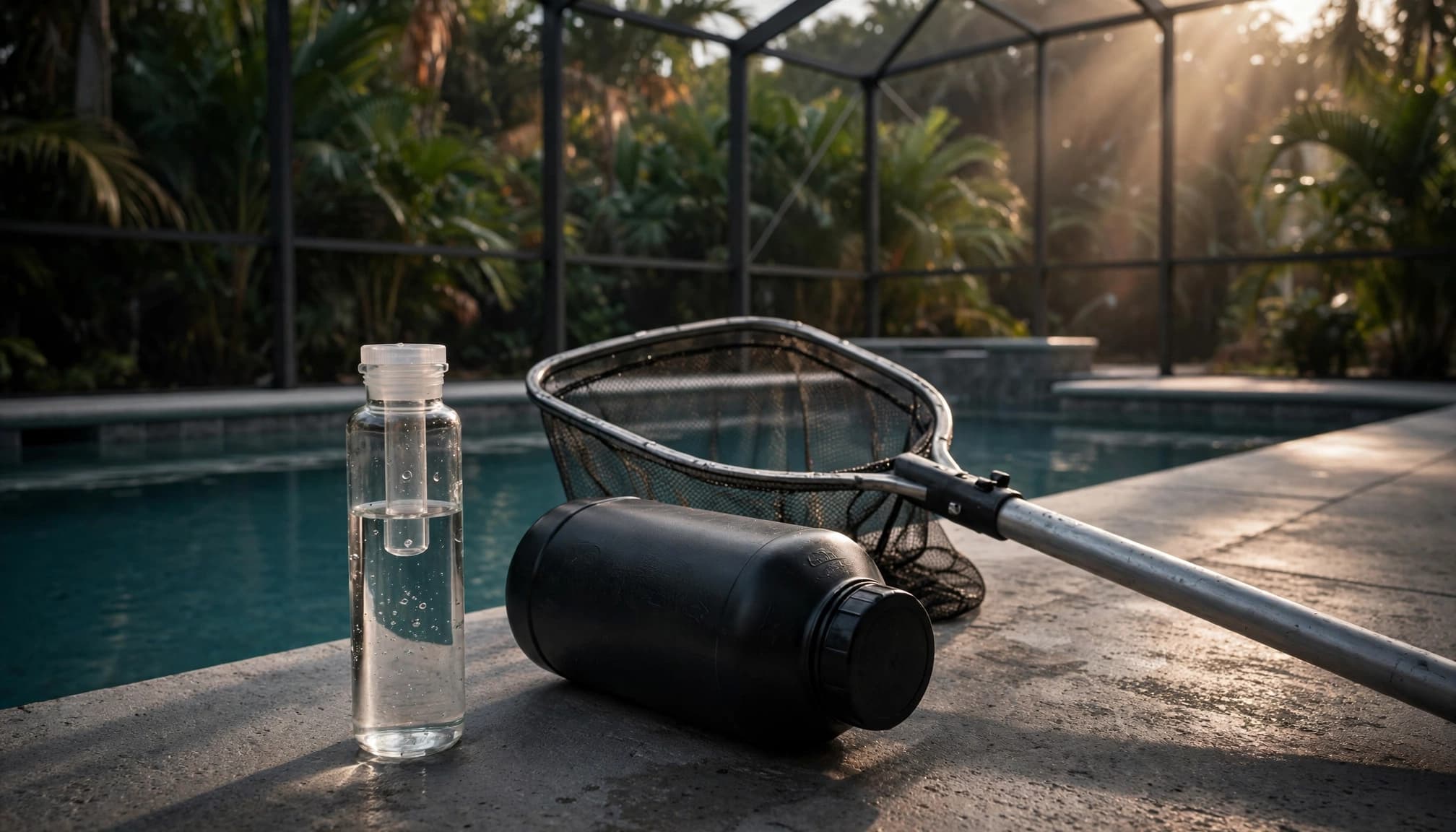
Check sanitizer and pH regularly with a reliable strip or liquid test kit. Clear water alone can't tell you whether sanitizer is adequate. Rain can dilute chemicals, while sun and swimming can change what the water needs.
Keep a record of results and any adjustments. That makes a sudden change easier to spot and gives a pool professional useful information if the water turns cloudy. Follow your test kit and chemical product directions rather than guessing at a dose.
Keep water moving and debris out
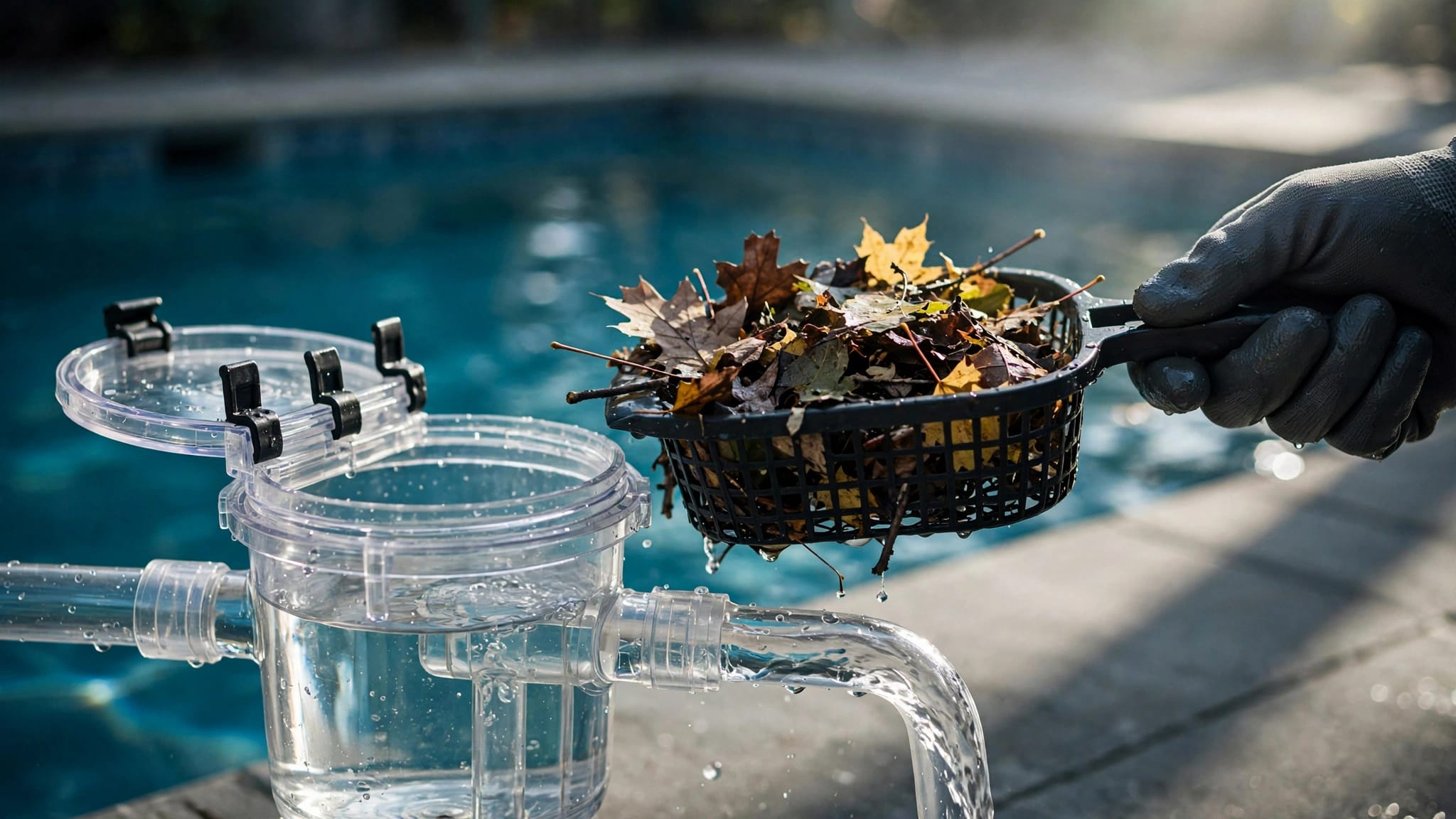
Skim leaves, brush surfaces, and clear accessible baskets as needed. Watch the usual water level and return flow. A pump that loses prime, a leaking fitting, or a filter reading outside its normal range needs attention before circulation falls behind.
Turn off the pump before opening an accessible basket, and follow equipment instructions for filter care. Leave wiring, damaged cords, and unfamiliar equipment repairs to qualified professionals.
January through March: Watch winter conditions change
Florida pools still need care in winter. A cool week may reduce swimming, but a warm stretch can change use quickly. Treat these months as a chance to compare the pool's actual condition with its normal pattern.
January and February: Stay alert during cooler weeks
January is a good time to look back at recent test results. If readings or water clarity keep changing, investigate the cause instead of assuming winter weather will solve it. Note any persistent leak, unusual equipment noise, or surface stain that needs a professional opinion.
In February , keep watching how the pool responds to changing use and temperature. Cold snaps can affect exposed equipment, even where freezes are uncommon. Follow the equipment manufacturer's cold-weather guidance, and don't handle a suspected electrical fault yourself.
March: Look ahead to greater use
By March , many households are thinking about more time outdoors. Check whether the pool area is ready for the use you expect, including clear circulation and a working gate. A screen door that won't close properly deserves attention regardless of how clean the water looks.
If you inherited an older pool with a home, don't assume its appearance tells the full story. Equipment, plumbing, the deck, and the enclosure may need a closer inspection before a busy swimming season.
April through June: Respond to heat and early rain
As temperatures rise, a pool may need closer attention than it did during a quiet winter week. Rainfall patterns differ across Florida, so let local conditions set the pace rather than waiting for a date on the calendar.
April and May: Compare readings with pool use
In April , notice whether increased swimming changes your test results or leaves more debris in the baskets. Check the water after a heavily used weekend, especially if it no longer looks or smells normal.
May can bring a shift toward wetter weather in Southwest Florida. When rain arrives, compare the water level with its normal operating range and test before changing chemicals. Don't add a product based only on the amount of rain you saw.
June: Check your storm-season readiness
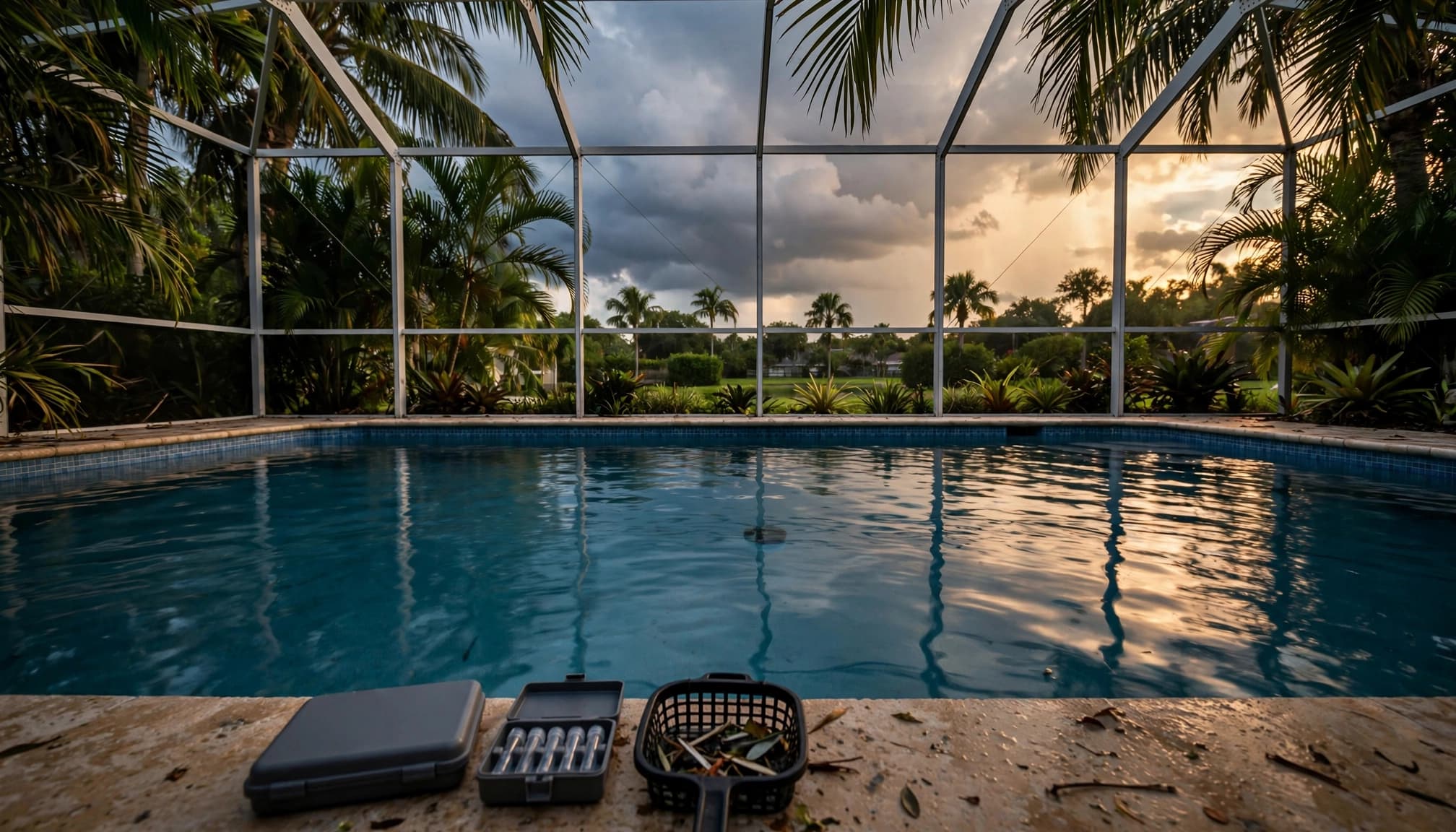
The Atlantic hurricane season begins June 1. For June , make sure you know where the equipment instructions and emergency contacts are, and pay attention to the condition of the screen enclosure. A loose panel or damaged frame needs an assessment, not an improvised repair at height.
A screened pool can still collect insects, pollen, and windblown debris. Keep up the same cleaning and testing routine you would use without an enclosure, adjusting it to what you find.
July through September: Let rain and use guide the work
Hot weather and frequent storms can change pool water quickly. This is when a standing appointment for routine care is helpful, but it shouldn't replace a look at the pool after unusual weather.
July and August: Watch for changes between cleanings
In July , compare sanitizer readings, clarity, and circulation after periods of intense sun or heavy swimming. If water repeatedly turns cloudy, consider whether the filter, flow, or water balance needs professional attention. More chemicals won't repair a circulation fault.
For August , travel plans can make an ordinary maintenance gap longer. Before leaving, confirm the pool is clean, tested, and circulating normally. If you'll be away for several days, arrange a competent person to check for visible problems. Leave chemical adjustments to someone trained to make them.
September: Recheck after severe weather
September remains within hurricane season. After a storm has passed and the area is safe, look for enclosure damage, debris, unusual water levels, and equipment that isn't operating normally. Test the water before anyone swims.
Stay away from flooded equipment, exposed wiring, and damaged electrical components. If the water is green or cloudy, keep swimmers out until water quality and circulation are corrected. Professional help is safer than repeatedly resetting a tripped breaker.
October through December: Review what the year revealed
Rain and pool use may ease at different times across the state. These months offer a useful chance to notice recurring problems, though testing and cleaning continue year-round.
October and November: Check for lasting wear
In October , look beyond a single clear-water reading. Has the pump needed frequent attention? Does the pool repeatedly collect debris in the same place? Patterns like these can point to circulation or site issues that deserve a closer look.
The Atlantic hurricane season runs through November 30. During November , inspect the enclosure for visible tears, loose mesh, or gate problems after windy weather. Keep clear of unstable framing and leave elevated repairs to professionals.
December: Plan around the pool you have
December is a practical time to review test records, equipment concerns, and visible surface wear. You may find that ordinary upkeep is working well. Or you may see the same stain, rough patch, or leak you noted earlier in the year.
Plan any larger work around the pool's condition and your household's schedule. The month itself doesn't determine whether a finish needs replacing or a pump needs repair.
How weather changes the routine between calendar checks
A month-by-month plan works only if you respond to events between scheduled visits. Heavy rain, a crowded swim day, and a power outage affect a pool differently, but each can warrant a fresh look at the water and equipment.
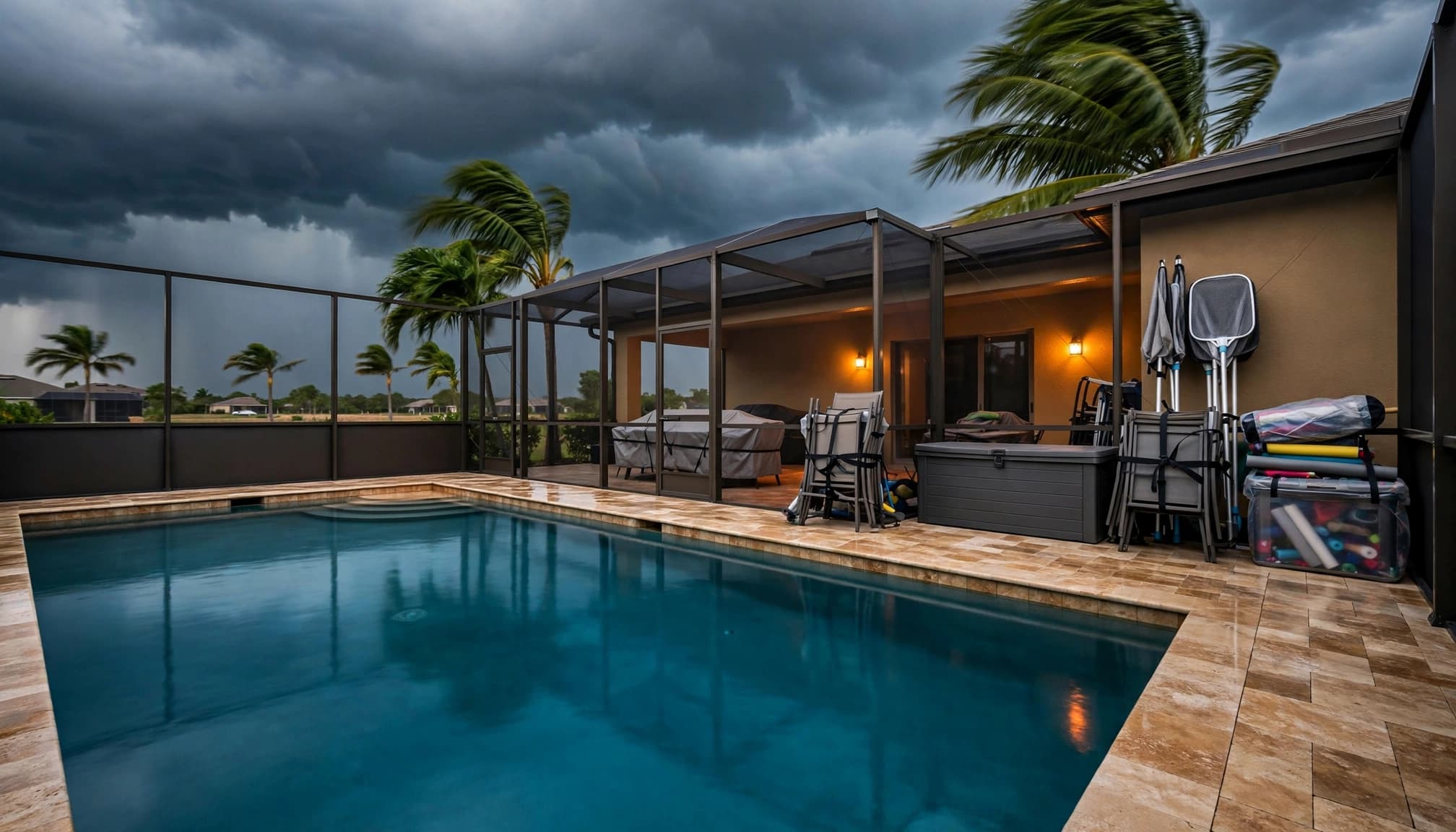
Rain calls for a water-level and chemistry check
After significant rain, look at the water level, remove accessible debris, and test the water. Rain can dilute pool chemicals and bring organic material into the water. However, the right response depends on the readings and whether the system is circulating normally.
A clear pool after a storm can still need testing; appearance doesn't show what happened to sanitizer or pH.
Equipment trouble calls for a different response
If a pump repeatedly loses prime, the returns seem weak, or a leak appears near the equipment pad, don't treat it as a chemistry problem alone. Follow the manufacturer's troubleshooting directions within your comfort level, and call a qualified professional for persistent faults.
Electrical damage needs particular caution. Keep people away from affected equipment and have a qualified electrician evaluate it before use.
When routine care points to a larger pool project
Maintenance can reveal a problem, but it can't always fix one. Repeated surface deterioration or recurring enclosure damage may call for a repair plan rather than another round of cleaning.
Worn finishes and outdated equipment
Stains alone don't prove a pool needs resurfacing. Rough spots, flaking material, or persistent surface concerns deserve an on-site assessment. Back Bay Pools offers pool renovations and resurfacing in Cape Coral, including equipment replacements and deck updates.
Describe what you've noticed and when it happens. That helps separate a finish issue from a water-balance or circulation problem before you commit to work.
Torn screens and enclosure concerns
An enclosure reduces larger debris and insects, but damaged mesh can make upkeep harder. If the frame appears sound and screens are worn, ask about pool screen enclosure rescreening in Cape Coral. Corroded framing or a door that won't work properly may need a broader evaluation.
If recurring pool or enclosure problems need an on-site look, Get a Free Estimate to discuss the condition and possible next steps.
Key Takeaways
- Keep testing, cleaning, and equipment checks in your routine throughout the year.
- Use each month's focus as a reminder, then respond to actual weather, water readings, and pool use.
- Check the pool after heavy rain or a storm once the area is safe.
- Follow product and equipment instructions, especially before changing chemicals or opening equipment.
- Get qualified help for electrical damage, persistent leaks, failing circulation, or deteriorating surfaces.
Frequently Asked Questions
Does a Florida pool need maintenance in winter?
Yes. Cooler weather may change how often you swim, but it doesn't remove the need to test the water and keep the system operating properly. Follow your equipment instructions during cold snaps, and base chemical adjustments on test results rather than the season.
Does a screen enclosure replace regular cleaning?
No. Screens help reduce larger debris and insects, but fine material can still enter the pool. Continue checking baskets, water clarity, and circulation. Inspect the enclosure as part of routine pool-area care, especially after windy weather.
Should I change my pump schedule every month?
A fixed monthly change isn't appropriate for every pool. Pool size, equipment, weather, and use all matter. Follow your pump manufacturer's guidance and ask a pool professional if circulation or water quality remains poor. Extra runtime won't correct a damaged filter or an unresolved water-balance problem.
Conclusion
Your pool doesn't know what month it is. Test results, water clarity, circulation, and local weather tell you when the routine needs attention.
Use this calendar to keep those checks from slipping by. Then adjust care to the pool you have, and bring in qualified help when a problem goes beyond normal upkeep.