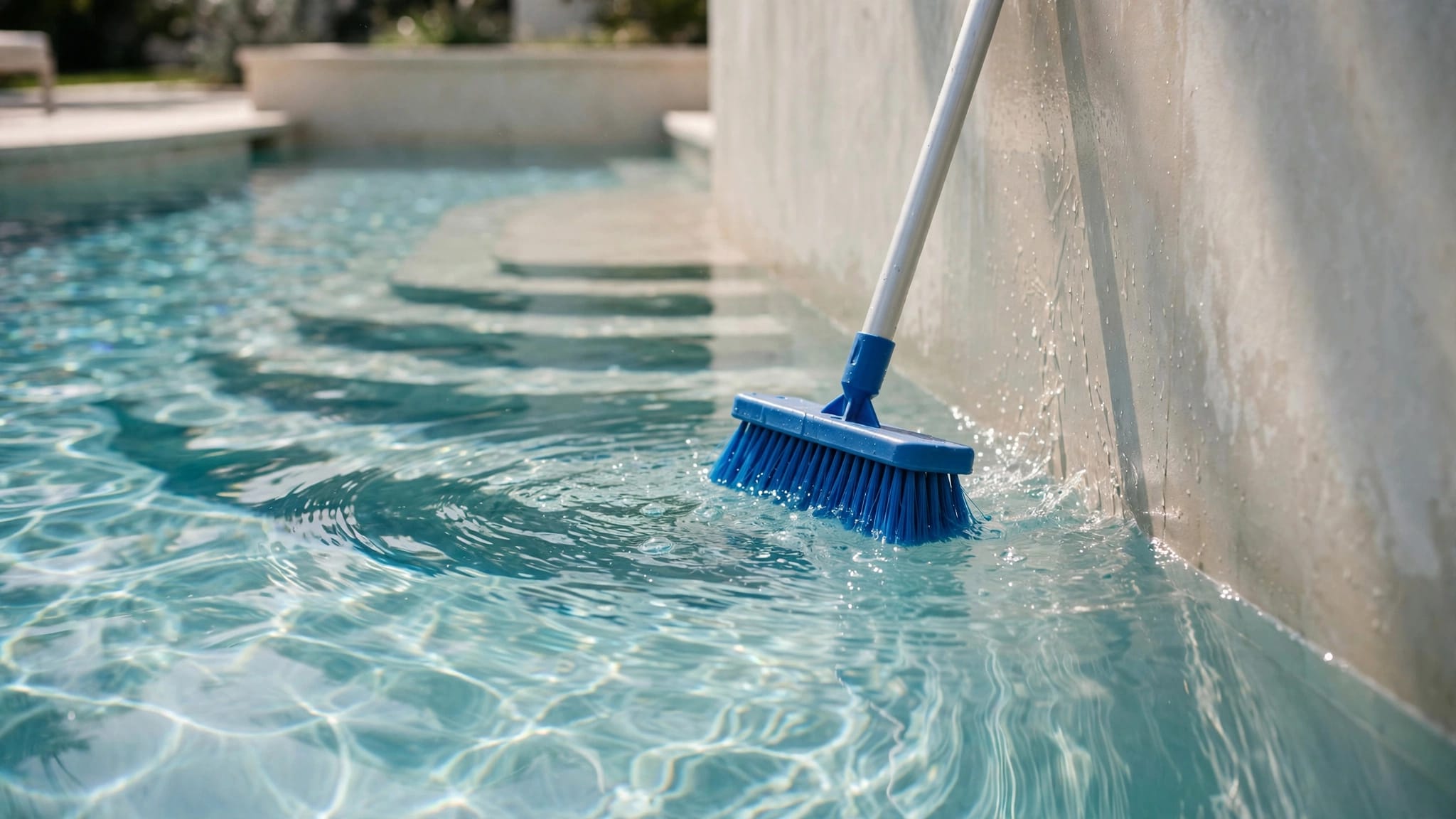
Your Cape Coral pool sees heavy use year-round. Sun, chemicals, and humidity wear it down fast. You notice cracks or rough spots, and suddenly, swimming feels less fun.
Pool resurfacing cost in Cape Coral runs from $6,000 to $15,000 for most homes. Prices depend on size, materials, and fixes needed. This guide breaks it down so you can plan your budget and next steps.
Let's start with how to spot if resurfacing makes sense for you.
Signs Your Pool Needs Resurfacing
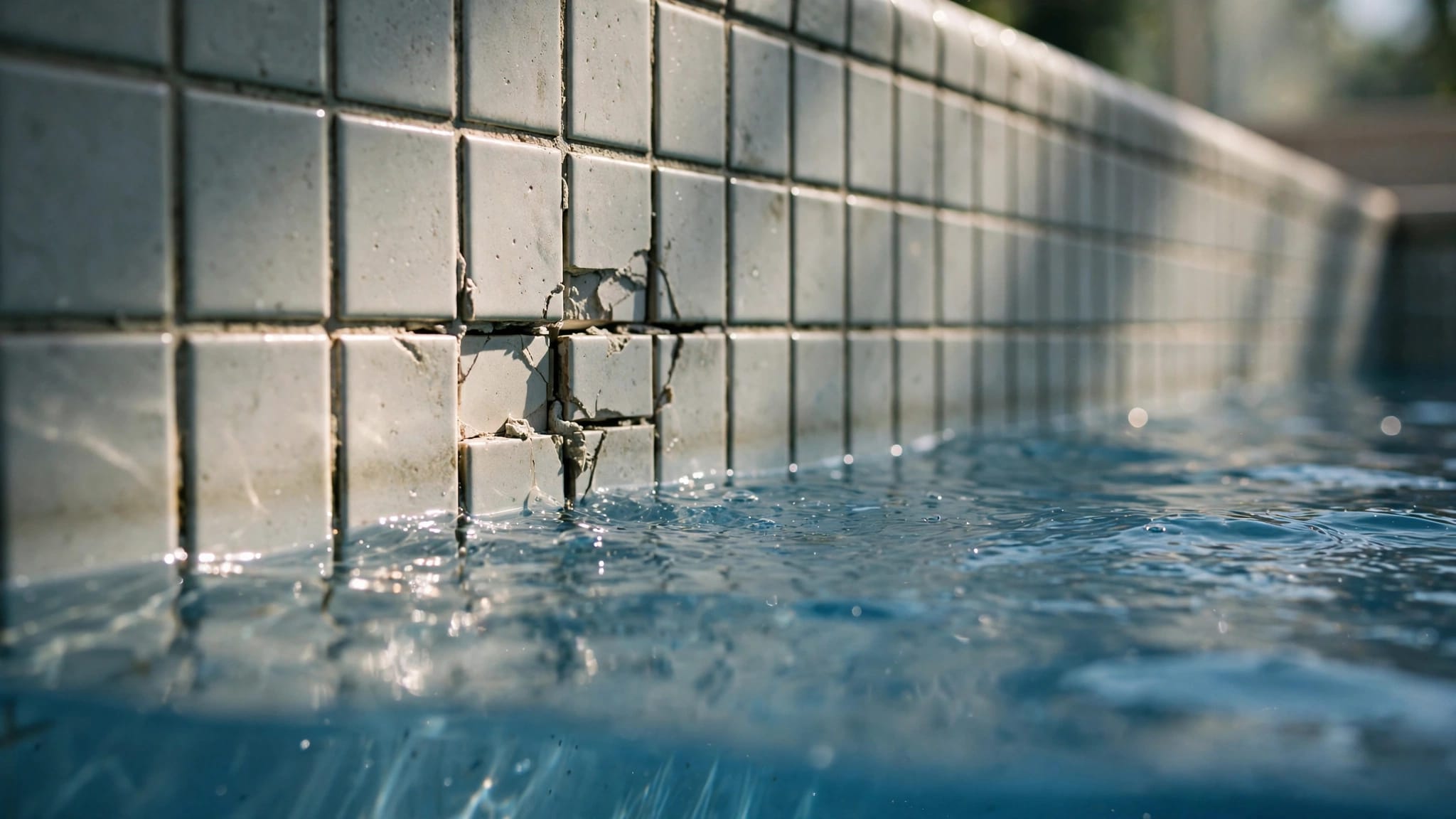
Pools in Cape Coral last 7 to 15 years before surfaces fade. Check for rough textures that snag swimsuits. Cracks let water escape, hiking your bills.
Stains that won't scrub off signal deeper wear. Frequent leaks mean the finish fails. If maintenance costs climb, it's time to act.
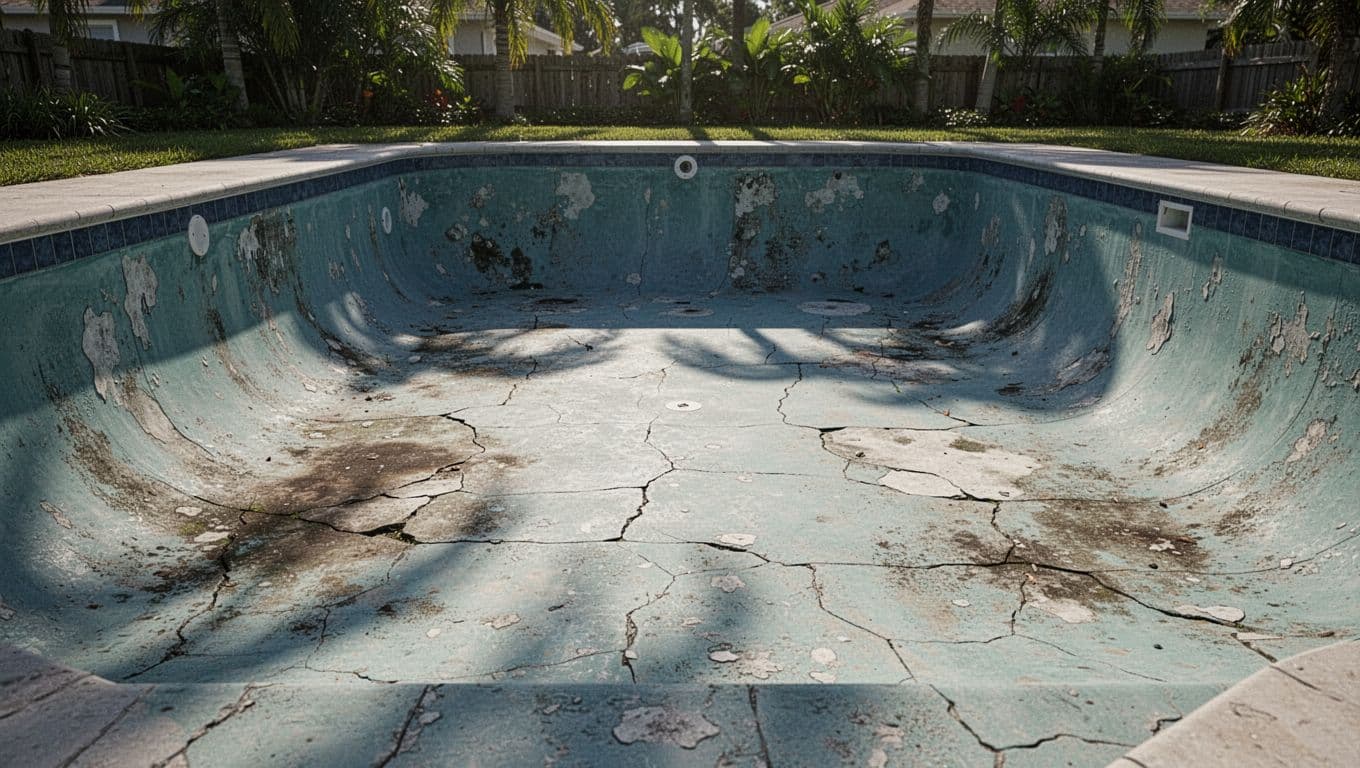
For more on signs it's time to resurface your Cape Coral pool, see our detailed post. Early fixes save money later. Neglect leads to bigger repairs.
Average Pool Resurfacing Cost Breakdown
Expect $6,000 to $15,000 total in April 2026. Smaller pools dip under $6,000. Larger ones hit $20,000 plus.
Costs tie to surface area. A 12x24 pool (288 sq ft) runs $4,200 to $8,000. Basic jobs start at $3 to $10 per sq ft.
Here's a quick look at sizes and ranges:
| Pool Size (feet) | Surface Area (sq ft) | Average Cost Range |
|---|---|---|
| 10x20 | 200 | $3,500 - $6,000 |
| 12x24 | 288 | $4,200 - $8,000 |
| 16x32 | ~500 | $6,000 - $12,000 |
| 18x36 | 648 | $6,500 - $15,000 |
These figures match local Florida trends. Labor adds $45 to $65 hourly.
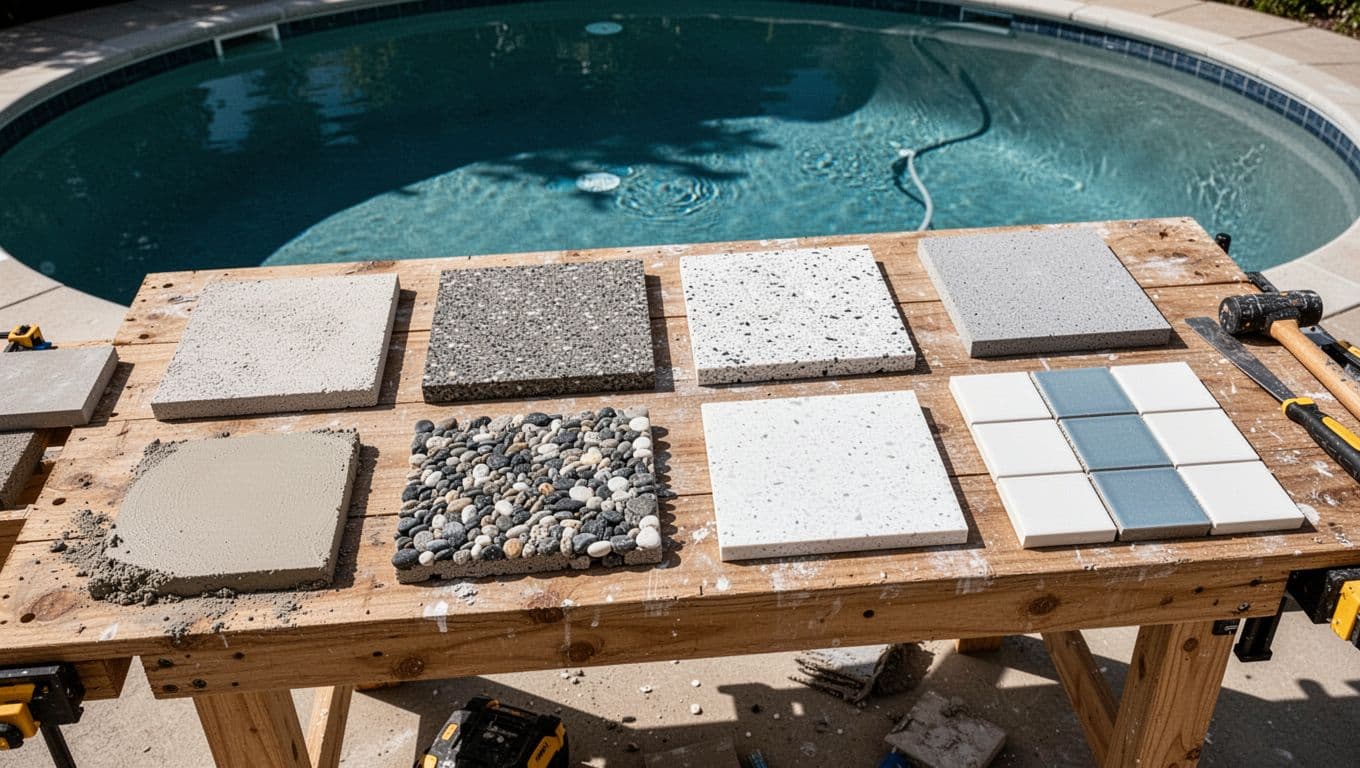
Material choice swings prices most. Plaster keeps it affordable. Premium picks last longer in our heat.
Factors That Affect Your Quote
Pool size sets the base. Bigger means higher costs. Shape matters too; freeforms need extra work.
Current condition plays a role. Heavy damage requires repairs first, adding $1,000 to $5,000. Good surfaces cut prep time.
Materials drive big changes. Basic plaster saves cash. Tile doubles the bill but endures 20 years.
Location in Cape Coral influences labor. Canal proximity means groundwater checks. April demand stays steady, so no huge spikes.
Upgrades like deck fixes or plumbing boost totals. Off-season bids might trim 10%. Ask about bundles to lower costs.
Popular Resurfacing Materials and Prices
Plaster offers a smooth finish at $3 to $10 per sq ft. It suits budgets but lasts 10 to 15 years. White or marble looks clean.
Quartz blends durability with sparkle, $7 to $12 per sq ft. It resists stains better in humid air.
Pebble aggregate gives texture and strength, $8 to $15 per sq ft. Popular here because it fights algae and UV damage.
Tile shines for luxury, $10 to $35 per sq ft. Glass mosaics dazzle but demand skilled installers.
Choose based on use. Families pick pebble for toughness. Low-maintenance folks go quartz.
See pool renovations and resurfacing services for local examples. Each option fits different needs and wallets.
Typical Timeline for Pool Resurfacing
Most jobs wrap in 5 to 7 days. Drain first, then acid wash and patch cracks. Apply finish next.
Curing takes 28 days before full swims. Keep water balanced during wait.
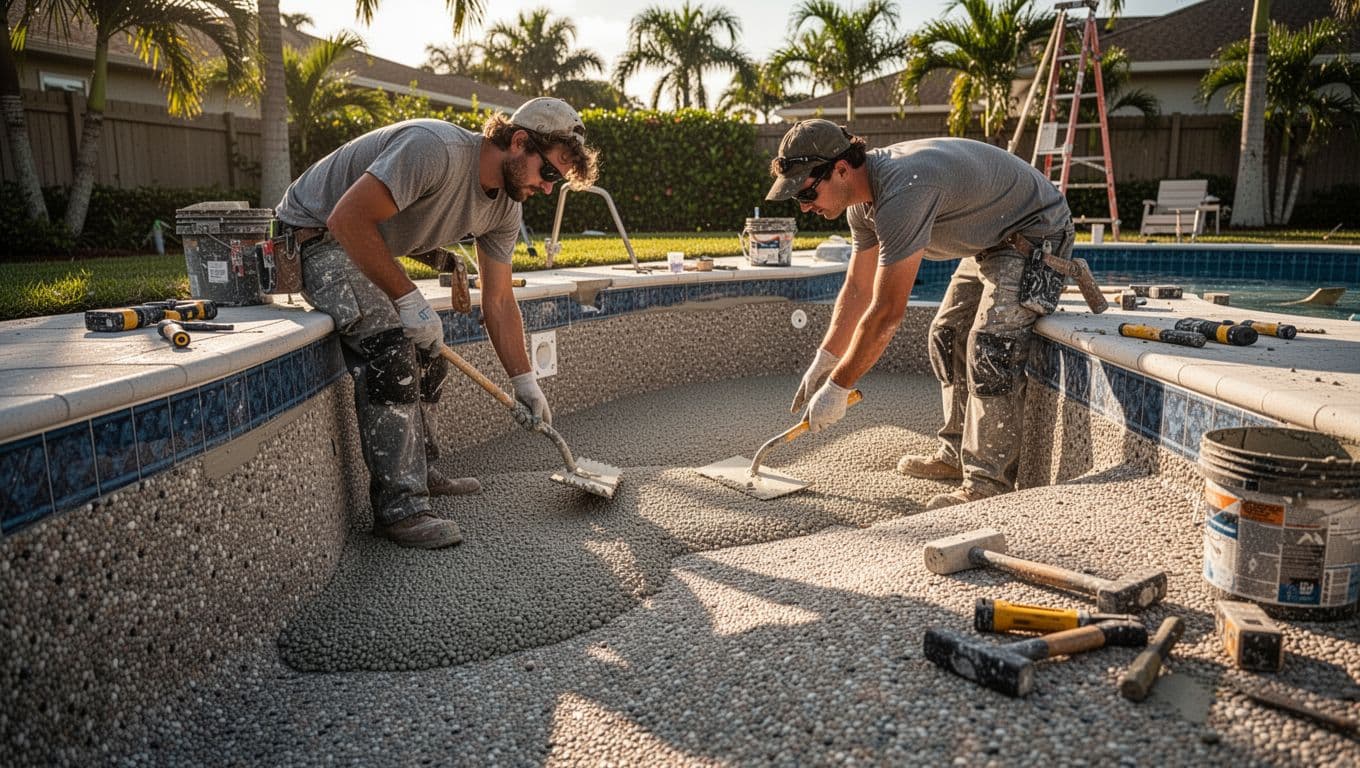
Complex tiles stretch to 10 days. Plan for downtime. Crews work fast in mild April weather.
Smart Questions for Contractors and Bid Tips
Ask: "What's included in prep?" Good ones detail acid washes and repairs.
Probe warranties. Top firms offer 3 to 5 years on materials.
Get: "How do you handle Cape Coral soil and water issues?" Local know-how prevents callbacks.
Compare three bids. Match apples to apples on materials. Lowest isn't best; check reviews.
Watch for hidden fees like disposal. Get a Free Estimate onsite to nail specifics.
Pool resurfacing revives your backyard escape. Costs average $6,000 to $15,000, but smart choices keep it in check. Materials and size lead the way.
Act on signs early. You'll swim smoother sooner. Ready for quotes? Contact pros now and refresh that pool. What's holding back your project?