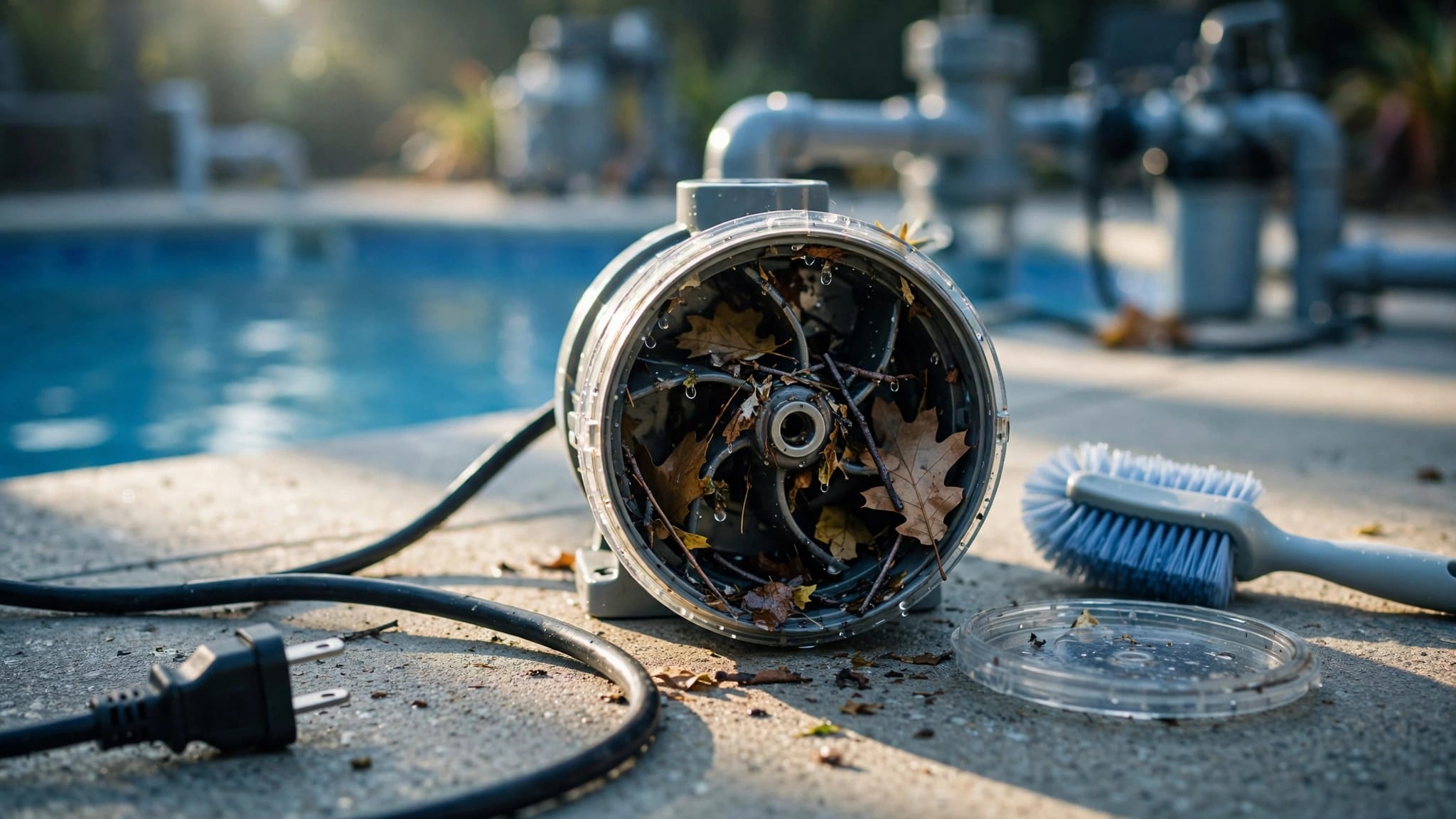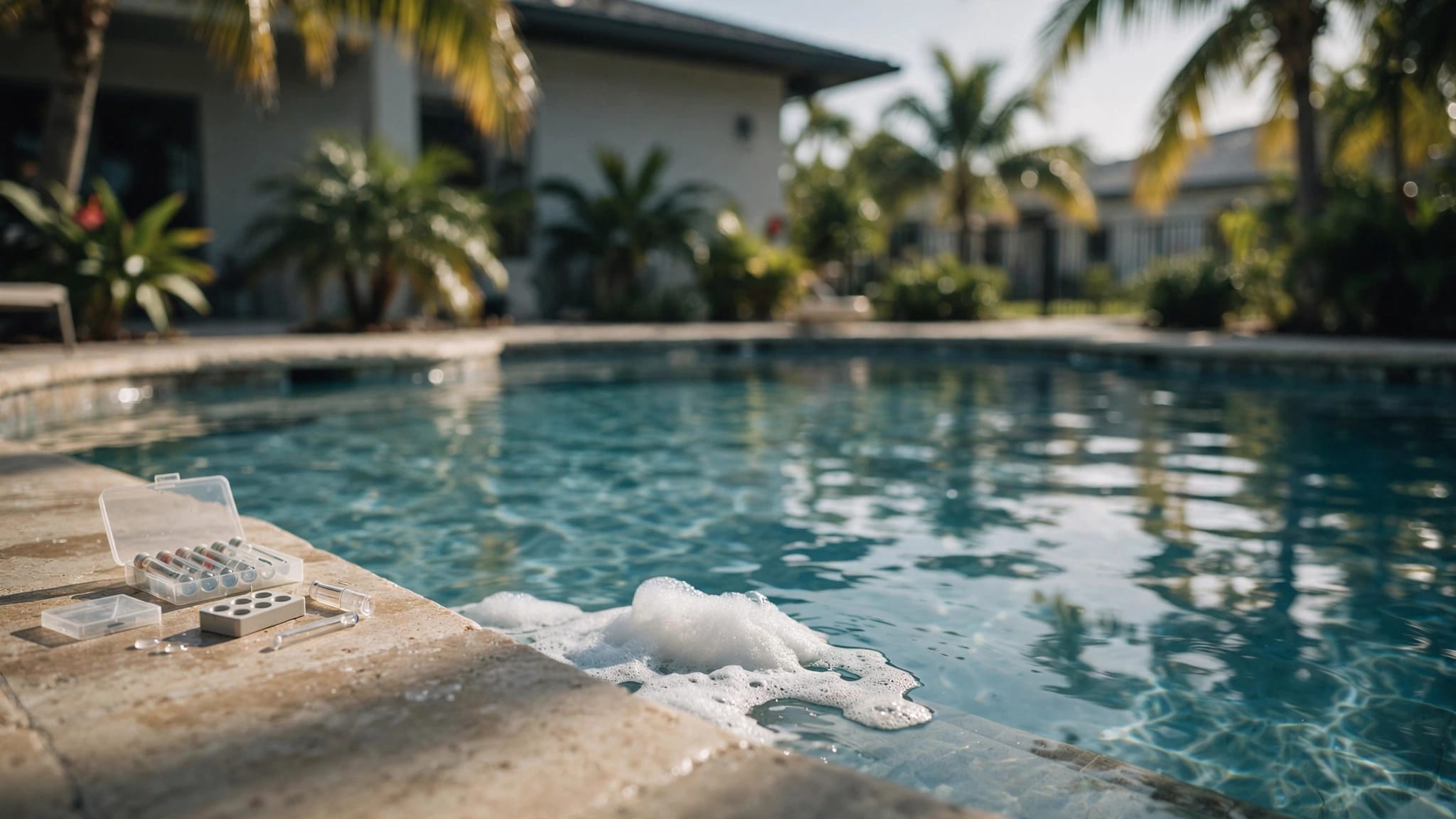
A pool can look perfectly clear while a small plumbing part causes frustrating equipment problems. A failing pool check valve may let water drain backward, introduce air into the lines, or leave the pool pump unable to maintain prime after every shutoff.
For Cape Coral homeowners, catching the issue early can prevent long run times and unnecessary strain on pool and spa equipment. Start with symptoms you can see and hear, then safely power down before inspecting or considering professional check valve replacement.
Key Takeaways
- A failing pool check valve can cause loss of pump prime, backward water flow, air bubbles, gurgling, or unusual pump behavior.
- Inspect visible symptoms only after shutting off the pump, turning off power at the breaker, and relieving any remaining pressure.
- Similar problems can come from suction leaks, worn pump lid O-rings, clogged filters, damaged filter parts, or plumbing leaks, so one symptom does not confirm valve failure.
- A valve replacement kit may be enough for worn internal parts, while a cracked valve body usually requires complete replacement.
- Match the replacement to the valve model, pipe size, connection type, material, and equipment layout, and call a licensed pool professional when the valve is difficult to access or the pump runs dry.
Pool Check Valve Symptoms You Can See and Hear
A pool check valve allows water to move in one direction while blocking reverse flow. When its flapper, spring, seal, or housing fails, water can move the wrong way once the pump stops.
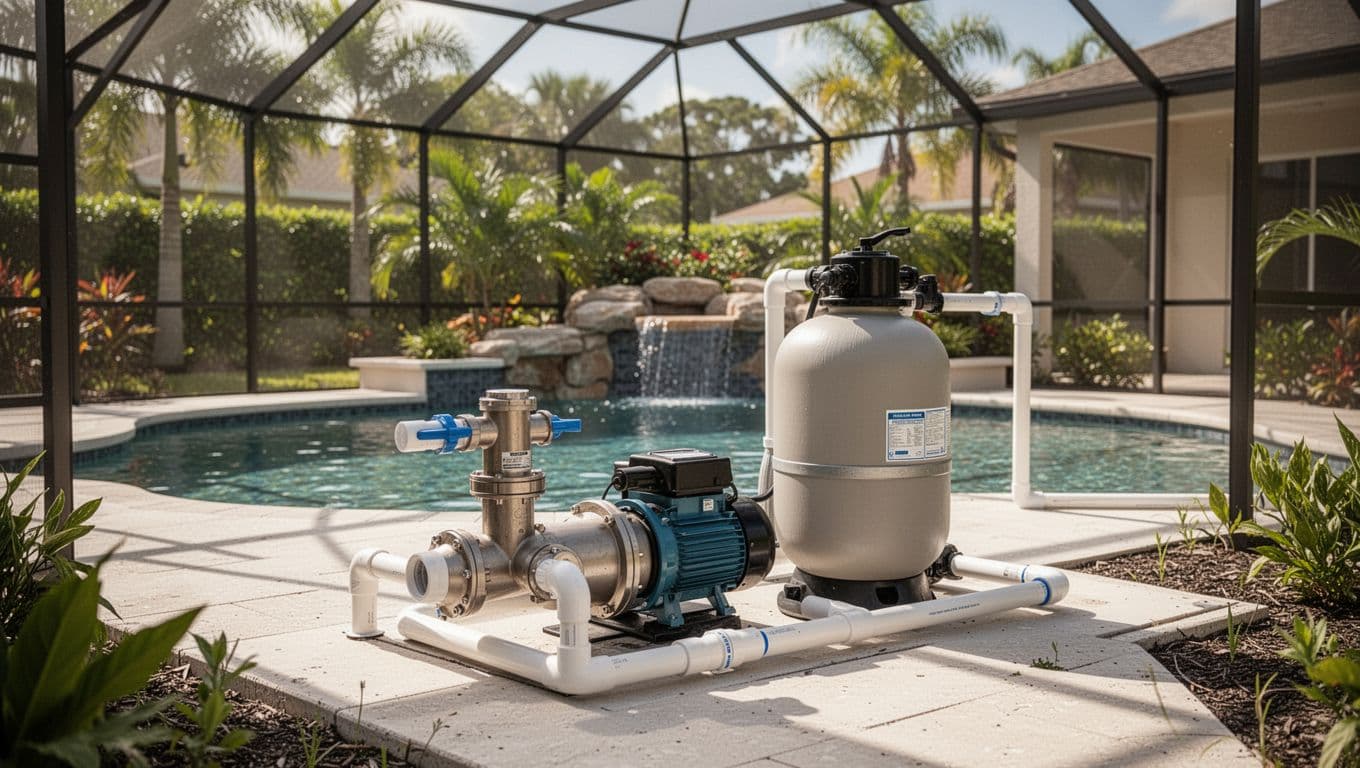
The pump loses prime after it shuts off
If the pump basket is full while running but drains down after the timer turns off, a failing pool check valve on the suction side may no longer hold water in place. This is more common when the equipment pad sits above the pool's water level.
When the pump starts again, you may hear it pull air or see it take longer than usual to move water. Persistent loss of prime can turn a normal daily schedule into constant restarts and may justify check valve replacement.
Water flows backward through the system
Watch raised spa spillways, fountains, or elevated water features after the pump stops. In a pool and spa layout, some drainage may be normal. If drainage suddenly changes, backflow pressure can move water toward the pool when backflow prevention fails.
Other warning signs include:
- Air bubbles returning through the pool jets after startup.
- A visible drop in water inside a clear valve body or pump basket.
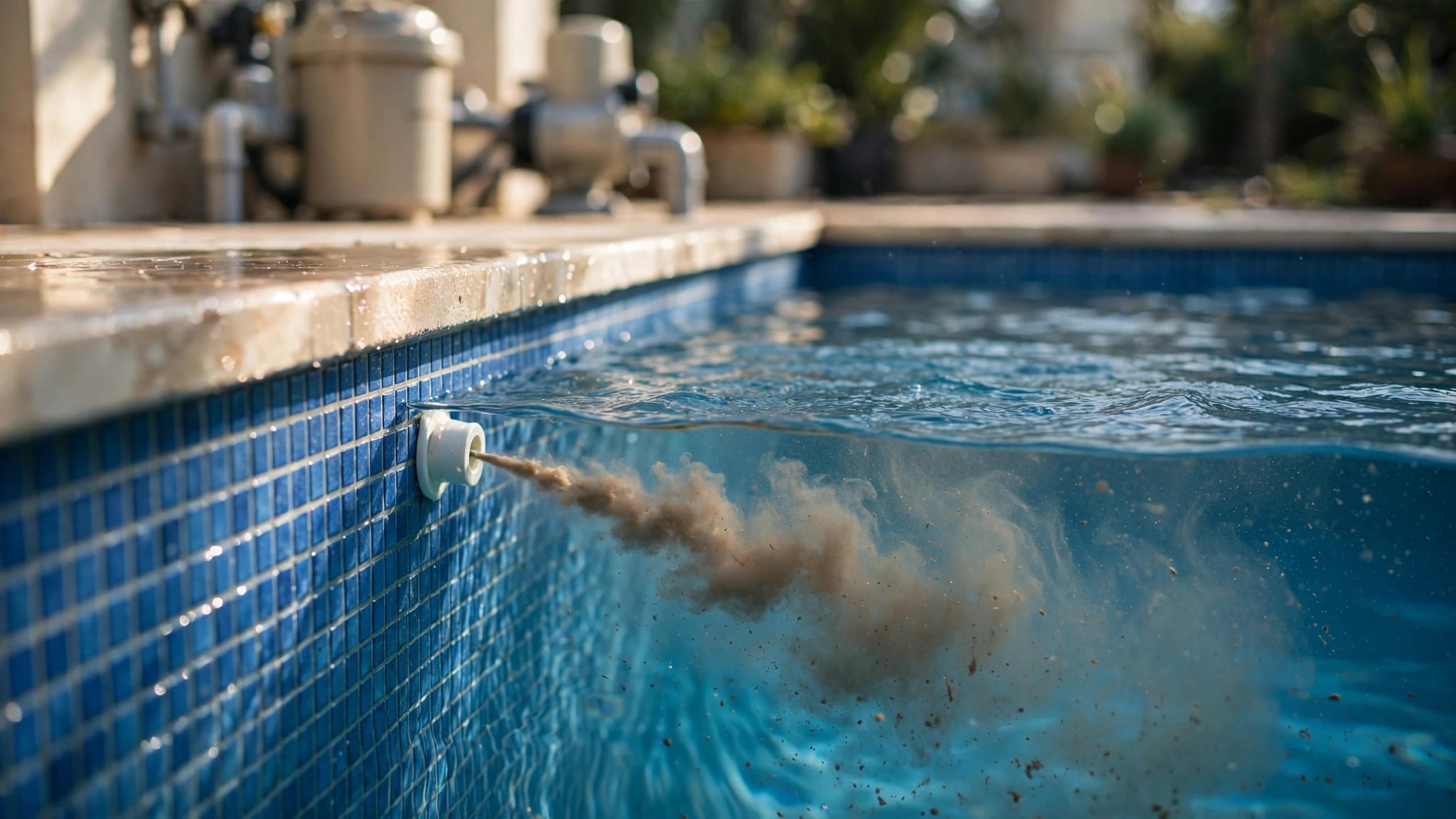
- DE powder returning to the pool after the equipment turns off.
- Gurgling, surging, or short periods of dry-running at the pump.
DE returning through the returns can also indicate a damaged filter grid, manifold, or multiport valve. A check valve is only one possible cause.
How a Pool Check Valve Works in Your Plumbing
The valve body has a directional arrow that must match the normal flow of water through the pool check valve. This one-way valve uses a flap or spring-loaded panel that opens when the pump pushes water forward and closes when flow stops.
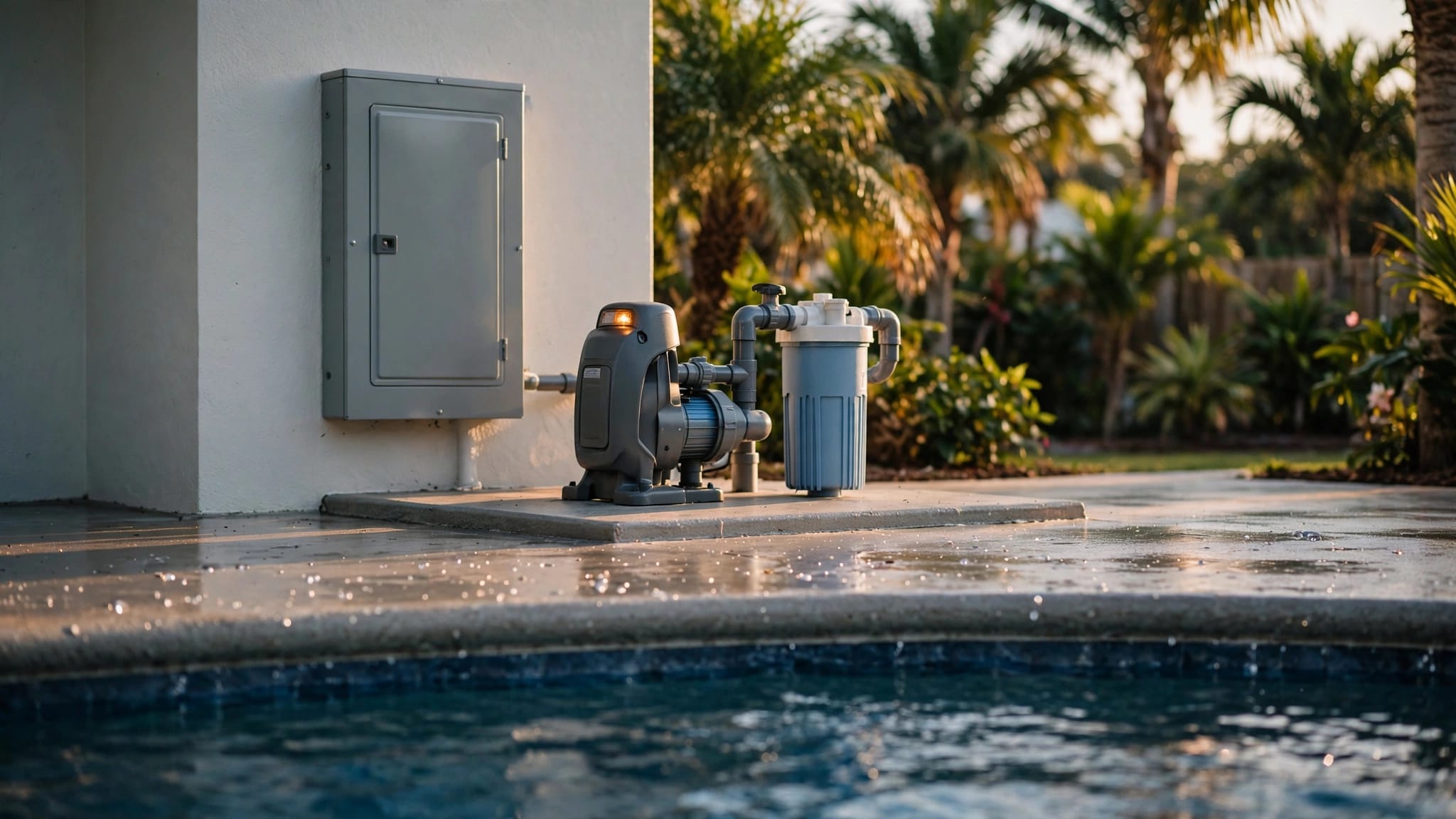
A valve near the pump can help with maintaining prime. On the return side of the pool plumbing, a properly placed valve can support backflow prevention by stopping treated water from moving back toward equipment that needs protection.
Spring check valve or spring flapper check valve?
A standard spring check valve uses an internal panel held closed by spring pressure. Many models are sealed, so check valve replacement usually means replacing the complete unit with a valve replacement kit when the internal parts wear out. A Jandy check valve may require model-specific parts, and material compatibility should be confirmed before ordering CPVC check valve parts.
A spring flapper check valve has a hinged flapper assembly, the internal component that opens and closes with water flow. Compared with a spring check valve, some models have a removable check valve cover held by screws or a twist-on, union-style lid. This access lets a technician inspect or replace the flapper, spring, or gasket with a check valve repair kit.
A clear check valve makes troubleshooting easier because you can often spot trapped debris, a flap stuck open, or an air pocket before considering check valve replacement.
A valve that looks clean from the outside can still leak internally. Its flapper seal may have warped, or the hinge may no longer close fully, requiring check valve replacement and possibly a valve replacement kit.
Placement matters around heaters and salt systems
A check valve may sit before the pump on a suction line, particularly where maintaining prime is a concern. On the return side, installers often place one after the pool heater and before a salt chlorine generator. This reduces the chance of highly chlorinated water flowing backward toward the heater.
Some pool and spa systems use a swing check valve, but every equipment layout is different. Follow the arrows on the valve and manufacturer instructions, since the actual equipment layout controls placement. Don't assume every pool uses the same valve location.
Safely Inspect a Pool Check Valve
Turn off the pump at its control and shut off power at the breaker before inspecting the equipment. Allow the system to cool if it has been running, especially near a heater.
Do not open a pressurized filter, loosen a valve cover, or install a valve replacement kit while the system is pressurized. Leave pool electrical wiring untouched. If you're unsure whether pressure remains, leave the equipment closed and call a pool professional.
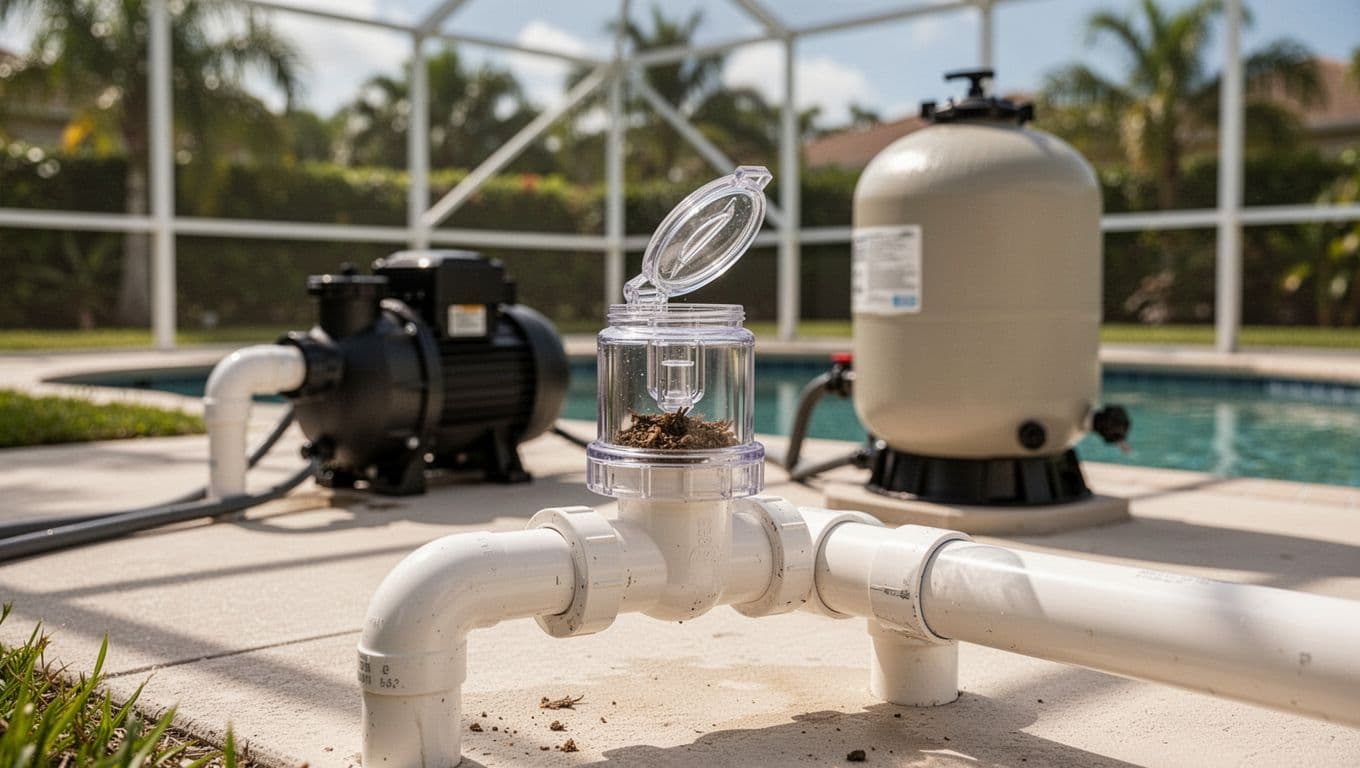
What to check with the equipment off
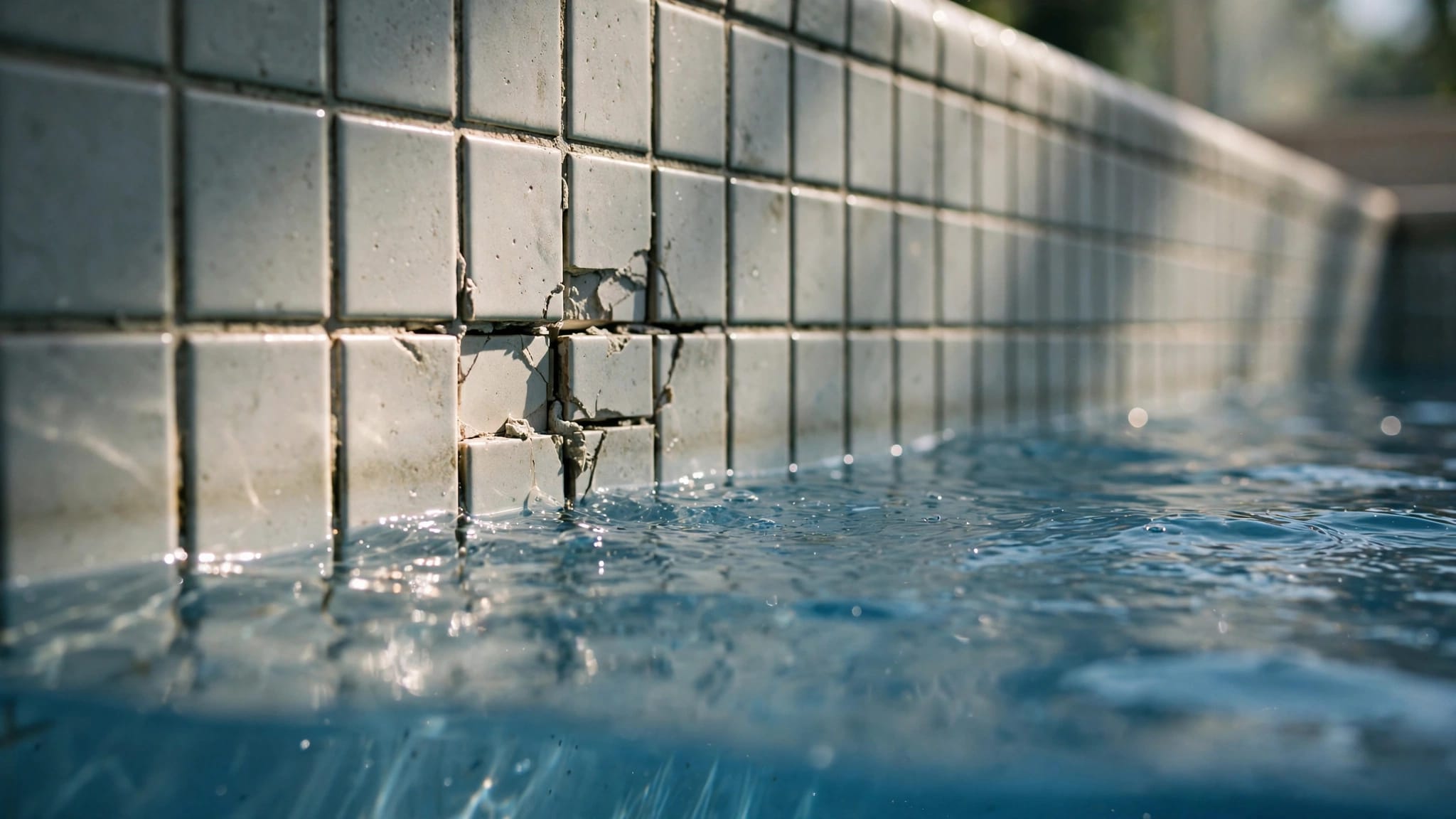
Look for cracks around the valve body, unions, and glued PVC joints in the pool plumbing. If the line includes a CPVC check valve, don't assume its components and PVC fittings are interchangeable. White crusting, damp soil, or a slow drip can point to a plumbing leak, while a confirmed internal failure may require check valve replacement.
If the body is clear, inspect for leaves, small stones, or broken tabs that can cause debris clogging. Check whether the flapper hangs partly open, and confirm that the flow arrow faces the right direction.
Cape Coral's heat, windblown debris, salty air near waterfront homes, and frequent equipment cycling can wear valve components over time. Sun exposure may also make plastic housings brittle.
Avoid forcing a stuck flapper with a screwdriver or prying at the cover. Damaging a gasket or housing can complicate check valve replacement and turn a simple repair into a plumbing job.
Rule Out Pump, Filter, and Plumbing Problems
A check valve can cause several symptoms that overlap with other equipment failures. A pattern that points to a pool check valve can support check valve replacement, but no single symptom proves the diagnosis.
| Symptom | Possible check valve clue | Other likely cause |
|---|---|---|
| Pump basket drains when off | Flapper may leak backward | Suction leak, loose pump lid, or pool pump problem |
| Air bubbles at returns | Valve may not hold prime | Low pool water or suction-side air leak |
| DE enters the pool | Return-side valve may allow backflow | Torn grid, damaged manifold, or valve issue |
| Water feature drains quickly | Valve may be stuck open | Normal feature drainage or plumbing leak |
Treat each row as a clue, not proof of a failed valve. A worn pump lid O-ring, clogged skimmer basket, dirty filter, or cracked underground line can mimic a failing pool check valve. Rule out a suction leak and other pool plumbing problems before approving check valve replacement.
An accessible valve may only need a valve replacement kit or an internal check valve repair kit. If the body is cracked, a valve replacement kit won't fix it, so the complete valve is usually the better repair.
When to call a licensed pool professional
Call for help if the pump runs dry, a breaker trips, water leaks around electrical equipment, or the valve is glued into a tight plumbing run. A licensed professional can pressure-test lines, inspect the filter, and recommend check valve replacement when needed. They can also match the replacement to the correct pipe size.
Common pool valve ports are 1.5-inch, 2-inch, and 2.5-inch. A slip connection is glued directly into the pipe, while a union check valve is easier to remove for future service. The right choice depends on the existing layout and available space.
Equipment layout affects compatibility. A Jandy check valve, Pentair check valve, or 180-degree check valve may suit different installations. These setups may include a salt chlorine generator, pool heater, or pool and spa system. Confirm that a 263042 check valve, 7235 check valve, or 7056 check valve cover matches the existing assembly. Before ordering check valve replacement, compare the installed model, such as a 7305 check valve, with the listing. Confirm model numbers against the valve body or equipment documentation, because another 7305 check valve may not be interchangeable.
Pipe material also affects the match. A CPVC check valve must match the existing CPVC pipe and fittings. When selecting a replacement, confirm the new CPVC check valve suits the pipe size, connection type, and available space. Use a valve replacement kit only when its seals and internal parts match the installed valve.
For a service call involving diagnosis or repair, contact Cape Coral pool services.
Frequently Asked Questions
What are the most common signs of a failing pool check valve?
Common signs include a pump that loses prime after shutting off, water flowing backward, air bubbles at the returns, and gurgling or surging sounds. A draining pump basket or changing water feature behavior can also indicate a problem, although other equipment issues may cause similar symptoms.
Can I inspect a pool check valve myself?
You can look for cracks, leaks, debris, a stuck flapper, and an incorrect flow direction after turning off the pump and electrical power. Do not open a pressurized filter, loosen a valve cover, or work near pool wiring if you are unsure whether the system is safe.
Does every loss of pump prime mean the check valve has failed?
No. A suction-side air leak, loose pump lid, low pool water, clogged basket, or another plumbing problem can also cause the pump to lose prime. A pool professional can test the system and separate a check valve issue from other equipment faults.
Can a check valve repair kit fix the problem?
A repair kit or valve replacement kit may work when the internal flapper, spring, gasket, or seal is worn and the valve body remains intact. A cracked housing or incompatible replacement part usually requires a complete valve that matches the existing model and plumbing.
When should I call a pool professional?
Call a licensed pool professional if the pump runs dry, a breaker trips, water leaks near electrical equipment, or the valve is glued into a difficult plumbing run. Professional help is also recommended when matching specialized equipment, such as a Jandy or Pentair valve, CPVC plumbing, or a pool heater and salt system.
Keep Small Valve Problems From Becoming Big Repairs
A failing pool check valve often announces itself through reverse flow, loss of prime, air bubbles, or unusual pump behavior. Shut down the equipment before inspecting visible parts, and don't open anything that may still hold pressure.
Persistent symptoms deserve professional diagnosis to separate a worn valve needing check valve replacement from a pump or filter fault. If quoted equipment includes a 7305 check valve, 7235 check valve, or 7056 check valve cover, diagnosis guides the appropriate internal valve replacement kit or complete replacement. Get a Free Estimate for pool equipment troubleshooting, the right valve replacement kit, and possible check valve replacement.