A pool filter pressure gauge can tell you when your system is working harder than usual, often before the water looks cloudy. The number on the dial isn't a universal pass or fail mark, because every pool has different equipment and plumbing.
In Florida, year-round swimming, summer heat, heavy rain, frequent storms, and debris can change filter conditions quickly. Use your own clean-filter reading as the baseline, then treat major changes as a reason to inspect the system. The process is simple, but safe pressure release comes first.
How to read a pool filter pressure gauge correctly
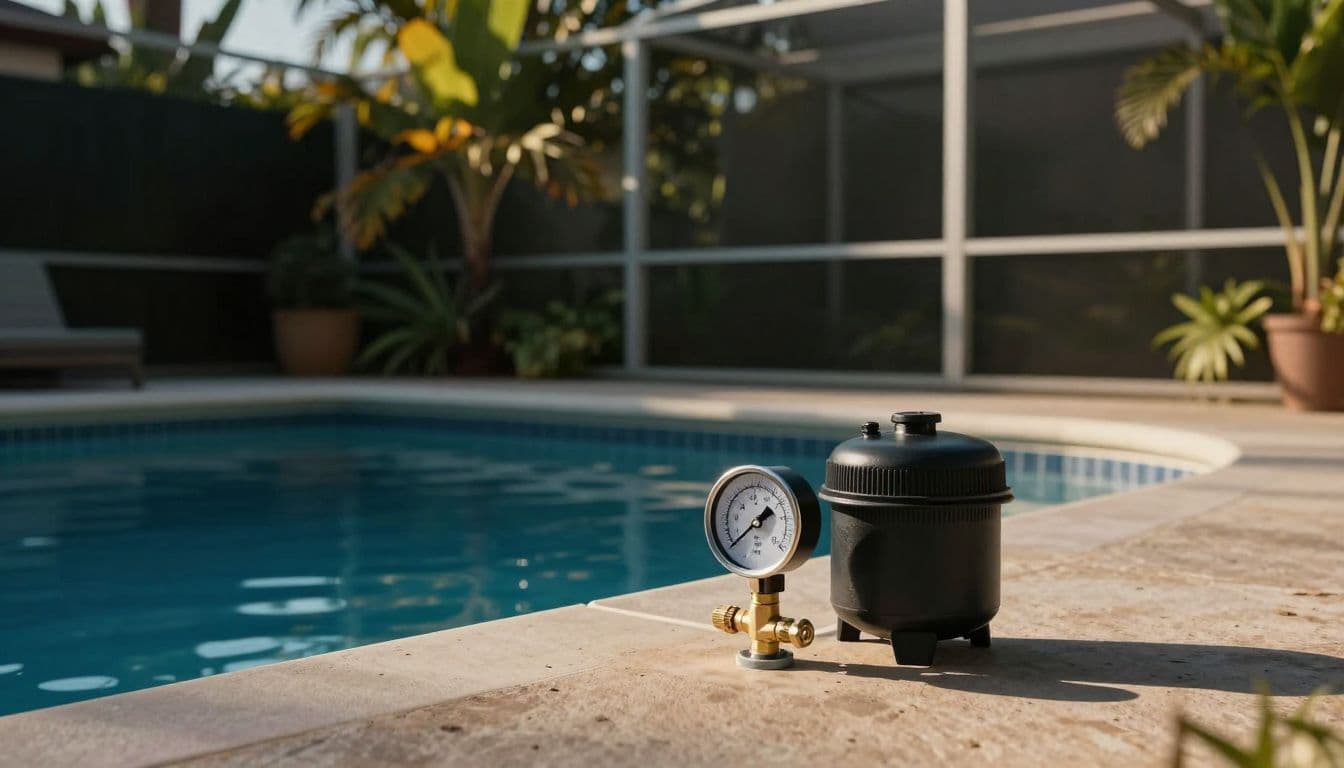
Most gauges sit on the filter tank or a nearby manifold. PSI, or pounds per square inch, shows the pressure water creates as it moves through the filter. Turn the pump on with valves in their normal positions, let the flow stabilize, and read the needle at eye level. Record the number and date so you can compare future readings.
Start with a normal running system
Read the gauge while the pump runs normally. The pool should have adequate water, the pump should be primed, and the skimmer and pump baskets should be reasonably clear. If the system is pulling air or a valve is partly closed, the reading may not tell you much about filter condition.
Check the pool filter pressure gauge after routine cleaning, not while the pump is starting or stopping. A stable reading gives you a more useful comparison.
Set a clean-filter baseline
Your clean-filter baseline is the PSI shown after the filter has been cleaned according to its type and the system is circulating normally. Cartridge filters need cartridge cleaning, while sand and diatomaceous earth filters need the procedure listed by the manufacturer.
There is no universal normal PSI . A reading that fits one pump, filter, and plumbing layout may be wrong for another. Keep your baseline near the equipment pad or in a maintenance log.
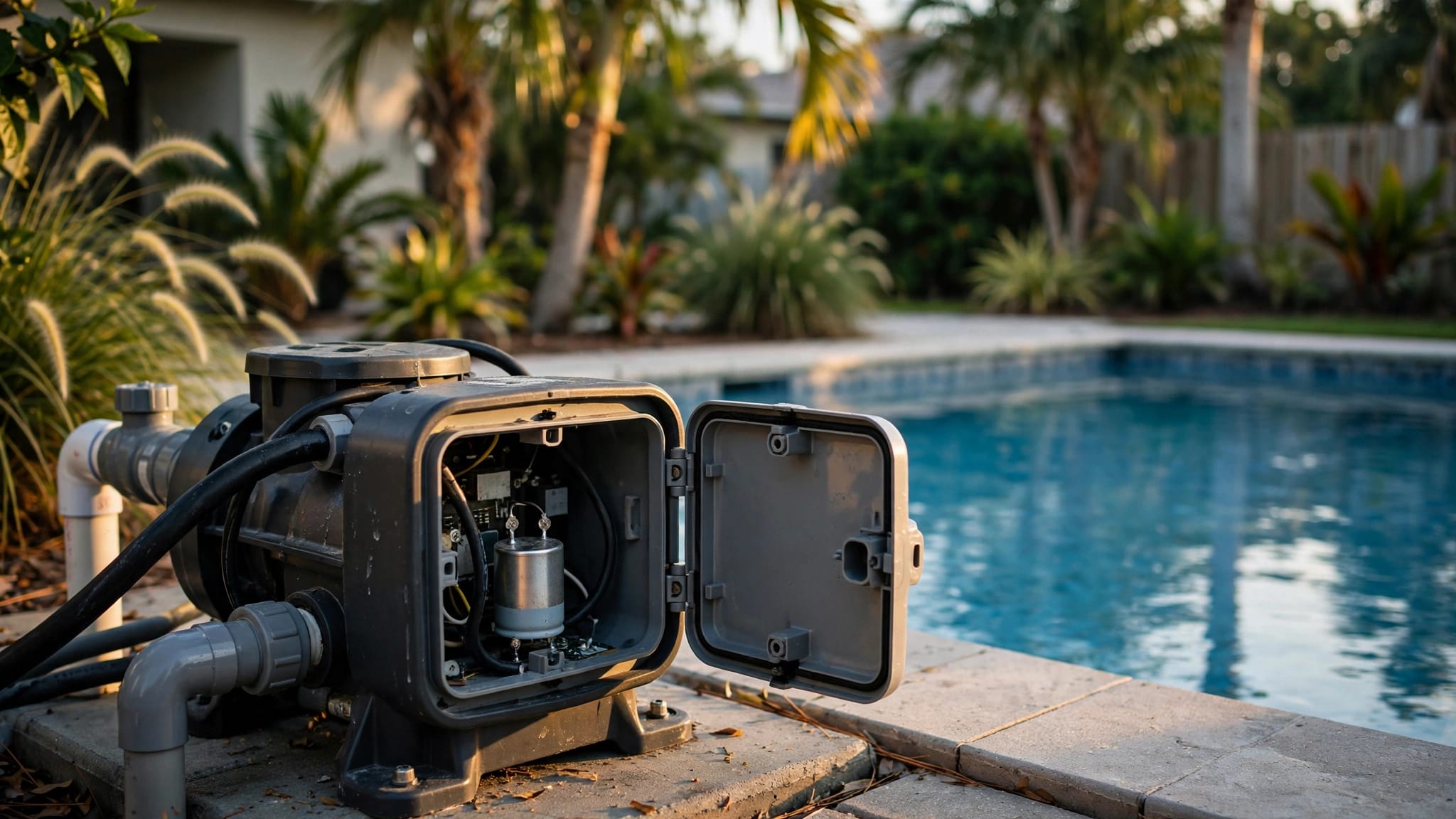
Before opening a filter tank, loosening a clamp, or removing the gauge, turn off the pump and disconnect power when appropriate. Release pressure through the filter's air-relief valve according to the manufacturer's instructions, then confirm the gauge reads zero. Never remove a gauge or open a filter under pressure.
What high and low PSI readings mean
Use the pool filter pressure gauge as a trend tool. The difference between today's reading and your clean-filter baseline matters more than a number copied from another pool.
When pressure rises above baseline
A higher reading usually means resistance has increased in the filter or return side of the system. A dirty filter is a common cause, but a closed return valve or blocked return path can also matter.
Turn off the pump before opening baskets or servicing the filter. Clean or backwash only as your filter type allows, and follow the equipment manual rather than using a universal PSI rule. Cartridge filters should not be backwashed.
If pressure climbs again soon after cleaning, the filter may be loading with fine debris or the system may have another restriction. Check return valves and flow before assuming the filter needs replacement.
When pressure falls below baseline
A low reading can point to low water, a clogged skimmer or pump basket, poor pump priming, an air leak, or a valve setting that restricts suction. Look for air bubbles, unusual pump noise, or weak return flow.
The gauge itself may also be inaccurate. If pressure remains low after basic checks, a technician may need to inspect the pump, plumbing, valves, and gauge. This pool equipment repair or replacement guide can help when you're comparing repair and equipment upgrade options.
Florida conditions that affect filter pressure
Florida pools often operate through every season, so the equipment gets regular use even when northern pools are closed. Heat can increase demand for circulation, while frequent storms add leaves, grit, and organic debris to the water.
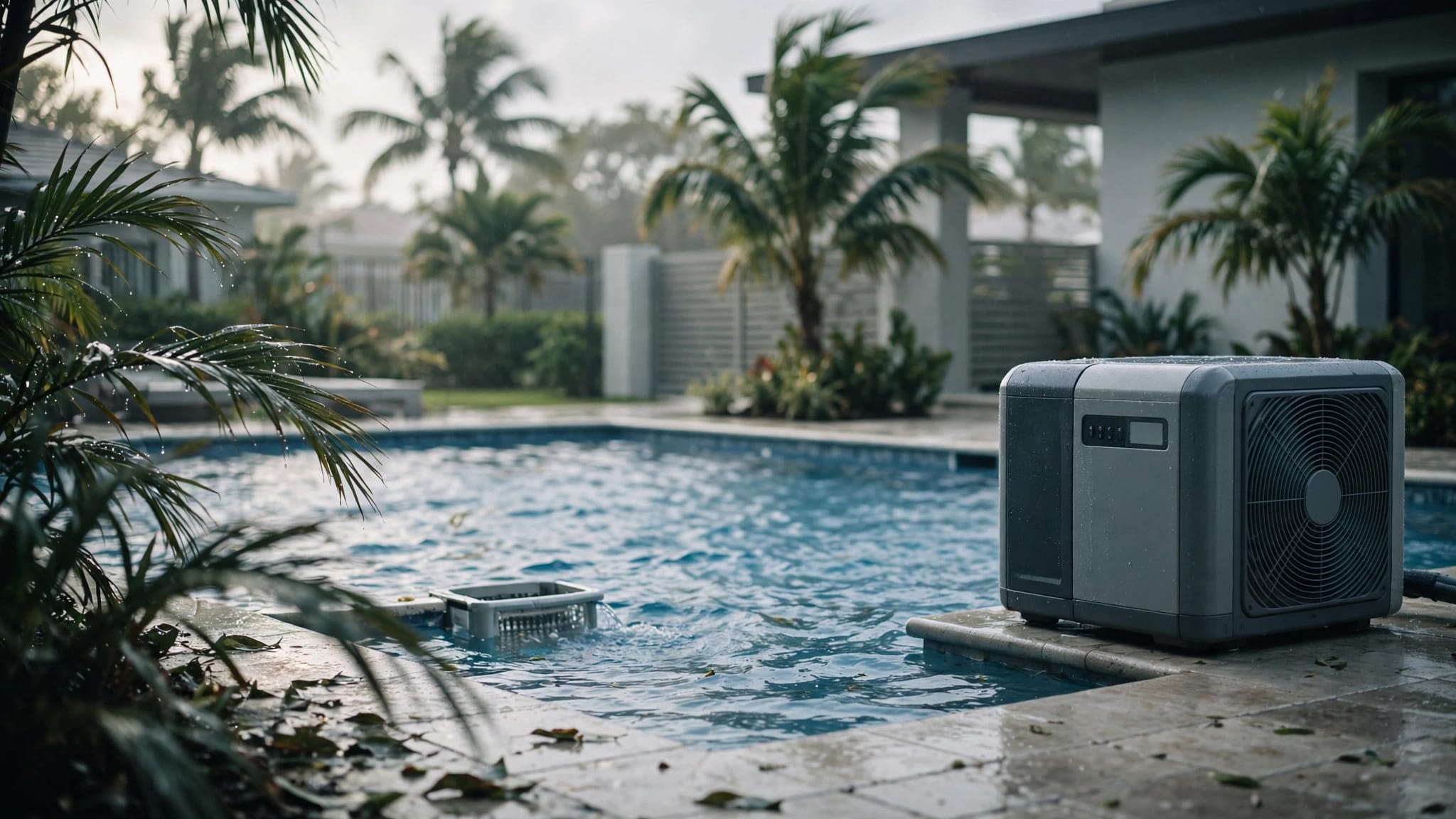
Check the system after storms
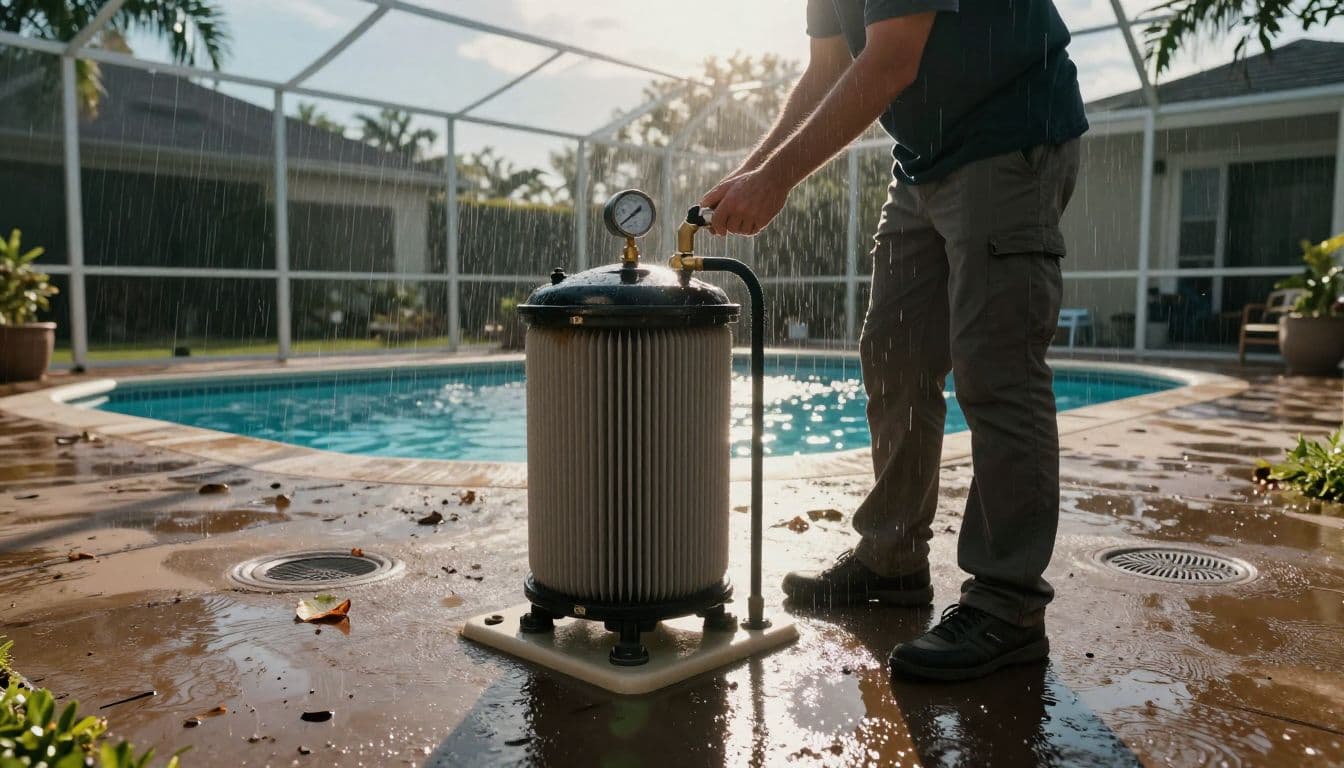
Storms can push leaves and debris into the pool and screen enclosure. Heavy rain can also change the water level and dilute pool chemicals.
After weather clears, remove visible debris, check the water level, and empty the baskets with the pump off. Then run the system normally and compare the PSI with your clean-filter baseline. Don't judge filter performance while the pump is pulling air or the water level is abnormal.
Watch heat, use, and algae risk
Warm Florida weather can support algae growth when sanitizer or circulation falls behind. Cloudy or green water can load a filter faster, so pressure may rise soon after cleaning.
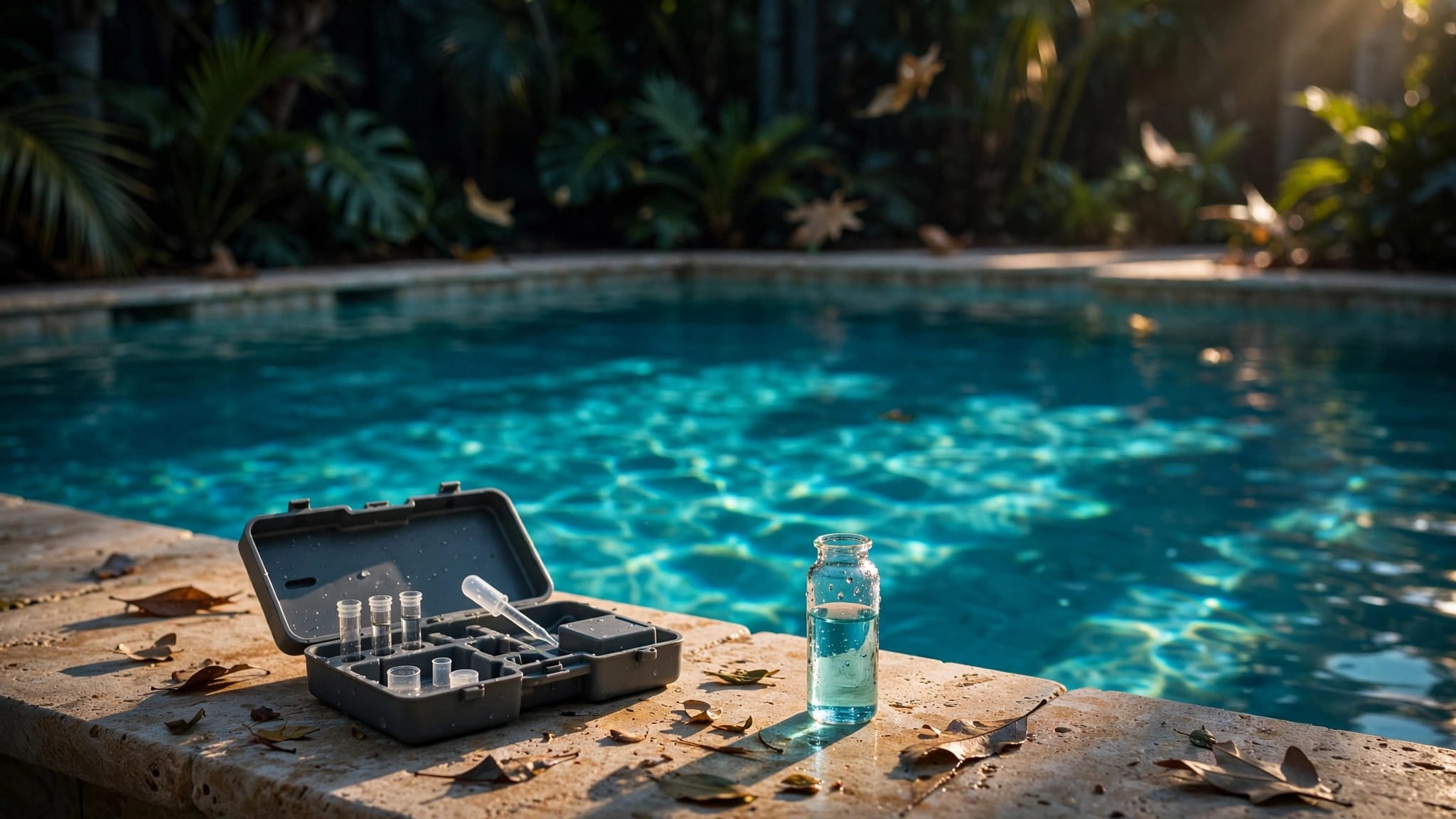
The gauge measures flow resistance, not water chemistry. Test the water and correct sanitation and circulation problems instead of relying on PSI alone. For enclosure options, see pool screen enclosures and rescreens. A maintained enclosure can reduce routine debris and insects, although storms can still bring material inside.
When a gauge reading needs professional attention
One unusual reading may follow cleaning or a storm. Repeated changes point to a problem that needs a closer look, especially when water flow or pump sound also changes.
Replace a damaged or unreliable gauge
Replace a gauge if its face is cracked, the needle sticks, the housing leaks, or the reading stays unchanged under clearly different conditions. Turn off the pump, release all filter pressure, and use a gauge rated for the system.
If you aren't comfortable confirming zero pressure, leave the equipment closed and call a pool professional. A small gauge can hold enough pressure to make filter service unsafe.
Investigate repeated pressure changes
Persistent high or low PSI can involve a filter that loads quickly, a valve issue, a suction-side air leak, or aging equipment. Back Bay Pools can inspect your system during a repair, renovation, or larger pool upgrade. You can Get a Free Estimate to discuss the next step on site.
Conclusion
Reading a pool filter pressure gauge gets easier once you stop chasing a universal PSI number. Establish a clean-filter baseline, read the dial with the pump running normally, and investigate meaningful changes.
Florida weather and year-round use make regular checks useful, but safety comes first every time. Turn off the pump and release pressure before opening the filter or removing the gauge. A consistent record helps you catch equipment problems before they become harder to diagnose.