You add chlorine, check the pool later, and the reading is low again. That pattern can make pool chlorine demand feel like a guessing game, especially when the water still looks clear. Another dose may raise the number briefly, but it won't tell you what happened between tests.
The useful starting point is a reliable reading, followed by a look at water chemistry and the equipment that supplies and circulates sanitizer. Once you know when the drop occurs, you can investigate it without making several chemical changes at once.
What pool chlorine demand means
Chlorine demand describes how much sanitizer a pool needs to maintain an appropriate free chlorine reading. If that reading keeps falling, the test result alone can't identify the reason. The pool may need a closer water-quality review, the sanitizer system may need attention, or the reading may need confirmation.
Free chlorine is the reading to follow
Free chlorine is the sanitizer available in the water. Total chlorine includes free chlorine and combined chlorine, which forms after chlorine reacts with substances in the pool. Comparing the two readings can reveal information that a single chlorine result misses.
For example, a total chlorine reading that stays above free chlorine deserves a closer look. It doesn't tell you to add a guessed amount of product. It tells you to confirm the readings and assess the water as a whole.
A clear pool can still have a low reading
Appearance is useful, but clear water doesn't establish that sanitizer is adequate. Likewise, one low test doesn't prove a persistent problem. Sample location, testing method, and the time between readings all matter.
Treat pool chlorine demand as a pattern to investigate , not a diagnosis made from one strip or one glance across the pool. That distinction helps you avoid correcting the wrong issue.
Confirm that chlorine is dropping
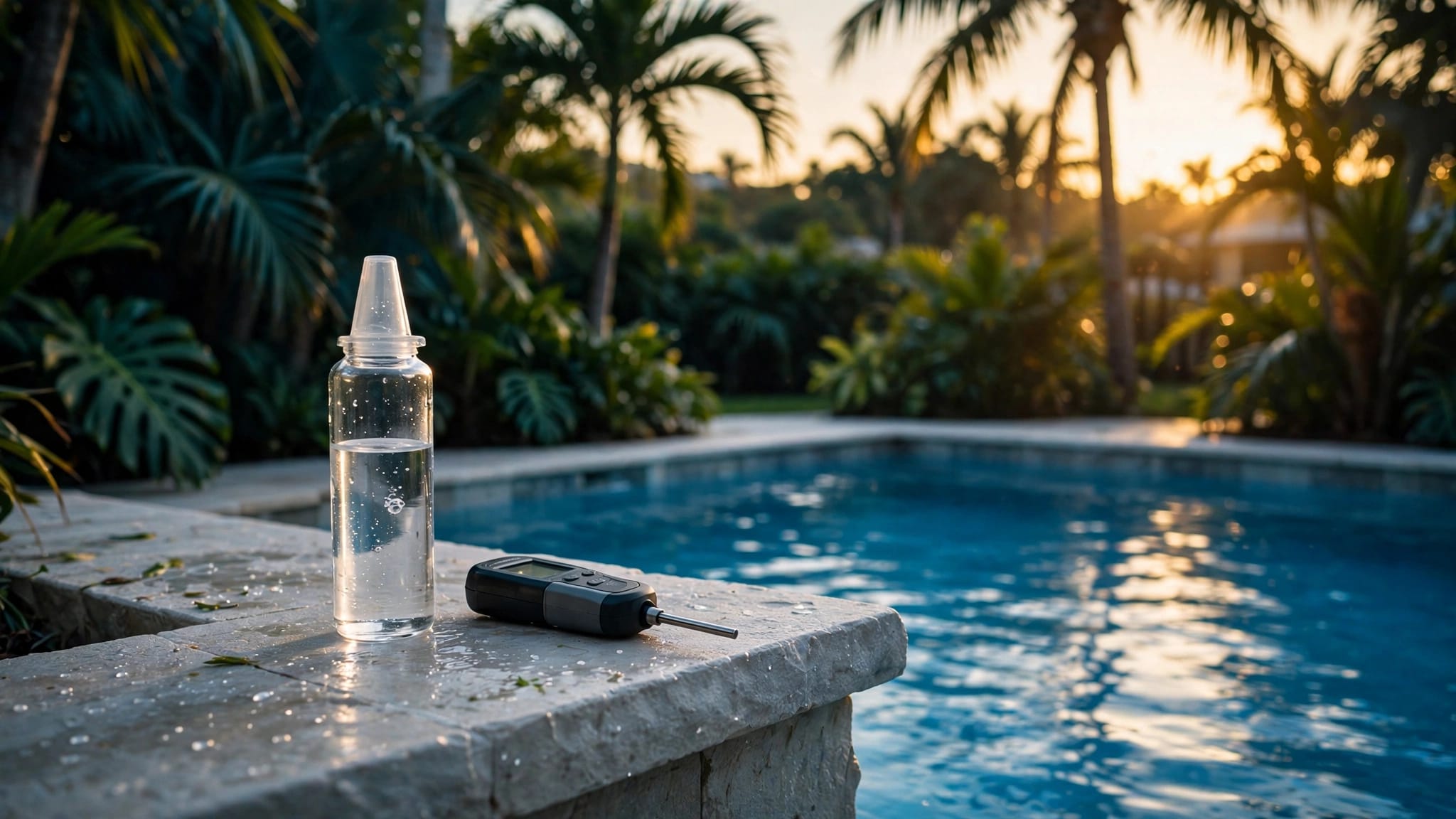
Before changing a feeder setting or adding a chemical, collect a fresh sample and repeat the test according to your kit's instructions. If the result would lead to a major adjustment, a liquid test kit or a pool professional's analysis can help confirm it.
Keep the sampling method consistent
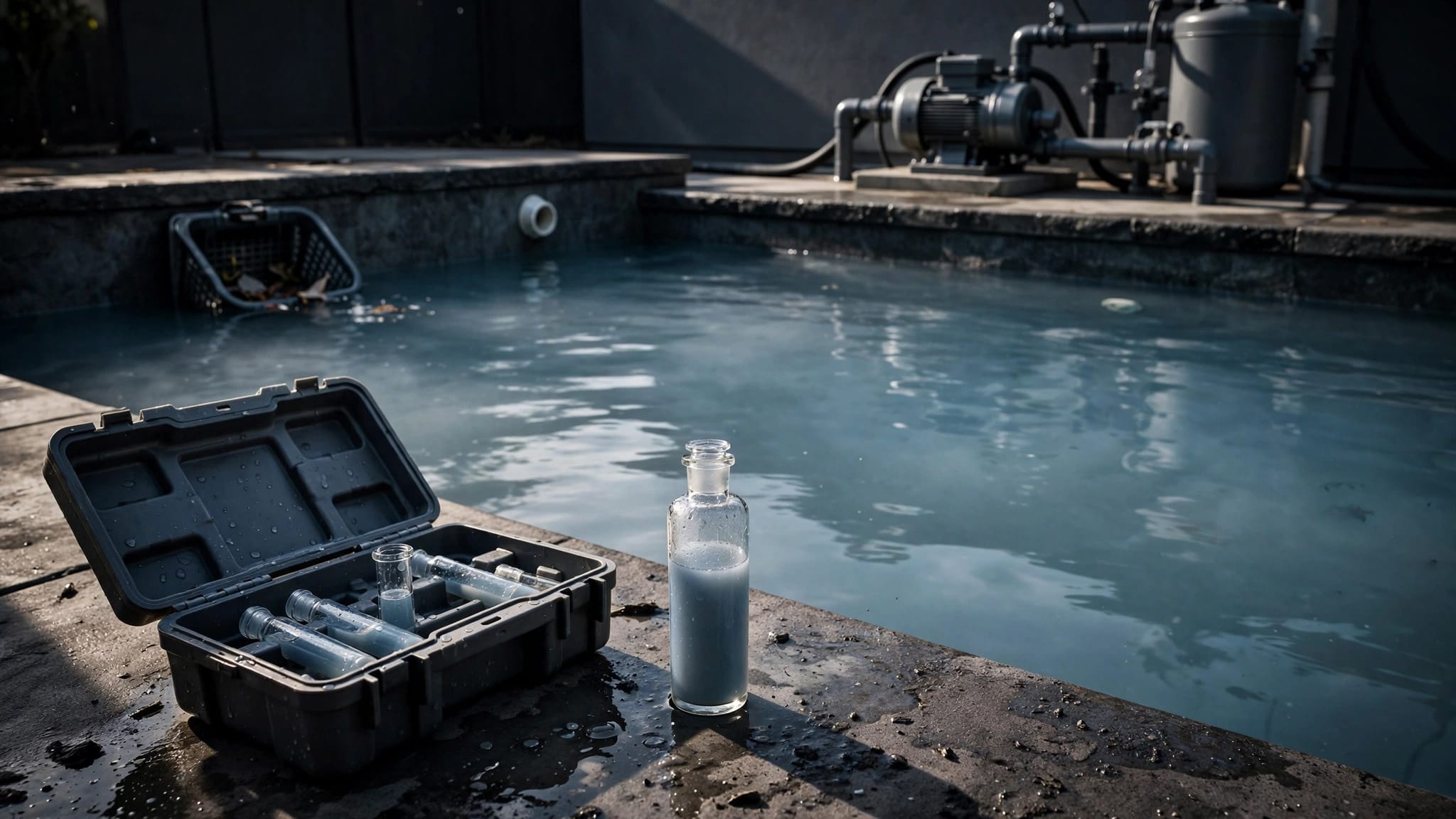
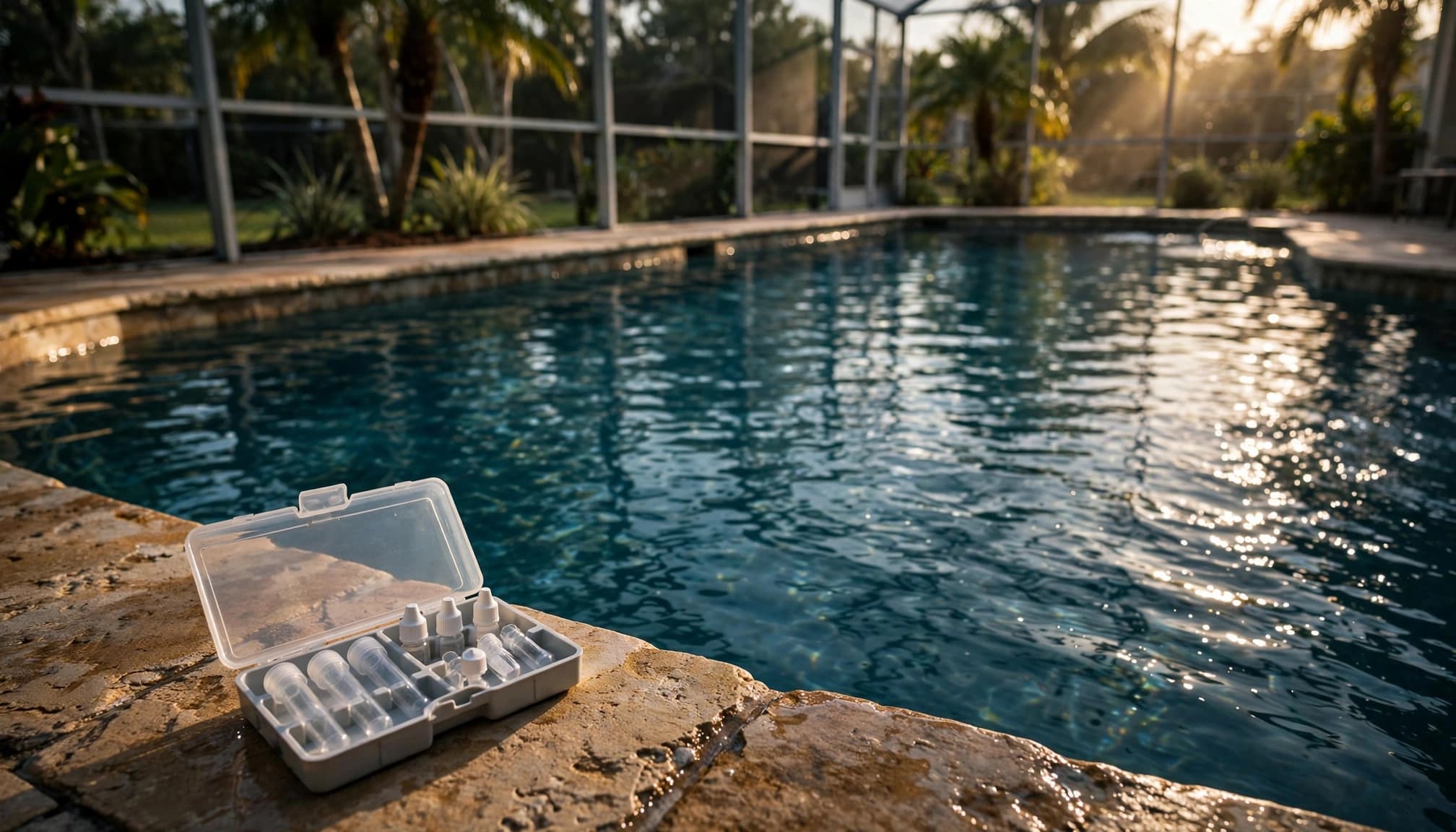
Use a clean container and sample away from return jets, skimmers, and chemical feeders. Test promptly, and follow the kit's directions for depth, timing, and reading the result. An expired kit or an uncertain color match is a reason to check again.
Record free chlorine, total chlorine, pH, total alkalinity, and cyanuric acid when your test method provides them. Calcium hardness also matters to overall water balance, particularly for pools with plaster or other cement-based finishes.
For a broader look at pool water chemistry and routine maintenance, keep cleaning and equipment checks alongside your test records.
Write down what changed between tests
Note when you sampled, whether swimmers used the pool, and whether rain or a water addition occurred. Include pump run time, feeder settings, and any warning messages. Use roughly the same sampling location each time.
A log makes a repeated drop easier to assess than a handful of isolated numbers. It also gives a pool professional something concrete to review if your results remain confusing.
Read the chemistry together
A low free chlorine result needs context. pH, stabilizer, and the difference between free and total chlorine can change how you interpret the pool's condition. Check the applicable test-kit, sanitizer, and equipment guidance before choosing a response.
Check pH and combined chlorine
pH affects how well chlorine sanitizes the water, even though pH isn't a direct measure of chlorine quantity. If pH is outside the recommended range for your system, consider that reading alongside the free chlorine result.
Subtracting free chlorine from total chlorine gives you combined chlorine. A notable difference calls for a closer water-quality review. Don't treat the total chlorine number as though all of it were available free chlorine.
Check stabilizer rather than guessing
Cyanuric acid, often called stabilizer or CYA, is another important outdoor-pool reading. Its appropriate level depends on the sanitizer system and product guidance. Adding more without a test can make troubleshooting harder.
These measurements work best as a group. If two results appear inconsistent, confirm them before making a large adjustment. A fresh sample or professional water analysis is more useful than choosing a treatment based on the pool's appearance.
Check how sanitizer reaches the water
Once you've confirmed the readings, inspect the equipment you already have. Look for ordinary, observable problems before changing multiple settings. Pool maintenance in Cape Coral's climate includes water-chemistry checks, filter care, and equipment inspections.
Review circulation and the filter
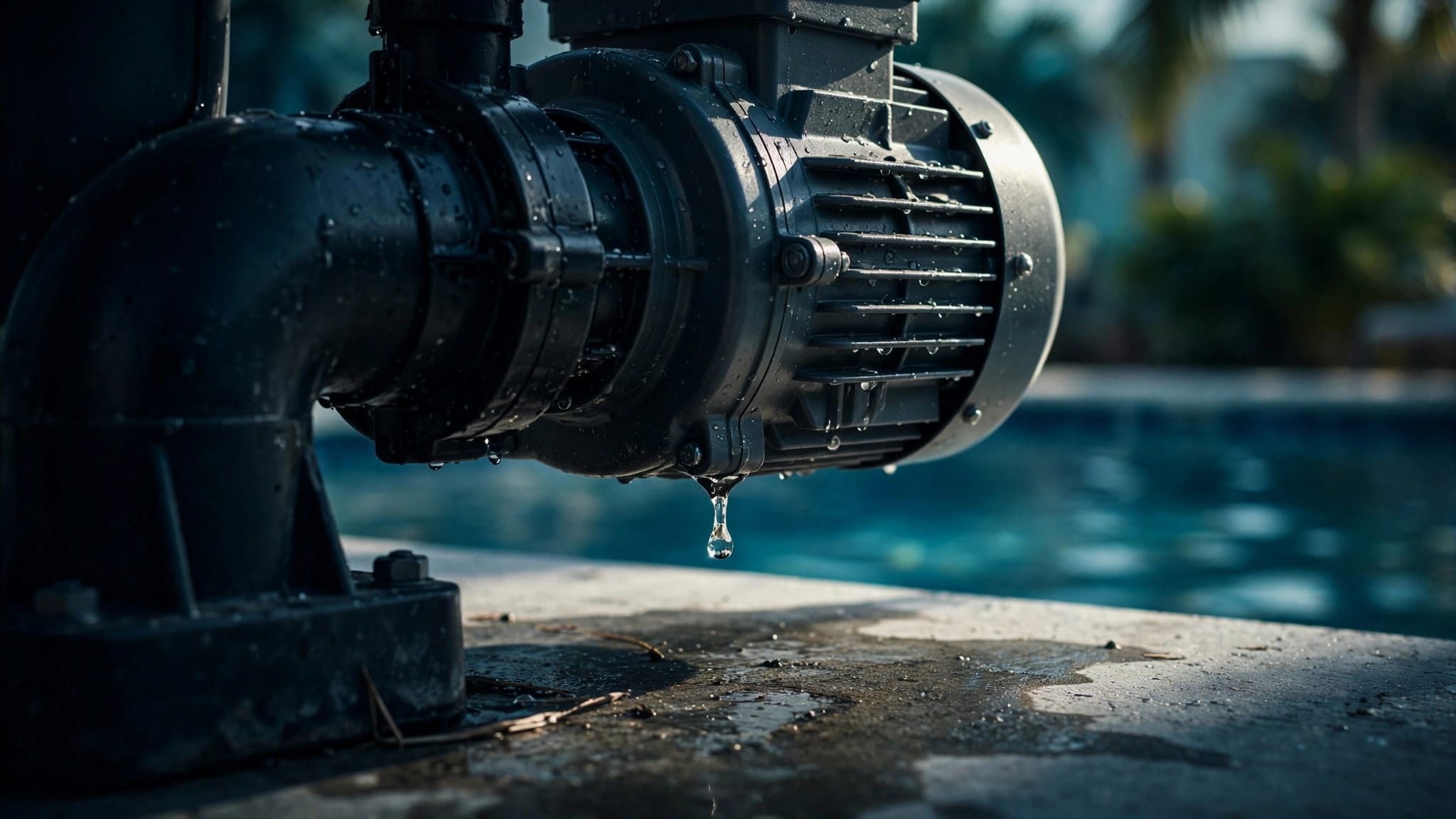
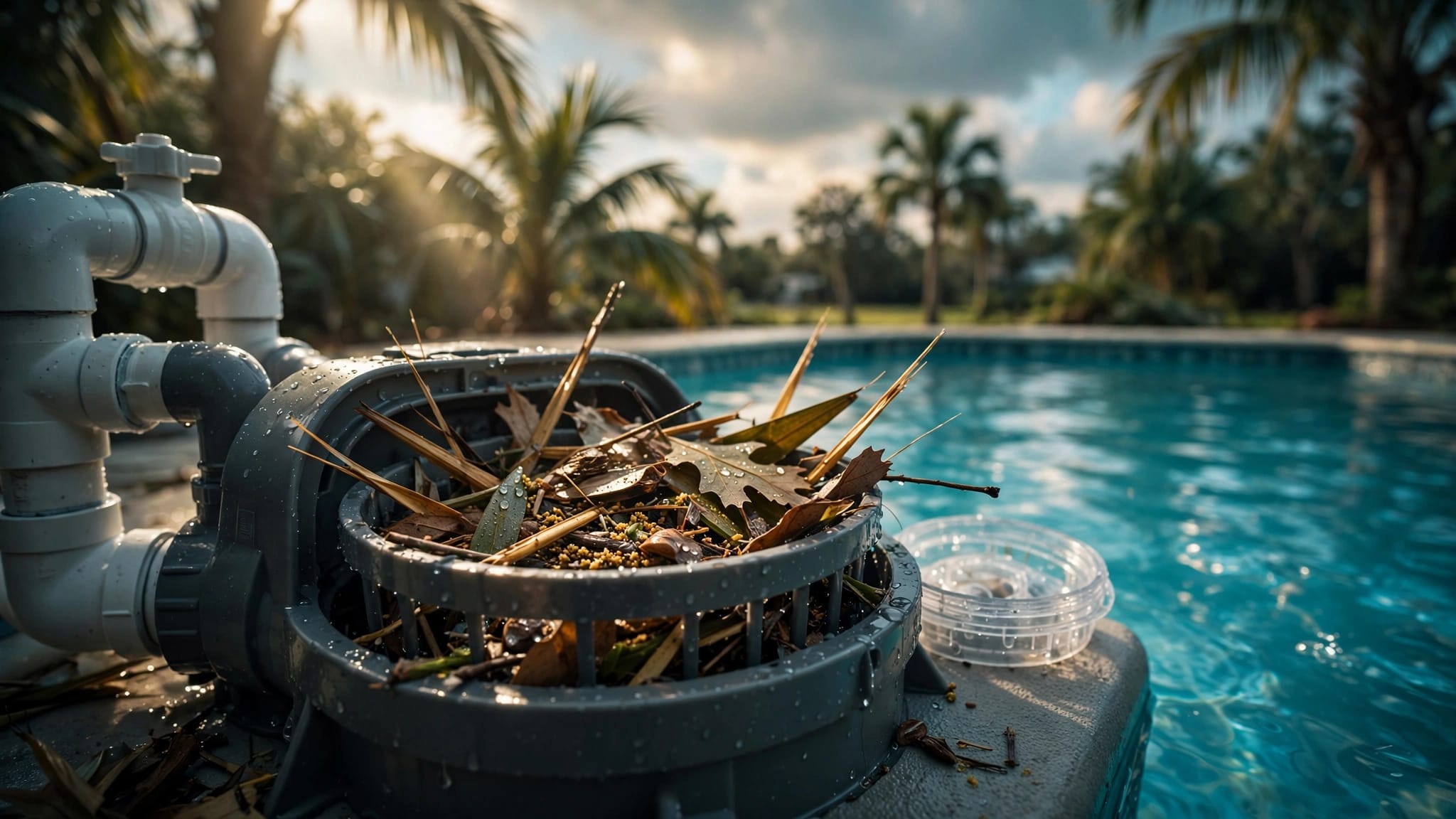
Check whether the pump runs on its intended schedule. Then look at the water level, skimmer and pump baskets, return flow, and filter pressure. Compare the pressure gauge with your system's normal reading, and use the manufacturer's instructions for cleaning or backwashing.
Water needs to move through the system for filtration and equipment operation. A blocked basket or an unexpected flow warning deserves attention, but neither proves what caused a particular chlorine test result. Record what you find and retest after the system operates normally.
Review the chlorine source
For a tablet feeder or liquid-chlorine system, check its condition and setting according to the manufacturer's directions. If you use a salt chlorine generator, review its display, salt reading, pump schedule, and any flow or cell warning.
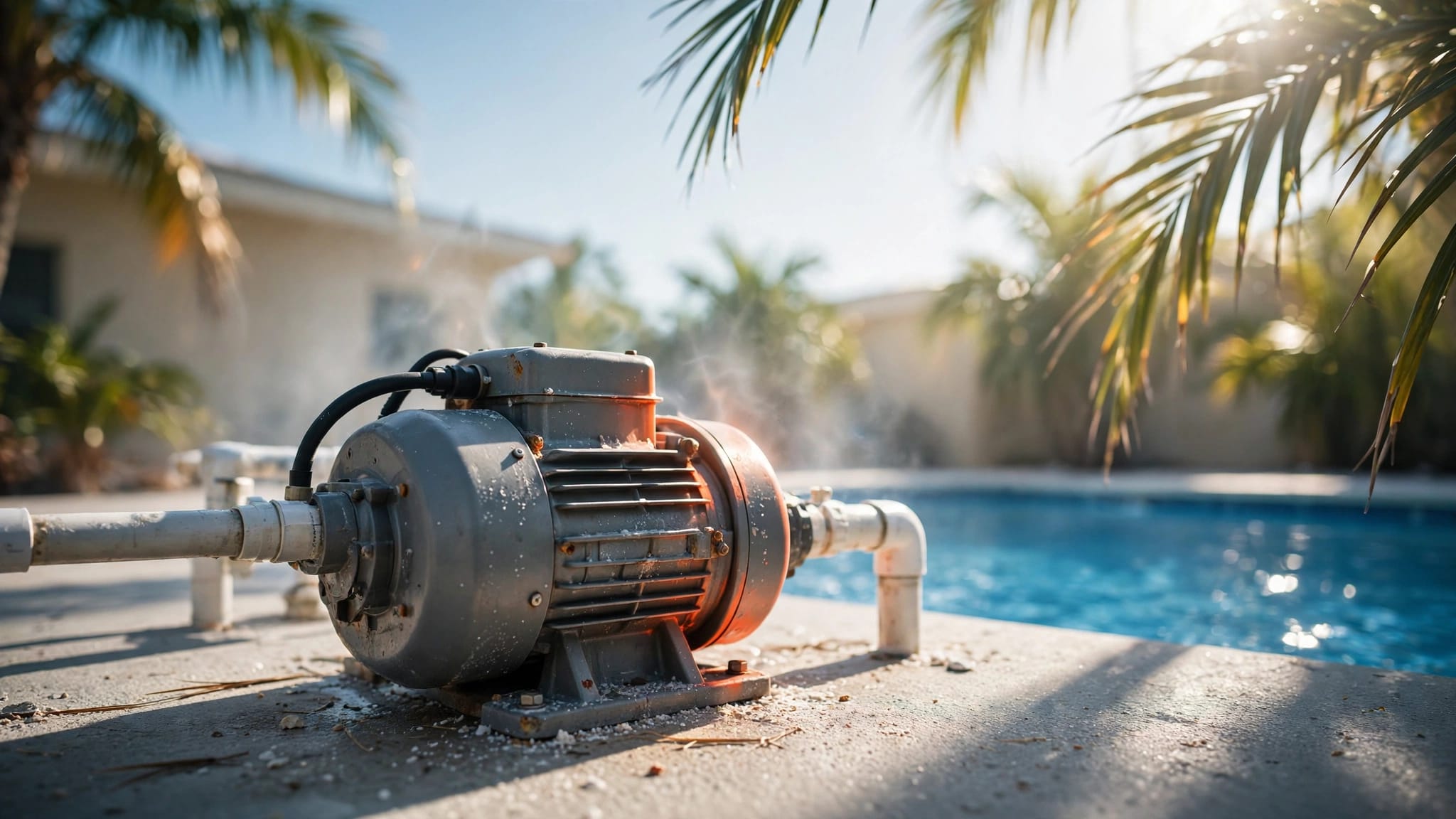
Don't assume a higher generator setting will solve a low reading. If you see scale on a cell, follow the manufacturer's inspection and cleaning instructions. Electrical faults and persistent production warnings need a qualified technician, not repeated guesswork at the controls.
Look at what happened around the pool
Cape Coral homeowners know how quickly pool conditions can change after a storm or a busy weekend. Timing doesn't establish a cause, but it can focus your next check. Keep the test results beside a short record of recent weather, swimming, and cleaning.
After rain or heavy use
If the reading changes after rainfall, check the water level and collect a new sample. Note any overflow, draining, or addition of fresh water. After a crowded swim, record the event rather than assuming the previous chemical setting still fits.
These details help separate a one-time reading from a recurring pattern. They also give you a reason to inspect the pool and its equipment sooner instead of waiting for the next routine service visit.
Check debris and screened areas
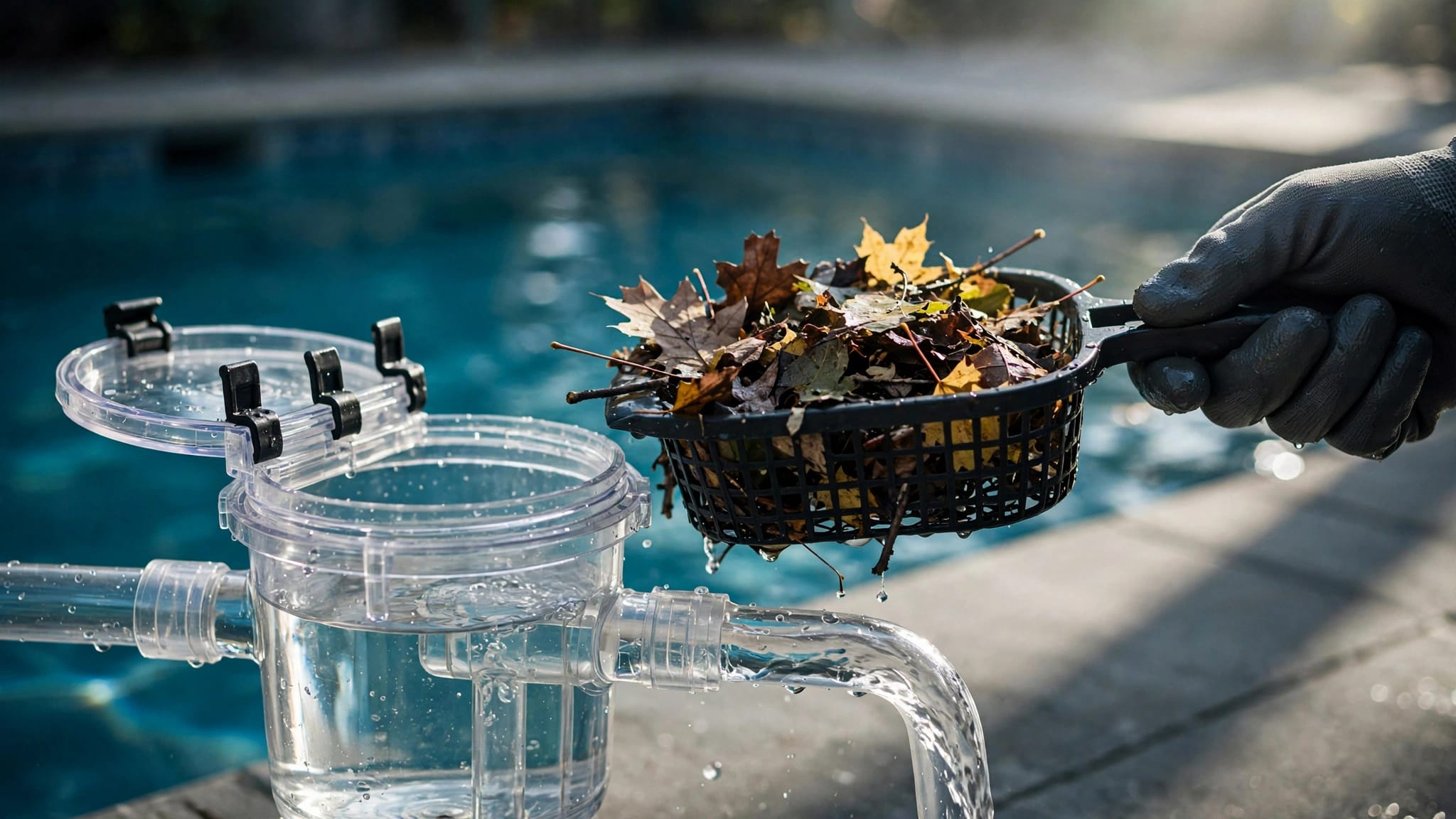
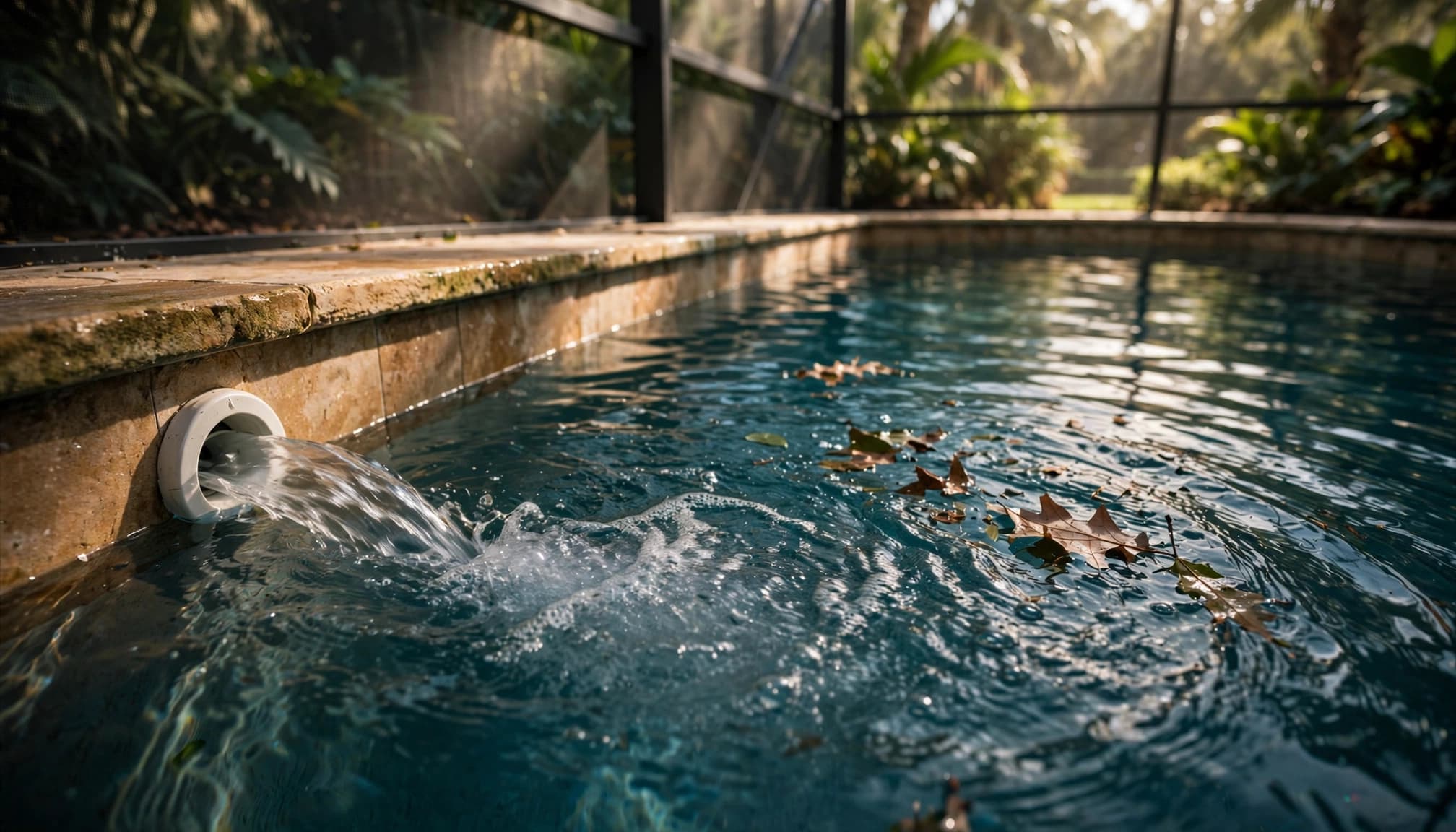
Skim leaves, empty baskets, and inspect steps, corners, and other areas where debris collects. Brush and clean according to your normal maintenance plan. Debris removal is worthwhile even when you haven't identified the reason for a low reading.
A screen enclosure can help keep insects and debris outside the pool. It doesn't replace testing, brushing, or filter care. Homeowners weighing an enclosure can compare pool screen enclosure options in Cape Coral for their backyard.
Make corrections safely, one at a time
Repeated low readings can tempt you to add more chlorine each time you pass the equipment pad. First, confirm the result and review the other measurements. Pool volume, product strength, and current water chemistry affect any chemical adjustment.
Let the test guide the treatment
Follow your sanitizer label and equipment instructions for the measured conditions. Make one appropriate adjustment, allow the required circulation time, and retest before deciding whether anything else needs attention. Keep swimmers out for the period stated on the product label and until the water meets applicable guidance.
Never mix pool chemicals or combine leftover products in a container. Keep them closed in their original packaging, and store them as their labels direct. If a test result seems impossible, repeat it rather than making a large correction.
Get help with persistent or visibly poor water
Cloudy or green water needs prompt attention. Clear sight of the pool floor matters for swimmer safety, while a sanitizer reading helps assess the water itself. If readings remain difficult to interpret, bring your log and a fresh sample to a qualified pool professional.
The same applies when equipment repeatedly reports a fault. Testing can identify a water-quality concern, but it can't repair a failing pump, control panel, or sanitizer system. An on-site equipment evaluation may be the sensible next step.
When a pool project belongs in the conversation
Most chlorine-reading problems call for testing and maintenance first. Still, an older pool may have separate concerns worth addressing once the immediate water-quality issue is under control.
Distinguish maintenance from renovation
A worn finish, damaged surface, or outdated equipment deserves its own assessment. Don't assume resurfacing will correct a low chlorine reading. Likewise, don't dismiss a rough or deteriorating interior because the latest water test looks acceptable.
If the pool needs broader work, pool renovations and resurfacing in Cape Coral can address its finish and other planned updates. Diagnose the water issue first so you can make a clear decision about the project.
Plan access for future upkeep
For a new pool or major remodel, ask how you'll reach the filter, pump, and sanitizer equipment. Discuss where you'll take water samples and how the planned enclosure affects routine cleaning access. Good design makes inspection and maintenance easier to carry out.
The pool's equipment still needs settings that fit its use. Even a newly built pool benefits from a written record of water tests and changes, especially while you're learning its normal pattern.
Key Takeaways
- A falling free chlorine reading needs confirmation before it becomes a treatment decision.
- Test chemistry as a group, and record the conditions between readings.
- Check circulation and sanitizer equipment for observable faults without assuming one finding explains everything.
- Use product directions for chemical adjustments, and seek professional help when readings or equipment problems persist.
Frequently Asked Questions
Why is free chlorine low when the water looks clear?
Clarity and sanitizer concentration measure different things. Test a fresh sample, check pH and the other relevant readings, and confirm an unexpected result before making a chemical change. Clear water alone can't establish that the pool is ready for swimming.
Does a saltwater pool still need chlorine testing?
Yes. A salt chlorine generator is a source of chlorine, and its display doesn't replace a water test. Check free chlorine with a reliable method and review the system's operating information if the reading keeps falling.
Will a screen enclosure fix repeated low chlorine readings?
An enclosure helps keep insects and debris out, but it doesn't diagnose a chlorine problem. You'll still need water tests, cleaning, circulation checks, and equipment care. Investigate the repeated reading before treating an enclosure as the answer.
Conclusion
When chlorine seems to disappear, adding another dose without a confirmed reading leaves you guessing. Consistent tests and a short log give you a clearer view of what changed and what needs inspection.
Start with the water, then check the equipment and recent pool conditions. If the pattern continues, those records will make a professional diagnosis more useful.