A low-salt alert can make a bag of pool salt look like the obvious fix. But adding salt before testing the water’s salinity could put it above your chlorinator's recommended range.
In Cape Coral, rain, water replacement, and heavy pool use can complicate the picture. A separate water test gives you a better basis for action than the equipment display alone. Start with the range specified for your installed system , then collect a reliable sample.
Why pool salt levels need an independent check
A saltwater pool still uses chlorine. Its generator passes pool water through a salt cell to produce sanitizer, so the system needs suitable salinity, circulation, and working equipment.
The chlorinator's display is useful for spotting a possible problem, but it isn't the same as an independent water test. If the display reads low while a separate test falls within the manufacturer's range, adding salt may create a new problem. A dirty cell or flow issue may need attention instead.
Salinity also tells only part of the story. Clear water doesn't prove that free chlorine is adequate. Cape Coral's sun, warm water, and frequent swimming can increase chlorine demand, so test sanitizer and pH with an appropriate pool-water kit as well. For a broader comparison of upkeep, see saltwater pool maintenance considerations.
Find your chlorinator's recommended salt range
The correct target comes from the manufacturer of your installed salt chlorinator . Check the model number on the control unit or cell, then consult its manual for the recommended operating range and adjustment guidance. Don't use a number remembered from a previous pool or printed on a bag of salt.
Match the reading to the right equipment
If a pool has been renovated, its current generator may differ from the one listed in old paperwork. Confirm the installed model before using a salt chart. This matters when comparing a test result with the controller's reading or planning an addition.
The pool's water volume matters too. A builder's original estimate may no longer reflect the pool after a renovation that changed its depth, shape, or attached features.
Keep the units consistent
Salt results commonly appear as parts per million (ppm). Some meters show grams per liter (g/L) instead. One g/L equals 1,000 ppm , so check the display unit before deciding that two readings disagree.
A pool-store result, home test, and controller display are easiest to compare when you record the number, unit, and date for each.
Collect a sample that represents the pool
A test can work correctly and still mislead you if the sample doesn't represent the mixed pool water. Water near a return jet, skimmer, or recently treated area may differ from the rest of the pool. Surface water can also give a poor snapshot after a downpour.
Let recent changes settle
After adding salt or other pool chemicals, allow the water to circulate for the period directed by the product and equipment instructions before relying on a new result. Testing too soon can make a local concentration look like the condition of the entire pool.
Likewise, after heavy rain or a substantial refill, give the pump time to mix the water before comparing readings. A result taken while fresh water remains concentrated near the surface may be misleading.
Use a clean container
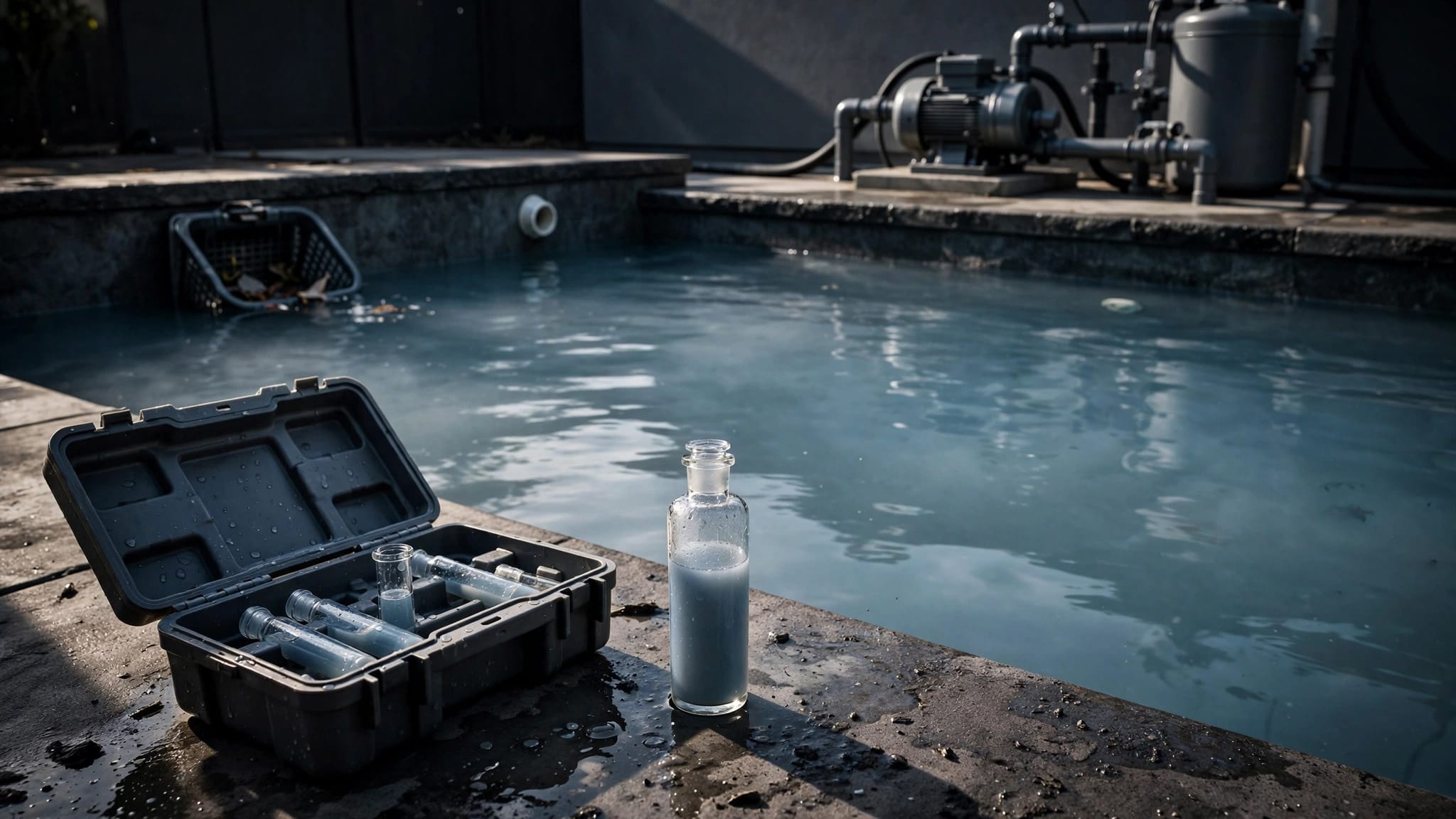
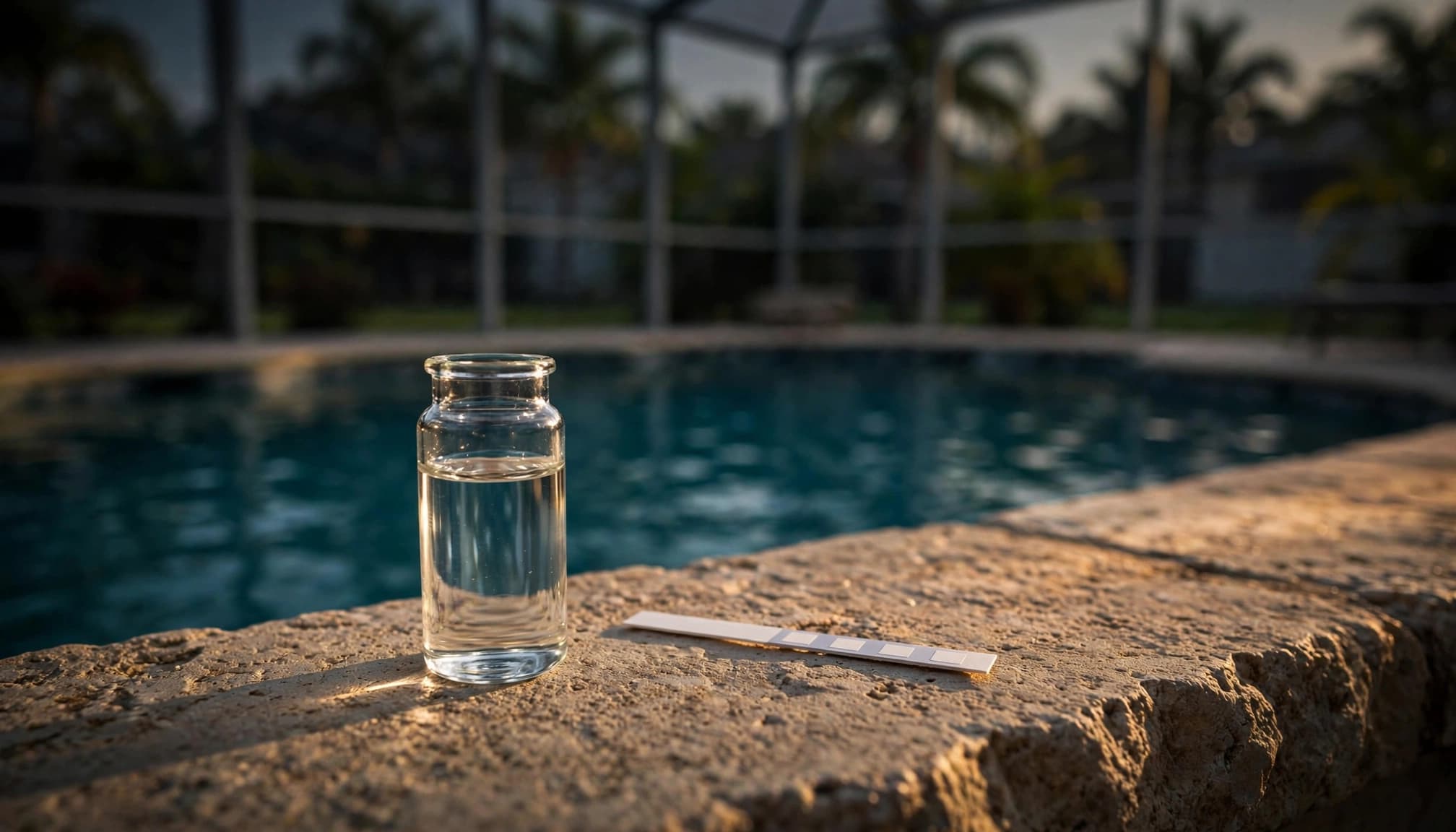
Residue in a sample cup can interfere with testing. Use the container supplied with your kit or another clean container suitable for pool-water testing. Follow the kit's collection directions, including any specified depth, rather than guessing at a method.
If a result seems out of character for the pool, collect a fresh sample before changing the chemistry. That small pause is especially worthwhile when the proposed correction involves several bags of salt or draining water.
Compare salt test strips and digital meters
Both methods can help you check salinity independently of the chlorinator. Choose a product intended for pool salt , and confirm that its measuring range covers the range specified for your generator.
Salt test strips
Pool-salt strips are convenient for occasional checks and require little equipment. Their instructions determine how to handle the strip, when to read it, and how to interpret its scale. Using a chlorine or general water-quality strip in place of a salt-specific product won't answer the same question.
Pay attention to the strip's expiration date and storage directions. If its result sits close to your system's limit or conflicts sharply with the controller, confirm the reading with another suitable test before making a large correction.
Digital salt meters
A digital meter gives a numerical reading, which makes it useful when tracking changes over time. However, the number is only helpful if the meter is intended for the salinity range you're measuring and is used according to its instructions.
Check whether the display shows ppm, g/L, or another unit. Also distinguish a salt meter from a general total dissolved solids meter; their readings shouldn't automatically be treated as interchangeable. Follow the meter maker's maintenance and verification guidance. A pool professional can provide another independent reading when the instruments disagree.
Read the result before adjusting anything
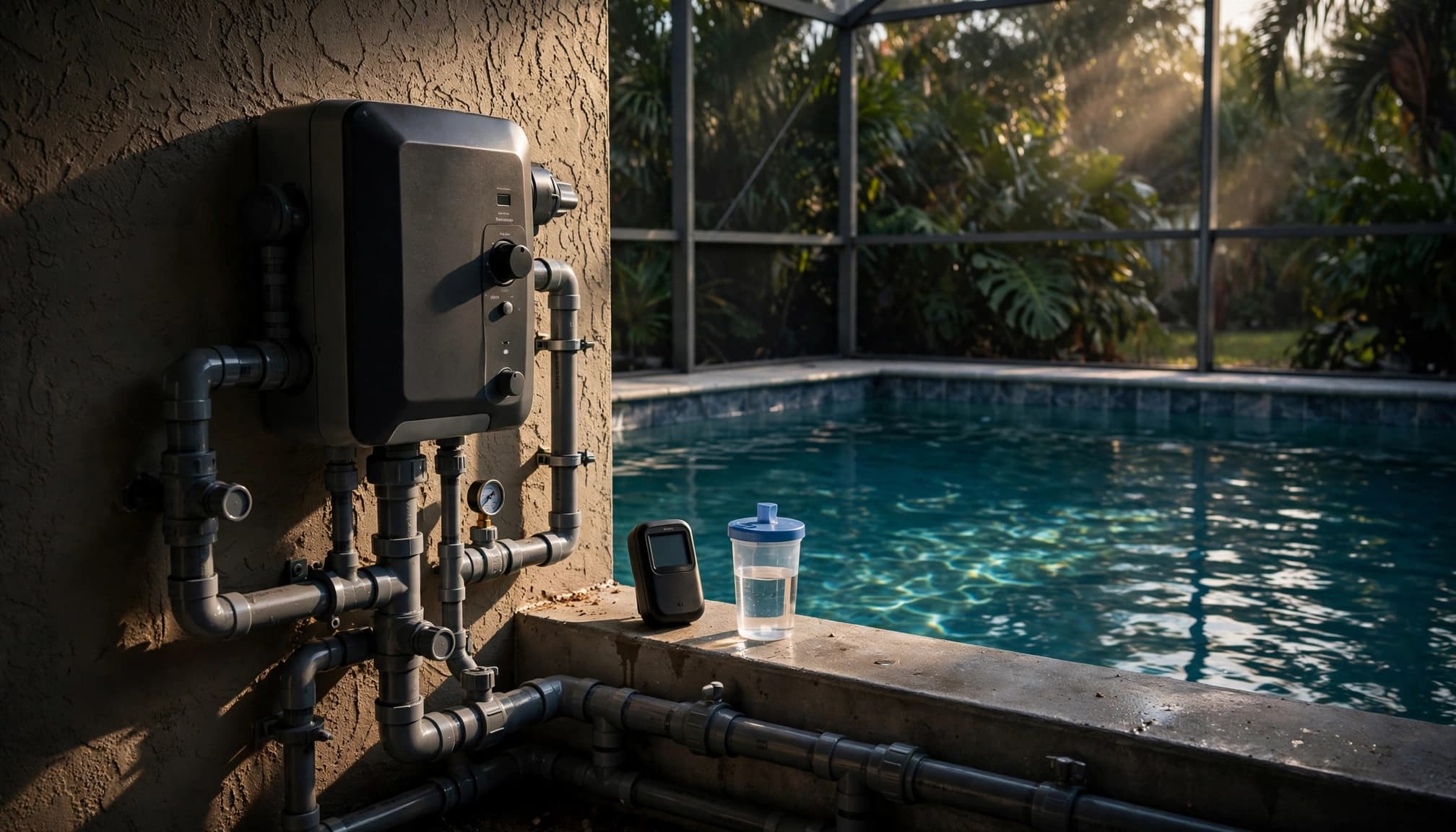
Compare the independent result with the operating range in your chlorinator manual. Then compare it with the controller display. A single alert or one surprising test result isn't enough reason for a major water change.
When the readings agree
If both results indicate low salt, verify the pool's water volume and use the manufacturer's salt-addition guidance. If both indicate high salt, confirm the results before considering dilution. Water removal is harder to undo than waiting for a second test.
If both readings fall within range but chlorine remains low, salt may not be the cause. Check free chlorine, pH, pump operation, and any flow warning. The generator cannot sanitize water while circulation is off or its flow protection prevents operation.
When the readings conflict
Repeat the independent test with a fresh sample and check its units. If the disagreement persists, have the water checked by a pool professional before adding salt. The cell and related equipment may need inspection.
Pool-system changes deserve a wider look at equipment compatibility. Pool filter sizing for Cape Coral homes explains why pumps, filters, and added features should be considered together during an upgrade.
Account for Cape Coral rain without changing the target
Cape Coral weather changes pool conditions. It doesn't change the salinity range recommended for your chlorinator . Use the same equipment specification in the wet season as you do during a dry spell.
Rain and overflow
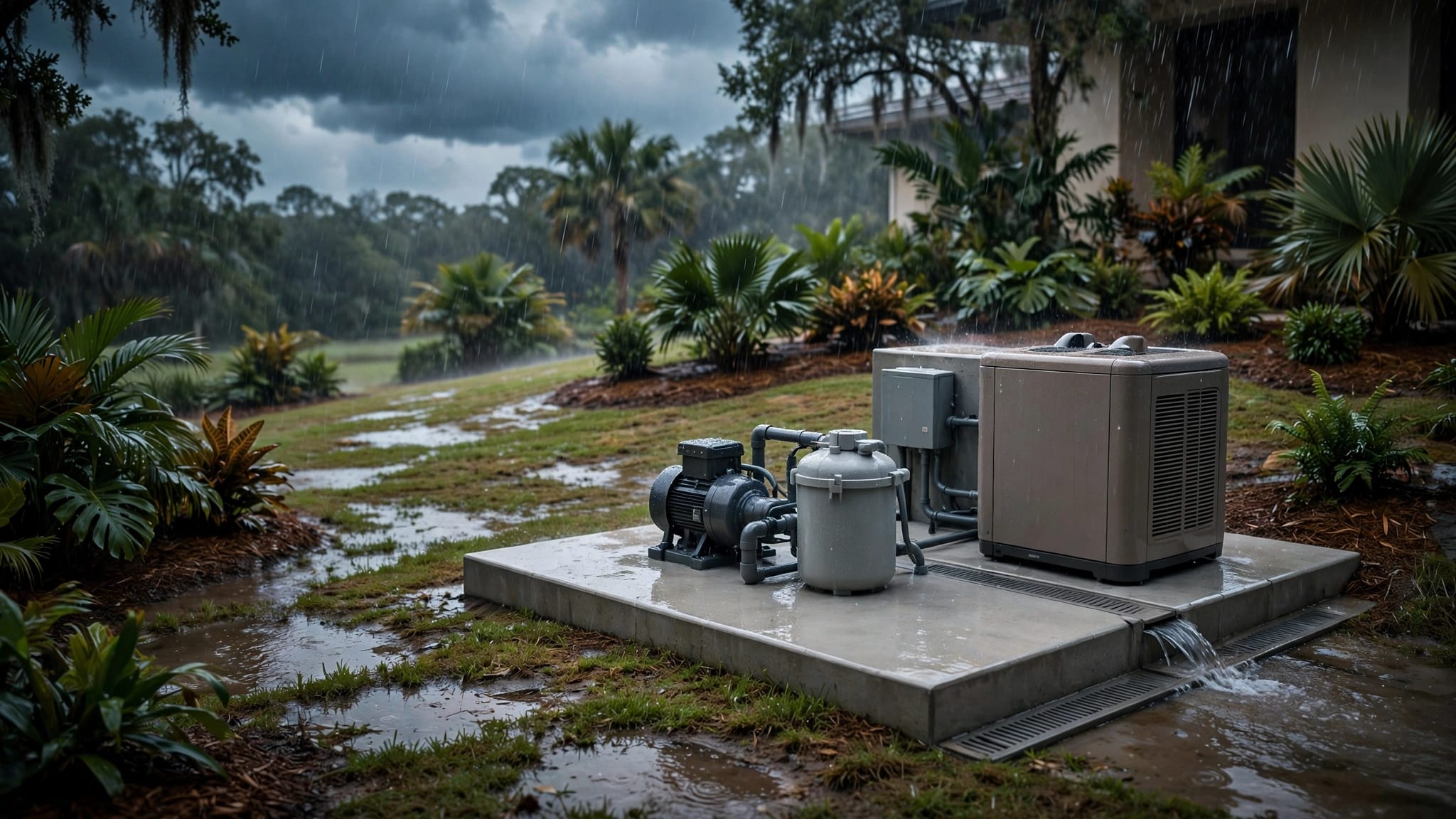
Rain adds fresh water. If a storm raises the water level and pool water leaves through an overflow, the pool can lose dissolved salt along with that water. Draining excess water or replacing water after a repair can have a similar effect.
Rain can also affect sanitizer and pH, while storms add debris that increases the need for cleanup. Once the water has circulated, test what changed rather than assuming every storm requires salt.
Evaporation and refilling
Evaporation removes water but leaves salt behind. Adding fresh water afterward can return the concentration toward its earlier level. By contrast, a leak followed by repeated refilling removes salty water and replaces it with fresh water. A persistent downward trend deserves a closer look.
An enclosure may reduce some windblown debris, but it doesn't make water testing unnecessary. Rain entry, overflow, and water replacement still matter.
Correct a confirmed low reading in measured steps
Start with a reliable test, the generator's specified range, and a sound estimate of pool volume. Use the manufacturer's chart or guidance to determine how much pool-grade sodium chloride the water needs. Choose salt without unwanted additives, and avoid treating the printed bag quantity as a universal dose.
Add a measured amount rather than aiming above the recommended range. Keep the pump running as directed while the salt dissolves, and brush any undissolved salt off the pool finish. Don't pour bags into the skimmer or leave piles sitting on the surface.
Allow complete circulation, then test again before adding more. If the cell still reports low salt while an independent test is within range, stop adding salt and investigate the equipment. During pool renovations and resurfacing, it's also a good time to confirm that equipment records and pool-volume estimates match the finished pool.
Handle a high reading cautiously
An unusually high result deserves confirmation with a fresh sample or professional test. Salt doesn't disappear through evaporation, and there isn't a chemical shortcut that removes excess salt from pool water.
Partial draining followed by fresh-water replacement can lower a confirmed high concentration. Work out the amount using the measured reading, the pool volume, and the generator's range. Avoid draining more than necessary. Emptying a pool can create serious structural risks, especially where groundwater conditions are a concern, so consult a qualified pool professional before a substantial drain.
After refilling, circulate the water and retest. Check the broader water balance too, since replacing pool water can change more than salinity.
Know when the problem needs an equipment check
Call for help when independent tests repeatedly disagree with the controller, a low-salt warning persists despite a confirmed in-range result, or the generator stops producing adequate chlorine. Flow warnings, a pump that won't maintain prime, and visible cell deposits also call for diagnosis rather than another bag of salt.
If you're planning a salt-system installation as part of a pool renovation, confirm the equipment model, water volume, and service access before setting up a testing routine. Those details make future readings easier to interpret and corrections easier to measure.
Key takeaways
- Compare an independent salt test with the range in your installed chlorinator's manual.
- Use a representative sample and follow your test product's directions. Confirm surprising results before changing the water.
- Add salt based on tested salinity and pool volume. Correct excess salt through carefully planned water replacement.
- Cape Coral rain can change the water, but it doesn't change the equipment's recommended range.
Frequently asked questions
Can I rely on my salt chlorinator's display?
Use it as one source of information, not your only test. An independent strip, suitable digital meter, or professional water test can help confirm a warning before you add salt. If the results keep disagreeing, have the equipment checked.
Does heavy rain always lower pool salt?
No. Rain adds fresh water, but the lasting effect depends on what happens next. Overflow, draining, and leaks can remove salt-containing pool water. After the pool has circulated, testing will tell you whether its salinity changed enough to need attention.
Will adding salt fix low chlorine?
Only if insufficient salt is preventing a working generator from operating properly. Low chlorine can also involve pump operation, flow problems, cell condition, or increased sanitizer demand. Test free chlorine separately and check the system before treating salt as the answer.
Conclusion
When a salt alert appears, test before you add . A representative independent reading, matched to your chlorinator's manual, gives you a sound starting point.
Cape Coral weather may change the water you measure. The equipment's recommended range stays the same, so make each correction only after you've confirmed what the pool needs.