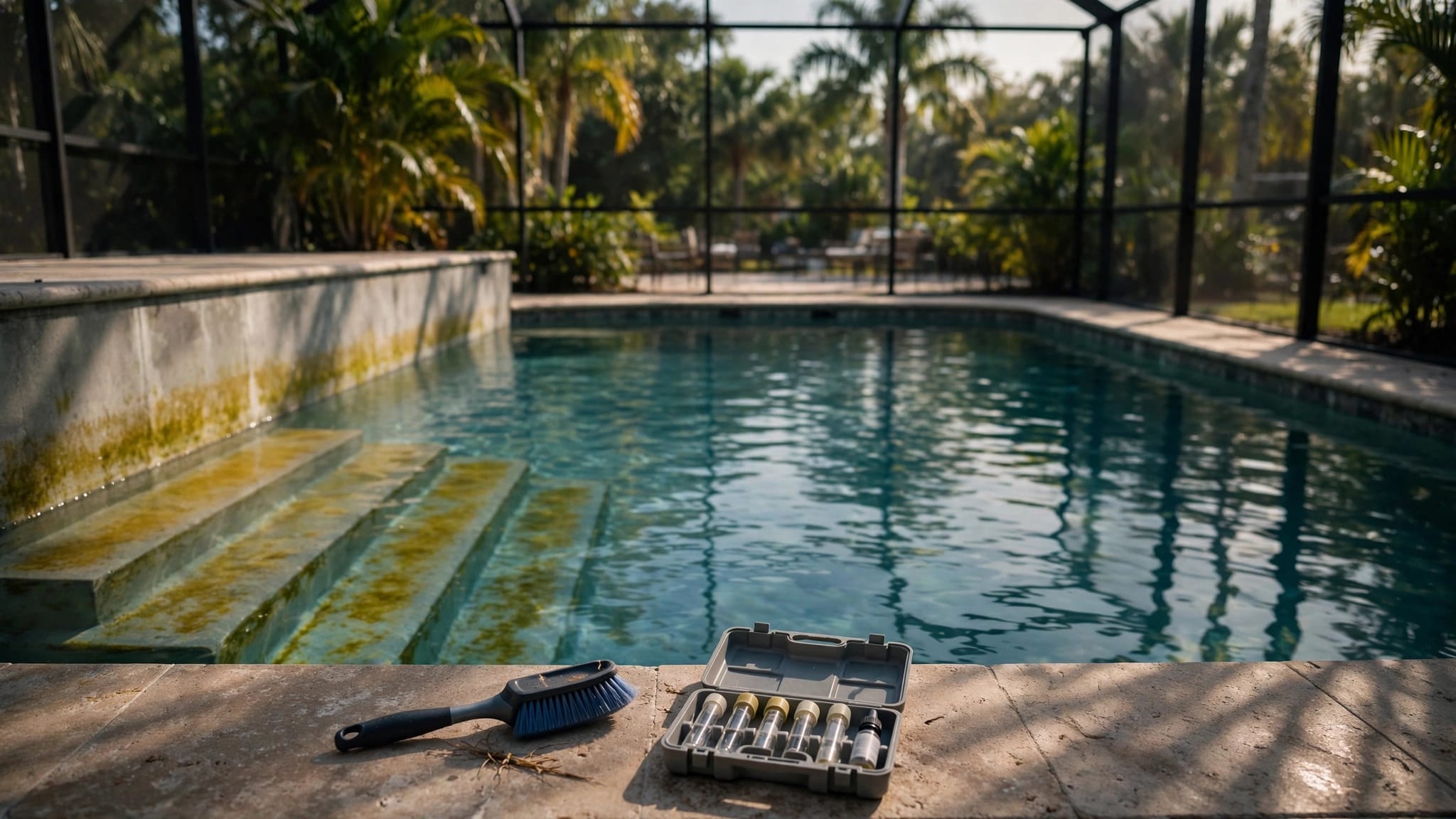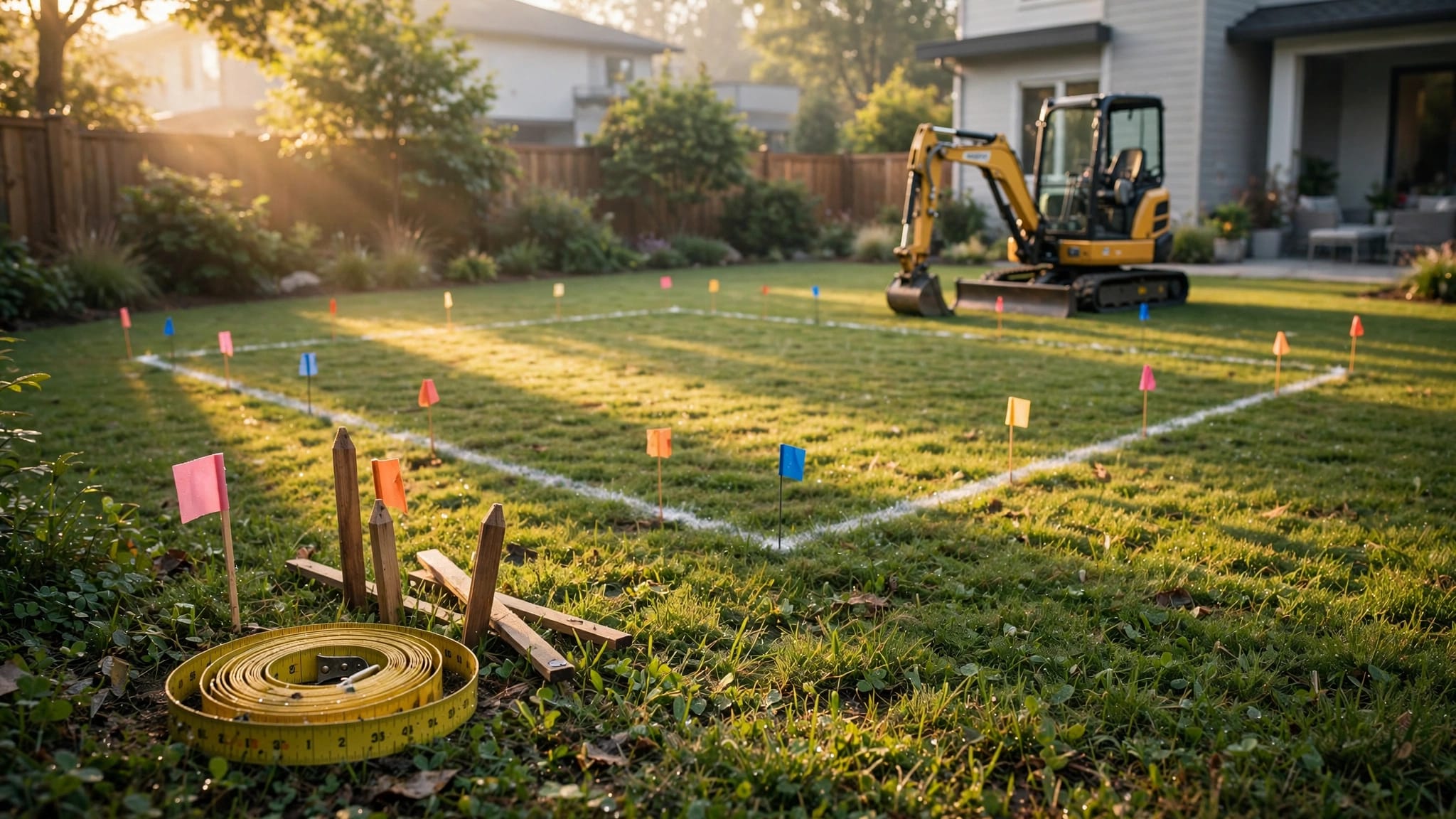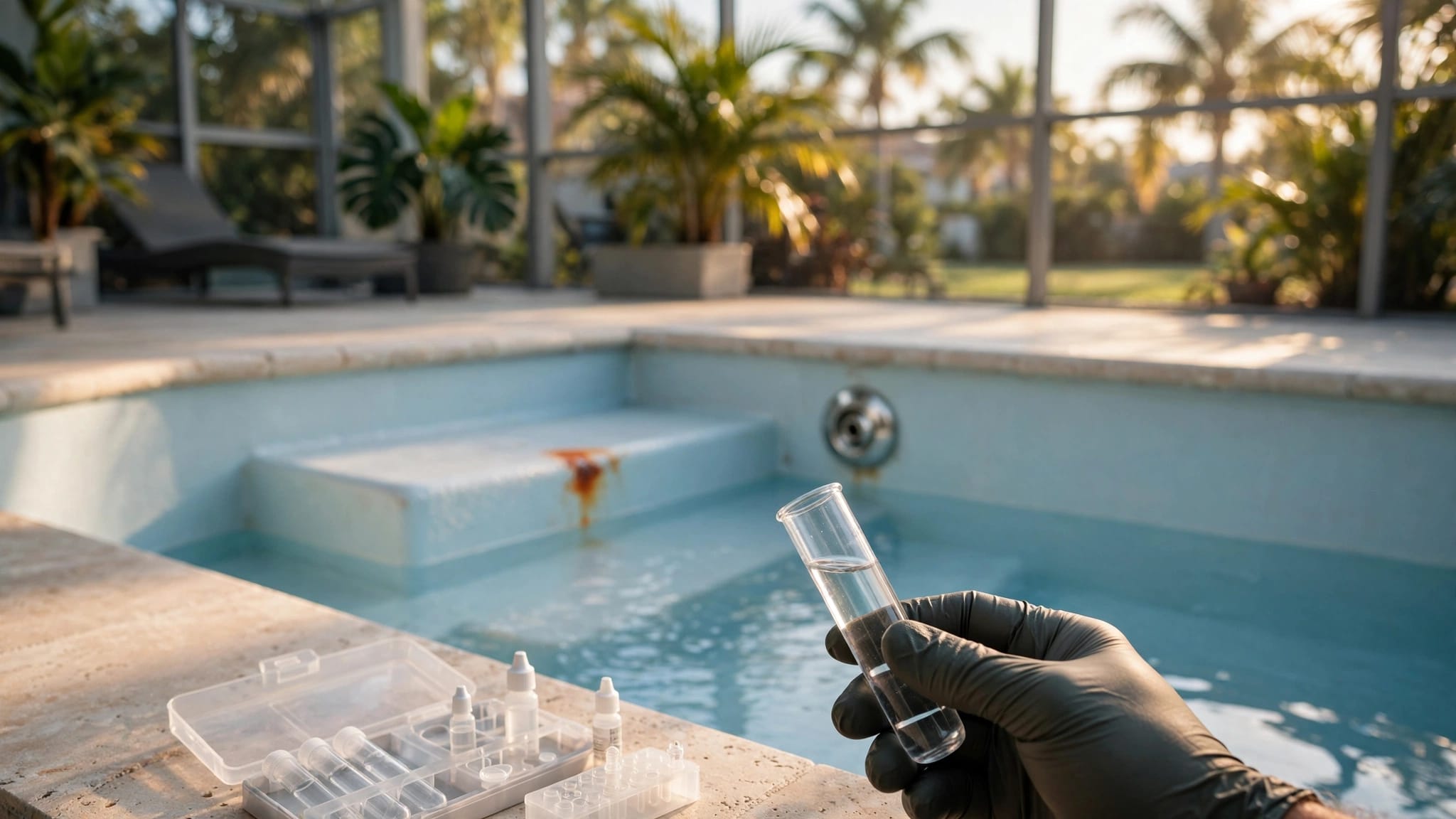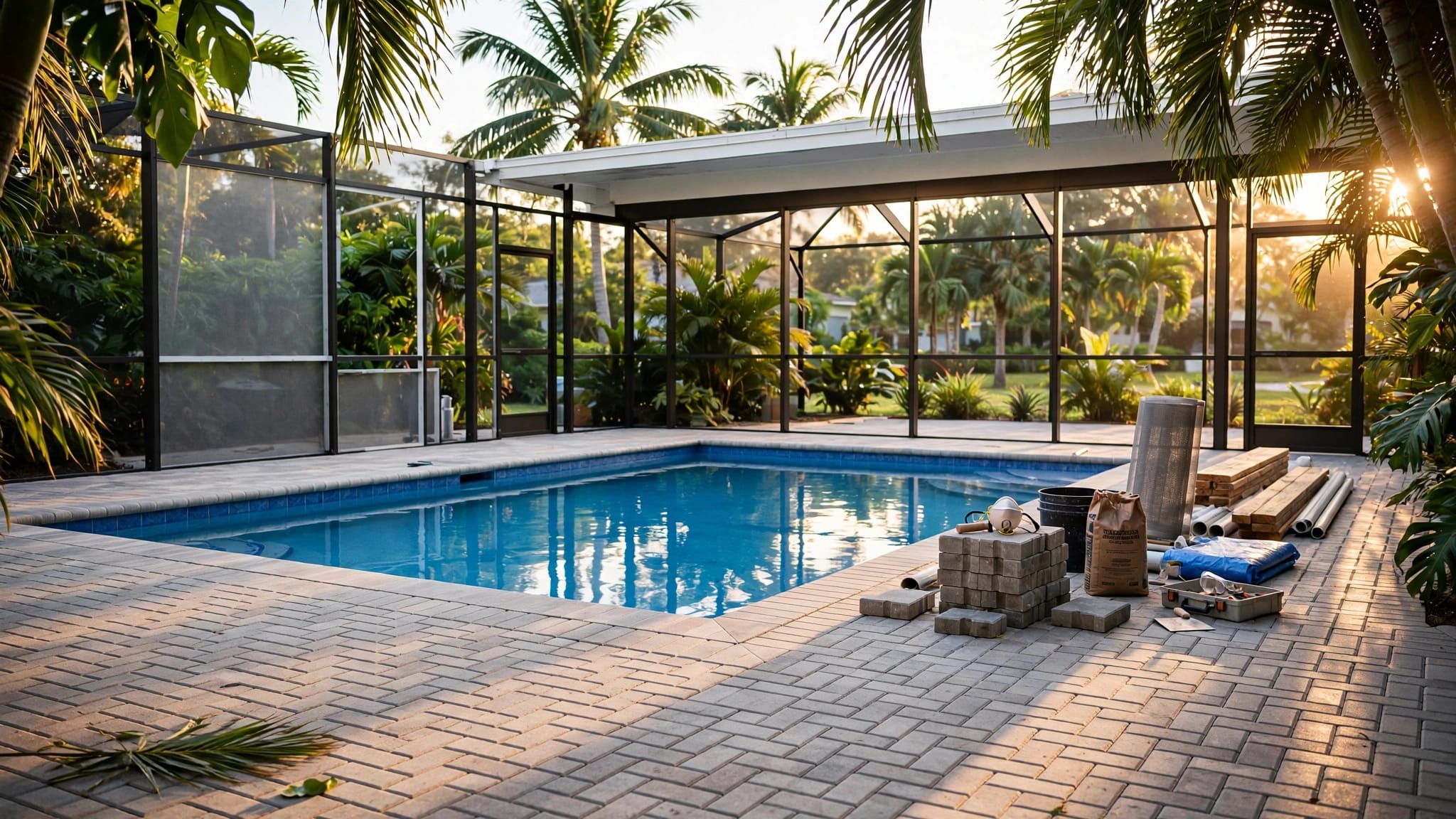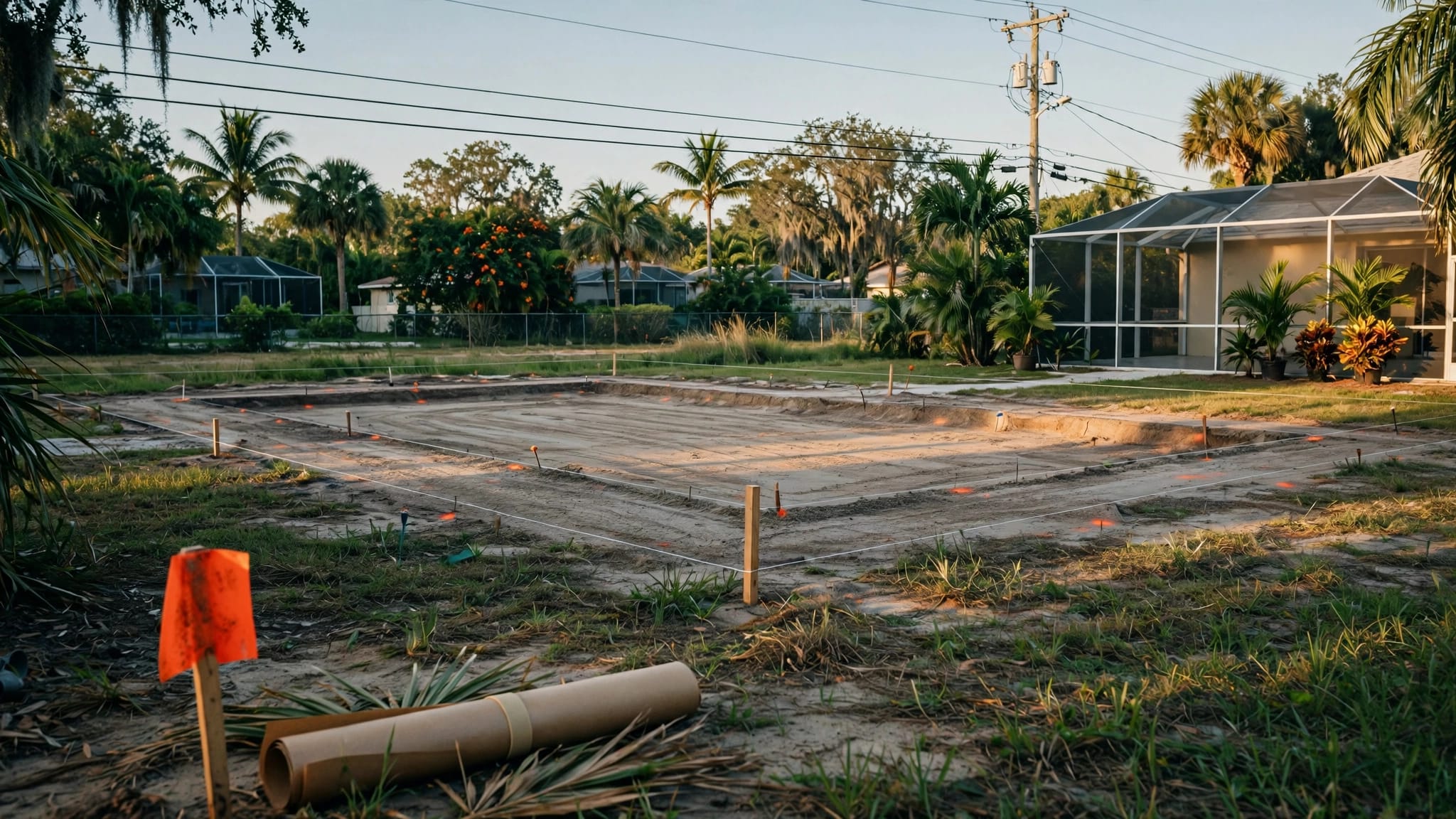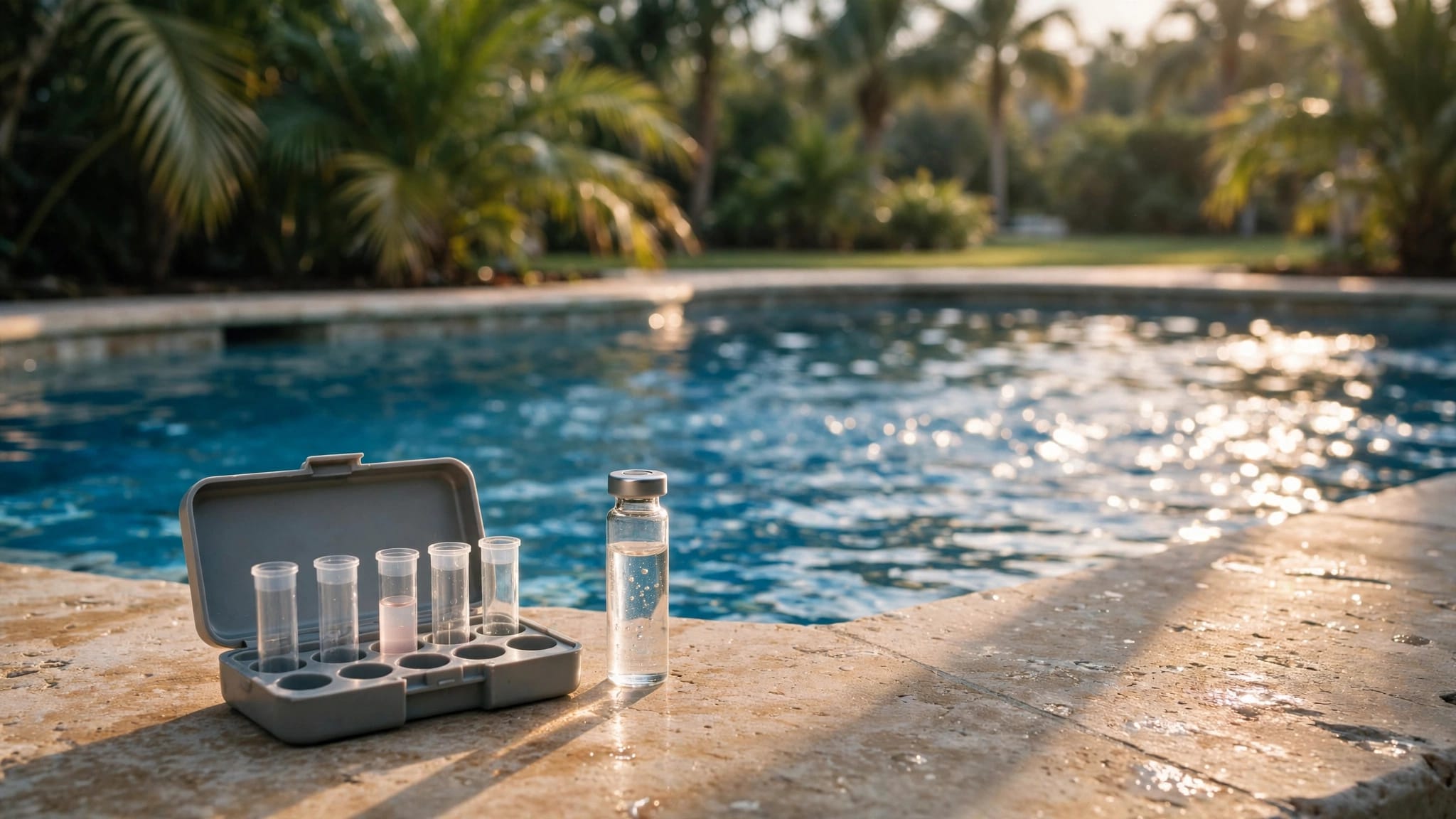
A pool excavation can uncover more than sand and dirt. It can reveal groundwater, loose fill, soft areas, or soil that needs extra support before a new shell goes in.
For most homeowners, pool soil testing does not automatically mean a full geotechnical report. Still, every in-ground pool project needs a careful look at soil, drainage, groundwater, and site conditions before excavation begins.
The right level of investigation depends on your lot, your pool design, and what the builder or engineer finds during planning.
Is Pool Soil Testing Necessary Before Digging?
The clear answer for most pool projects
Pool soil testing is necessary when the site, plans, engineer, or local requirements call for it. A routine backyard with stable, predictable soil may only need an experienced builder's site review, a survey, drainage planning, and excavation-day observation.
However, unusual ground conditions can call for a geotechnical evaluation before equipment arrives. That evaluation may include soil borings, sample collection, groundwater observations, and recommendations for excavation or structural support.
A garden soil test is different. Garden tests measure nutrients and pH for plants. A construction-focused soil investigation looks at bearing strength, soil layers, moisture, fill, and movement risks.
Why Cape Coral lots deserve close attention
Cape Coral's sandy ground and high water table can affect a pool dig. Sand often excavates easily, but it can also shift or cave when groundwater enters the hole. Heavy rain can change conditions in a few hours.
Water near the planned pool depth does not automatically stop a project. It may change the construction plan, including dewatering methods, scheduling, drainage details, or engineering. Learn more about high water table pool construction in Cape Coral before assuming a dry-looking yard will stay dry below grade.
What a Construction Soil Investigation Can Reveal
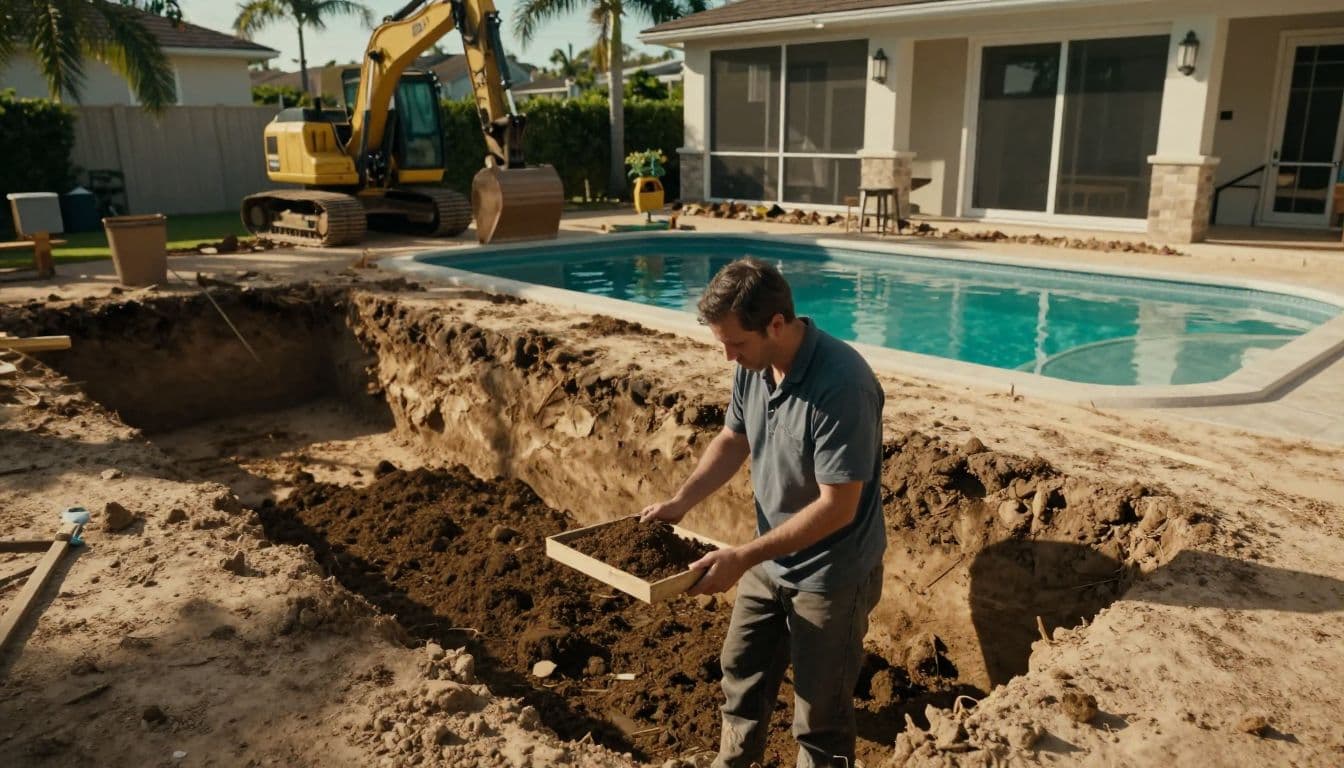
A qualified geotechnical professional studies the ground beneath the proposed pool, not only the soil visible at the surface. That information helps the project team make sound decisions before a deep excavation creates a costly surprise.
Soil layers, fill, and support beneath the pool
A backyard may contain native sand, compacted fill, organic material, clay pockets, construction debris, or remnants of an older structure. These materials do not behave the same way under a pool shell, deck, spa, or screen enclosure footing.
A geotechnical review can identify loose or unsuitable material and recommend whether removal, compaction, replacement fill, or other preparation is appropriate. It can also help an engineer understand how the pool structure should interact with the site.
That work connects with the broader set of details shown in Cape Coral pool engineering plans, including structural notes, drainage, finished grades, and placement.
Groundwater and drainage behavior
Groundwater level matters during excavation and after construction. A crew may encounter water at one depth in the morning, then find different conditions after a storm or seasonal weather change.
Testing and site observations can help identify whether the excavation may need pumps, temporary drainage, or another approach to keep the work area stable. They also help the team avoid directing runoff toward the home, a neighboring lot, or a low spot beside the deck.
A dry lawn does not prove dry conditions at pool depth. Groundwater can sit well below the surface until excavation reaches it.
Soil Testing Is Different From Surveys, Utilities, and Permits
Several pre-construction steps happen around the same time, so it is easy to treat them as one task. They answer different questions, and each one matters.
Four checks that protect different parts of the project
| Pre-construction step | What it confirms | What it does not confirm |
|---|---|---|
| Soil investigation | Ground conditions, fill, moisture, and support concerns | Property lines or buried utility routes |
| Property survey | Lot lines, easements, setbacks, and existing features | Soil strength or groundwater depth |
| Utility locating | Approximate locations of marked public utility lines | Private irrigation, landscape lighting, or every underground line |
| Permit review | Whether plans meet current local submittal requirements | Whether hidden soil conditions will appear during digging |
A current survey helps place the pool, deck, equipment, and cage within the available space. It can also reveal an easement that is invisible in the yard. Review pool survey requirements in Cape Coral early, especially when the layout sits close to a property line, canal, or utility area.
Utility locating is also separate from soil work. Contact Florida 811 before digging so participating public utilities can mark their lines. Tell your builder about sprinkler pipes, low-voltage lighting, drain lines, septic components, and other private systems that may not receive a public utility mark.
What Can Happen If You Skip Appropriate Testing
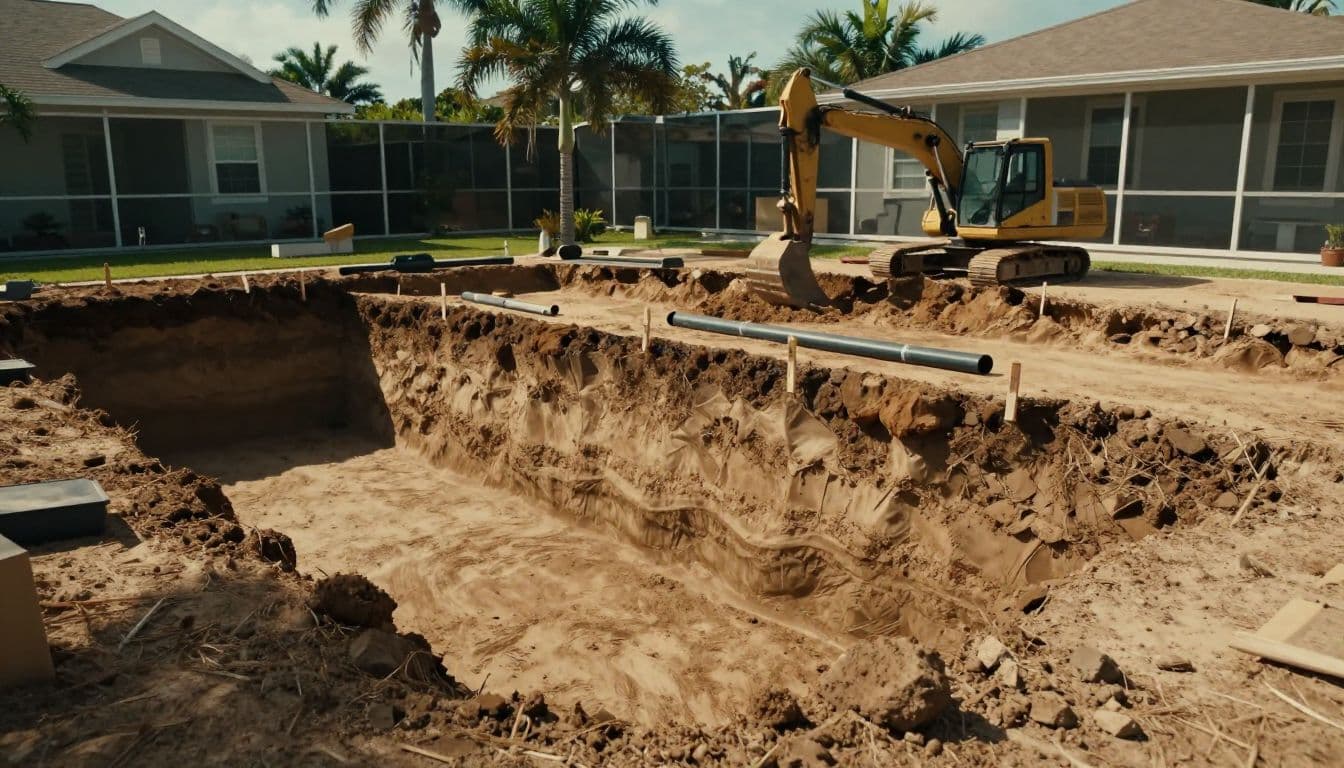
Skipping a needed soil evaluation does not always lead to trouble. Yet when hidden conditions appear after machinery is on site, the project may need a pause while the builder, engineer, and homeowner decide how to proceed.
Mid-project changes can add time and expense
Loose fill, unstable excavation walls, buried debris, or standing groundwater may require extra excavation, imported material, pumping, revised structural details, or a change in construction sequence. Those adjustments can affect schedule and cost.
A pool contractor cannot see every condition below the surface during an estimate. Clear site information before the dig gives everyone a better basis for planning, rather than making decisions with an open hole in the backyard.
Drainage issues can follow the work home
Poor grading can leave water against the home, under a deck, or in a muddy strip beside the pool enclosure. Existing low areas are a useful clue, especially if your yard stays soggy after typical summer rain.
Soil testing has limits. It does not replace a drainage plan, a survey, proper compaction, inspections, or construction methods suited to the approved design. It is one part of a larger site-preparation process.
Warning Signs That Warrant Geotechnical Advice
A qualified pool builder may recommend geotechnical guidance after an on-site visit. In other cases, your engineer may request it before finalizing plans.
Conditions that deserve a closer look
Consider asking about a professional soil evaluation when your property has one or more of these conditions:
- Water appears in shallow holes, drainage ditches, or low areas after ordinary rain.
- The yard contains visible depressions, unexplained settlement, or areas that feel unusually soft underfoot.
- You know the lot was built up with fill, or an older building, pool, septic system, or large concrete area was removed.
- The proposed pool sits near a seawall, retaining wall, canal edge, steep grade change, or the home's foundation.
- The property has peat, organic soil, clay-like material, construction debris, or mixed soil layers exposed in nearby work.
- A previous pool, patio, or enclosure has shown cracking or settlement that needs an explanation before renovation.
A geotechnical engineer can recommend a scope that fits the concern. Sometimes that means borings and a written report. Other times, a focused site visit or review of existing information may be enough.
Because local rules and site conditions vary, confirm expectations with your building department, pool contractor, and qualified engineering professionals before excavation is scheduled.
A Practical Pre-Excavation Checklist for Homeowners
Good planning starts before the excavator reaches the gate. Use this list during your estimate and design meetings so soil concerns do not get lost among tile samples and pool features.
Questions to settle before the dig date
- Ask whether the builder has seen signs of groundwater, loose fill, poor drainage, or unusual soil on the property.
- Share any history of standing water, prior construction, buried debris, sinkholes, settlement, or past drainage repairs.
- Confirm that the pool layout matches a current survey, including setbacks, easements, equipment placement, deck space, and screen enclosure plans.
- Arrange utility locating and identify private systems, such as irrigation lines, well equipment, landscape wiring, and drainage pipes.
- Ask whether the pool plans require engineering notes, soil information, dewatering, or special site preparation.
- Verify current Cape Coral pool permit requirements with the local building department before construction starts.
- Keep access routes clear and point out wet spots, valves, fragile landscaping, and areas where heavy equipment should not travel.
A thoughtful walk-through can catch practical issues that paperwork cannot. It also gives you a chance to discuss where excavated soil will go and how the crew will reach the backyard.
If you are planning a new pool, resurfacing project, or enclosure upgrade, Get a Free Estimate to discuss the condition of your yard and the work your project may need before excavation.
Build the Pool on a Clear Picture of the Site
A beautiful in-ground pool starts with more than a good design. It needs a realistic understanding of the ground beneath it, the water around it, and the limits of the property.
Pool soil testing is not mandatory for every backyard, but skipping a needed evaluation can turn hidden ground conditions into a late-stage problem. Ask direct questions early, verify local requirements, and bring in geotechnical advice when the site gives you a reason to look closer.