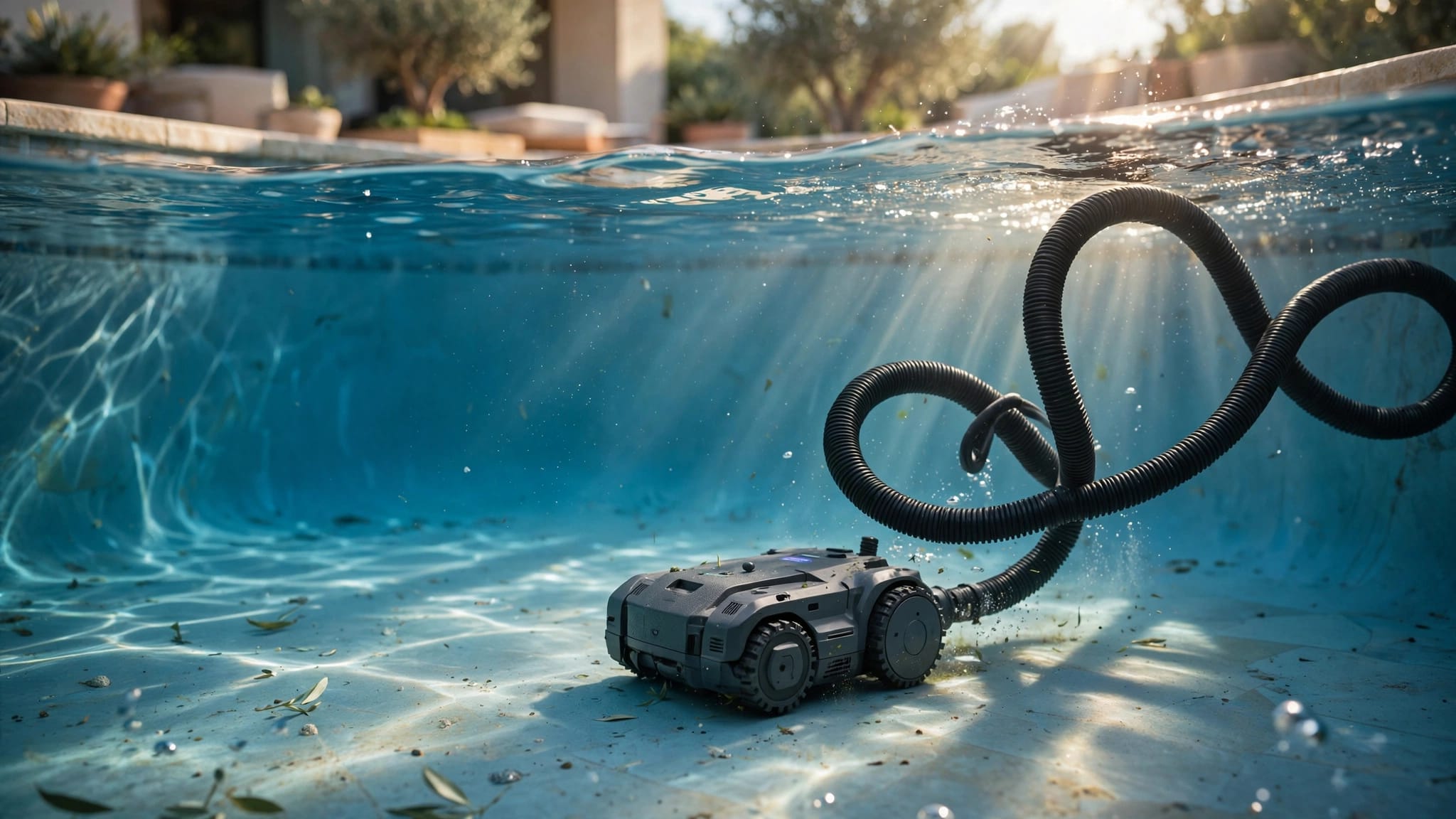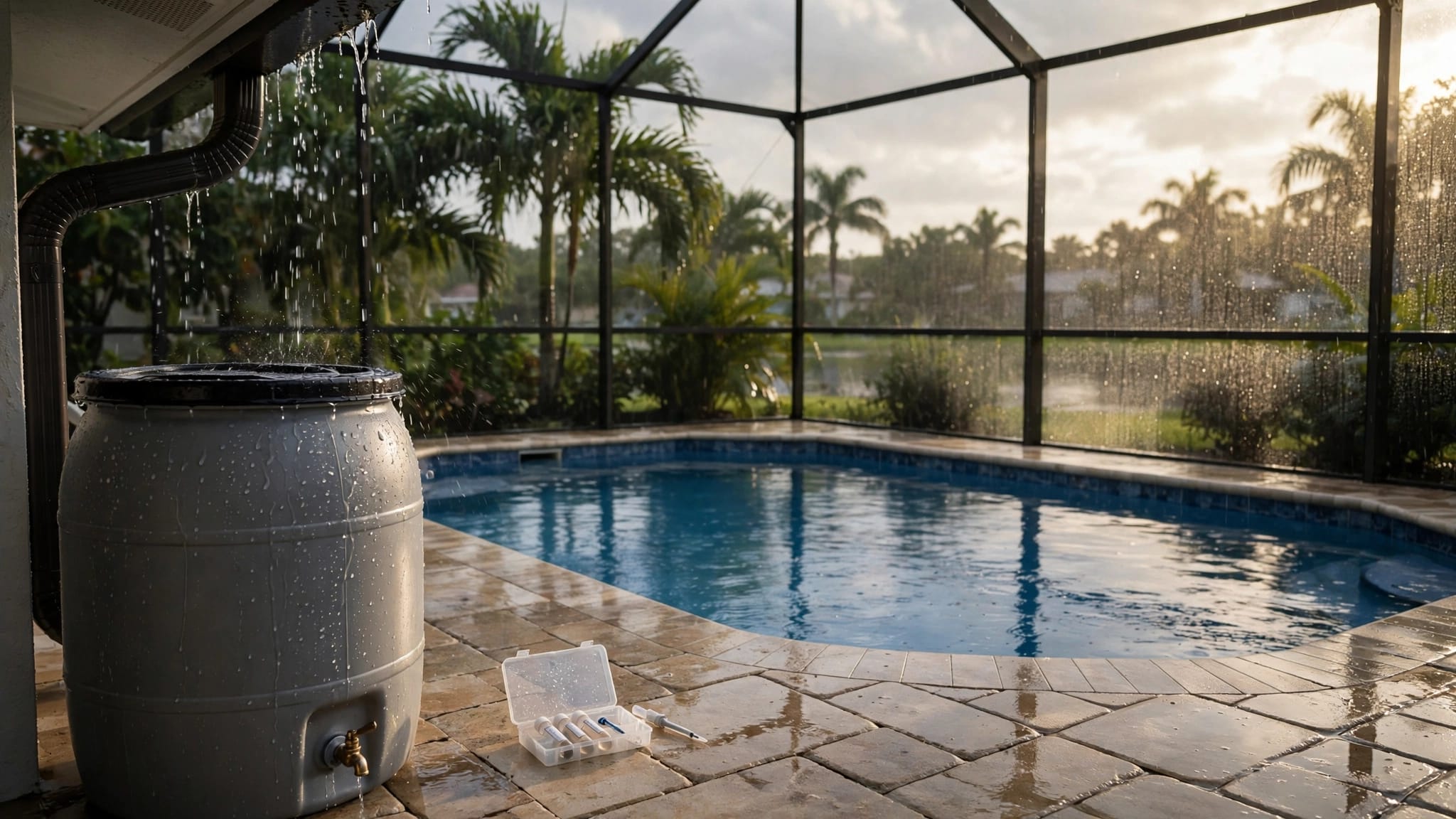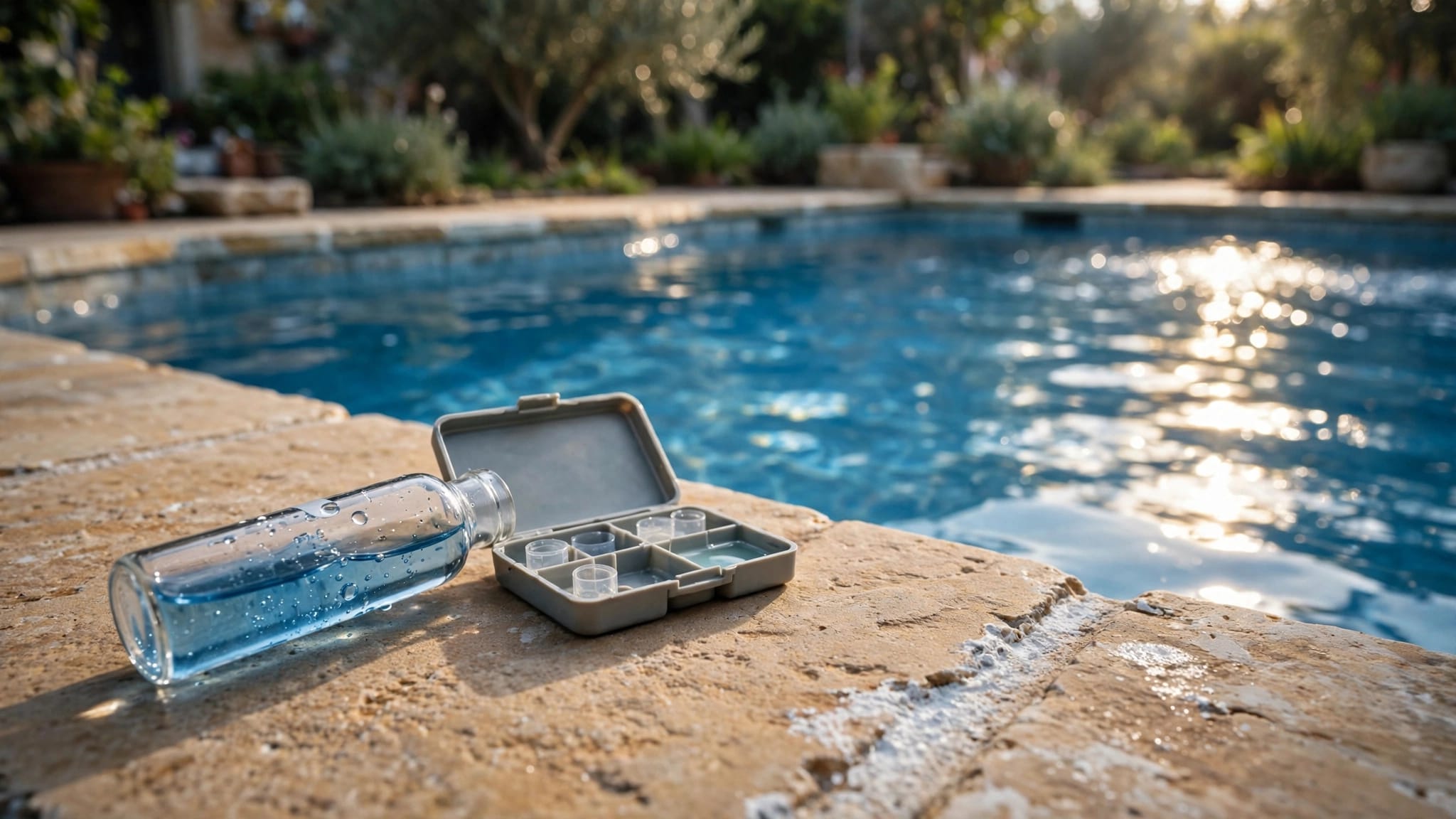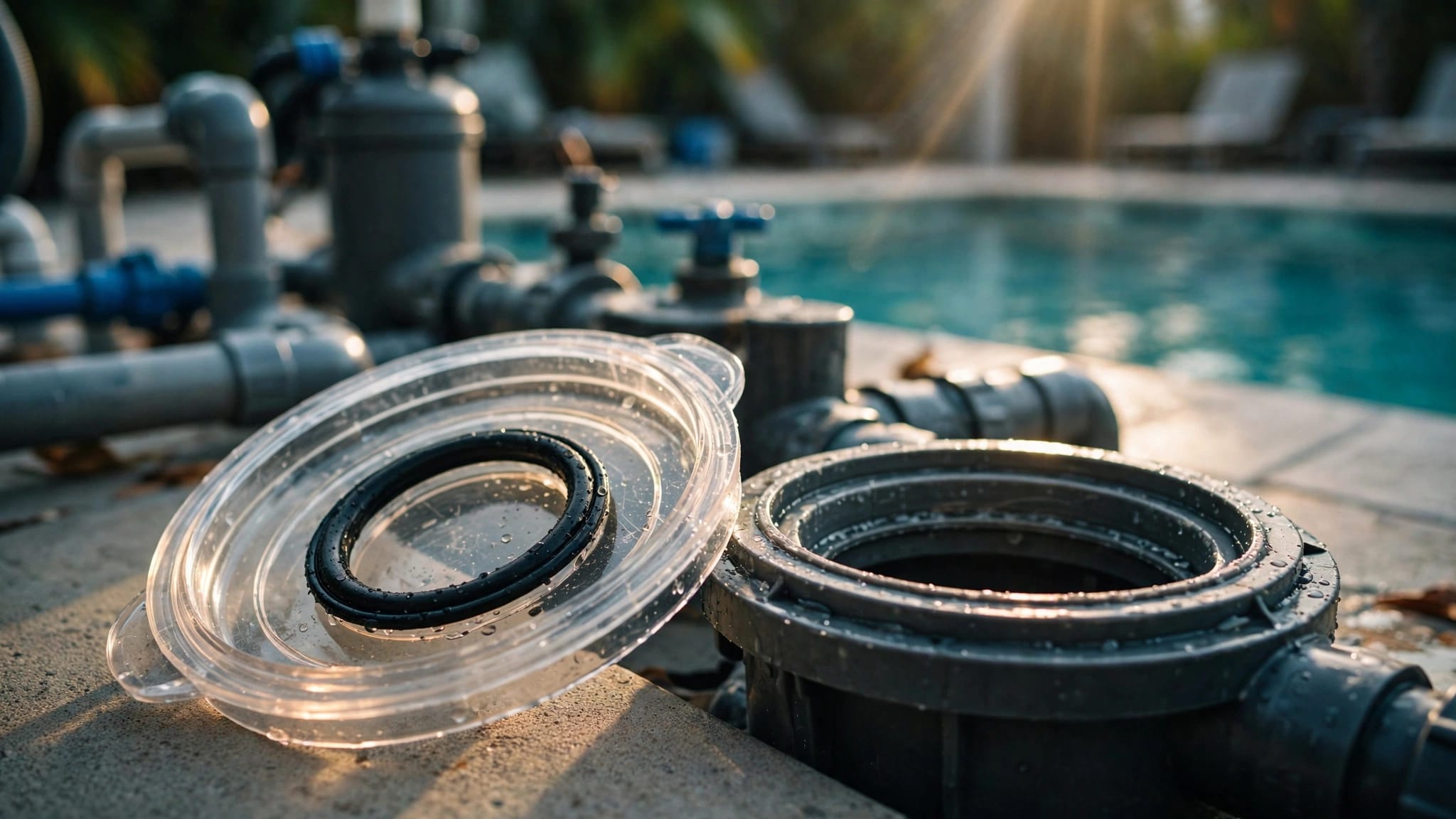
Weak spa jets often come down to a simple flow problem, such as low water, a full skimmer basket, or a valve set for pool circulation. Start with what you can see before assuming the pump needs repair.
A connected pool and spa can share equipment, so the setting that works for the pool may not produce strong spa jets. Safety comes first: if the pump runs dry, the equipment leaks, or you hear grinding, switch the system off and arrange service.
Key Takeaways
- Compare all spa jets and pool returns to see whether the problem affects one outlet or the whole system.
- Check water levels and visible debris before looking at pump settings or valve positions.
- Compare filter pressure with the clean reading for the same operating mode and pump speed.
- Use a known spa setting rather than guessing at diverter valves or forcing an actuator.
- Stop the pump and call a professional if it loses prime, runs dry, leaks, or makes unusual noises.
Start With the Water Level and Jet Pattern
Before touching equipment, look at the pool and spa while the system operates in its usual spa mode. These observations can help narrow down where the flow changes.
Look at the Pool and Spa Water Levels
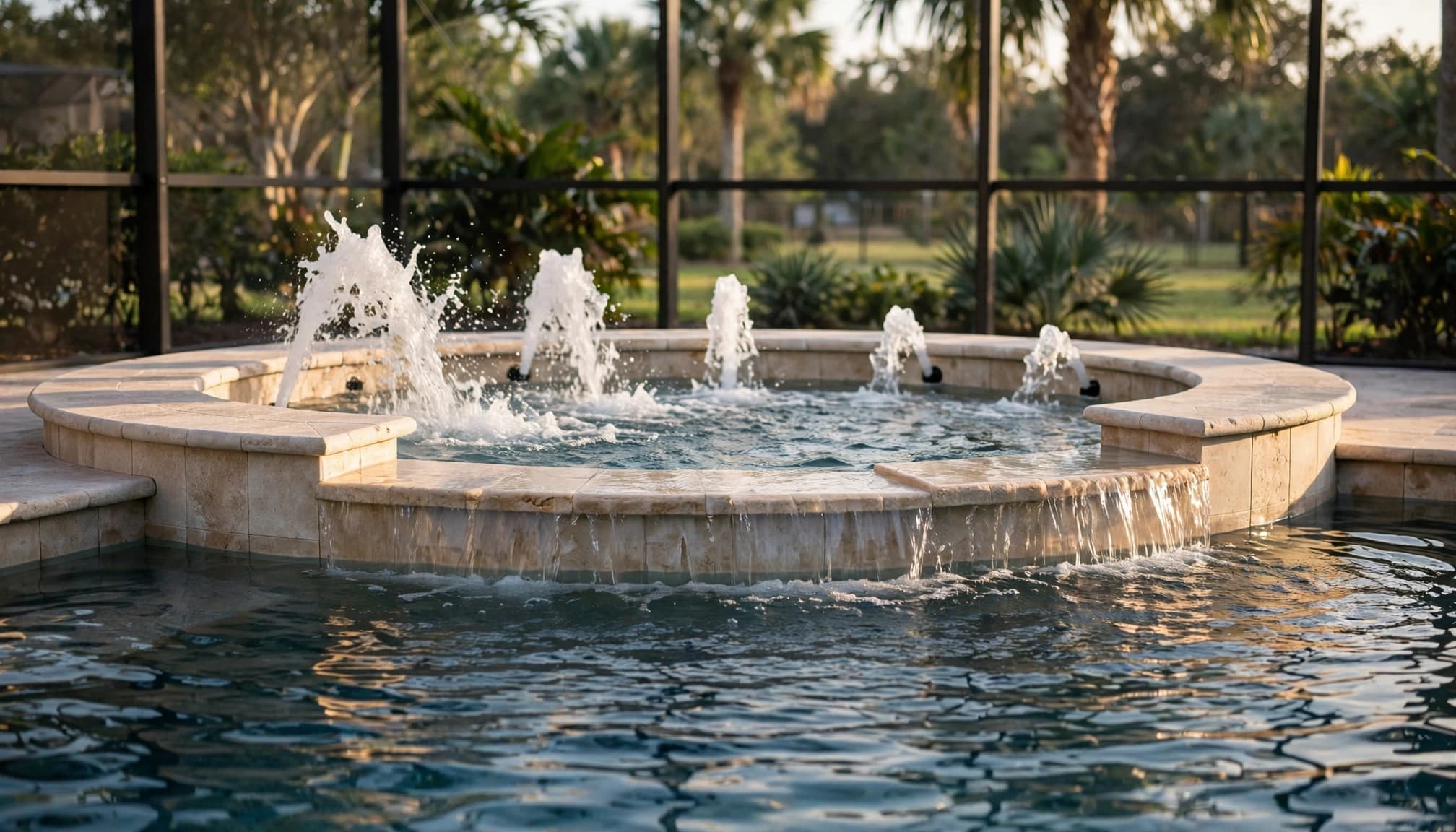
For many pools, water should sit around the middle of the skimmer opening. If the level drops too low while the skimmer line is drawing water, the pump can pull in air and lose prime.
Add water if needed, following your pool's normal operating range. In a connected spa, also look for an unusual water-level drop when spa mode starts. Stop the system if the pump begins drawing air or the spa level keeps falling.
Compare Jets With One Another
Watch each spa jet without placing your hands or objects over any suction fitting. If one outlet is weak while nearby jets look normal, the issue may be local to that jet or its branch of plumbing.
When all spa jets are weak, look at the shared equipment and settings first. Also notice whether pool returns have normal flow when the system is in pool mode. Some pool returns may slow or stop in spa mode by design, so compare each mode with its usual performance.
Clear Debris From the Skimmer Area
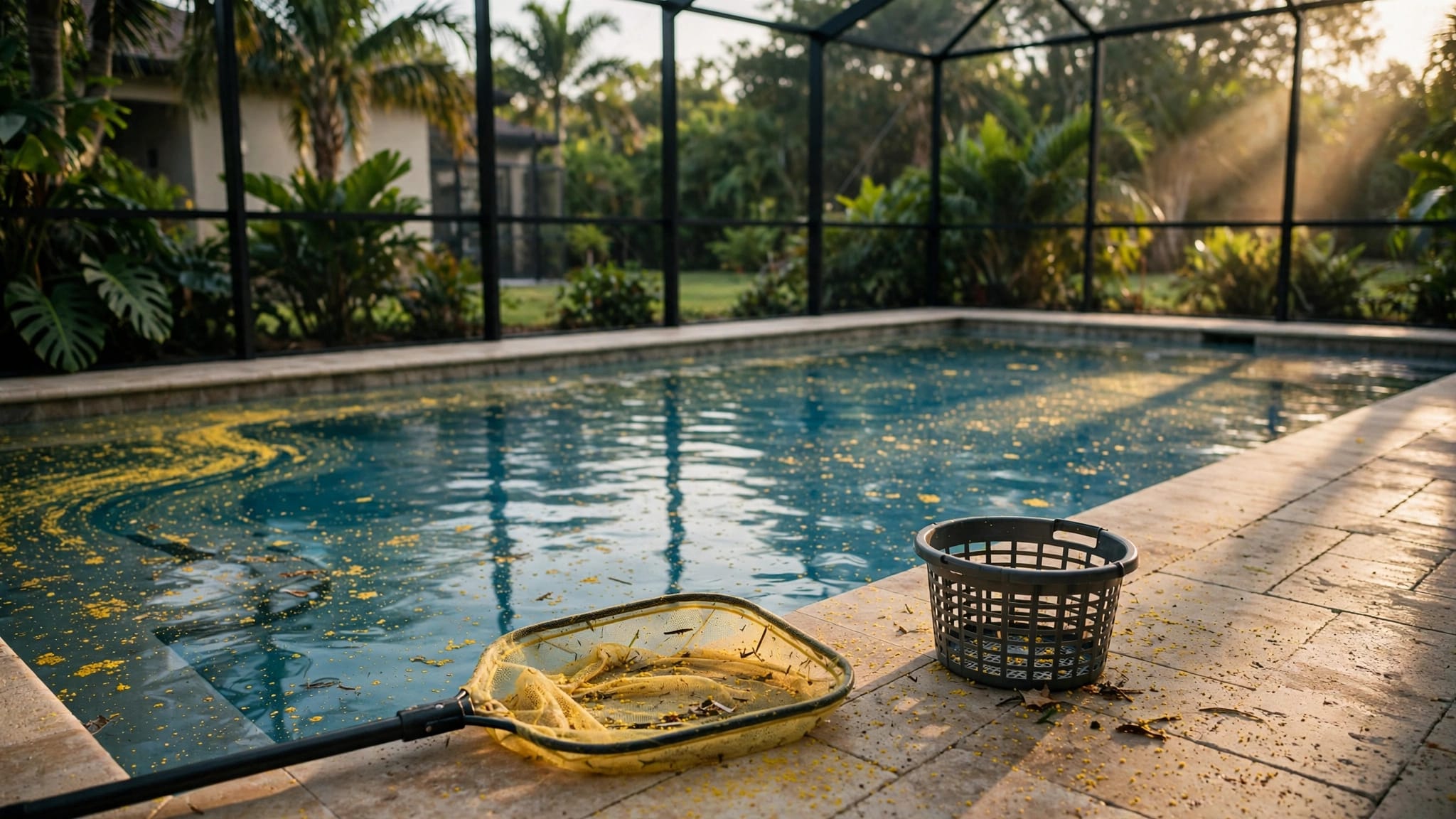
Leaves and other debris can restrict water reaching the pump. Cape Coral pools collect material after storms and yard work, even when a screen enclosure keeps out larger debris.
Turn off the pump and shut off its power before removing an accessible skimmer basket. Wait until water movement stops, then lift out the basket and empty it. Keep your hands out of the suction opening beneath it, and replace the basket before restarting the system.
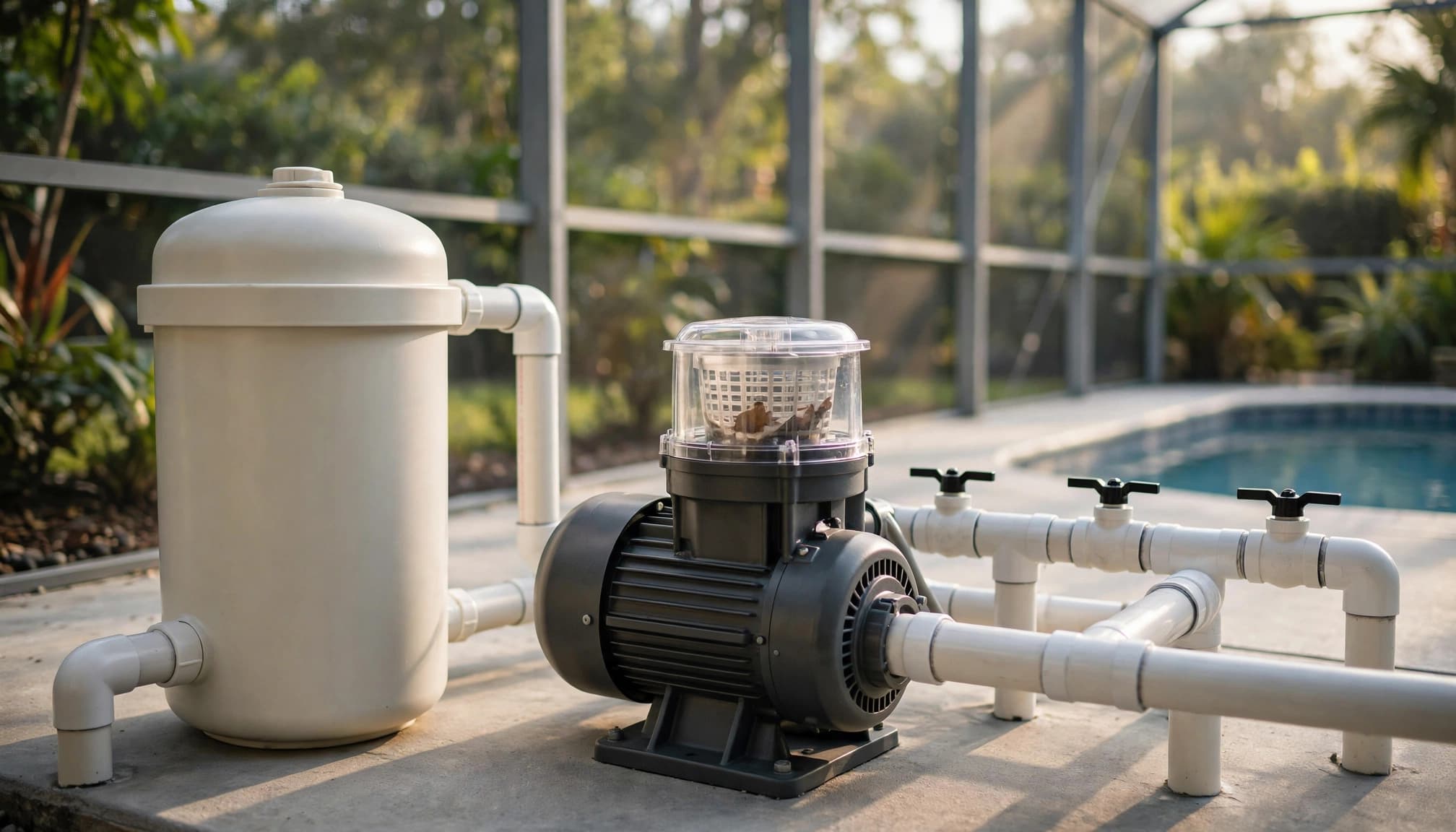
Look through the pump's clear strainer lid, if it has one. A basket packed with leaves or debris can also restrict flow. If it needs cleaning, have a pool professional handle it if you're not comfortable with the equipment. Don't reach toward the pump impeller or dismantle unfamiliar parts.
After clearing the skimmer basket, restore the usual setting and observe the jets. If the improvement doesn't last, note how quickly the basket fills again. Frequent debris buildup may point to a maintenance issue that needs attention.
Our guide to pool equipment checks before leaving town covers other visible signs to watch around the equipment pad.
Read the Filter Pressure in Context
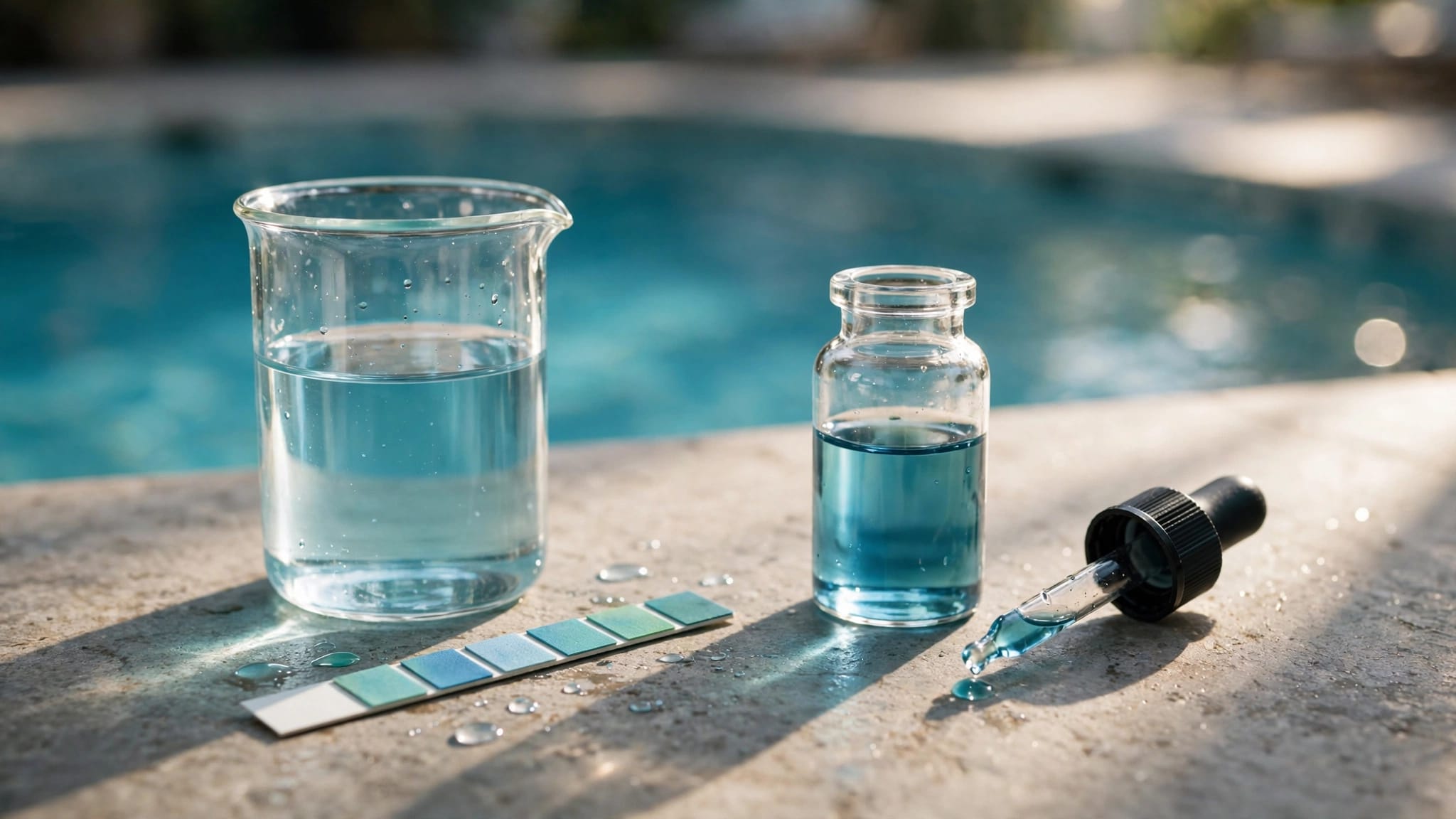
A dirty filter can reduce water flow to spa jets, but a pressure reading only helps when you have a useful comparison. Use the reading recorded after the filter was cleaned and the system was running normally.
Compare readings at the same pump speed and operating mode . Spa mode may route water through different plumbing than pool mode, so a pool-mode reading isn't necessarily a useful spa-mode baseline.
Higher-than-normal pressure can point to a dirty filter or a restriction on the return side. Lower pressure can accompany low water, a blocked basket, an air leak, or poor pump priming. The gauge itself can also be inaccurate.
Follow the manufacturer's cleaning instructions for your filter type. Cartridge filters aren't backwashed. If you're unfamiliar with filter maintenance, arrange service rather than opening the tank or changing settings by trial and error.
Observe How the Pump Runs
The pump should move water steadily once it has started and primed. You can check its behavior without opening the equipment.
Watch for Air and Listen for Noise
A small air pocket may appear briefly during startup. Persistent bubbles, a falling water level under the clear strainer lid, or surging return flow deserve attention.
Listen for grinding, rattling, or a gravel-like sound. Turn the pump off if it can't maintain water in the strainer housing, loses return flow, or appears to run dry. Continuing to run without enough water can damage pump components.
A suction-side air leak is one possible cause, but low water or a restriction can produce similar symptoms. A technician can identify the source without replacing parts based on a guess.
Compare the Normal Pool and Spa Settings
Some spas use a separate jet pump. Others share a variable-speed pump with the pool and use a higher programmed speed for spa operation. A filtration schedule may therefore produce gentler jets than the usual spa setting.
Select the system's known spa mode if you're familiar with the controls. Don't keep increasing pump speed to overcome poor flow. If the normal setting no longer works, record the mode and any error message for the service technician.
Check Diverters and Spa Mode
Valve positions determine where the pump draws water and where that water returns. A connected spa often needs a matched setup that draws from the spa and directs water back through its jets. The exact arrangement depends on the plumbing.
Use a Known Setting, Not a Guess
Look for labels or a familiar automation setting that identifies spa operation. If you're unsure which line a valve controls, leave it alone. Changing only one valve in a connected system can cause the spa to drain into the pool or allow the pump to pull in air.
On some diverter valves, an "OFF" marker indicates the port being blocked. Designs differ, so don't assume the handle points toward an open pipe. Never close every suction or return path, and don't force a stiff valve.
Our guide to pool and spa valve settings covers common arrangements and the role of suction and return valves.
Consider Automation and Water Features
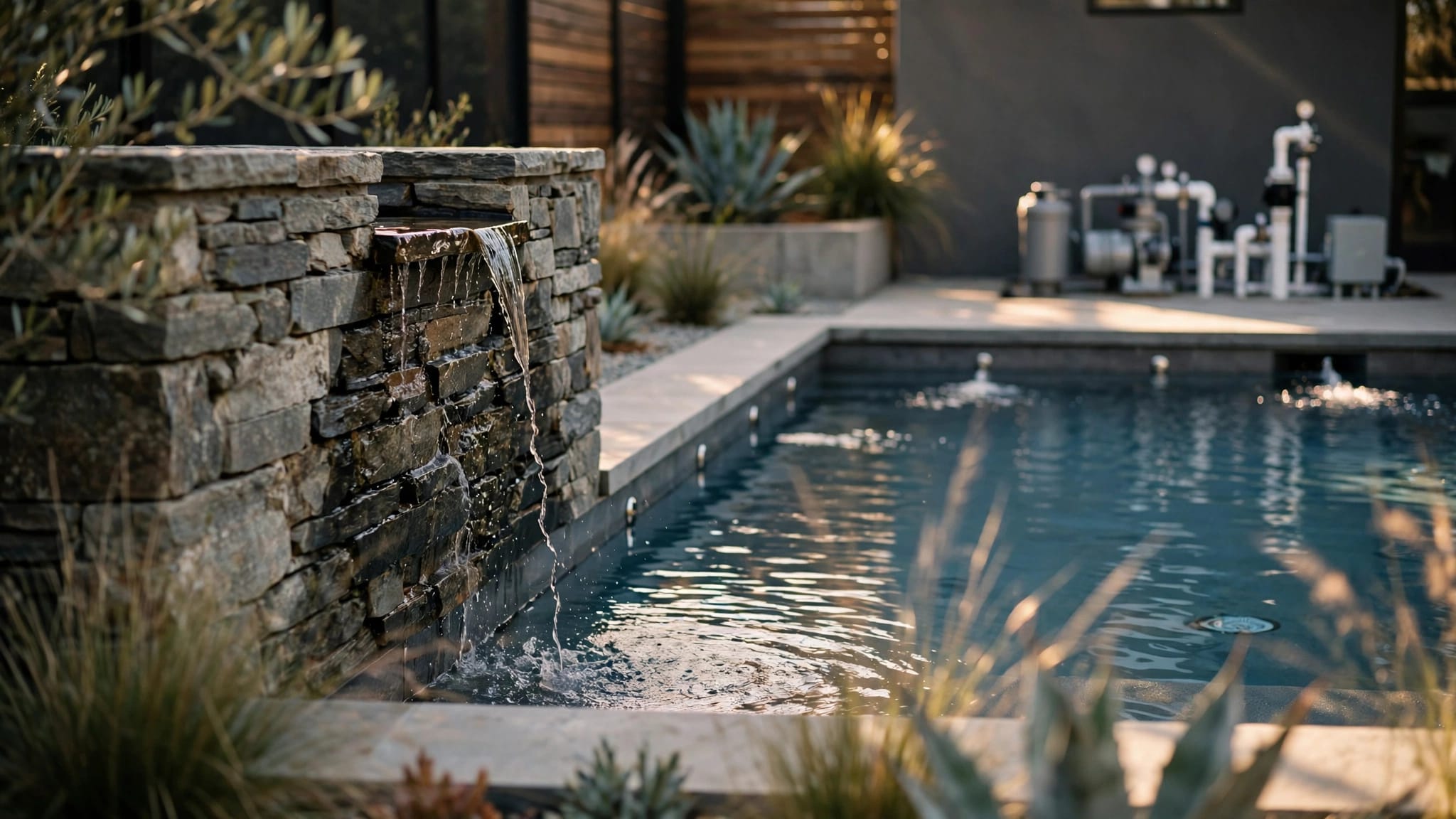
Motorized valves can change position when a schedule or spa command runs. A waterfall or other feature may also share available return flow, depending on the system.
If the jets weaken only when another feature operates, note the combination. Likewise, tell a technician if a motorized valve doesn't appear to reach its usual position. Don't force the actuator or try to rewire it.
Automated pool and spa controls can manage several settings, but a programmed mode still depends on the equipment and valves working properly.
Look at Air Controls and Individual Jets
Some spa jets mix air with water to create a more vigorous sensation. If the water stream is steady but feels less bubbly, an air control or blower setting may have changed. Use the familiar control setting and see whether the sensation returns.
A single weak jet calls for a closer visual look. Debris may be visible at the outlet, or an adjustable jet may have moved from its usual position. Avoid forcing the fitting, inserting tools, or removing a jet assembly underwater.
If one jet remains weak while its neighbors work normally, a professional can inspect that outlet and its plumbing. The problem may sit beyond what you can see.
Know When to Stop and Call a Professional
Some symptoms need more than routine checks. Switch off the pump and arrange professional help if you notice:
- A pump that repeatedly loses prime, runs dry, or makes loud grinding or rattling sounds.
- Persistent air bubbles after you've addressed the water level and obvious basket debris.
- Water leaking around the pump, filter tank, valves, or visible plumbing.
- An electrical problem, damaged cord, or recurring equipment error.
- Pressure that remains abnormal, or weak flow that continues after the basic checks.
A raised spa that suddenly drains differently after shutdown may also need attention. A failing check valve is one possible cause of backflow, although other plumbing issues can produce similar symptoms. Learn more about signs of a failing pool check valve.
For persistent flow problems, a qualified pool service professional can inspect the pump, plumbing, filter, and valves. If you're planning a pool renovation or equipment changes in Cape Coral, we can discuss the circulation setup as part of the project. Get a Free Estimate to schedule an on-site consultation.
Frequently Asked Questions
Why Are All My Spa Jets Weak at Once?
Low water, a blocked basket, a dirty filter, an incorrect operating mode, or a pump problem can affect several jets at once. Start with the water level and visible debris, then compare the normal spa setting and filter pressure. Those checks help narrow the possibilities without establishing a diagnosis.
Can a Dirty Filter Cause Weak Spa Jets?
Yes. Debris trapped in the filter can restrict circulation and reduce flow to the jets. A pressure rise above the clean baseline may be a clue, but a return-side restriction can also raise pressure. Use the cleaning method for your filter type, and seek service if flow doesn't improve.
Why Does My Spa Feel Less Powerful Than the Pool Returns?
The pool and spa may use different valve positions, pump speeds, or equipment. Compare each with its usual performance in its normal mode. If the spa used to feel stronger under the same setting, note the change for a technician.
Keep Spa Flow Checks Simple and Safe
Start with the water level, visible debris, and the jet pattern. Then look at the filter reading, pump behavior, and known spa setting. Each observation gives you a clearer picture without taking equipment apart.
Stop the system when it runs dry, leaks, or makes unusual noises. A professional inspection is the right next step when simple checks don't restore normal flow.