Cloudy spa water calls for a separate look, even when the pool beside it appears clear. Start by keeping people out of the spa, then test the water and examine how the spa's circulation and filtration operate.
The pool's appearance alone doesn't tell you whether the spa water is ready to use. System configuration matters, so begin by identifying how your spa operates.
Start with the Pool and Spa Setup
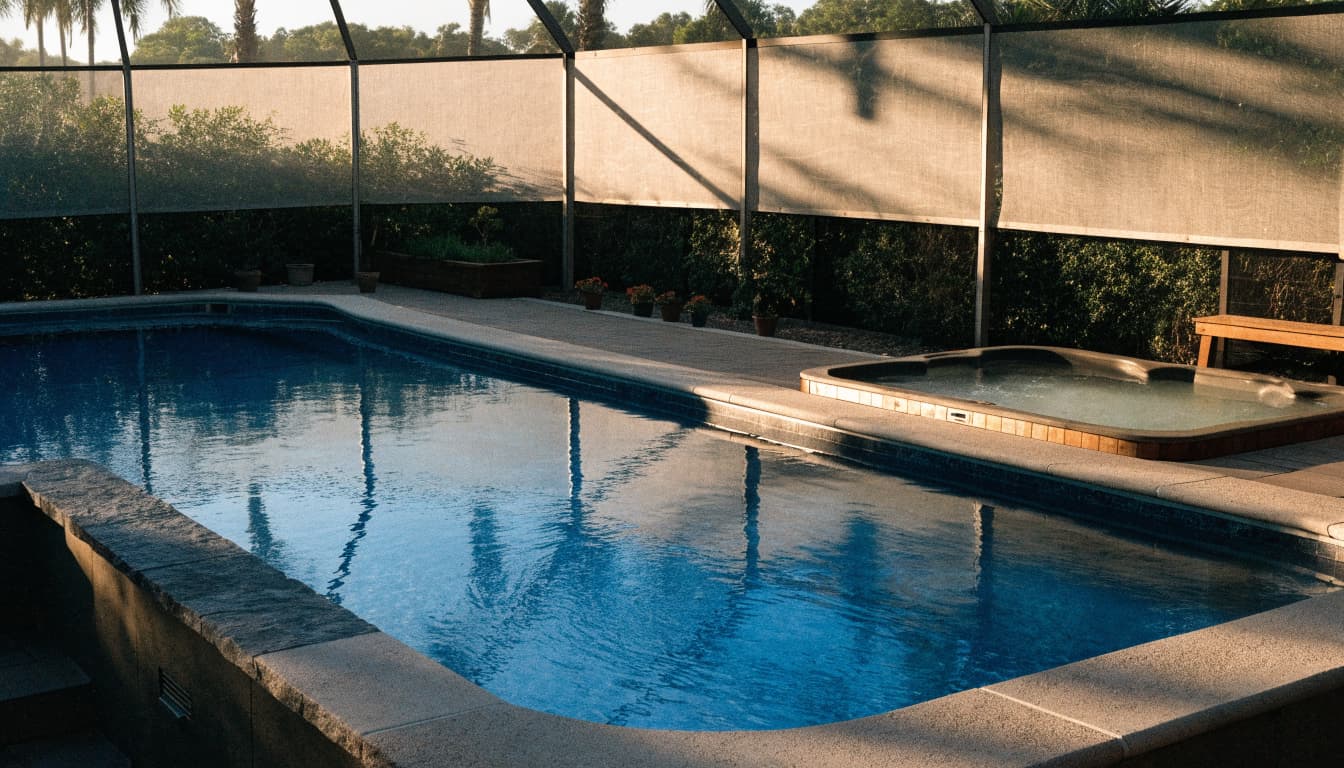
An attached spa and a freestanding hot tub can look similar when you're sitting in them, but their operating setups may be different. The distinction affects where you take samples and which equipment you inspect.
An independently operated spa
A freestanding hot tub may have its own water, filter, pump, and sanitizer routine. In that case, clear pool water tells you little about the condition of the hot tub.
Test the spa itself and follow its equipment and chemical instructions. Pay attention to its circulation schedule rather than assuming the pool pump is filtering it.
A spa connected to the pool
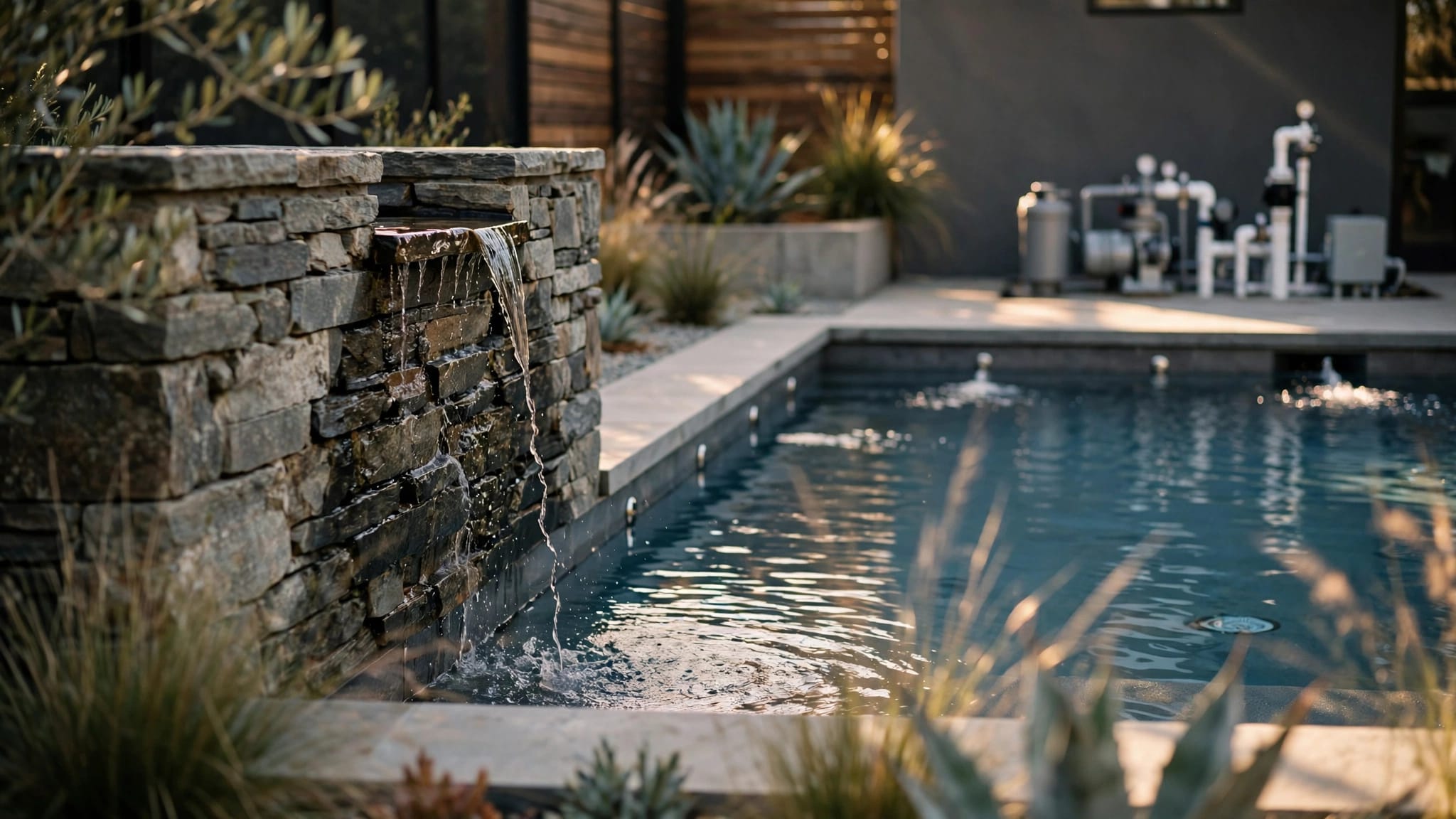
An attached spa may share water and equipment with the pool, but its valves and controls can direct flow differently in pool mode and spa mode. A spillway, for example, may operate during one setting and stop during another.
Before changing a setting, note which mode is active and whether water is moving through the spa. If you're unsure what a valve does, leave it in place and consult a pool professional. Forcing a valve into the wrong position can interrupt the intended flow.
Look at How the Spa Is Used
A spa usually holds less water than a pool, and its water may be kept at a different temperature. It may also have a different circulation schedule. Those details make the spa worth testing on its own, even when the two bodies of water are connected.
Bather load is another useful clue. Sweat, body oils, and sunscreen enter the water during use, while sanitizer has the job of handling contaminants. A spa used by several people may need closer attention after a gathering than it does after a quiet week.
Our guide to managing oils in pool water covers surface residue and filter care. A greasy waterline is useful to note, but appearance alone won't tell you what chemical treatment the spa needs.
Also observe the water with the jets off. Aeration can make moving water look different from still water. If the haze remains after the bubbles disperse, continue with testing and equipment checks.
Test Cloudy Spa Water Before Adding Chemicals
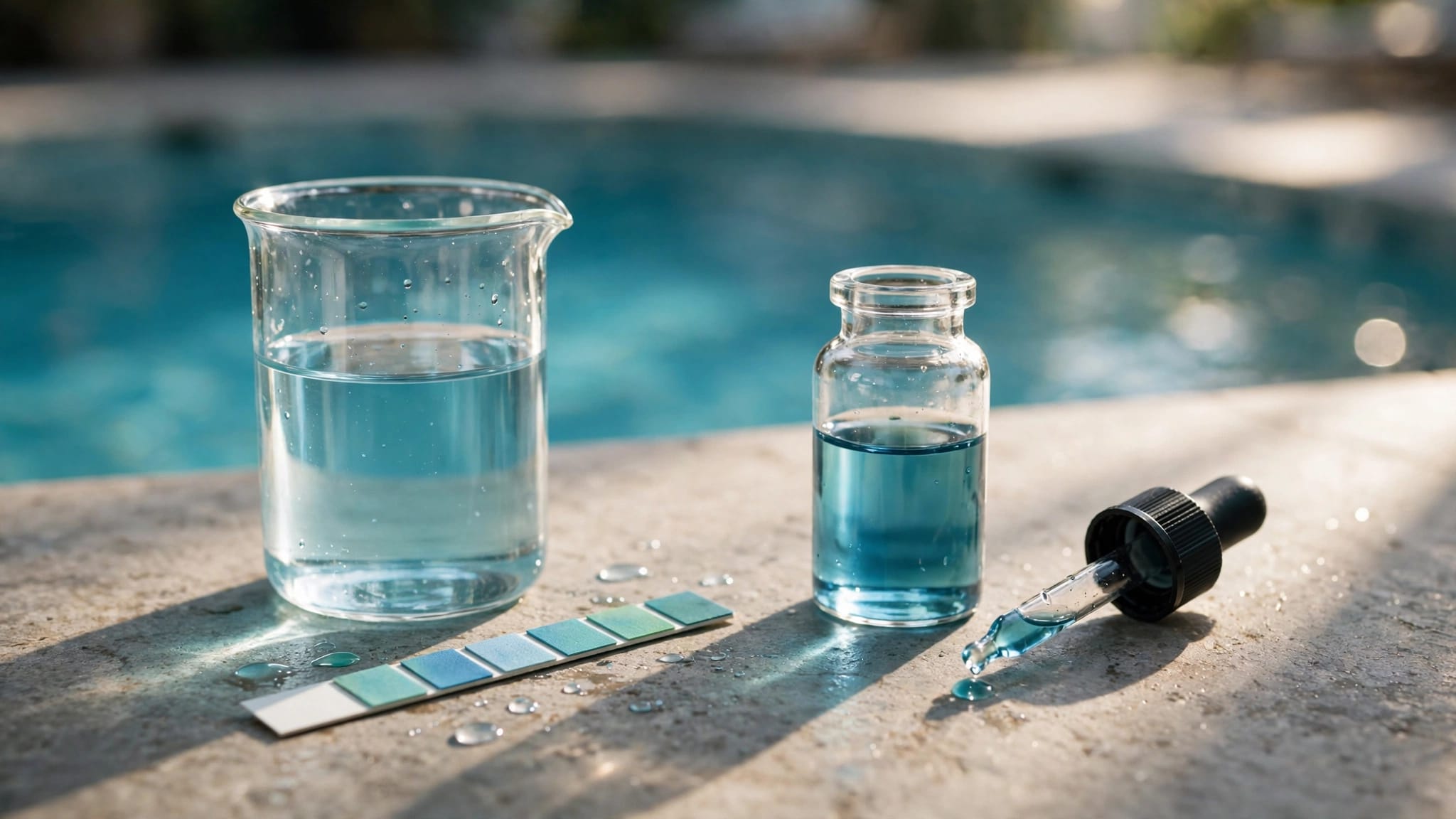
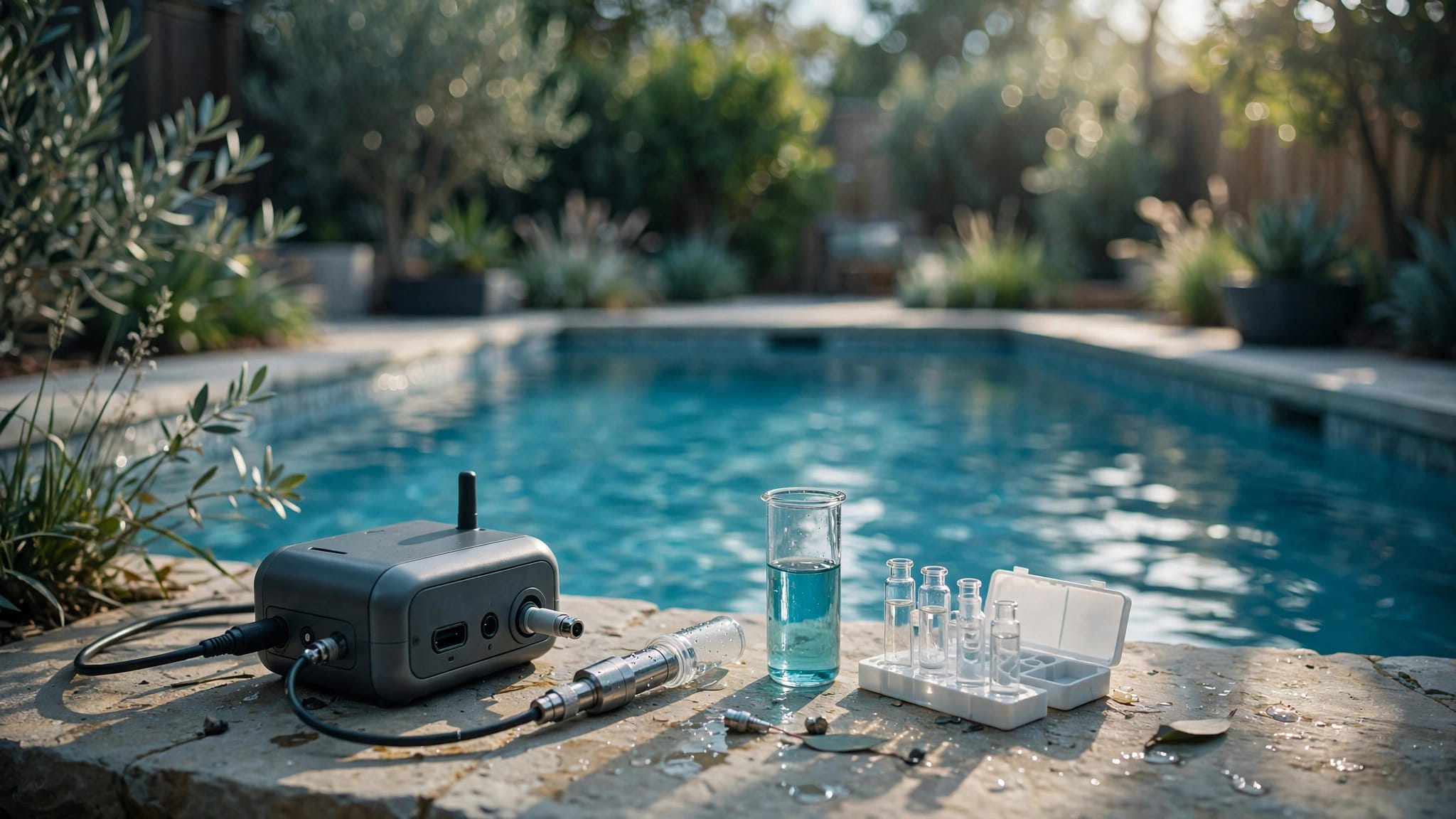
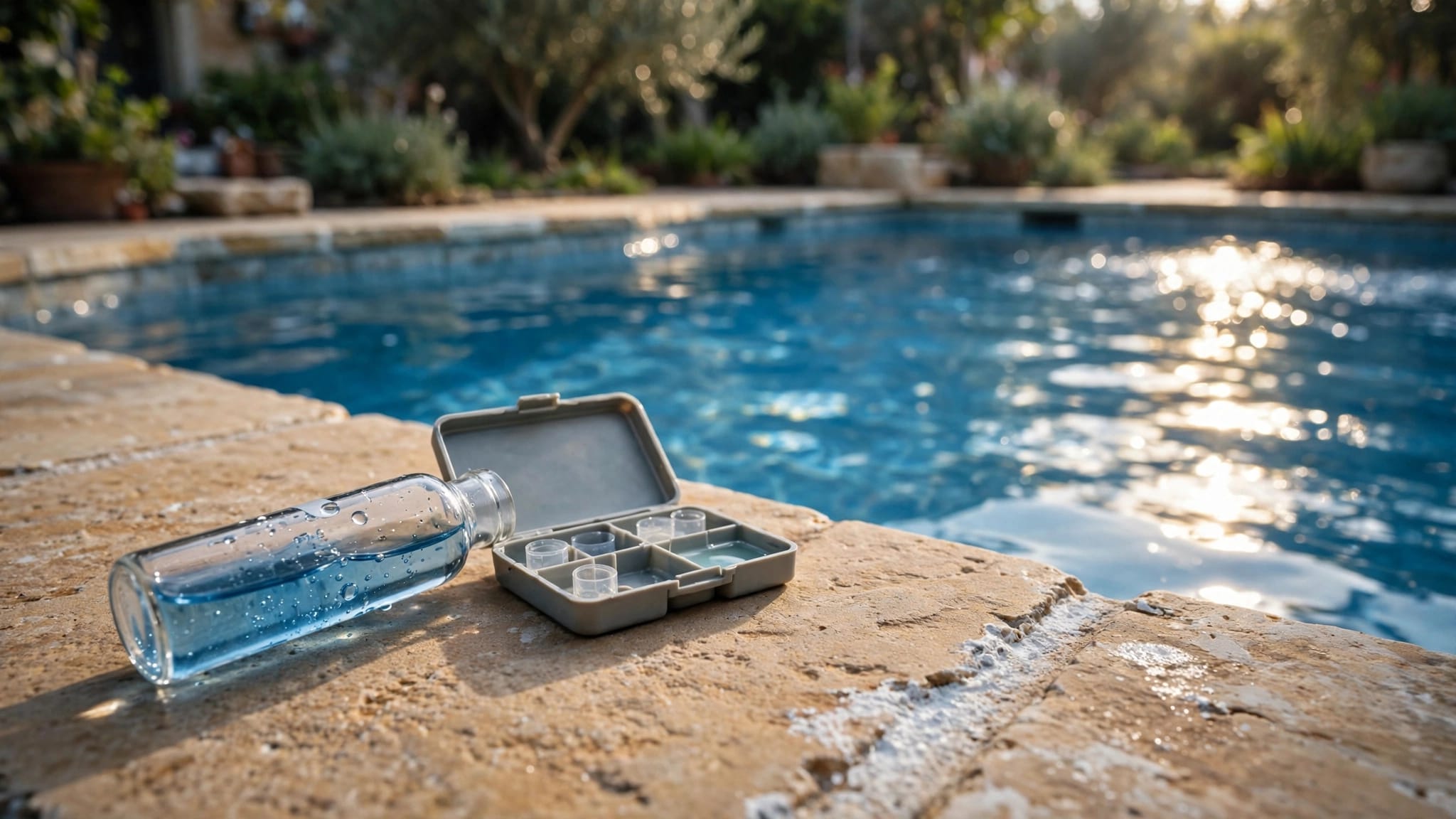
Use a fresh test strip or a reliable liquid test kit suitable for the sanitizer in your system. Record the results rather than relying on the water's color or clarity.
Collect a useful sample
Take a sample from the spa, away from return jets and any chemical dispenser. Use the container supplied with your kit or a clean container rinsed with the water you're testing.
If you've just added a product, allow the water to circulate for the time directed on the label before sampling. Follow the kit's instructions for sample depth, timing, and reading the result.
When the pool and spa operate together, testing each can still provide useful information. Record the operating mode and compare samples taken after normal circulation. Avoid drawing a conclusion from samples collected immediately beside a return or dispenser.
Record the readings together
Start with sanitizer, pH, and total alkalinity. Calcium hardness is also useful when balance remains difficult or you notice deposits. If your chlorine test distinguishes between free and total chlorine, record both.
Compare the results with the guidance for your spa and the products you use. A reading outside the appropriate range gives you a starting point, but it doesn't replace a filter or circulation inspection.
Adjust Sanitizer and pH in a Safe Order
If the test shows that sanitizer needs adjustment, use a product intended for your system and follow its label. The amount depends on the water volume, the current reading, and the product's strength. Guessing can make the water harder to manage.
When both alkalinity and pH need correction, address total alkalinity first, then circulate and retest before adjusting pH. Our pool alkalinity and pH balancing guide explains the sequence for pool water. Use the directions for your own spa and products when making adjustments.
Add products separately and allow the directed circulation time between treatments. Never mix chemicals together or combine chlorine products with acid. Keep containers closed and stored away from children and pets.
After treatment, take a fresh sample. Keep everyone out of the spa until the readings are within the appropriate range, the water is clear, and any label-required waiting period has passed.
Clean the Filter and Review Its Condition
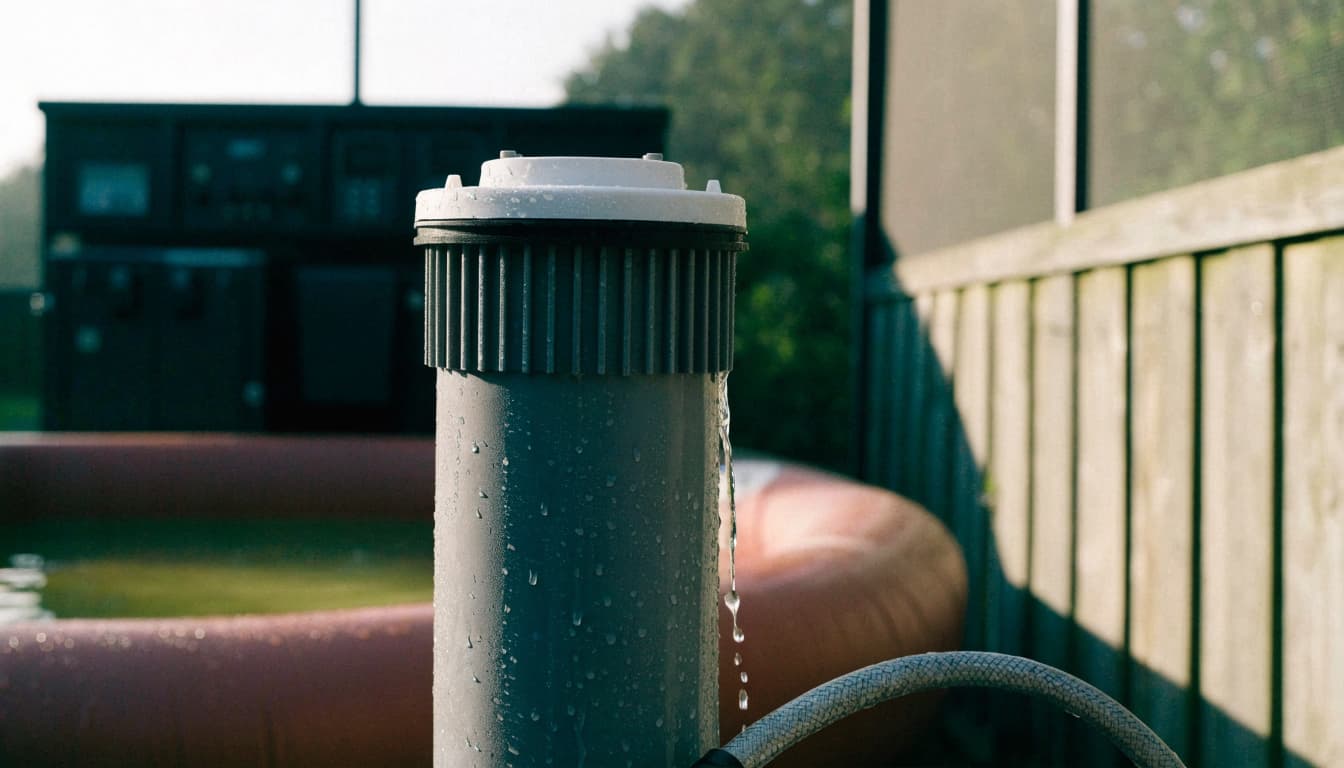
Filtration is part of the troubleshooting sequence even when chemical readings need attention. Begin by identifying which filter handles the spa water in its normal operating mode.
Service the filter by type
For a cartridge filter, turn off the equipment and follow the manufacturer's instructions for removal and cleaning. Rinse the cartridge as directed, paying attention to the material between the pleats. Use an approved cartridge cleaner if the manufacturer recommends one.
Don't pressure-wash a cartridge or improvise with household degreasers, bleach, or acid. Inspect the cartridge for damage or deterioration before reinstalling it.
A shared pool system may use a sand or diatomaceous earth filter instead. Follow that filter's cleaning or backwashing instructions rather than applying cartridge procedures to it.
Pay attention to pressure and flow
If your system has a pressure gauge, compare its reading with the clean pressure recorded at the same pump speed. Service the filter at the manufacturer's recommended point rather than on a guessed schedule.
A pressure reading is one clue, not a complete diagnosis. Weak return flow, unusual pump sounds, or a gauge reading that doesn't match the system's normal pattern deserve further investigation.
For a new installation or renovation, pool filter sizing in Cape Coral also depends on pump flow, plumbing, and equipment ratings.
Check Spa Circulation and Operating Modes
With the pump running in its normal setting, look for steady movement at the spa returns. Then note whether the system behaves differently when you select spa mode. Observe the water from outside; keep hands and objects away from suction fittings.
Check the water level and clear accessible skimmer and pump baskets when needed. Turn the pump off before opening a pump basket, and follow the equipment instructions when restarting the system.
Air at the returns, a pump that loses prime, or a strained sound can point to a circulation problem. A low pressure reading alongside weak flow is also worth noting. Don't continue experimenting with valves if the pump isn't operating normally.
The basics of skimmer and return jet circulation can help you understand water movement in a shared pool system. Spa plumbing may have different controls, so use your observations to describe the issue to a professional rather than treating every return alike.
Allow the system to filter according to its instructions after cleaning and treatment. Retest before adding more chemicals, and keep a record of any changes in flow or clarity.
Decide Whether a Water Change Makes Sense
A water change may be useful when the spa has its own water and normal maintenance hasn't restored manageable conditions. It isn't the first step: test the water, address the readings, and inspect the filter and circulation first.
Partial replacement
Replacing some water can dilute substances that have accumulated in an independent spa. The benefit depends on what is present in the existing water and the quality of the fill water.
After a partial refill, circulate and test again. Fresh water has its own chemistry, so don't assume the sanitizer or pH will be correct without a new reading.
Complete drain and refill
A full water change may be appropriate for an independently operated hot tub when routine care no longer produces stable results. Follow its draining and refill instructions, including any directions for protecting equipment and the surface.
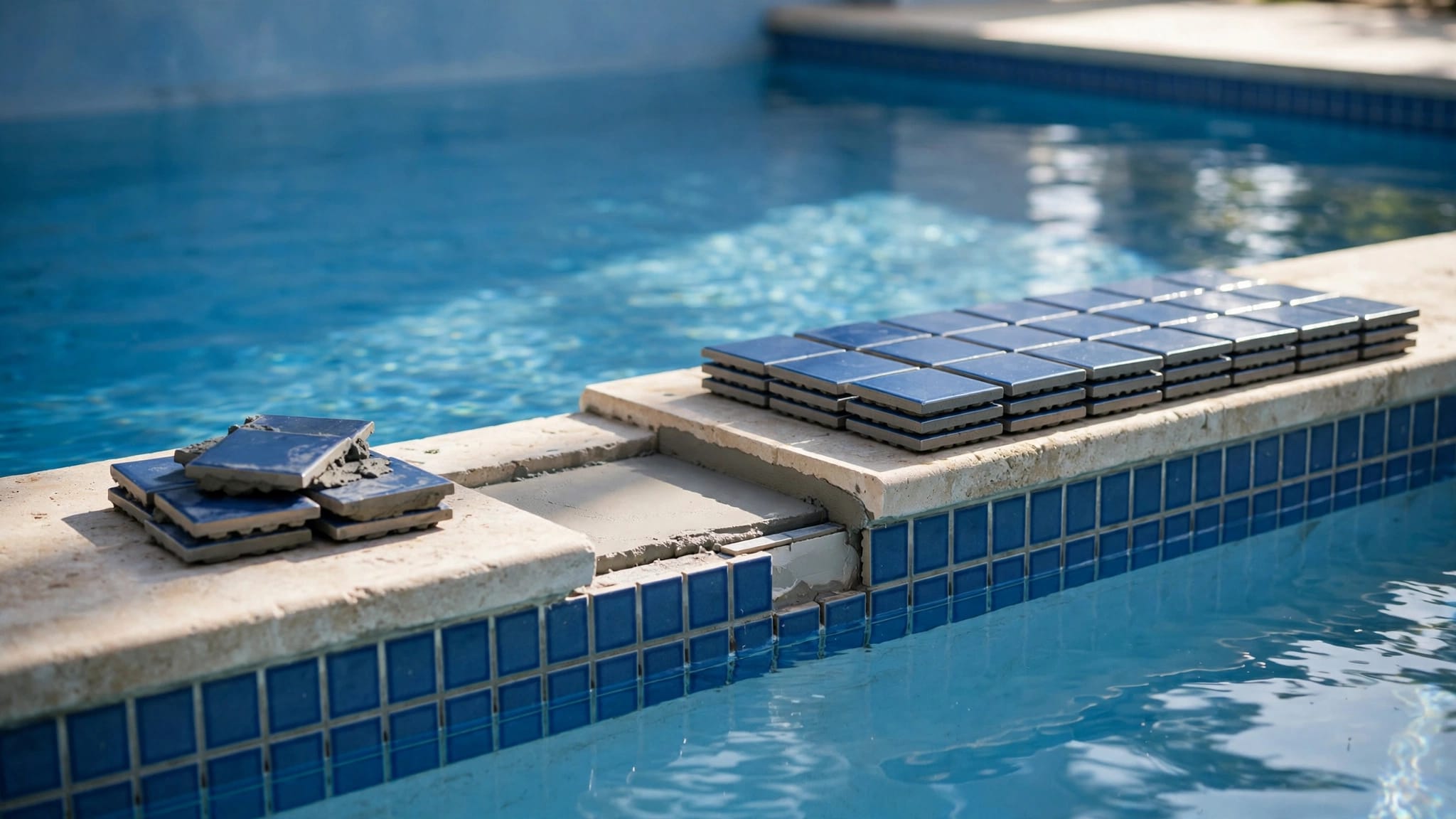
An attached spa needs more caution. Draining it may also affect the connected pool, and emptying an in-ground structure can create damage risks. Ask a qualified pool professional to assess the setup before draining. The same care applies when persistent deposits or a worn finish suggest that the issue extends beyond routine water care.
Know When to Bring in a Professional
Call for help if the water stays cloudy after testing, treatment, filter cleaning, and normal circulation. Persistent weak flow, repeated loss of prime, leaks, or changing pressure readings also warrant an equipment assessment.
Electrical faults and major plumbing changes aren't safe troubleshooting projects for homeowners. A professional can inspect the system as a whole and identify whether an equipment or circulation issue needs repair.
If you're planning a pool renovation or an equipment update along with the spa work, we can discuss the existing layout during an on-site visit. Get a Free Estimate to schedule a consultation with Back Bay Pools, LLC.
Clear Water Starts with the Right Checks
A clear pool doesn't establish the condition of the spa. Test the spa water, make measured adjustments, and give the filter and circulation system a careful look.
Keep the spa out of use until the water is clear and the readings and treatment wait times are appropriate. Testing first gives you a safer starting point than adding products based on appearance alone.