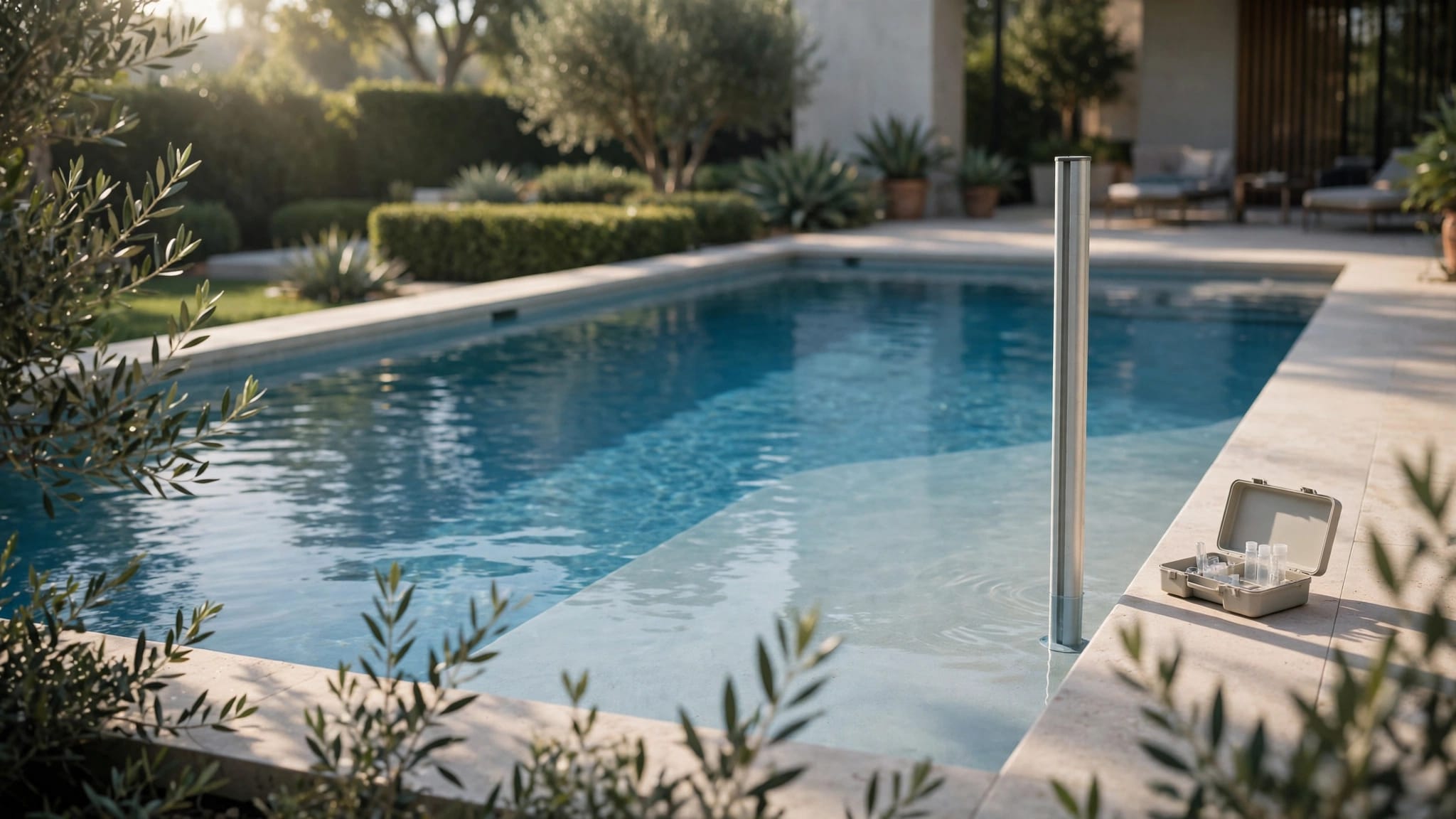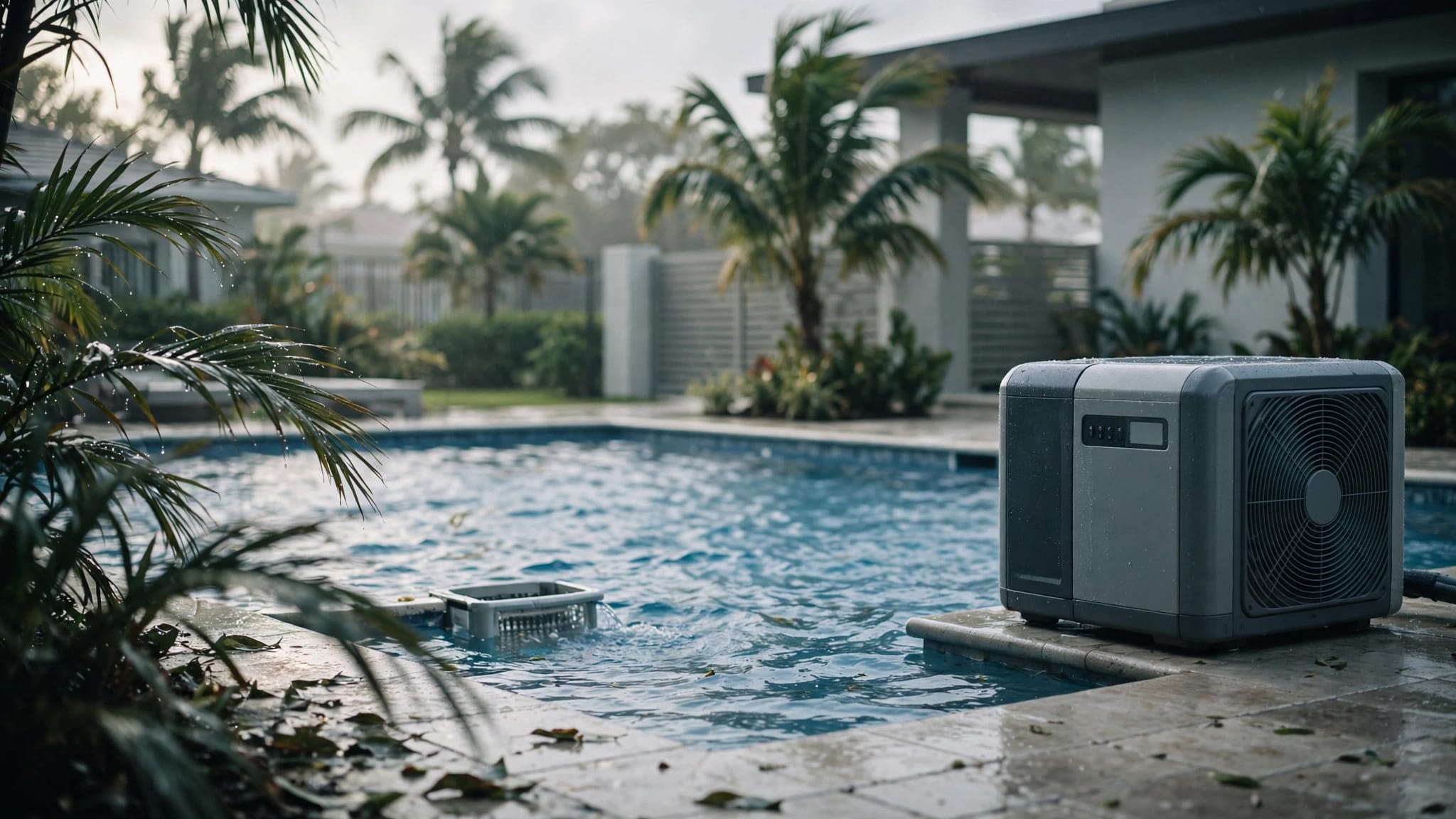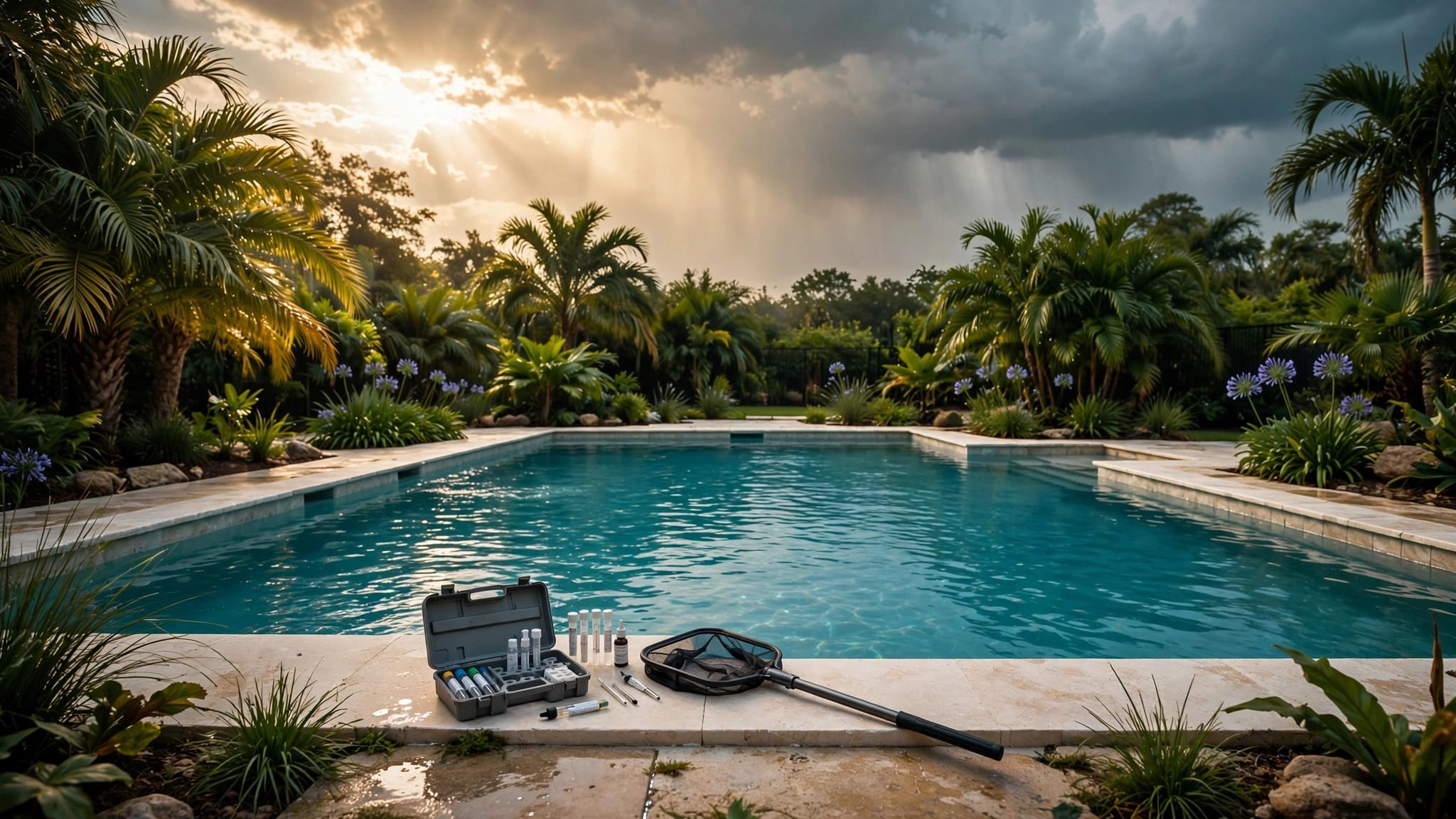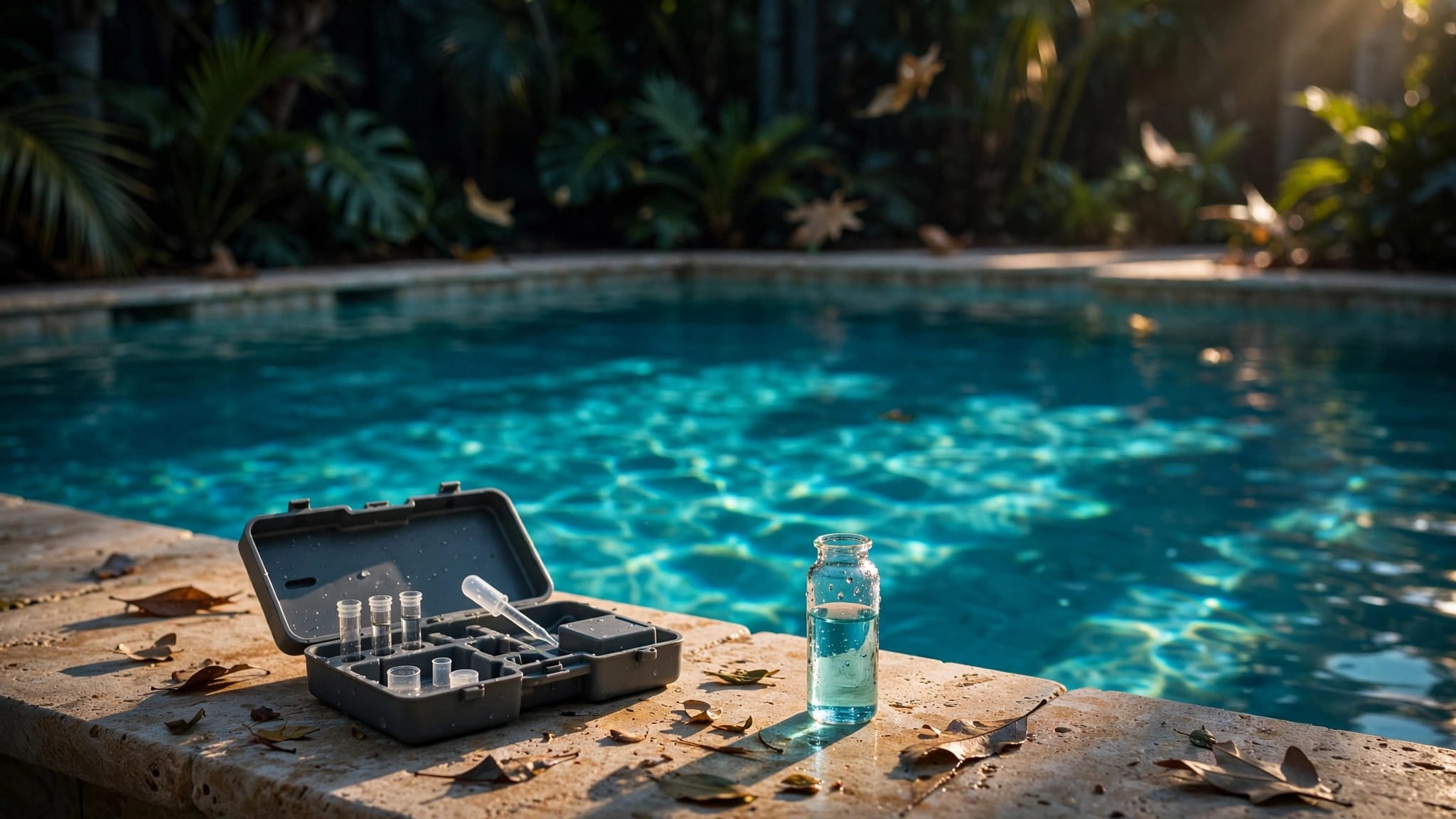
An existing pool can make a Florida home more enjoyable, but it can also bring expensive surprises after closing. A reliable pool inspection checklist helps you spot visible problems before you commit to the purchase.
Walk the pool area in daylight, photograph anything that looks questionable, and arrange professional testing for electrical, structural, plumbing, and equipment concerns. Start with safety and permit records, then inspect the pool itself.
Start With Safety, Permits, and Pool History
A pool inspection involves more than checking whether the water looks clean. The barrier, gate, equipment, deck, enclosure, and permit history all deserve attention before you make an offer.
Check the barrier during your walkthrough
Florida Statutes Section 515.29 sets a residential pool barrier minimum of 4 feet in many situations. The barrier must limit access around the pool, and the exact requirements can depend on the layout and local enforcement.
During your visual inspection, check these points:
- Measure the barrier height at several locations, especially where the ground changes.
- Look for gaps beneath the fence, around posts, and where the enclosure meets the house.
- Confirm that the gate swings away from the pool.
- Watch whether the gate closes and latches on its own.
- Check that the latch sits where a small child cannot reach it over or through the gate.
- Look for climbable objects near the barrier, including furniture, planters, air-conditioning equipment, grills, and pool equipment.
- Inspect doors and windows if the house forms part of the pool barrier.
Don't assume an old fence meets current requirements. Review the Florida residential pool safety barrier requirements with a qualified professional and confirm current rules with the local building department.
Ask for records before you rely on the pool
Request the original pool construction permit, final inspection approval, and records for later work. Depending on the project and local requirements, that may include permits connected with a screen enclosure, electrical work, plumbing changes, equipment replacement, deck repairs, or structural renovations.
Ask whether the property has:
- Open, expired, or failed permits
- Correction notices from the local building department
- Storm repair records for the pool or enclosure
- Pool service records and water chemistry logs
- Equipment manuals, warranties, and purchase dates
- Records of leaks, shell repairs, resurfacing, or deck settlement
A permit record doesn't prove that every part of the pool is in good condition. It does give you a clearer history and helps identify work that needs further review.
Use This Pool Inspection Checklist During the Walkthrough
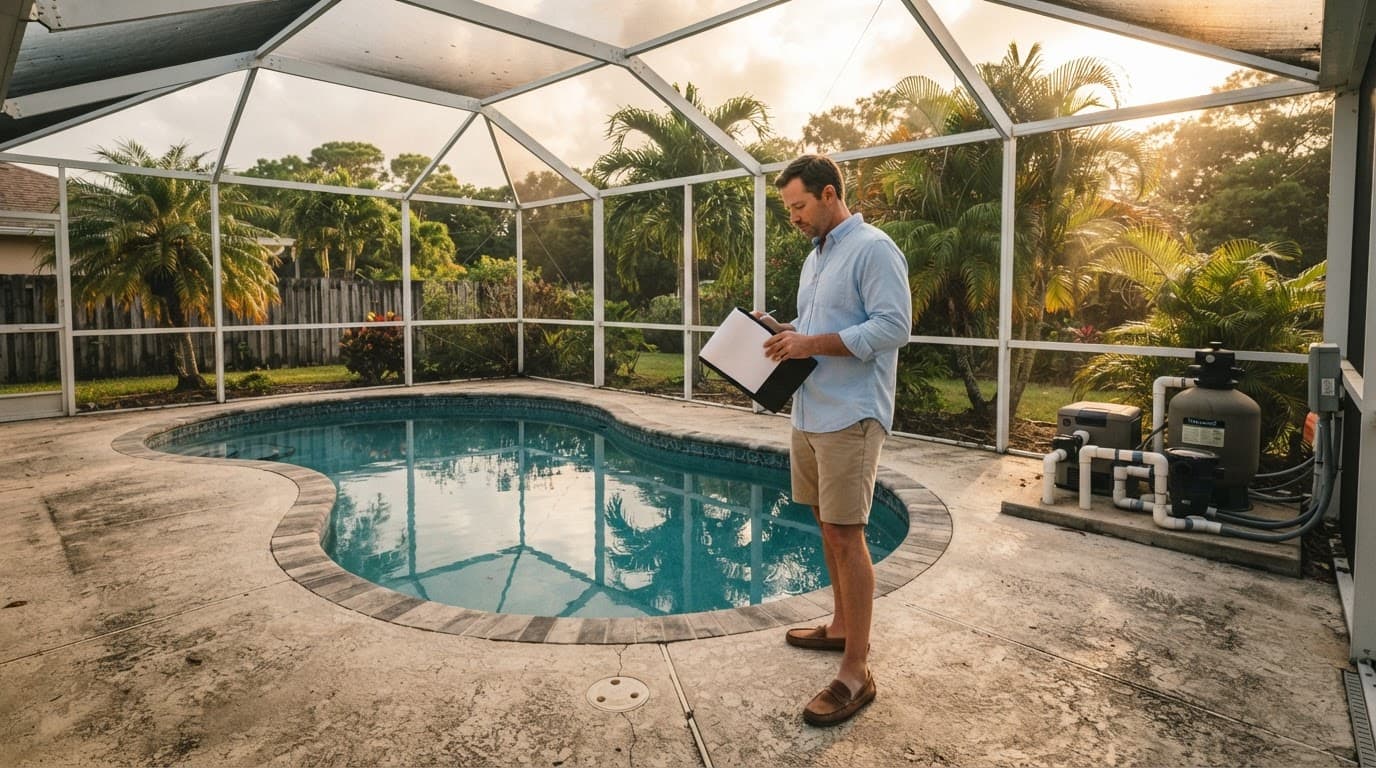
A visual inspection won't replace specialist testing, but it can reveal enough warning signs to shape your next steps. Take wide photos first, then capture close-ups of cracks, stains, corrosion, gaps, and damaged hardware.
Look at the water, surfaces, and pool fittings
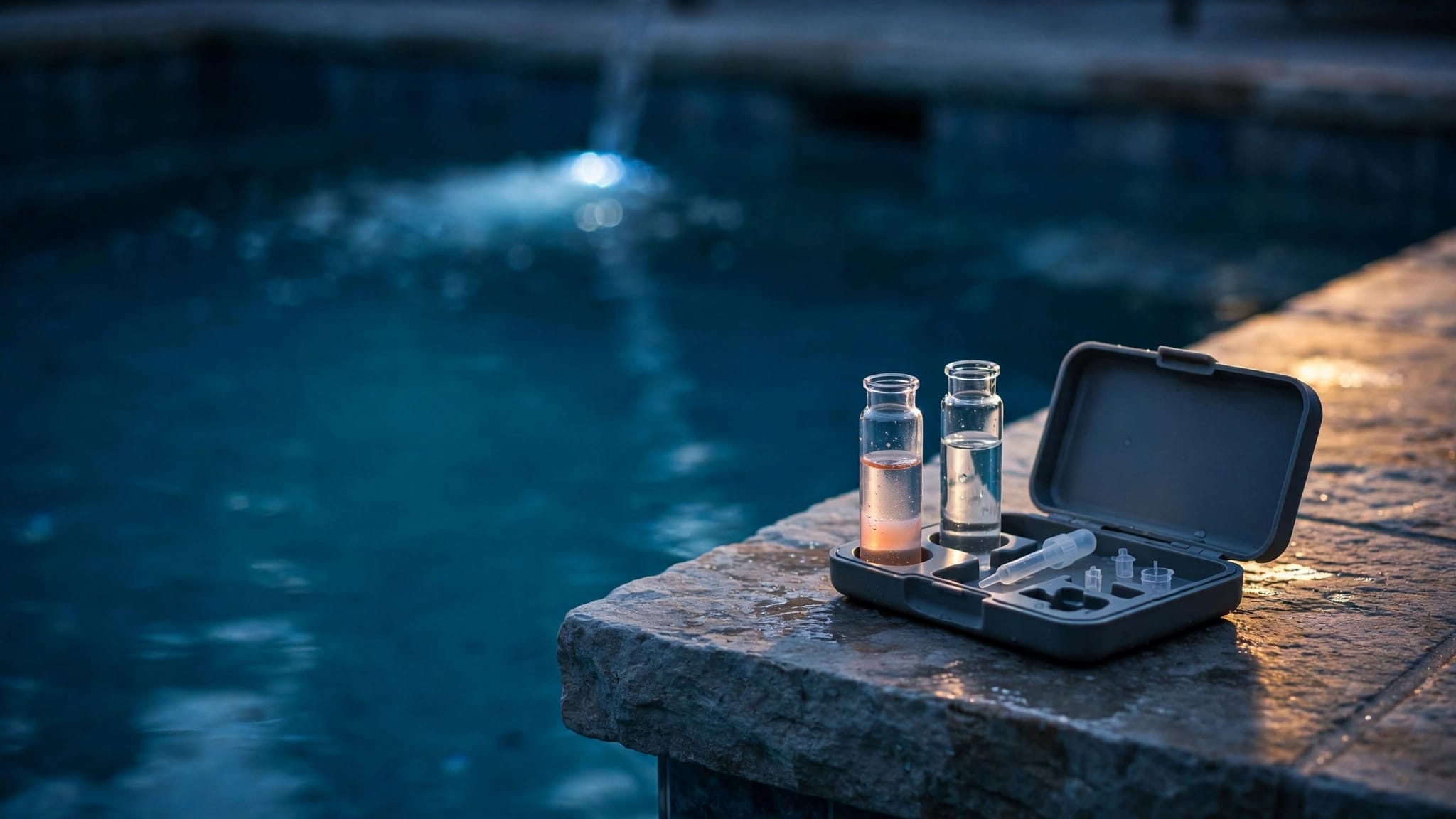
Clear water doesn't guarantee a sound pool. Ask the seller or agent whether the circulation system can run during the inspection, and observe whether the water level appears unusually low.
Look closely at the following:
- Cracks in the pool shell, especially straight cracks across walls or the floor
- Rough, pitted, flaking, or hollow-sounding finish areas
- Blistering or spider cracks on a fiberglass pool
- Exposed aggregate, scale, or loose areas on a pebble finish
- Loose waterline tile or missing grout
- Coping that has shifted away from the pool
- Cracks around skimmers, returns, drains, and lights
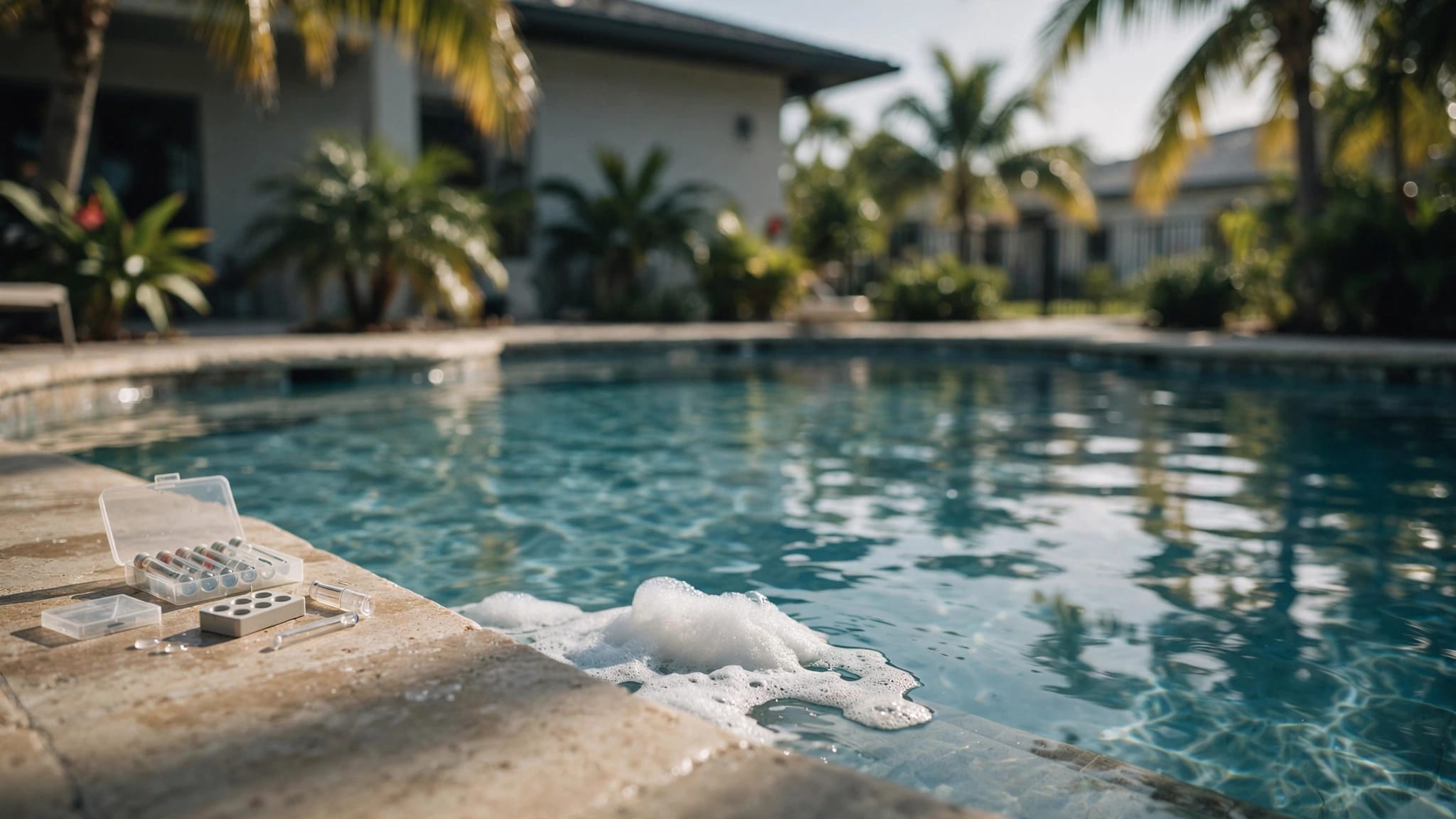
- Stains, persistent algae shadows, or heavy calcium scale
- Water loss that seems greater than normal evaporation
Surface discoloration may call for cleaning, while widespread roughness or delamination may point toward resurfacing. A straight shell crack, wet soil, or sinking deck deserves faster professional attention. Review these signs of structural pool cracks before treating a crack as a cosmetic issue.
Inspect the deck, drainage, and screen enclosure
Walk the entire deck and pay attention to changes in footing. Cracked concrete, lifted pavers, spalling, trip edges, or settlement near the pool can indicate drainage or structural concerns.
After rain, look for standing water beside the pool, soggy soil near the equipment pad, washed-out joints, or water collecting against the house. Check gutters, downspouts, deck drains, and the slope around the pool. A single puddle doesn't prove a major problem, but repeated pooling needs investigation.
The screen enclosure also deserves a close look. Photograph torn mesh, bent framing, missing screws, loose base plates, corroded fasteners, sticking doors, and damaged roof panels. If the enclosure helps form the pool barrier, door swing and latch operation matter as much as the screen itself.
Review Pool Equipment Without Taking Risks
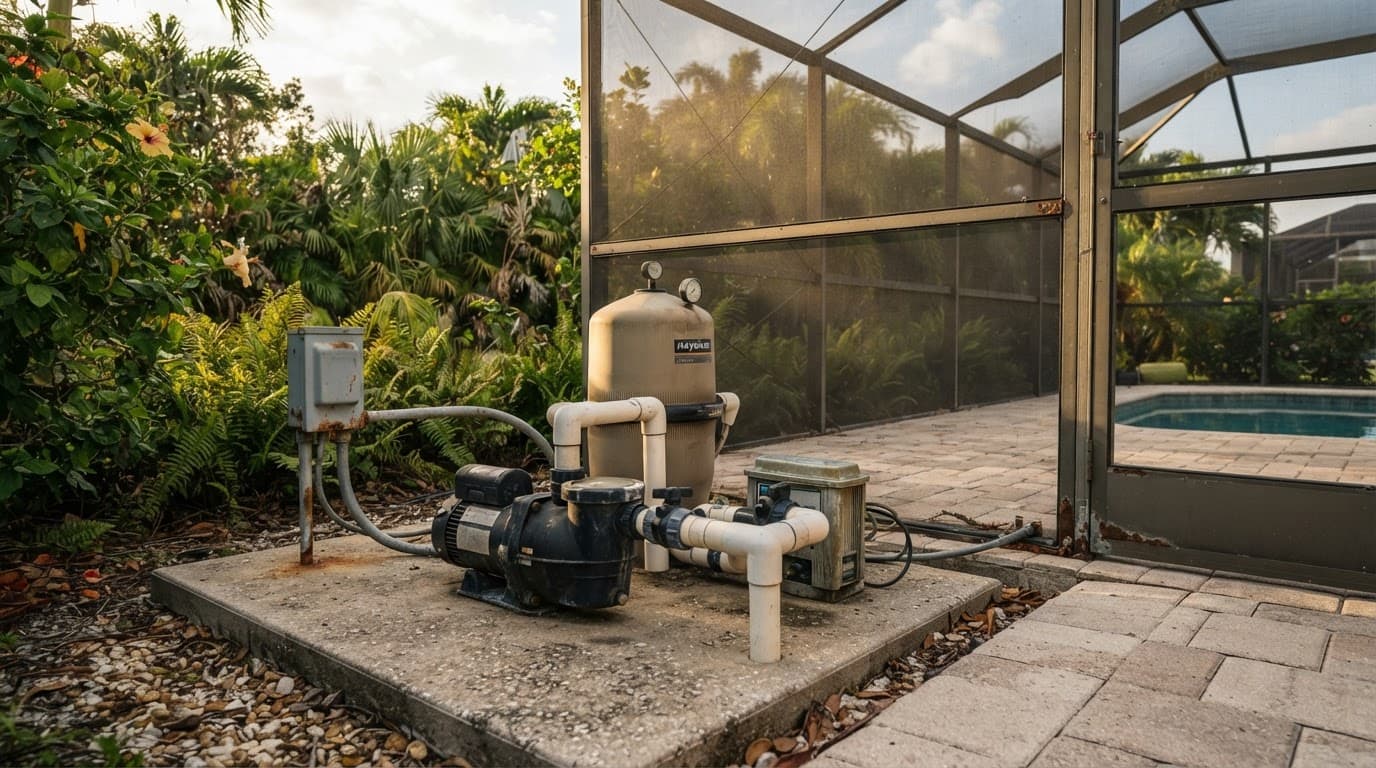
Equipment often reveals the pool's age and maintenance history faster than the pool surface does. Find the equipment pad and record the brand, model, and serial number of each accessible component.
Check circulation, filtration, and heating
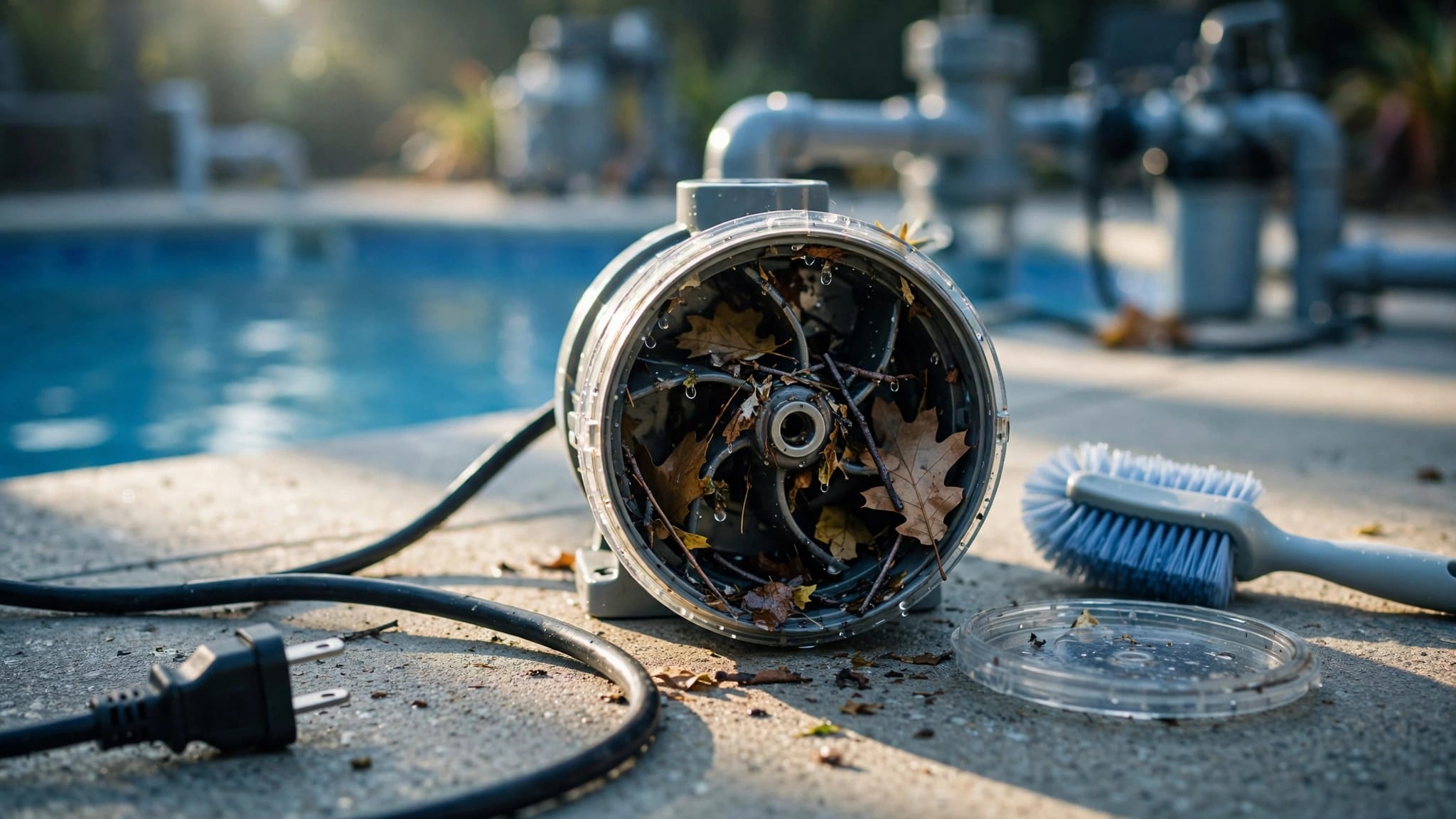
With permission to operate the system, listen for unusual grinding, squealing, rattling, or vibration. Watch for air collecting beneath the pump lid, leaks at unions, water dripping from the filter, or a pump that struggles to hold prime.
Inspect the:
- Pump and motor
- Filter, whether cartridge, sand, or diatomaceous earth
- Heater and its cabinet
- Salt chlorine generator and cell, if installed
- Automation panel, timers, lights, and remote controls
- Skimmer, return fittings, valves, and visible plumbing
A qualified pool contractor can check flow, pressure, leaks, heater operation, and equipment condition in more detail. Ask for separate estimates when the pool needs both equipment replacement and finish work. Resurfacing a pool won't correct a failing pump, and a new pump won't repair a cracked shell.
Leave electrical testing to a qualified electrician
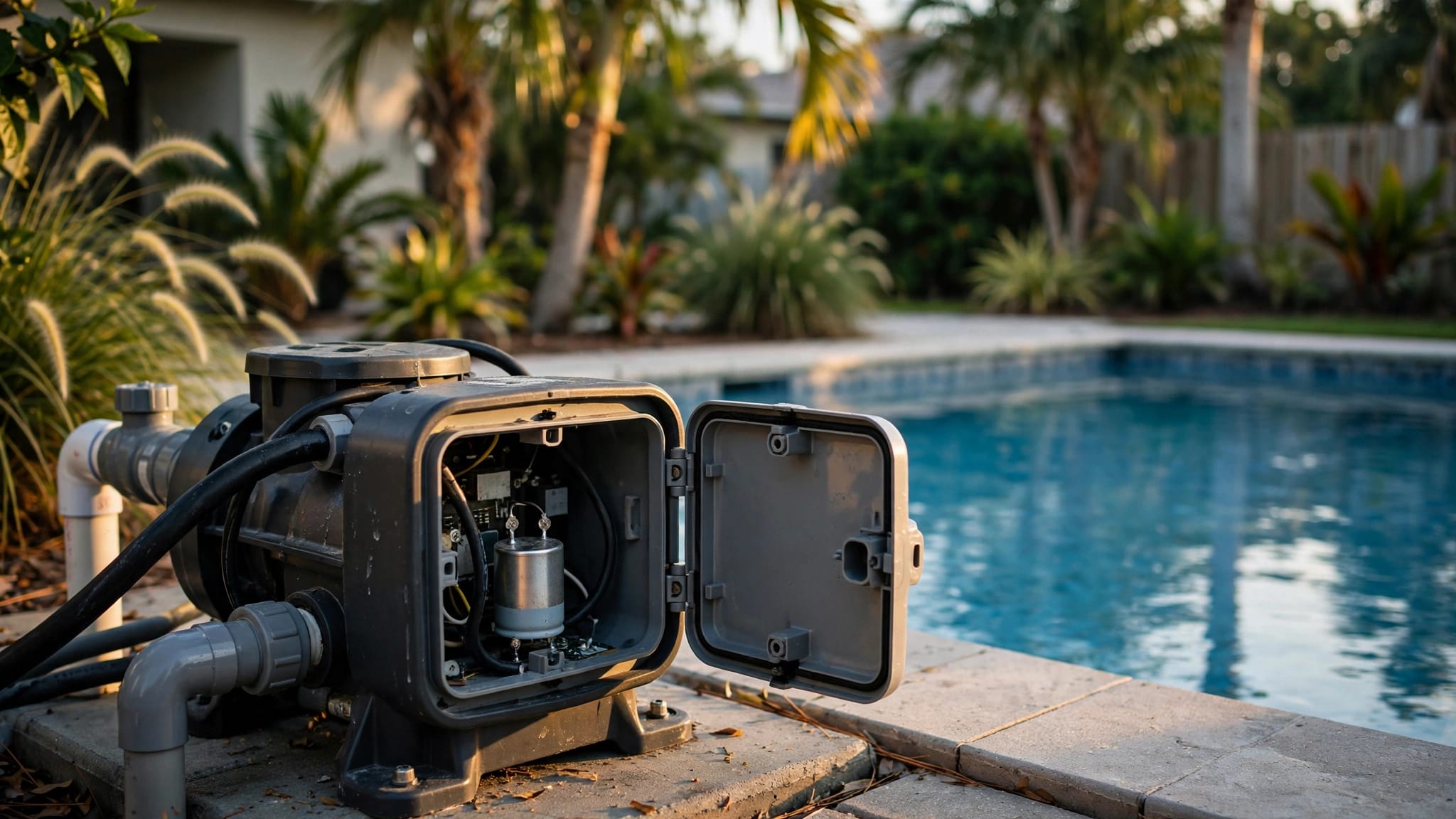
Pool electrical systems require more than a quick look at the breaker panel. A licensed electrician familiar with pool work should inspect bonding, grounding, GFCI protection, underwater lights, receptacles, wiring, conduit, and equipment connections.
Florida pool electrical work commonly involves NEC Article 680 requirements, but the applicable code cycle and enforcement process depend on the local authority having jurisdiction. Ask the electrician to verify the current requirements instead of relying on a label or an old inspection sticker.
Don't open panels, remove light fixtures, touch bonding connections, or test questionable equipment yourself. Frequent breaker trips, warm receptacles, damaged conduit, exposed wiring, or lights that flicker should be treated as safety concerns. Stop using affected equipment until a qualified electrician evaluates it.
Account for Florida's Heat, Humidity, and Storms
Florida conditions can wear down pool components even when the backyard looks well maintained. Heat, humidity, heavy rain, salt exposure, and hurricanes affect different parts of the system.
Watch for saltwater and humidity damage
Salt chlorine systems don't eliminate corrosion concerns. Salt exposure and humid air can affect heater cabinets, pump motors, light niches, ladder anchors, screen fasteners, gate hardware, bonding lugs, and deck-level metal parts.
Look for white crusting, rust bleeding, pitted metal, flaking paint, green staining around copper, seized screws, and brittle plastic or rubber seals. Corrosion hidden under a deck connection or inside an equipment enclosure requires specialist review.
Heat also increases wear on O-rings, pump lids, timers, motors, and door hardware. UV-faded PVC, cracked gaskets, condensation, and chalky plastic can indicate aging components that may need replacement sooner than expected.
Check drainage, groundwater, and hurricane damage
Heavy rainfall can expose drainage problems that remain hidden during a dry showing. Look at the pool deck, screen footings, retaining areas, and equipment pad for erosion, settlement, efflorescence, or separation between the deck and shell.
A pool contractor or structural engineer should assess repeated settlement, shell movement, significant deck cracks, or wet areas that remain after the weather clears. High groundwater can also complicate repairs, so don't accept a quick patch recommendation without identifying the cause.
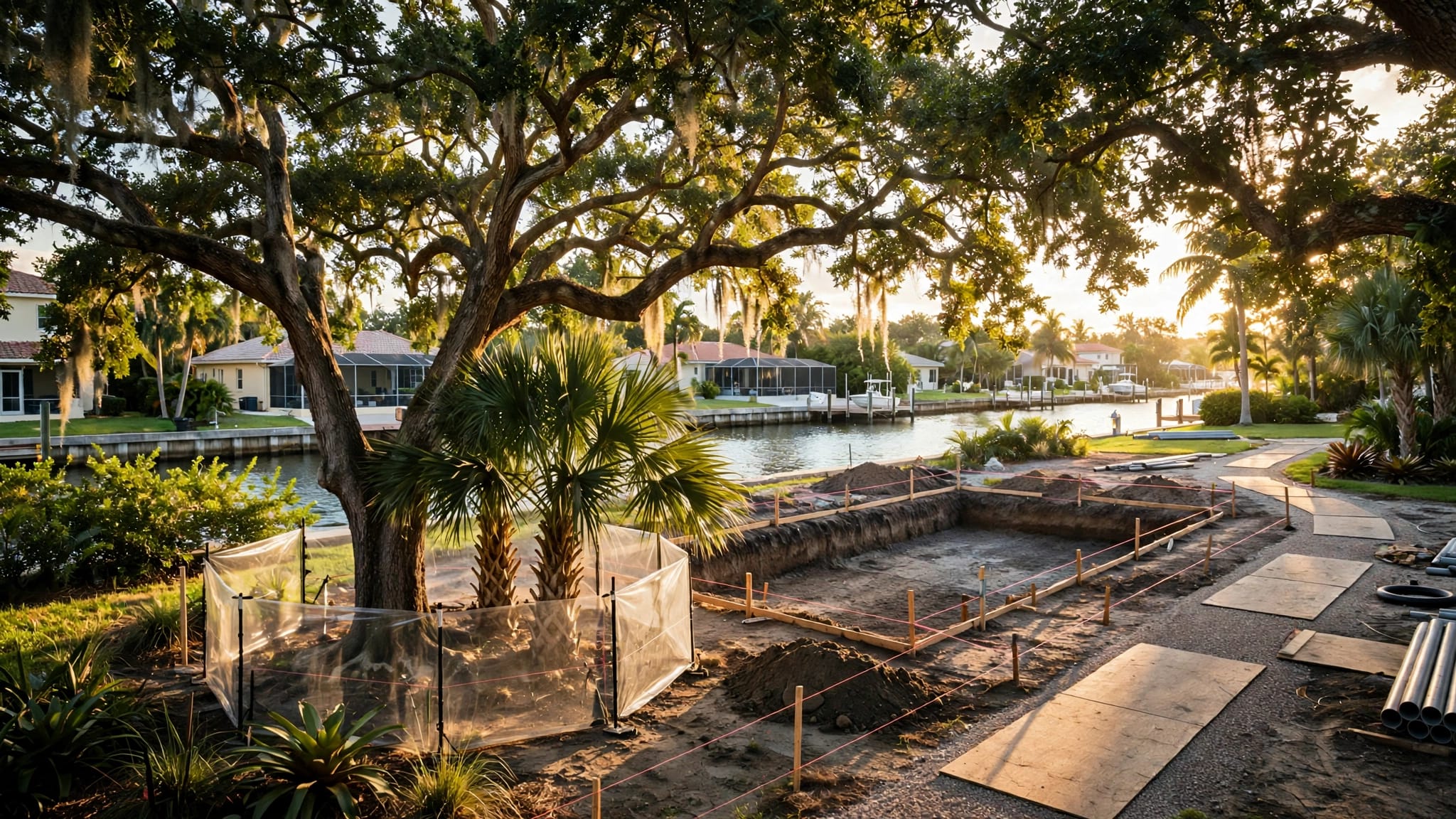
Hurricane damage may appear as small problems at first. Bent enclosure members, loose anchors, missing fasteners, torn mesh, and distorted doors can affect both storm performance and barrier access. This Southwest Florida storm damage pool inspection guide can help you organize photos and questions after a prior storm repair.
Know Which Specialists to Hire
A general home inspector can identify visible pool concerns, but buyers often need a separate pool inspection. Match the professional to the defect rather than asking one person to evaluate every system.
Use the right professional for each concern
A qualified pool contractor can assess circulation, plumbing, leaks, finishes, tile, coping, equipment, and visible shell problems. Ask whether the contractor performs leak detection and structural evaluations or refers those issues to another specialist.
A licensed electrician should handle bonding, grounding, GFCI protection, underwater lighting, panels, and pool equipment wiring. Gas-fired heaters may also require a qualified professional to inspect the fuel connection and combustion components.
For major shell cracks, settlement, retaining walls, or enclosure footing movement, ask a structural engineer or appropriately qualified pool specialist for an evaluation. An enclosure contractor can assess frame alignment, anchors, corrosion, doors, and rescreening needs.
Before hiring anyone, verify the license and scope of work. A pool license doesn't automatically cover electrical, gas, structural, or screen enclosure work. Learn how to verify a Florida pool contractor license before scheduling specialized work.
Build a Closing File for the Pool
Your photos and documents should make the pool's condition easy to understand after the walkthrough. Label photos by location, such as "south screen corner," "equipment pad union," or "deck crack near skimmer."
Keep a written record of:
- Barrier measurements and gate operation
- Equipment brands, models, and visible condition
- Water level and circulation observations
- Surface, tile, coping, and deck defects
- Screen enclosure damage and corrosion
- Standing water or drainage concerns
- Breaker trips, leaks, unusual sounds, or failed equipment
- Permit numbers, final approvals, and correction notices
Then request written findings from each professional. The report should identify the defect, its likely source, whether it affects safety or operation, and what testing or repair is recommended. Ask for estimates that separate shell repair, leak work, resurfacing, tile, coping, deck repair, equipment, electrical work, and enclosure repairs.
If the pool needs renovation, compare proposals carefully. Learn how to compare pool renovation proposals so you can tell whether each quote includes the same preparation, materials, permits, inspections, and cleanup.
Separate Urgent Repairs From Future Improvements
Some defects deserve attention before anyone uses the pool. These include missing or malfunctioning barriers, unsafe gates, exposed electrical components, damaged underwater lights, active leaks, severe shell movement, unstable deck areas, and storm-damaged enclosure frames.
Other conditions may fit into a planned improvement budget. An outdated finish, worn tile, faded screen mesh, older automation system, or inefficient equipment may not prevent closing, but you should understand the cost before signing.
Share inspection findings with your real estate professional during the inspection period. Ask for repairs, a credit, or a price adjustment only after you have written scope details and realistic estimates. If the seller completes work, request receipts, permits where required, and final inspection documentation before closing.
When the pool needs more than maintenance, a local contractor can assess whether a repair, resurfacing project, screen rescreen, or larger renovation makes sense. You can Get a Free Estimate for an on-site assessment in Cape Coral.
Make the Pool Part of Your Buying Decision
A clean-looking pool can still hide electrical, structural, drainage, or enclosure problems. Use your pool inspection checklist for the visual walkthrough, then bring in the right qualified professionals for anything you can't safely test yourself.
The strongest buying decision comes from knowing the pool's safety status, permit history, equipment condition, storm exposure, and likely repair costs before closing. That information lets you enjoy the backyard with fewer costly surprises.